Then one of the Pharisees invited Jesus to eat with him, and He entered the Pharisee’s house and reclined at the table. When a sinful woman from that town learned that Jesus was dining there, she brought an alabaster jar of perfume. As she stood behind Him at His feet weeping, she began to wet His feet with her tears and wipe them with her hair. Then she kissed His feet and anointed them with the perfume. When the Pharisee who had invited Jesus saw this, he said to himself, “If this man were a prophet, He would know who this is and what kind of woman is touching Him—for she is a sinner!”
But Jesus answered him, “Simon, I have something to tell you.” “Tell me, Teacher,” he said. “Two men were debtors to a certain moneylender. One owed him five hundred denarii, and the other fifty. When they were unable to repay him, he forgave both of them. Which one, then, will love him more?” “I suppose the one who was forgiven more,” Simon replied. “You have judged correctly,” Jesus said.
And turning toward the woman, He said to Simon, “Do you see this woman? When I entered your house, you did not give Me water for My feet, but she wet My feet with her tears and wiped them with her hair. You did not greet Me with a kiss, but she has not stopped kissing My feet since I arrived. You did not anoint My head with oil, but she has anointed My feet with perfume. Therefore I tell you, because her many sins have been forgiven, she has loved much. But he who has been forgiven little loves little.” Then Jesus said to her, “Your sins are forgiven.” But those at the table began to say to themselves, “Who is this who even forgives sins?” And Jesus told the woman, “Your faith has saved you; go in peace.”
My Thoughts
Do you think Simon got the “punchline” of the story Jesus told? I doubt it. It seems the woman was a notorious sinner. She humble herself and comes to Jesus with a lavish gift of repentance. She is acknowledging her sin and Jesus says “He who is forgiven much, loves much.”
And here’s the punchline Simon missed; Who of us has not sinned much? Who of us can stand before God and say with a straight face, “Well, I wasn’t that bad.” No, I think if we were standing in the Judge’s presence, Simon and the rest of us would quickly fall to our knees and confess our absolute depravity. We would clearly see our need for His forgiveness and comparisons would not even enter our minds.
But this is what religion without relationship does to people. We forget that there is nothing we could do to merit our salvation. We begin to compare ourselves to other “sinners” and use them to elevate ourselves. Pretty soon we are thinking God loves us because we are so “good.” We have no need for grace and mercy and extend very little to those around us.
But as disciple-makers, not only are we carefully watching for self-righteousness to rear its ugly head in our own lives, we are guarding against it in those we mentor as well. Jesus had to deal with this in His own crew several times.
Who was the greatest? (Luke 22:24-30)
Wanting to call down fire on a town. (Luke 9:51-56)
Stopping others from casting out demons. (Luke 9:49-50)
And the list goes on. As disciple-makers we have to spot it and call it out before the poison of self-righteousness sets in.
My Story
I have friends I love and respect dearly but there’s one thing that annoys them about me. I refuse to quit calling myself a “sinner.” Now, I usually include “saved by grace.” But that doesn’t matter. It still bothers them that I include being a “sinner” as part of my identity. I understand where they are coming from. They are accentuating the fact that they are new creatures in Christ and have left the old life behind. They are no longer slaves to sin and as children of God they have a new identity. They don’t want to be associated with the old life that no longer exists in their justified state.
But in my mind, maintaining the moniker of being a sinner is a state of reality. I sin every single day (much to my chagrin). And I believe I’m in good (or not so good) company. Recognizing this does not rattle my confidence in my identity in Christ. In fact, it intensifies it!
When I admit “I’m a sinner saved by grace” it brings two things in to clear focus;
I have sinned much
Therefore, I’m forgiven much
And what does Jesus say about those who are forgiven much? They love much! To me, admitting the fact that sin is still a very real part of my daily struggle and that Jesus loves me enough to die for all that wickedness within me, makes grace all that much more amazing. Reminding myself I’m a “sinner” also keeps me humble. I’m not as tempted to play the comparison game.
As a disciple-maker, I want to own my condition and make sure everyone I mentor knows I’m under no illusions that I’m any better than them. I also want them to know they are no better than anyone else either!
So I stand with the Apostle Paul under the grace of the Lord Jesus Christ when he says;
This is a faithful saying, and worthy of all acceptance, that Christ Jesus came into the world to save sinners; of whom I am chief. (1 Timothy 1:15 KJV)
I have been forgiven much and I love the Forgiver much!
Our Action Plan
Now we’ll look at some ideas on how to help us avoid self-righteousness and model humility for the people we are discipling.
Study 1 John together with a special focus on what John says about sin
Admit your short-comings to those you are discipling
Spend a special time of confessing your sins to one another (James 5:16)
Self-righteousness is a very dangerous sin in itself. Let’s learn to recognize it in ourselves and those we disciple and nip it in the bud.
¡Bienvenido! Hoy, veremos el Evangelio de Lucas para ver cómo Jesús aborda el tema de la justicia propia.
Así que comencemos.
Lucas 7:36-50
Uno de los fariseos rogó a Jesús que comiese con él. Y habiendo entrado en casa del fariseo, se sentó a la mesa.Entonces una mujer de la ciudad, que era pecadora, al saber que Jesús estaba a la mesa en casa del fariseo, trajo un frasco de alabastro con perfume; y estando detrás de él a sus pies, llorando, comenzó a regar con lágrimas sus pies, y los enjugaba con sus cabellos; y besaba sus pies, y los ungía con el perfume. Cuando vio esto el fariseo que le había invitado, dijo para sí: Este, si fuera profeta, conocería quién y qué clase de mujer es la que le toca, que es pecadora.
Entonces respondiendo Jesús, le dijo: Simón, una cosa tengo que decirte. Y él le dijo: Di, Maestro.”Un acreedor tenía dos deudores: el uno le debía quinientos denarios, y el otro cincuenta; y no teniendo ellos con qué pagar, perdonó a ambos. Di, pues, ¿cuál de ellos le amará más?” Respondiendo Simón, dijo:” Pienso que aquel a quien perdonó más.” Y él le dijo: Rectamente has juzgado.
Y volvíendo a la mujer, dijo a Simón: “¿Ves esta mujer? Entré en tu casa, y no me diste agua para mis pies; mas esta ha regado mis pies con lágrimas, y los ha enjugado con sus cabellos. No me diste beso; mas esta, desde que entré, no ha cesado de besar mis pies. No ungiste mi cabeza con aceite; mas esta ha ungido con perfume mis pies.Por lo cual te digo que sus muchos pecados le son perdonados, porque amó mucho; mas aquel a quien se le perdona poco, poco ama.” Y a ella le dijo: Tus pecados te son perdonados. Y los que estaban juntamente sentados a la mesa, comenzaron a decir entre sí: ¿Quién es este, que también perdona pecados? Pero él dijo a la mujer: “Tu fe te ha salvado, ve en paz.”
Mis Pensamientos
¿Crees que Simón entendió la “conclusión” de la historia que Jesús contó? Lo dudo. Parece que la mujer era una pecadora notoria. Ella se humilla y se acerca a Jesús con un generoso regalo de arrepentimiento. Ella está reconociendo su pecado y Jesús dice: “Al que se le perdona mucho, mucho ama”.
Y aquí está la conclusión que Simón se perdió; ¿Quién de nosotros no ha pecado mucho? ¿Quién de nosotros puede pararse delante de Dios y decir con cara seria: “Bueno, yo no era tan malo”? No. Creo que si estuviéramos en presencia del Juez, Simón y el resto de nosotros caeríamos rápidamente de rodillas y confesaríamos nuestra absoluta depravación. Veríamos claramente nuestra necesidad de Su perdón y las comparaciones ni siquiera entrarían en nuestras mentes.
Pero esto es lo que la religión sin relación hace a las personas. Olvidamos que no hay nada que podamos hacer para merecer nuestra salvación. Comenzamos a compararnos con otros “pecadores” y los usamos para elevarnos. Muy pronto pensamos que Dios nos ama porque somos tan “buenos”. No tenemos necesidad de gracia y misericordia y nos extendemos muy poco de ésta a los que nos rodean.
Pero como hacedores de discípulos, no solo estamos vigilando cuidadosamente si la justicia propia asoma su fea cabeza en nuestras propias vidas, sino que también nos estamos protegiendo contra ella a aquellos a quienes asesoramos. Jesús tuvo que lidiar con esto en sus propios discípulos varias veces.
– ¿Quién fue el más grande?
– Querer provocar fuego sobre una ciudad.
– Impedir que otros expulsen demonios.
Y la lista continúa. Como hacedores de discípulos, tenemos que detectarlo y denunciarlo antes de que el veneno de la justicia propia se establezca.
Mi Historia
Tengo amigos a los que quiero y respeto mucho, pero hay una cosa que les molesta de mí. Me niego a dejar de llamarme a mí mismo un “pecador”. Ahora, por lo general incluyo “salvados por gracia”. Pero eso no importa. Todavía les molesta que incluya ser un “pecador” como parte de mi identidad. Entiendo de dónde vienen. Están acentuando el hecho de que son nuevas criaturas en Cristo y han dejado atrás la vieja vida. Ya no son esclavos del pecado y, como hijos de Dios, tienen una nueva identidad. No quieren ser asociados con la vieja vida que ya no existe en su estado justificado.
Pero en mi mente, mantener el apodo de ser un pecador es un estado de realidad. Peco todos los días (muy a mi pesar). Y creo que estoy en buena (o no tan buena) compañía. Reconocer esto no hace tambalear mi confianza en mi identidad en Cristo. De hecho, ¡lo intensifica!
Cuando admito que “soy un pecador salvado por la gracia”, esto pone dos cosas en claro;
– He pecado mucho
– Por lo tanto, se me ha perdonado mucho
¿Y qué dice Jesús acerca de aquellos a quienes se les perdona mucho? ¡Aman mucho! Para mí, admitir el hecho de que el pecado sigue siendo una parte muy real de mi lucha diaria y que Jesús me ama lo suficiente como para morir por toda esa maldad dentro de mí, hace que la gracia sea mucho más asombrosa. Recordarme a mí mismo que soy un “pecador” también me mantiene humilde. No estoy tan tentado a jugar el juego de la comparación.
Como hacedor de discípulos, quiero ser dueño de mi condición y asegurarme de que todos los que asesoro sepan que no me hago ilusiones de que soy mejor que ellos. ¡También quiero que sepan que tampoco son mejores que los demás!
Así que estoy con el apóstol Pablo bajo la gracia del Señor Jesucristo cuando dice;
Este mensaje es digno de crédito y merece ser aceptado por todos: que Cristo Jesús vino al mundo a salvar a los pecadores, de los cuales yo soy el primero. (1 Timoteo 1:15 NIV)
¡He sido perdonado mucho y amo mucho al Perdonador!
Nuestro Plan de Acción
Ahora veremos algunas ideas sobre cómo ayudarnos a evitar la justicia propia y modelar la humildad para las personas a las que estamos discipulando.
– Estudie 1 Juan juntos, enfócate especialmente en lo que Juan dice acerca del pecado
– Admite tus defectos a aquellos a quienes estás discipulando
– Dediquen un tiempo especial a confesar sus pecados unos a otros (Santiago 5:16)
La justicia propia es un pecado muy peligroso en sí mismo. Aprendamos a reconocerlo en nosotros mismos y en aquellos a quienes discipulamos y cortemosle hasta la raíz misma.
My daughter-in-law is a gifted artist. We recently toured her in-home studio and there was a particular abstract style I really liked. The characters, although nondescript, exhibit different personalities. The earth tone she used made me reflect on what I would imagine ancient Palestine to be like. Then an idea popped into my head. “Why not commission her to do a painting of Jesus and the Twelve?” I would love the style and study the individual apostle and match them with the actual Biblical character as I reflected on their personalities. So not only did she put her skills to work but our granddaughter, Ava, helped as well! Here’s the wonderful piece of art they painted for me. Now to study and draw out the Master and His twelve Apostles. Here’s a brief description of how I will tackle each character in the painting;
Outline for each character
Short description
Why I chose that particular character in the painting
Longer description
What I admire about the character
Scripture references used
Jesus is at the center of all the disciples but I will save the best for last and why I chose this particular character to represent Him. A list of the Apostles is given in Matthew’s Gospel.
Now the names of the twelve apostles are these: The first, Simon, who is called Peter, and Andrew his brother; and James the son of Zebedee, and John his brother; Philip and Bartholomew; Thomas and Matthew the tax collector; James the son of Alphaeus, and Thaddaeus; Simon the Zealot, and Judas Iscariot, the one who betrayed Him. (Matthew 10:2-4)
We have a lot of information about a few Apostles, a little on a few more and almost none on the rest. I’m going to stick to information found in the Bible and let you research the archives on tradition on your own. I hope you find this interesting and informative as we reflect on the Biblical descriptions of those who literally changed the course of history and use Jessica and Ava’s painting to open the windows of our imagination.
One last note before we start in earnest; I’m going to use a writing style that will be both understood and enjoyed by my nine year old granddaughter. Ava, I hope you enjoy my description of your painting.
Thank you so much Jessica and Ava!
Simon Peter: The Bold and Impulsive Disciple
Simon Peter was a fisherman by trade, casting his nets into the Sea of Galilee. But when Jesus came into his life, everything changed. Jesus saw something special in Simon and gave him a new name: Peter, which means “rock.” Peter was a mix of boldness and blunders, making him one of the most colorful characters among Jesus’ disciples. I picked this character to show Simon Peter because, if you squint your eyes a little, it seems like his mouth is wide open. Peter was a talkative guy who sometimes got himself into hot water. He’d say things that made people cheer and other times made them scratch their heads.
Peter had moments of great insight and moments when he stumbled. One day, Jesus asked the disciples who they thought He was. Peter boldly declared, “You are the Christ, the Son of the living God.” Jesus commended him for this revelation, saying that it came from God Himself. Peter was like a super hero, standing on the rock of faith.
But then, just moments later, Peter’s impulsiveness got the better of him. When Jesus explained that He would suffer and die, Peter objected, saying, “God forbid it, Lord! This shall never happen to You.” Jesus responded sternly, calling Peter “Satan” because he was not thinking about God’s plan but human concerns.
Peter also witnessed a remarkable event on the Mount of Transfiguration. There, he saw Jesus talking with Moses and Elijah. Excited, Peter suggested building three shelters for them. It’s as if he couldn’t contain his awe and enthusiasm. Peter’s journey was a rollercoaster of faith, doubt, and passion—a reminder that even flawed individuals can play significant roles in God’s story.
I really like Peter because he was a brave person. Although he made plenty of mistakes, he was not afraid to try new things and follow Jesus. He was willing to lead even if people didn’t understand him. I think this is what Jesus noticed and why He picked Peter to lead the other apostles.
(Matthew 4:18, 10:2, 16:16-23, 17:1-9, Mark 3:16, 8:29-33, 9:1-8, Luke 9:19-36)
Andrew: The First Follower
Andrew was the brother of Peter. But before he met Jesus, he was already seeking spiritual truth. He had been a disciple of John the Baptist, which shows his hunger for God even before encountering Christ. One day, John pointed at Jesus and declared, “Behold the Lamb of God who takes away the sins of the world.” Andrew and another disciple immediately started following Jesus. He was one of Jesus’ first followers. That’s why I picked the character just to the right of Jesus to represent Andrew.
Andrew wasted no time. He found his brother, Peter, and introduced him to Jesus. Imagine the excitement of following a great teacher! Both Andrew and Peter were fishermen, working together in their family business. They lived in a place called Bethsaida, and their family was tight-knit—they all shared a house, which even included Peter’s mother-in-law.
When Jesus called, Andrew and Peter left everything behind. They dropped their nets and followed Him. Andrew was part of some private discussions with Jesus, like when Jesus explained the end of the world. But he wasn’t as chatty as his brother Peter. After Jesus’ resurrection, Andrew was among those who received the Holy Spirit on Pentecost.
What I admire most about Andrew is that he took Jesus’ initial invitation seriously. Jesus had said, “Follow Me, and I will make you fishers of men.” Andrew lived up to that promise. He was always bringing people to Jesus.
Andrew’s story reminds us that we don’t need to be perfect to play a significant role in God’s plan. Sometimes, it’s the quiet ones who make the biggest waves.
(Matthew 4:18; 10:2, Mark 1:16, 29; 3:18; 13:3, Luke 6:14; John 1:40, 44; 6:8-9; 12:22. Act 1:13-2:4)
James: The son of Zebedee
James was also one of the twelve Apostles, which means he was part of a group chosen by Jesus to help spread His teachings. I chose this figure in your painting because he seems to have a strong face. Like someone who is determined to be faithful to Jesus.
James had a brother named John. They were like two peas in a pod! They were both fishermen, just like their dad, Zebedee. One day, Jesus came along and said to James and John, “Follow me!” It was like an exciting adventure. Jesus wanted them to be fishers of men, which meant they would help bring people closer to God. James and John left their fishing nets behind and followed Jesus everywhere.
On one occasion Jesus healed a sick girl. She was the daughter of a man named Jarius. James watched in wonder as Jesus touched her and made her well. It was another miracle!
James and John were known as the “Sons of Thunder.” Maybe they were called that because they were bold and full of energy! One time they asked Jesus if they could sit next to Him in His kingdom. The other disciples got a little upset because they thought it was very arrogant. Truth be told, they were probably mad because they didn’t ask first.
After Jesus rose from the dead, James saw Him! Can you imagine the joy? James became even bolder. He told everyone about Jesus, even when it was dangerous. Sadly, James was the first Apostle to die for his faith. But he knew that Jesus was worth it.
I like James because he was loyal to Jesus even when it cost him his life. He was committed to his teacher and friend Jesus.
(Matthew 4:21, 10:2, 17:1, 20:20, 26:37; Mark 1:19-20, 3:17, 5:37, 9:2, 10:35, 41, 13:3, 14:33; Luke 5:10, 6:14, 8:51, 9:28, 54; John 21:2; Acts 1:13,12:2)
John: The Apostle of Love
John was the younger brother of James, another special friend of Jesus. He wrote some important books about Jesus, like the Gospel of John and a few letters called Epistles. John loved to talk about loving God and other people. Because of this, people started calling him the “Apostle of Love.”
I picked the character that stands right next to Jesus. His robe is white, covering his heart. It’s like he’s saying, “I love Jesus with all my heart!”
But how did John become so close to Jesus? Well, it all started when Jesus met John by the Sea of Galilee. John was a fisherman, and Jesus invited him to join His special group of followers. John, along with his brother James, became part of Jesus’ inner circle. They saw amazing things together, like healing miracles and even a special prayer in a garden.
John and James were sometimes called the “Sons of Thunder.” Why? Well, they were a bit like firecrackers—full of energy and passion! John had to learn from Jesus how to love people the way He did. Once, they wanted to bring down fire on a village that didn’t welcome Jesus. He corrected John and told him that He came to save people, not destroy them. Another time, they stopped people from casting out demons in Jesus’ name. Jesus told him, “Don’t do that. If people use my name for good, they can’t be against me.” John made his share of mistakes but Jesus was patient with him and taught him how to love people better.
At a very sad moment, when Jesus was crucified (which means He was killed on a cross), John was there. He stood by Jesus’ side, along with some other women, including Mary, Jesus’ mother. Jesus trusted John so much that He asked him to take care of Mary. Even though Jesus had brothers, John was the one who looked after Jesus’ mom.
I like to remember John as the Apostle who learned to love from Jesus before he was called the Apostle of Love. His courage, love, and commitment to Jesus shine brightly in the pages of the Bible. So, whenever I look at your painting, I see John, and think about love, bravery, and a heart for God and people.
(Matthew 27:56, Mark 1:19-20, 3:17, 5:37, 9:2; 14:33, John 13:23, 19:26-27, 20:2-8, 20, 21:7, 20, 24; 1 John 1:1-4; Revelation 1:1-2, 9)
Philip: The Friendly Apostle
Philip was a special person chosen by Jesus to be one of His messengers. I picked the character who is standing at the end, looking friendly with his long hair and a beard like your dad’s.
Jesus walked a long way to find Philip. He already knew some other friends—John, Andrew, and Peter. But Jesus wanted Philip to be His friend too. When Jesus asked Philip to join Him, Philip said yes right away! He was great at making new friends.
Later, Jesus gave Philip and the other friends a special job. They had to go around helping people who were sick or scared. Their message was simple: “God loves you and His kingdom is here!” Philip saw Jesus do amazing things, like making blind people see and even bringing dead people back to life!
One day, there were lots of hungry people listening to Jesus. Jesus turned to Philip and asked, “Where can we get food for all these people?” Jesus already knew what He would do, but He wanted to see how Philip would respond. Philip said, “We don’t have enough money to buy food for everyone. Even if we did, it wouldn’t be enough.” But then Jesus did something incredible. He took a little bit of bread and fish and made it multiply until there was plenty for everyone to eat. He fed 5000 people with just a small amount of food!
As Jesus’ time on earth was ending, some Greek guys came to Philip. They wanted to talk to Jesus, but they weren’t Jewish, so they didn’t know if they could. Philip was kind and helpful. He took them to Jesus, connecting them with the amazing teachings of Jesus.
And that’s why we remember Philip as the friendly guy at the end of the picture—always ready to help and connect people with Jesus!
(Matthew 10:1-3, Mark 3:18, Luke 6:14, John 1:43-46, 48; 6:5, 7; 12:21-22)
Bartholomew: The Hungry Apostle
Bartholomew was one of Jesus’ special friends. His name means “son of a farmer.” I picked the character who looks like he’s wearing a brown robe, looking a bit like he has dirt on him from working in the fields. Maybe Bartholomew was a farmer, or maybe not—we’re not sure. But let’s explore some stories about him and the other friends of Jesus.
Once, Bartholomew and the others were very hungry. They walked through a field of wheat and picked some to eat. But some people who thought they knew everything about God got upset. They said to Jesus, “Your friends are breaking the rules! They’re not supposed to work on the day of rest!” Jesus stood up for his friends and said, “You don’t really understand God’s rules or how to love people.”
Another time, Bartholomew witnessed a miracle at a wedding. Jesus and his friends were at a party when they ran out of wine. Jesus’ mom asked for his help. At first, Jesus hesitated, but then he decided to do something amazing. He took eight big pots of water and turned them into wine. And guess what? It was the best wine ever! The person in charge of the party was so surprised that they told everyone how special the wine was.
Bartholomew was part of these incredible moments with Jesus. He learned about love, kindness, and miracles. Even though we don’t know much about him, we remember Bartholomew as a friend who walked, ate, and drank wine with Jesus.
(Matthew 10:3, Mark 3:18, Luke 6:1-19, John 2:1-12, Acts 1:13)
Thomas: The Brave but Doubting Apostle
Thomas was a special friend of Jesus. He followed Jesus everywhere, like a loyal companion. Thomas had two remarkable qualities: he was very brave, and he loved asking questions. I chose the character that looks like he has a white patch over one eye. Maybe it was hard for him to see clearly. Sometimes he felt confident and strong, but other times he worried and wasn’t sure.
One day, Jesus wanted to visit His sick friend Lazarus. But the other friends warned Jesus that it was dangerous because some bad people wanted to hurt Him. Despite the risk, Jesus decided to help Lazarus. Thomas boldly said to the others, “Let’s go with Him. If we die, we die!” He wasn’t afraid at all.
Later, after Jesus died and miraculously came back to life, He appeared to His friends. But Thomas didn’t believe them. He insisted, “Unless I see the marks on His hands and touch them, I won’t believe.” Thomas needed proof. Then, one amazing day, Jesus stood before Thomas. He showed Thomas the scars where He was hurt. Thomas saw that Jesus was truly alive again. It was a moment of wonder and faith.
What’s great about Thomas is that he’s like many of us. Sometimes we’re brave and faithful, just like Thomas when he stood up for Jesus. Other times, we doubt and worry. But in the end, Jesus showed Thomas that He was real and that He loved him—even when he had questions.
(Matthew 10:3, Mark 3:18, Luke 6:15, John 14:5, 20:24-28, 21:2)
Matthew: The Radically Changed Apostle
Matthew was one of Jesus’ friends. He used to collect money from people for the bad guys who ruled the land. People did not like him because he took more money than he should. I picked this guy on the far right because he was the last person you would think Jesus would choose. He also had many friends who did bad things. But Jesus loved him and his friends just as much as the other disciples.
One day, Jesus asked Matthew to come with Him. Matthew said yes and left everything behind. He invited Jesus and his friends to his house for dinner. The religious leaders were mad at Jesus for this. They thought they were better than Matthew and his friends. They did not want to be around them. But Jesus told them that He came to help people who needed Him, not people who thought they were perfect. He said, “People who are well do not need a doctor, but people who are sick do; I did not come to invite good people, but bad people.” This reminds us that we should love everyone and tell them about Jesus.
I admire Matthew for his loyalty and for giving up his old life to follow Jesus. He was probably the richest and most comfortable of Jesus’ friends. But he was ready to give it all up for Jesus.
(Matthew 9:9-10, 10:3, Mark 2:14-17, 3:18, Luke 5:27-32, 6:15)
James: The son of Alphaeus
James was one of the twelve friends of Jesus who helped him spread God’s message of love. He was also called James the younger because he was younger than another James who was also Jesus’ friend. He was not the same as Jesus’ brother who also had the same name. I picked the friend who is next to the last one on the right. We don’t know a lot about him and the Bible only talks about him a few times. Sometimes it’s really about his mom who also loved Jesus. Since there is not much to say about him I will tell you some amazing things that he and the other friends saw.
The first thing was when Jesus walked on water. Jesus had just finished telling many people about God and it was getting dark. He told his friends to get in a boat and go to the other side of the lake. But Jesus stayed there to talk to God in his heart. Later that night the friends saw something scary on the water. They thought it was a ghost coming to their boat. But it was actually Jesus walking on the water. He told them not to be afraid and got in the boat with them. They were all so amazed!
Another thing was when a man with a very bad skin problem came to Jesus and asked him to make him better. The friends were all very scared because the skin problem could spread to anyone who touched the man. But do you know what Jesus did? He actually reached out and touched the man and made him better. Jesus was not scared and trusted that God could make him better.
I like James because he got to see some amazing miracles that Jesus did. Can you imagine hanging out with Jesus and seeing some of the things James did?!
(Matthew 10:3, 27:56, Mark 3:18, 15:40, 16:1, Luke 6:15, Acts 1:13)
Thaddaeus: The Curious Apostle
Thaddaeus, also known as Judas (not the same as Judas Iscariot), was one of Jesus’ close followers and messengers. In your painting I chose this character because he has a unique way of standing next to Jesus—his head is slightly tilted, like he is curious about everything.
Now, let’s explore why Thaddaeus is interesting. When Jesus told stories called “parables,” Thaddaeus was always eager to learn. These parables were like mysterious messages, waiting to be understood. But not everyone got them right away.
Thaddaeus loved asking questions. And guess what? Jesus loved answering them! He said, “To you, my friends, I reveal the mysteries of God’s kingdom. But those who don’t ask questions get stories in riddles.”
So, every time Thaddaeus wondered, “Why did Jesus say that?” or “What does this mean?” Jesus patiently explained. Thaddaeus felt like he was unwrapping precious gifts.
After Jesus came back to life (yes, that’s a whole other adventure!), Thaddaeus and the other disciples had another question. They asked Jesus, “Are you going to make our land better now? Will You get rid of all our enemies?”
Jesus smiled and replied, “My dear friends, it’s not for you to know exactly when things will change. But listen carefully. You’ll receive a special power from God—the Holy Spirit. And you’ll become my messengers, spreading love and good news everywhere—from our hometown to faraway lands.”
So, Thaddaeus was always asking questions and being curious. He became a special messenger of Jesus with his heart full of love for God and people.
Remember, my granddaughter, asking questions is like an amazing key unlocking the best mysteries and secrets. Keep asking lots of questions but keep a simple faith. Maybe you’ll discover some of the secrets of the Kingdom of God too!
(Matthew 10:2-4; Mark 1:10-12, 3:16-19; Luke 6:14-16; John 14:22, Acts 1:6-8, 13)
Simon the Zealot: The Apostle Who Loved His Enemies
Simon was also a special friend of Jesus and helped spread His teachings. But Simon didn’t agree with the way Jesus treated His enemies. I picked this character because it looks like his hair is sticking straight up like an angry cat. Let’s find out more about him!
Simon belonged to a group called the “Zealots.” They were like under-cover soldiers who fought for what they believed in. They had a strong faith in God and were very patriotic. These Zealots didn’t like the Romans, who ruled their land. They wanted their country to be free and peaceful.
Simon used to be really angry at the Romans. He thought they were bad and wanted to get rid of them. But then something amazing happened. Jesus came into Simon’s life. Jesus taught everyone about love, kindness, forgiveness, and even love for their enemies. He said, “Love your enemies and pray for those who treat you badly.” This was a big deal because most people didn’t think that way.
One day, some religious leaders tried to trick Jesus. They asked Him, “Should we pay taxes to the Roman Emperor?” Jesus was clever. He asked for a coin and said, “Whose picture is on this coin?” They said, “It’s Caesar’s.” Jesus replied, “Give Caesar what belongs to him, and give God what belongs to God.” It was like saying, “Be a good citizen, but also remember to love God.” That had to blow Simon’s and everyone else in the crowd’s minds.
I like Simon because he listened to Jesus and changed his ways. Instead of hating the Romans, he started loving everyone. He even taught others to do the same. Simon’s devotion turned from anger to love. He became a hero in a different way. Simon the Zealot learned that love is stronger than hate.
(Matthew 5:43-44, 10:4, 22:20-21, Mark 3:18, Luke 6:1, Acts 1:13 )
Judas Iscariot: The Apostle of Betrayal
Judas Iscariot is a name you might have heard before. He’s famous for something not-so-great: betraying Jesus. But let’s start from the beginning.
Jesus had a special group of followers called the Twelve Apostles. They were like his closest friends and helpers. Judas was one of them. Imagine being part of this special team, traveling with Jesus, and learning from him! Judas was a bit different from the others. He was probably more sophisticated (fancy word for “fancy”) and not from the same place as the rest. But here’s the thing: Judas was pretending. That’s why I chose this character. It looks like he’s wearing a mask. He acted like a good friend of Jesus, but deep down, he had other plans.
One day, Judas made a secret deal with some important religious leaders. He agreed to help them catch Jesus. Can you believe it? The person who followed Jesus, saw his miracles, and listened to his teachings was now going to betray him! The religious leaders gave Judas 30 pieces of silver (that’s like getting paid for doing something bad). Imagine having a bag of shiny coins, but they felt heavy with guilt. Judas led the leaders to Jesus. And how did he do it? With a kiss! Imagine your friend coming up to you and giving you a friendly kiss, but secretly planning something hurtful. That’s what Judas did.
Even when Judas betrayed him, Jesus didn’t get angry. He called Judas “friend.” Jesus loved everyone, even those who hurt him. He showed us how to love our enemies, just like he taught. After the betrayal, Judas felt terrible. He tried to give back the silver coins, but it was too late. He couldn’t undo what he had done. Judas’ story reminds us that actions have consequences. It’s important that we stay true to God, our family, and our friends. And even when someone we think is our friend betrays us, we should follow Jesus’ example of kindness and forgiveness.
(Matthew 10:4, 26:14-16, 47-50, Mark 3:19, 14:10-11, 45, Luke 22:3, 47-48, John 6:71)
Jesus Christ: The Son of God
I’ve saved the best for last, the Lord Jesus Christ Himself. I chose the character in the middle. He is not only at the center but He appears to be in front of His followers. He is also called the Son of God because God sent Him to earth with a special mission. Let’s explore His story!
God loved us so much that He sent His only Son, Jesus, to Earth. Jesus was born in a miraculous way. And just like you, Jesus grew up as a child, playing and learning.
When Jesus turned 30 years old, He left His job as a carpenter and began traveling through places around Galilee and Judea. His message was exciting: God’s kingdom is near! People were curious. Was Jesus a king? But Jesus was different—he healed the sick, showed kindness, and taught important lessons.
Long before Jesus arrived, God had told special messengers called prophets that a Messiah (a chosen One) would come to save His people. People thought the Messiah would fight against their enemies, the Romans. But Jesus surprised everyone. He said He came to save them from God’s judgment for the wrong things they had done.
Jesus had a group of close friends called the Twelve Apostles. They learned from Him and helped spread the good news about God’s love. These are the men you and mom painted in this wonderful painting.
Sadly, some religious leaders and the Romans didn’t like Jesus’ message. They arrested Him and hung Him on a cross. But here’s the amazing part: God knew this would happen. He wanted Jesus to take the punishment for all our wrongs. Jesus died on that cross to pay the price for our mistakes so we wouldn’t have to. But He didn’t stay dead! In three days He rose from the dead and proved He is King over all creation.
The Bible says, “For God so loved the world, that He gave His only begotten Son, that whoever believes in Him shall not perish, but have eternal life.” This means that if we believe in Jesus and follow Him, we can have eternal life with God.
I love Jesus so much because He took on the punishment I deserved and is a great example for how to live life. I’ve been His follower for over 40 years and although it hasn’t been easy, it has been extremely rewarding. I love telling others about Him.
And that is the story of Jesus and His Twelve Apostles that you and your mom painted. Thank you so much for helping to create this. It hangs in my office so I can look at it everyday. This is to remind Nana and I that we are God’s special messengers of Jesus and His love. I hope one day you will become one too.
(Isaiah 7:14, 9:6-7, Micah 5:2, Matthew 1:18-25, 4:23, 9:35, 21:5, 23:3-4, Mark 6:3, 15:1-47, Luke 1:26-38, 2:1-20, 40, 3:23, 24:1-12, John 3:16, 12:15, Romans 3:23, 5:8, 6:23, Revelation 17:14, 19:16)
Soon afterward, Jesus went to a town called Nain. His disciples went with Him, accompanied by a large crowd. As He approached the town gate, He saw a dead man being carried out, the only son of his mother, and she was a widow. And a large crowd from the town was with her. When the Lord saw her, He had compassion on her and said, “Do not weep.” Then He went up and touched the coffin, and those carrying it stood still. And He said,“Young man, I tell you, get up!” And the dead man sat up and began to speak! Then Jesus gave him back to his mother. A sense of awe swept over all of them, and they glorified God. “A great prophet has appeared among us!” they said. “God has visited His people!” And the news about Jesus spread throughout Judea and all the surrounding region.
My Thoughts
Compassion was Jesus’ middle name. His radar was always up to serve those in need. So what does He see in this case? A dead man. He was the only son of a widow. Now she was all alone. That would tug at most people’s hearts but would it be enough to stop a funeral procession and raise someone from the dead? Yes, if you had the kind of faith and compassion Jesus had.
But there was another driving force that caused Him to do such things. Notice who witnessed this great act of love;
His disciples went with Him (Luke 7:11)
He wanted His disciples to be just like Him. These guys following Him around were getting instruction. They were seeing Love 101. Eventually they would be filled with the same compassion and have the faith to raise the dead. Jesus was modeling what it looked like, not only how to take care of people, but how to make the next generation of compassionate disciple-makers. He was teaching them to be bold instruments of love.
As we go about our day to day business are we not only being compassionate to those in need but are we modeling this for those we are discipling? It would be good to show people how to love people in very bold ways and multiply our acts of kindness. Now that puts a whole different spin on this verse;
“Let your light shine before men in such a way that they may see your good works, and glorify your Father who is in heaven. (Matthew 5:16)
My Story
Not too long ago we had a very influential pastor pass away leaving a widow and some young children. Deb and I wanted to do something for the widow but remain anonymous. So we tucked a good amount of money in an envelope and asked one of the gals in our church to deliver it. She was instructed not to reveal the givers of the gift. The widowed opened the envelope in front of the gal, both being curious to what it contained. They were both overwhelmed by the compassion and generosity.
We accomplished two things that day. First we practiced bold compassion and second, we modeled that compassion by making the disciple the messenger.
Our Action Plan
Now we’ll look at some ideas on how to help us be more compassionate and model it for the people we are discipling.
Practice having your radar up for people who are in need
Make sure you’re doing this when those you are mentoring are with you
Intentionally take bold steps to help someone
Jesus wants us to be conformed to His image in every way. We should be growing in compassion and our abilities to not just talk about loving others but showing them how to do it.
Muéstrales Cómo Amar – #61
¡Bienvenido! Hoy, estudiaremos el Evangelio de Lucas para observar cómo Jesús modeló la compasión.
Así que comencemos
Lucas 7:11–17
Aconteció después, que él iba a la ciudad que se llama Naín, e iban con él muchos de sus discípulos, y una gran multitud. Cuando llegó cerca de la puerta de la ciudad, he aquí que llevaban a enterrar a un difunto, hijo único de su madre, la cual era viuda; y había con ella mucha gente de la ciudad. Y cuando el Señor la vio, se compadeció de ella, y le dijo: No llores. Y acercándose, tocó el féretro; y los que lo llevaban se detuvieron. Y dijo: Joven, a ti te digo, levántate.Entonces se incorporó el que había muerto, y comenzó a hablar. Y lo dio a su madre.Y todos tuvieron miedo, y glorificaban a Dios, diciendo: Un gran profeta se ha levantado entre nosotros; y: Dios ha visitado a su pueblo. Y se extendió la fama de él por toda Judea, y por toda la región de alrededor.
Mis Pensamientos
La compasión era el segundo nombre de Jesús. Su radar siempre estuvo al servicio de los necesitados. Entonces, ¿qué ve Él en este caso? Un hombre muerto. Era el único hijo de una viuda. Ahora estaba completamente sola. Eso tiraría del corazón de la mayoría de las personas, pero ¿sería suficiente para detener una procesión fúnebre y resucitar a alguien de entre los muertos? Sí, si tuvieras el tipo de fe y compasión que Jesús tuvo.
Pero había otra fuerza impulsora que lo llevó a hacer tales cosas. Fíjate en quién presenció este gran acto de amor;
Sus discípulos fueron con él (Lucas 7:11)
Quería que sus discípulos fueran como Él. Estos hombres que lo seguían a todas partes estaban recibiendo instrucción. Estaban viendo Amor 101. Con el tiempo, estarían llenos de la misma compasión y tendrían la fe para resucitar a los muertos. Jesús estaba modelando cómo se veía, no solo cómo cuidar a las personas, sino cómo hacer la próxima generación de hacedores de discípulos compasivos. Les estaba enseñando a ser audaces instrumentos de amor.
A medida que avanzamos en nuestros asuntos diarios, ¿no solo estamos siendo compasivos con los necesitados, sino que estamos modelando esto para aquellos a quienes estamos discipulando? Sería bueno mostrarle a la gente cómo amar a la gente de maneras muy audaces y multiplicar nuestros actos de bondad. Ahora, eso le da un giro completamente diferente a este versículo;
“Así alumbre vuestra luz delante de los hombres, para que vean vuestras buenas obras, y glorifiquen a vuestro Padre que está en los cielos.”. (Mateo 5:16)
Mi Historia
No hace mucho tiempo, un pastor muy influyente falleció, dejando una viuda y algunos hijos pequeños. Deb y yo queríamos hacer algo por la viuda, pero permanecer en el anonimato. Así que metimos una buena cantidad de dinero en un sobre y le pedimos a una de las chicas de nuestra iglesia que se lo entregara. Se le instruyó que no revelara a los dadores del regalo. La viuda abrió el sobre delante de la chica, sintiendo curiosidad por lo que contenía. Ambos se sintieron abrumadas por la compasión y la generosidad.
Logramos dos cosas ese día. Primero practicamos la compasión audaz y segundo, modelamos esa compasión haciendo del discípulo el mensajero.
Nuestro Plan de Acción
Ahora veremos algunas ideas sobre cómo ayudarnos a ser más compasivos y modelarlo para las personas a las que estamos discipulando.
Practica tener tu radar abierto para las personas que lo necesitan
Asegúrate de hacer esto cuando las personas a las que estás asesorando estén V contigo
Tomar medidas audaces intencionalmente para ayudar a alguien
Jesús quiere que seamos conformados a su imagen en todos los sentidos. Deberíamos crecer en compasión y en nuestras habilidades no solo para hablar de amar a los demás, sino para mostrarles cómo hacerlo.




 Andrew: The First Follower
 James: The son of Zebedee
 John: The Apostle of Love
 Philip: The Friendly Apostle
 Bartholomew: The Hungry Apostle
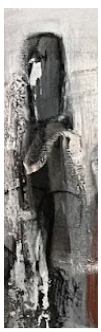 Thomas: The Brave but Doubting Apostle
 Matthew: The Radically Changed Apostle
 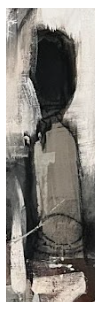 James: The son of Alphaeus
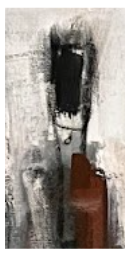 Thaddaeus: The Curious Apostle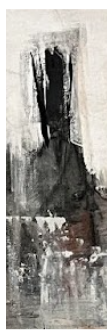
 Judas Iscariot: The Apostle of Betrayal
 Jesus Christ: The Son of God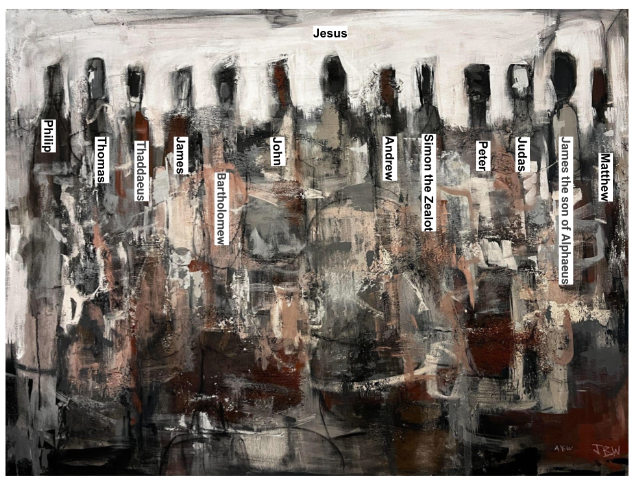

 ToBeLikeJesus