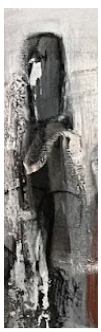
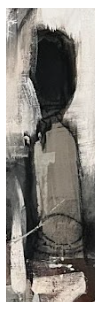
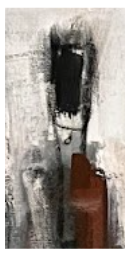
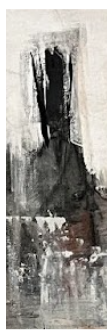
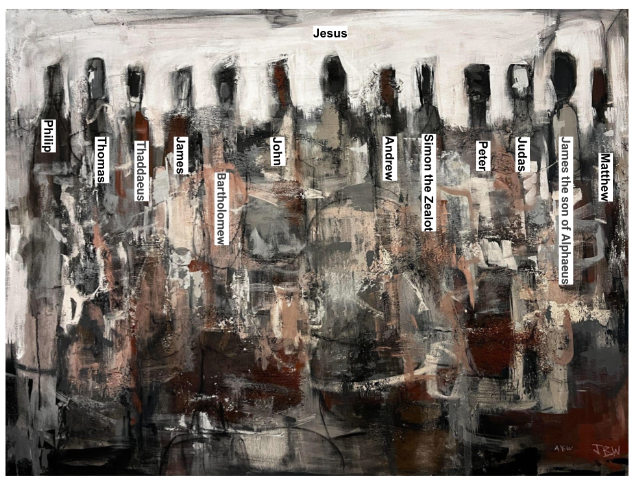
Jesus Christ and His Apostles

A Painting by Jessica and Ava Wood

Rather Listen, Click Here…

Introduction

My daughter-in-law is a gifted artist. We recently toured her in-home studio and there was a particular abstract style I really liked. The characters, although nondescript, exhibit different personalities. The earth tone she used made me reflect on what I would imagine ancient Palestine to be like. Then an idea popped into my head. “Why not commission her to do a painting of Jesus and the Twelve?” I would love the style and study the individual apostle and match them with the actual Biblical character as I reflected on their personalities. So not only did she put her skills to work but our granddaughter, Ava, helped as well! Here’s the wonderful piece of art they painted for me. Now to study and draw out the Master and His twelve Apostles. Here’s a brief description of how I will tackle each character in the painting;

Outline for each character

  1. Short description
  2. Why I chose that particular character in the painting
  3. Longer description
  4. What I admire about the character
  5. Scripture references used

Jesus is at the center of all the disciples but I will save the best for last and why I chose this particular character to represent Him. A list of the Apostles is given in Matthew’s Gospel.

Now the names of the twelve apostles are these: The first, Simon, who is called Peter, and Andrew his brother; and James the son of Zebedee, and John his brother; Philip and Bartholomew; Thomas and Matthew the tax collector; James the son of Alphaeus, and Thaddaeus; Simon the Zealot, and Judas Iscariot, the one who betrayed Him. (Matthew 10:2-4)

We have a lot of information about a few Apostles, a little on a few more and almost none on the rest. I’m going to stick to information found in the Bible and let you research the archives on tradition on your own. I hope you find this interesting and informative as we reflect on the Biblical descriptions of those who literally changed the course of history and use Jessica and Ava’s painting to open the windows of our imagination. 

One last note before we start in earnest; I’m going to use a writing style that will be both understood and enjoyed by my nine year old granddaughter. Ava, I hope you enjoy my description of your painting.

Thank you so much Jessica and Ava!

Simon Peter: The Bold and Impulsive Disciple

Simon Peter was a fisherman by trade, casting his nets into the Sea of Galilee. But when Jesus came into his life, everything changed. Jesus saw something special in Simon and gave him a new name: Peter, which means “rock.” Peter was a mix of boldness and blunders, making him one of the most colorful characters among Jesus’ disciples. I picked this character to show Simon Peter because, if you squint your eyes a little, it seems like his mouth is wide open. Peter was a talkative guy who sometimes got himself into hot water. He’d say things that made people cheer and other times made them scratch their heads.

Peter had moments of great insight and moments when he stumbled. One day, Jesus asked the disciples who they thought He was. Peter boldly declared, “You are the Christ, the Son of the living God.” Jesus commended him for this revelation, saying that it came from God Himself. Peter was like a super hero, standing on the rock of faith.

But then, just moments later, Peter’s impulsiveness got the better of him. When Jesus explained that He would suffer and die, Peter objected, saying, “God forbid it, Lord! This shall never happen to You.” Jesus responded sternly, calling Peter “Satan” because he was not thinking about God’s plan but human concerns.

Peter also witnessed a remarkable event on the Mount of Transfiguration. There, he saw Jesus talking with Moses and Elijah. Excited, Peter suggested building three shelters for them. It’s as if he couldn’t contain his awe and enthusiasm. Peter’s journey was a rollercoaster of faith, doubt, and passion—a reminder that even flawed individuals can play significant roles in God’s story. 

I really like Peter because he was a brave person. Although he made plenty of mistakes, he was not afraid to try new things and follow Jesus. He was willing to lead even if people didn’t understand him. I think this is what Jesus noticed and why He picked Peter to lead the other apostles.

(Matthew 4:18, 10:2, 16:16-23, 17:1-9, Mark 3:16, 8:29-33, 9:1-8, Luke 9:19-36)   

Andrew: The First Follower

Andrew was the brother of Peter. But before he met Jesus, he was already seeking spiritual truth. He had been a disciple of John the Baptist, which shows his hunger for God even before encountering Christ. One day, John pointed at Jesus and declared, “Behold the Lamb of God who takes away the sins of the world.” Andrew and another disciple immediately started following Jesus. He was one of Jesus’ first followers. That’s why I picked the character just to the right of Jesus to represent Andrew.

Andrew wasted no time. He found his brother, Peter, and introduced him to Jesus. Imagine the excitement of following a great teacher! Both Andrew and Peter were fishermen, working together in their family business. They lived in a place called Bethsaida, and their family was tight-knit—they all shared a house, which even included Peter’s mother-in-law.

When Jesus called, Andrew and Peter left everything behind. They dropped their nets and followed Him. Andrew was part of some private discussions with Jesus, like when Jesus explained the end of the world. But he wasn’t as chatty as his brother Peter. After Jesus’ resurrection, Andrew was among those who received the Holy Spirit on Pentecost.

What I admire most about Andrew is that he took Jesus’ initial invitation seriously. Jesus had said, “Follow Me, and I will make you fishers of men.” Andrew lived up to that promise. He was always bringing people to Jesus. 

Andrew’s story reminds us that we don’t need to be perfect to play a significant role in God’s plan. Sometimes, it’s the quiet ones who make the biggest waves. 

(Matthew 4:18; 10:2, Mark 1:16, 29; 3:18; 13:3, Luke 6:14; John 1:40, 44;  6:8-9; 12:22. Act 1:13-2:4)

James: The son of Zebedee

James was also one of the twelve Apostles, which means he was part of a group chosen by Jesus to help spread His teachings. I chose this figure in your painting because he seems to have a strong face. Like someone who is determined to be faithful to Jesus.

James had a brother named John. They were like two peas in a pod! They were both fishermen, just like their dad, Zebedee. One day, Jesus came along and said to James and John, “Follow me!” It was like an exciting adventure. Jesus wanted them to be fishers of men, which meant they would help bring people closer to God. James and John left their fishing nets behind and followed Jesus everywhere.

On one occasion Jesus healed a sick girl. She was the daughter of a man named Jarius. James watched in wonder as Jesus touched her and made her well. It was another miracle! 

James and John were known as the “Sons of Thunder.” Maybe they were called that because they were bold and full of energy! One time they asked Jesus if they could sit next to Him in His kingdom. The other disciples got a little upset because they thought it was very arrogant. Truth be told, they were probably mad because they didn’t ask first.

After Jesus rose from the dead, James saw Him! Can you imagine the joy? James became even bolder. He told everyone about Jesus, even when it was dangerous. Sadly, James was the first Apostle to die for his faith. But he knew that Jesus was worth it.

I like James because he was loyal to Jesus even when it cost him his life. He was committed to his teacher and friend Jesus. 

(Matthew 4:21, 10:2, 17:1, 20:20, 26:37; Mark 1:19-20, 3:17, 5:37, 9:2, 10:35, 41, 13:3, 14:33; Luke 5:10, 6:14, 8:51, 9:28, 54; John 21:2; Acts 1:13,12:2)

John: The Apostle of Love

John was the younger brother of James, another special friend of Jesus. He wrote some important books about Jesus, like the Gospel of John and a few letters called Epistles. John loved to talk about loving God and other people. Because of this, people started calling him the “Apostle of Love.”

I picked the character that stands right next to Jesus. His robe is white, covering his heart. It’s like he’s saying, “I love Jesus with all my heart!”

But how did John become so close to Jesus? Well, it all started when Jesus met John by the Sea of Galilee. John was a fisherman, and Jesus invited him to join His special group of followers. John, along with his brother James, became part of Jesus’ inner circle. They saw amazing things together, like healing miracles and even a special prayer in a garden.

John and James were sometimes called the “Sons of Thunder.” Why? Well, they were a bit like firecrackers—full of energy and passion! John had to learn from Jesus how to love people the way He did. Once, they wanted to bring down fire on a village that didn’t welcome Jesus. He corrected John and told him that He came to save people, not destroy them. Another time, they stopped people from casting out demons in Jesus’ name. Jesus told him, “Don’t do that. If people use my name for good, they can’t be against me.” John made his share of mistakes but Jesus was patient with him and taught him how to love people better.

At a very sad moment, when Jesus was crucified (which means He was killed on a cross), John was there. He stood by Jesus’ side, along with some other women, including Mary, Jesus’ mother. Jesus trusted John so much that He asked him to take care of Mary. Even though Jesus had brothers, John was the one who looked after Jesus’ mom.

I like to remember John as the Apostle who learned to love from Jesus before he was called the Apostle of Love. His courage, love, and commitment to Jesus shine brightly in the pages of the Bible. So, whenever I look at your painting, I see John, and think about love, bravery, and a heart for God and people. 

(Matthew 27:56, Mark 1:19-20, 3:17, 5:37, 9:2; 14:33, John 13:23, 19:26-27, 20:2-8, 20, 21:7, 20, 24; 1 John 1:1-4; Revelation 1:1-2, 9)

Philip: The Friendly Apostle

 Philip was a special person chosen by Jesus to be one of His messengers. I picked the character who is standing at the end, looking friendly with his long hair and a beard like your dad’s.

Jesus walked a long way to find Philip. He already knew some other friends—John, Andrew, and Peter. But Jesus wanted Philip to be His friend too. When Jesus asked Philip to join Him, Philip said yes right away! He was great at making new friends.

Later, Jesus gave Philip and the other friends a special job. They had to go around helping people who were sick or scared. Their message was simple: “God loves you and His kingdom is here!” Philip saw Jesus do amazing things, like making blind people see and even bringing dead people back to life!

One day, there were lots of hungry people listening to Jesus. Jesus turned to Philip and asked, “Where can we get food for all these people?” Jesus already knew what He would do, but He wanted to see how Philip would respond. Philip said, “We don’t have enough money to buy food for everyone. Even if we did, it wouldn’t be enough.” But then Jesus did something incredible. He took a little bit of bread and fish and made it multiply until there was plenty for everyone to eat. He fed 5000 people with just a small amount of food!

As Jesus’ time on earth was ending, some Greek guys came to Philip. They wanted to talk to Jesus, but they weren’t Jewish, so they didn’t know if they could. Philip was kind and helpful. He took them to Jesus, connecting them with the amazing teachings of Jesus.

And that’s why we remember Philip as the friendly guy at the end of the picture—always ready to help and connect people with Jesus! 

(Matthew 10:1-3, Mark 3:18, Luke 6:14, John 1:43-46, 48;  6:5, 7; 12:21-22)

Bartholomew: The Hungry Apostle

Bartholomew was one of Jesus’ special friends. His name means “son of a farmer.” I picked the character who looks like he’s wearing a brown robe, looking a bit like he has dirt on him from working in the fields. Maybe Bartholomew was a farmer, or maybe not—we’re not sure. But let’s explore some stories about him and the other friends of Jesus.

Once, Bartholomew and the others were very hungry. They walked through a field of wheat and picked some to eat. But some people who thought they knew everything about God got upset. They said to Jesus, “Your friends are breaking the rules! They’re not supposed to work on the day of rest!” Jesus stood up for his friends and said, “You don’t really understand God’s rules or how to love people.”

Another time, Bartholomew witnessed a miracle at a wedding. Jesus and his friends were at a party when they ran out of wine. Jesus’ mom asked for his help. At first, Jesus hesitated, but then he decided to do something amazing. He took eight big pots of water and turned them into wine. And guess what? It was the best wine ever! The person in charge of the party was so surprised that they told everyone how special the wine was.

Bartholomew was part of these incredible moments with Jesus. He learned about love, kindness, and miracles. Even though we don’t know much about him, we remember Bartholomew as a friend who walked, ate, and drank wine with Jesus. 

(Matthew 10:3, Mark 3:18, Luke 6:1-19, John 2:1-12, Acts 1:13)

Thomas: The Brave but Doubting Apostle

Thomas was a special friend of Jesus. He followed Jesus everywhere, like a loyal companion. Thomas had two remarkable qualities: he was very brave, and he loved asking questions. I chose the character that looks like he has a white patch over one eye. Maybe it was hard for him to see clearly. Sometimes he felt confident and strong, but other times he worried and wasn’t sure.

One day, Jesus wanted to visit His sick friend Lazarus. But the other friends warned Jesus that it was dangerous because some bad people wanted to hurt Him. Despite the risk, Jesus decided to help Lazarus. Thomas boldly said to the others, “Let’s go with Him. If we die, we die!” He wasn’t afraid at all.

Later, after Jesus died and miraculously came back to life, He appeared to His friends. But Thomas didn’t believe them. He insisted, “Unless I see the marks on His hands and touch them, I won’t believe.” Thomas needed proof. Then, one amazing day, Jesus stood before Thomas. He showed Thomas the scars where He was hurt. Thomas saw that Jesus was truly alive again. It was a moment of wonder and faith.

What’s great about Thomas is that he’s like many of us. Sometimes we’re brave and faithful, just like Thomas when he stood up for Jesus. Other times, we doubt and worry. But in the end, Jesus showed Thomas that He was real and that He loved him—even when he had questions. 

(Matthew 10:3, Mark 3:18, Luke 6:15, John 14:5, 20:24-28, 21:2)

Matthew: The Radically Changed Apostle 

Matthew was one of Jesus’ friends. He used to collect money from people for the bad guys who ruled the land. People did not like him because he took more money than he should. I picked this guy on the far right because he was the last person you would think Jesus would choose. He also had many friends who did bad things. But Jesus loved him and his friends just as much as the other disciples.

One day, Jesus asked Matthew to come with Him. Matthew said yes and left everything behind. He invited Jesus and his friends to his house for dinner. The religious leaders were mad at Jesus for this. They thought they were better than Matthew and his friends. They did not want to be around them. But Jesus told them that He came to help people who needed Him, not people who thought they were perfect. He said, “People who are well do not need a doctor, but people who are sick do; I did not come to invite good people, but bad people.” This reminds us that we should love everyone and tell them about Jesus.

I admire Matthew for his loyalty and for giving up his old life to follow Jesus. He was probably the richest and most comfortable of Jesus’ friends. But he was ready to give it all up for Jesus.

(Matthew 9:9-10, 10:3, Mark 2:14-17, 3:18, Luke 5:27-32, 6:15)

James: The son of Alphaeus

James was one of the twelve friends of Jesus who helped him spread God’s message of love. He was also called James the younger because he was younger than another James who was also Jesus’ friend. He was not the same as Jesus’ brother who also had the same name. I picked the friend who is next to the last one on the right. We don’t know a lot about him and the Bible only talks about him a few times. Sometimes it’s really about his mom who also loved Jesus. Since there is not much to say about him I will tell you some amazing things that he and the other friends saw.

The first thing was when Jesus walked on water. Jesus had just finished telling many people about God and it was getting dark. He told his friends to get in a boat and go to the other side of the lake. But Jesus stayed there to talk to God in his heart. Later that night the friends saw something scary on the water. They thought it was a ghost coming to their boat. But it was actually Jesus walking on the water. He told them not to be afraid and got in the boat with them. They were all so amazed!

Another thing was when a man with a very bad skin problem came to Jesus and asked him to make him better. The friends were all very scared because the skin problem could spread to anyone who touched the man. But do you know what Jesus did? He actually reached out and touched the man and made him better. Jesus was not scared and trusted that God could make him better.

I like James because he got to see some amazing miracles that Jesus did. Can you imagine hanging out with Jesus and seeing some of the things James did?!

(Matthew 10:3, 27:56, Mark 3:18, 15:40, 16:1, Luke 6:15, Acts 1:13)

Thaddaeus:  The Curious Apostle

Thaddaeus, also known as Judas (not the same as Judas Iscariot), was one of Jesus’ close followers and messengers. In your painting I chose this character because he has a unique way of standing next to Jesus—his head is slightly tilted, like he is curious about everything.

Now, let’s explore why Thaddaeus is interesting. When Jesus told stories called “parables,” Thaddaeus was always eager to learn. These parables were like mysterious messages, waiting to be understood. But not everyone got them right away.

Thaddaeus loved asking questions. And guess what? Jesus loved answering them! He said, “To you, my friends, I reveal the mysteries of God’s kingdom. But those who don’t ask questions get stories in riddles.”

So, every time Thaddaeus wondered, “Why did Jesus say that?” or “What does this mean?” Jesus patiently explained. Thaddaeus felt like he was unwrapping precious gifts.

After Jesus came back to life (yes, that’s a whole other adventure!), Thaddaeus and the other disciples had another question. They asked Jesus, “Are you going to make our land better now? Will You get rid of all our enemies?”

Jesus smiled and replied, “My dear friends, it’s not for you to know exactly when things will change. But listen carefully. You’ll receive a special power from God—the Holy Spirit. And you’ll become my messengers, spreading love and good news everywhere—from our hometown to faraway lands.”

So, Thaddaeus was always asking questions and being curious. He became a special messenger of Jesus with his heart full of love for God and people.

Remember, my granddaughter, asking questions is like an amazing key unlocking the best mysteries and secrets. Keep asking lots of questions but keep a simple faith. Maybe you’ll discover some of the secrets of the Kingdom of God too! 

(Matthew 10:2-4; Mark 1:10-12, 3:16-19; Luke 6:14-16; John 14:22, Acts 1:6-8, 13)

Simon the Zealot: The Apostle Who Loved His Enemies

Simon was also a special friend of Jesus and helped spread His teachings. But Simon didn’t agree with the way Jesus treated His enemies. I picked this character because it looks like his hair is sticking straight up like an angry cat. Let’s find out more about him!

Simon belonged to a group called the “Zealots.” They were like under-cover soldiers who fought for what they believed in. They had a strong faith in God and were very patriotic. These Zealots didn’t like the Romans, who ruled their land. They wanted their country to be free and peaceful. 

Simon used to be really angry at the Romans. He thought they were bad and wanted to get rid of them. But then something amazing happened. Jesus came into Simon’s life. Jesus taught everyone about love, kindness, forgiveness, and even love for their enemies. He said, “Love your enemies and pray for those who treat you badly.” This was a big deal because most people didn’t think that way.

One day, some religious leaders tried to trick Jesus. They asked Him, “Should we pay taxes to the Roman Emperor?” Jesus was clever. He asked for a coin and said, “Whose picture is on this coin?” They said, “It’s Caesar’s.” Jesus replied, “Give Caesar what belongs to him, and give God what belongs to God.” It was like saying, “Be a good citizen, but also remember to love God.” That had to blow Simon’s and everyone else in the crowd’s minds.

I like Simon because he listened to Jesus and changed his ways. Instead of hating the Romans, he started loving everyone. He even taught others to do the same. Simon’s devotion turned from anger to love. He became a hero in a different way. Simon the Zealot learned that love is stronger than hate.

(Matthew 5:43-44, 10:4, 22:20-21, Mark 3:18, Luke 6:1, Acts 1:13 )

 Judas Iscariot: The Apostle of Betrayal

Judas Iscariot is a name you might have heard before. He’s famous for something not-so-great: betraying Jesus. But let’s start from the beginning.

Jesus had a special group of followers called the Twelve Apostles. They were like his closest friends and helpers. Judas was one of them. Imagine being part of this special team, traveling with Jesus, and learning from him! Judas was a bit different from the others. He was probably more sophisticated (fancy word for “fancy”) and not from the same place as the rest. But here’s the thing: Judas was pretending. That’s why I chose this character. It looks like he’s wearing a mask. He acted like a good friend of Jesus, but deep down, he had other plans.

One day, Judas made a secret deal with some important religious leaders. He agreed to help them catch Jesus. Can you believe it? The person who followed Jesus, saw his miracles, and listened to his teachings was now going to betray him! The religious leaders gave Judas 30 pieces of silver (that’s like getting paid for doing something bad). Imagine having a bag of shiny coins, but they felt heavy with guilt. Judas led the leaders to Jesus. And how did he do it? With a kiss! Imagine your friend coming up to you and giving you a friendly kiss, but secretly planning something hurtful. That’s what Judas did.

Even when Judas betrayed him, Jesus didn’t get angry. He called Judas “friend.” Jesus loved everyone, even those who hurt him. He showed us how to love our enemies, just like he taught. After the betrayal, Judas felt terrible. He tried to give back the silver coins, but it was too late. He couldn’t undo what he had done. Judas’ story reminds us that actions have consequences. It’s important that we stay true to God, our family, and our friends. And even when someone we think is our friend betrays us, we should follow Jesus’ example of kindness and forgiveness. 

(Matthew 10:4, 26:14-16, 47-50, Mark 3:19, 14:10-11, 45, Luke 22:3, 47-48, John 6:71)

Jesus Christ: The Son of God

I’ve saved the best for last, the Lord Jesus Christ Himself. I chose the character in the middle. He is not only at the center but He appears to be in front of His followers. He is also called the Son of God because God sent Him to earth with a special mission. Let’s explore His story!

God loved us so much that He sent His only Son, Jesus, to Earth. Jesus was born in a miraculous way. And just like you, Jesus grew up as a child, playing and learning.

When Jesus turned 30 years old, He left His job as a carpenter and began traveling through places around Galilee and Judea. His message was exciting: God’s kingdom is near! People were curious. Was Jesus a king? But Jesus was different—he healed the sick, showed kindness, and taught important lessons.

Long before Jesus arrived, God had told special messengers called prophets that a Messiah (a chosen One) would come to save His people. People thought the Messiah would fight against their enemies, the Romans. But Jesus surprised everyone. He said He came to save them from God’s judgment for the wrong things they had done.

Jesus had a group of close friends called the Twelve Apostles. They learned from Him and helped spread the good news about God’s love. These are the men you and mom painted in this wonderful painting.

Sadly, some religious leaders and the Romans didn’t like Jesus’ message. They arrested Him and hung Him on a cross. But here’s the amazing part: God knew this would happen. He wanted Jesus to take the punishment for all our wrongs. Jesus died on that cross to pay the price for our mistakes so we wouldn’t have to. But He didn’t stay dead! In three days He rose from the dead and proved He is King over all creation.

The Bible says, “For God so loved the world, that He gave His only begotten Son, that whoever believes in Him shall not perish, but have eternal life.” This means that if we believe in Jesus and follow Him, we can have eternal life with God.

I love Jesus so much because He took on the punishment I deserved and is a great example for how to live life. I’ve been His follower for over 40 years and although it hasn’t been easy, it has been extremely rewarding. I love telling others about Him.

And that is the story of Jesus and His Twelve Apostles that you and your mom painted. Thank you so much for helping to create this. It hangs in my office so I can look at it everyday. This is to remind Nana and I that we are God’s special messengers of Jesus and His love. I hope one day you will become one too.

(Isaiah 7:14, 9:6-7, Micah 5:2, Matthew 1:18-25, 4:23, 9:35, 21:5, 23:3-4, Mark 6:3, 15:1-47, Luke 1:26-38, 2:1-20, 40, 3:23, 24:1-12,  John 3:16, 12:15, Romans 3:23, 5:8, 6:23, Revelation 17:14, 19:16)

To Beam or Not to Beam – #57

Index for all posts in the Gospel Sync Series

ENGLISH / ESPAÑOL

Welcome Back! Today, we’ll be combining the gospels of Matthew and Luke to hear what Jesus has to say about a proper perspective on helping people with their short-comings.

So let’s dive in.

(Click here to get a copy of the Gospel Sync document) 

Matthew 7:1-6, Luke 6:37-42

“Do not judge, or you will be judged. For with the same judgment you pronounce, you will be judged; and with the measure you use, it will be measured to you. Do not condemn, and you will not be condemned. Forgive, and you will be forgiven.

Give, and it will be given to you. A good measure, pressed down, shaken together, and running over will be poured into your lap. For with the measure you use, it will be measured back to you.”

Jesus also told them a parable: “Can a blind man lead a blind man? Will they not both fall into a pit? A disciple is not above his teacher, but everyone who is fully trained will be like his teacher.

Why do you look at the speck in your brother’s eye, but fail to notice the beam in your own eye? How can you say to your brother, ‘Let me take the speck out of your eye,’ while you still fail to see a beam in your own eye? You hypocrite! First take the beam out of your own eye, and then you will see clearly to remove the speck from your brother’s eye.

Do not give dogs what is holy; do not throw your pearls before swine. If you do, they may trample them under their feet, and then turn and tear you to pieces.

My Thoughts

We are all still a work in progress. As disciple makers, it’s easy to forget what it takes to make any kind of growth in the Christian life. We forget how long it took us to learn some of these things and even become somewhat proficient in the ways of Jesus. This forgetfulness leads to impatience and self-righteousness. As someone recently said, “We try to microwave in others what it took a crockpot to do in us.”

So it’s a good idea to do what Jesus says here and look at the beam in our own eyes first. We need to look in the mirror everyday and acknowledge our own shortcomings and weaknesses. This is a sure fire way to maintain an even keel as we disciple others.

This does not mean we don’t assess and make corrections for those we mentor. Jesus instructs us to take the beam out of our eyes so that we are able to address the speck in our brother’s eye.  The Apostle Paul instructs his young protege; 

Preach the word; be ready in season and out of season; reprove, rebuke, exhort, with great patience and instruction. (2 Timothy 4:2)

It’s all about the attitude of humility and the willingness to make progress in our own journey of becoming like Jesus. Then we can adequately and compassionately lead those entrusted to our care.

One last observation. Jesus defines discipleship by defining a disciple in Luke 6:40;

“A disciple is not above his teacher, but everyone who is fully trained will be like his teacher.”

I have a saying; “The great danger in aiming at anything less is that you actually might hit it.” If our definition of discipleship is anything less than helping people become like Jesus, we have fallen woefully short of His command to make His disciples. Notice too that Jesus points to the process in His definition;  “…who is fully trained will be like his teacher.” Disciples are not prepackaged, they are made. And making takes time, intentionality, and patience. 

My Story

We recently had a gathering for some of the leaders in the network. We prayed, listened to some thoughts a couple of leaders had been pondering, and studied the Bible together. We also did what we call “Iron on Iron” or IOI for short. IOI is an assessment of our walk with Jesus and our ministry to others. When it was Deb and I’s turn and we talked about our challenges, I shared that I was having trouble controlling my thought life. Things like sexual impurity, judgmentalness, negativity, and the list goes on.  I was hesitant to share this struggle. I mean, what would my fellow leaders think about me? (And what are you thinking about me right now? 🙂).

Most people who know me would say I’m a pretty good guy. But if they spent a day in my brain, they would throw up. This is precisely the problem of the Pharisees. And Jesus called them out;

“Woe to you, scribes and Pharisees, hypocrites! For you clean the outside of the cup and of the dish, but inside they are full of robbery and self-indulgence. You blind Pharisee, first clean the inside of the cup and of the dish, so that the outside of it may become clean also. “Woe to you, scribes and Pharisees, hypocrites! For you are like whitewashed tombs which on the outside appear beautiful, but inside they are full of dead men’s bones and all uncleanness. So you, too, outwardly appear righteous to men, but inwardly you are full of hypocrisy and lawlessness. (Matthew 23:25-28)

When I made my confession to my fellow leaders, they were not shocked or ready to jump ship. Nobody voted me off the island and many could identify with the same problem. Sharing our sins and weaknesses with our peers and those we are discipling is not only healthy, it’s essential. It helps people relate to us on a level of reality and gets rid of the “halo effect.” It makes you more approachable as a leader. And most importantly, it helps us stay humble and compassionate toward those we are mentoring. Humble pie is very nourishing when digested properly.

Our Action Plan

Now it’s time for application. Here’s some ideas.

  • Share your sins and weaknesses with those you are discipling on a regular basis. (1 John 1:7)
  • Have a time of confession as a church (James 5:16)
  • Be patient and compassionate with those you are discipling (Galatians 6:1)

As disciple makers it’s crucial to walk in the light with those we are discipling. It not only sets a good example for them, it is a safeguard for us and grounds us in humility.

Juzgar o No Juzgar – #57

¡Bienvenido! Hoy, combinaremos los Evangelios de Mateo y Lucas para escuchar lo que Jesús tiene que decir sobre una perspectiva adecuada para ayudar a las personas con sus defectos.

Así que comencemos.

Mateo 7:1-6, Lucas 6:37-42

“No juzguéis, no sea que seáis juzgados. Porque con el mismo juicio que pronunciéis, seréis juzgados; y con la medida con que midáis, se os medirá. No condenéis, y no seréis condenados. Perdona y serás perdonado.

Dad, y se os dará. Una buena medida, presionada, agitada y rebosante, se derramará en tu regazo. Porque con la medida con que midáis, se os volverá a medir”.

Jesús también les contó una parábola: “¿Puede un ciego guiar a otro ciego? ¿No caerán ambos en un pozo? Un discípulo no está por encima de su maestro, pero todos los que están completamente entrenados serán como su maestro.

¿Por qué miras la paja en el ojo de tu hermano, pero no te das cuenta de la viga en tu propio ojo? ¿Cómo puedes decirle a tu hermano: “Déjame sacarte la paja de tu ojo”, mientras sigues sin ver la viga en tu propio ojo? ¡Hipócrita! Primero saca la viga de tu propio ojo, y entonces verás claramente para quitar la paja del ojo de tu hermano.

No le des a los perros lo que es santo; No arrojes tus perlas delante de los cerdos. Si lo haces, es posible que los pisoteen bajo sus pies, y luego se vuelvan y te hagan pedazos

Mis Pensamientos

Todavía nuestro crecimiento espiritual es un trabajo en progresión. Como hacedores de discípulos, es fácil olvidar lo que se necesita para hacer cualquier tipo de crecimiento en la vida cristiana. Olvidamos cuánto tiempo nos llevó aprender algunas de estas cosas e incluso llegar a ser algo competentes en los caminos de Jesús. Este olvido conduce a la impaciencia y al fariseísmo. Como alguien dijo recientemente: “Tratamos de producir algo en el microondas en otros cuando ese mismo algo necesitó una olla de cocción lenta para producirlo en nosotros”.

Así que es buena idea hacer lo que Jesús dice aquí y mirar la viga con nuestros propios ojos primero. Necesitamos mirarnos en el espejo todos los días y reconocer nuestros propios defectos y debilidades. Esta es una forma segura de mantener una mira equilibrada mientras discipulamos a los demás.

Esto no significa que no evaluemos y hagamos correcciones para aquellos a quienes asesoramos. Jesús nos instruye a quitar la viga de nuestros ojos primero para que podamos hablar de la paja en el ojo de nuestro hermano.  El Apostol Pablo instruye a su joven protegido; 

Que prediques la palabra; que instes a tiempo y fuera de tiempo; redarguye, reprende, exhorta con toda paciencia y doctrina.(2 Timoteo 4:2).

Se trata de la actitud de humildad y la voluntad de progresar en nuestro propio recorrido para llegar a ser como Jesús. Entonces podremos guiar adecuada y compasivamente a aquellos que están confiados a nuestro cuidado.

Una última observación. Jesús define el discipulado mientras define a un discípulo en Lucas 6:40;

“El discípulo no es superior a su maestro; mas todo el que fuere perfeccionado, será como su maestro.”.

Tengo un dicho; “El gran peligro de apuntar a algo menos es que actualmente le darías al blanco”. Si nuestra definición de discipulado es algo menos que ayudar a las personas a llegar a ser como Jesús, nos hemos quedado lamentablemente cortos en Su mandamiento de hacer Sus discípulos. Nótese también que Jesús señala el proceso en Su definición;  “… el que está completamente entrenado será como su maestro”. Los discípulos no están preempaquetados, ellos son hechos. Y hacerlo requiere tiempo, intencionalidad y paciencia. 

Mi Historia

Recientemente tuvimos una reunión de algunos de los líderes de la red. Oramos, escuchamos algunas ideas en que un par de líderes habían estado meditando y estudiamos la Biblia juntos. También hicimos lo que llamamos Hierro en Hierro (“Iron on Iron” ) ó IOI para abreviar. IOI es una evaluación de nuestro caminar con Jesús y nuestro ministerio a los demás. Cuando fue el turno de Deb y yo y hablamos sobre nuestros desafíos, compartí que tenía problemas para controlar mi vida mental. Cosas como la impureza sexual, el juicio, la negatividad, y la lista continúa.  Dudaba en compartir esta lucha. Quiero decir, ¿qué pensarían mis compañeros líderes de mí? (¿Y qué estás pensando de mí en este momento? 🙂 ).

La mayoría de la gente que me conoce diría que soy un buen tipo. Pero si entraran un día en mi cerebro, vomitarían. Este es precisamente el problema de los fariseos. Y Jesús los llamó;

¡Ay de vosotros, escribas y fariseos, hipócritas! porque limpiáis lo de fuera del vaso y del plato, pero por dentro estáis llenos de robo y de injusticia.  ¡Fariseo ciego! Limpia primero lo de dentro del vaso y del plato, para que también lo de fuera sea limpio. ¡Ay de vosotros, escribas y fariseos, hipócritas! porque sois semejantes a sepulcros blanqueados, que por fuera, a la verdad, se muestran hermosos, mas por dentro están llenos de huesos de muertos y de toda inmundicia.  Así también vosotros por fuera, a la verdad, os mostráis justos a los hombres, pero por dentro estáis llenos de hipocresía e iniquidad. (Mateo 23:25-28).

Cuando hice mi confesión a mis compañeros líderes, no estaban conmocionados ni listos para abandonar la barca. Nadie votó para que me fuera de la isla y muchos podrían identificarse con el mismo problema. Compartir nuestros pecados y debilidades con nuestros compañeros y con aquellos a quienes estamos discipulando no solo es saludable, sino que es esencial. Ayuda a las personas a relacionarse con nosotros en un nivel real y se deshace del “efecto del halo”. Te hace más accesible como líder. Y lo que es más importante, nos ayuda a mantenernos humildes y compasivos con aquellos a quienes asesoramos. El pastel humilde es muy nutritivo cuando se digiere correctamente.

Nuestro Plan de Acción

Ahora es el momento de la aplicación. Aquí tienes algunas ideas.

–       Comparte tus pecados y debilidades con aquellos a quienes estás discipulando regularmente     

      (1 Juan 1:7)           

–       Tener un tiempo de confesión como iglesia (Santiago 5:16)

–       Sé paciente y compasivo con aquellos a quienes estás discipulando (Gálatas 6:1)

 Como hacedores de discípulos, es crucial caminar en la luz con aquellos a quienes estamos discipulando. No solo es un buen ejemplo para ellos, sino que es una salvaguarda para nosotros y nos fundamenta en la humildad.

The Treasure Test -#56

Index for all posts in the Gospel Sync Series

ENGLISH / ESPAÑOL

Welcome Back! Today, we’ll be combining the Gospels of Matthew and Luke to discover what Jesus says about our treasures. 

So let’s dive in.

(Click here to get a copy of the Gospel Sync document) 

Matthew 6:19-34, Luke 12:22-34

Do not store up for yourselves treasures on earth, where moth and rust destroy, and where thieves break in and steal. But store up for yourselves treasures in heaven, where moth and rust do not destroy, and where thieves do not break in and steal. For where your treasure is, there your heart will be also. The eye is the lamp of the body. If your eyes are good, your whole body will be full of light. But if your eyes are bad, your whole body will be full of darkness. If then the light within you is darkness, how great is that darkness! No one can serve two masters: Either he will hate the one and love the other, or he will be devoted to the one and despise the other. You cannot serve both God and money.

Then Jesus said to His disciples, “Therefore I tell you, do not worry about your life, what you will eat, or about your body, what you will wear.  Is not life more than food, and the body more than clothes?

Look at the birds of the air, consider the ravens: They do not sow or reap or gather into barns. They have no storehouse —and yet God, your heavenly Father feeds them. Are you not much more valuable than they? How much more valuable you are than the birds! Who of you by worrying can add a single hour to his life? So if you cannot do such a small thing, why do you worry about the rest?

And why do you worry about clothes? 

Consider how the lilies of the field grow: They do not labor or spin. Yet I tell you that not even Solomon in all his glory was adorned like one of these. If that is how God clothes the grass of the field, which is here today and tomorrow is thrown into the furnace, how will He not much more clothe you, O you of little faith?

Therefore do not worry or be concerned, saying, ‘What shall we eat?’ or ‘What shall we drink?’ or ‘What shall we wear?’ Do not worry about it. For the Gentiles of the world strive after all these things, and your heavenly Father knows that you need them. But seek first the kingdom of God and His righteousness, and all these things will be added unto you. Therefore do not worry about tomorrow, for tomorrow will worry about itself. Today has enough trouble of its own. Do not be afraid, little flock, for your Father is pleased to give you the kingdom. Sell your possessions and give to the poor. Provide yourselves with purses that will not wear out, an inexhaustible treasure in heaven, where no thief approaches and no moth destroys. For where your treasure is, there your heart will be also.

My Thoughts

As you make disciples, are you wondering where their treasure is? Jesus is. He makes it clear that there is a distinct difference between His followers and those who have bought into the world’s ways of living. The King has set different standards for us. He says have an eternal perspective. Make investments in the kingdom that will last. Don’t worry about the superficial stuff of life like food and clothing. What!? Don’t worry about food and clothing!? But these are essentials!? And your Father in heaven knows that and that’s why Jesus is so sure He will provide for His children. 

Now your mind may have immediately jumped to some hypothetical situations where some believer starved to death or froze because of inadequate clothing. I don’t know of any personally but before we do that let’s tackle a more prevalent and serious problem. In our culture we don’t worry about getting enough food. We worry about what kind of food we are going to get. We don’t worry about being clothed. We worry about what people will think about the kind of clothes we are wearing. Can you see the absolute disparity between what Jesus is saying and what our culture says (even in most Christian circles). It is, when you take a second to think about it, ridiculous.

Jesus is exhorting us to “play the long game.” The concept is fairly straightforward: Playing the long game means paying a small price today to see great dividends in the future. Jesus is putting things into perspective for us. A 70-80 year life span sounds like a long time but is not even a blip on the radar screen in light of eternity. Jesus is challenging us to invest wisely.

This mind set of storing up treasures in heaven doesn’t come easy. From birth, every fiber in our being is screaming for immediate gratification. As we mature we realize we can get the best by postponing the good. But most people never arrive at investing beyond this lifetime where the real payoff is. 

This is where the heart has to be transformed. Jesus says the heart will certainly follow the treasure. If our treasures are worldly, that’s where our hearts will be. If our treasure is heavenly, that’s where our hearts will be. As disciple makers, we are in the OR assisting the heart surgeons as they are cutting away that which is temporal and they are transplanting that which is eternal. 

So how do we assist in this surgery? By helping people hear from God through His Word and the Holy Spirit. This is the only way to change the treasure of the heart. The Word and the Spirit are experts with the spiritual scalpel;

For the word of God is living and active, sharper than any two-edged sword, piercing to the division of soul and of spirit, of joints and of marrow, and discerning the thoughts and intentions of the heart. (Hebrews 4:12)

Moreover, I will give you a new heart and put a new spirit within you; and I will remove the heart of stone from your flesh and give you a heart of flesh. I will put My Spirit within you and cause you to walk in My statutes, and you will be careful to observe My ordinances. (Ezekiel 36:26-27)

My Story

A close friend of mine recently called to ask for advice. He had been given the task to make job assignments for himself and the team. All was going swimmingly until he discovered one of the team members wanted the exact same job he wanted. Now he was in a dilemma. Should he look out for his own desires and career first or sacrifice his desires for that of his teammate. 

As we talked, we both had the right answer in the back of our minds. We had both been following Jesus for quite some time. We were both steeped in the Scriptures. And we both want to seek Jesus and His kingdom first. But there was a hesitation to do what we knew was the kingdom thing to do. Store up treasures in heaven.

I hemmed and hawed because I wanted what was best for my friend. And he really wanted that job. I jokingly said, “You can flip a coin.” I knew as soon as I said it, it was a stupid idea. That night I couldn’t sleep. I tossed and turned with my buddy’s dilemma rolling around in my head. I want what is best for my friend. “So what is best for my friend?” I asked myself. Then Jesus’ words popped into my head;

Give, and it will be given to you. They will pour into your lap a good measure—pressed down, shaken together, and running over. For by your standard of measure it will be measured to you in return.” (Luke 6:38)

That was the treasure! What God could give! I texted him that morning but he had already made his decision. The words of Jesus had spoken to him too. He gave the job to his teammate and stored up for himself treasures in heaven.

Our Action Plan

Where does the rubber meet the road on this one for us as disciple makers? Here’s some ideas;

  • Take the “Treasure Test” ourselves. Are there any other treasures coming between us and God?
  • Listen carefully to those you are discipling. Where is their treasure?
  • Develop a Bible study and prayer plan that will address any lesser treasures you discover.

Although we are not the heart surgeons as disciple makers, we are called to assist. We point to Jesus and His words. We point to the whole of Scripture. And we point to the guidance of the Holy Spirit to replace the heart of stone with a heart of flesh where the true treasure resides.

La Prueba del Tesoro

¡Bienvenido! Hoy, combinaremos los Evangelios de Mateo y Lucas para descubrir lo que Jesús dice sobre nuestros tesoros.

Así que comencemos.

Mateo 6:19-34, Lucas 12:22-34

No os acumuléis tesoros en la tierra, donde la polilla y el orín destruyen, y donde ladrones minan y hurtan. Haceos tesoros en el cielo, donde la polilla y el orín no destruyen, y donde los ladrones no minan ni hurtan. Porque donde esté tu tesoro, allí estará también tu corazón. El ojo es la lámpara del cuerpo. Si tus ojos son buenos, todo tu cuerpo estará lleno de luz. Pero si tus ojos están mal, todo tu cuerpo estará lleno de tinieblas. Si, pues, la luz que hay en ti es tinieblas, ¡cuán grandes son esas tinieblas! Nadie puede servir a dos señores: o odiará a uno y amará al otro, o se dedicará a uno y despreciará al otro. No se puede servir a Dios y al dinero a la vez.

Entonces Jesús dijo a sus discípulos: “Por eso os digo: No os preocupéis por vuestra vida, qué comeréis, ni por vuestro cuerpo, qué vestiréis.  ¿No es la vida más que el alimento, y el cuerpo más que el vestido?

Mira a las aves del cielo, mira a los cuervos: no siembran, ni siegan, ni recogen en graneros. No tienen alfolí, y aun así Dios, su Padre celestial, los alimenta. ¿No eres tú mucho más valioso que ellos? ¡Cuánto más valioso eres tú que los pájaros! ¿Quién de vosotros, preocupándose, puede añadir una sola hora a su vida? Entonces, si no puedes hacer una cosa tan pequeña, ¿por qué te preocupas por el resto?

¿Y por qué te preocupas por la ropa?

Considere cómo crecen los lirios del campo: No trabajan ni hilan. Sin embargo, os digo que ni siquiera Salomón en toda su gloria fue adornado como uno de ellos. Si así viste Dios la hierba del campo, que hoy está aquí y mañana es echada en el horno, ¿cómo no os vestirá mucho más a vosotros, hombres de poca fe?

Por tanto, no os preocupéis ni os preocupéis, diciendo: “¿Qué comeremos?”, “¿Qué beberemos?” o “¿Qué vestiremos?” No te preocupes por eso. Porque los gentiles del mundo se esfuerzan por todas estas cosas, y vuestro Padre celestial sabe que las necesitáis. Mas buscad primeramente el reino de Dios y su justicia, y todas estas cosas os serán añadidas. Por lo tanto, no te preocupes por el mañana, porque el mañana se preocupará por sí mismo. Hoy ya tiene suficientes problemas propios. No temáis, pequeño rebaño, porque vuestro Padre se complace en daros el reino. Vende tus posesiones y dáselas a los pobres. Provéanse de bolsas que no se desgasten, un tesoro inagotable en el cielo, donde no se acerque el ladrón ni la polilla destruya. Porque donde esté tu tesoro, allí estará también tu corazón.

Mis Pensamientos

Al hacer discípulos, ¿te preguntas dónde está su tesoro? Jesús lo hace. Él deja claro que hay una clara diferencia entre Sus seguidores y aquellos que han comprado las formas de vida del mundo. El Rey ha establecido diferentes estándares para nosotros. Dice en paráfrasis que “ tengan una perspectiva eterna. Haz inversiones en el reino que perduren. No te preocupes por las cosas superficiales de la vida, como la comida y la ropa.” ¿¡Qué!? ¿¡No te preocupes por la comida y la ropa!? ¿¡Pero estos son esenciales!? Y su Padre Celestial lo sabe, y es por eso que Jesús está tan seguro de que proveerá para Sus hijos.

Ahora bien, es posible que tu mente haya saltado inmediatamente a algunas situaciones hipotéticas en las que algún creyente murió de hambre o se congeló debido a la ropa inadecuada. No conozco ninguno personalmente, pero antes de hacerlo, abordemos un problema más prevalente y grave. En nuestra cultura no nos preocupamos por conseguir suficiente comida. Nos preocupamos por el tipo de comida que vamos a conseguir. No nos preocupamos por estar vestidos. Nos preocupa lo que la gente pensará sobre el tipo de ropa que llevamos puesta. ¿Puedes ver la disparidad absoluta entre lo que Jesús está diciendo y lo que dice nuestra cultura (incluso en la mayoría de los círculos cristianos)? Es así, cuando te tomas un segundo para pensarlo, y ves que es ridículo.

Jesús nos está exhortando a “jugar a largo plazo”. El concepto es bastante sencillo: jugar a largo plazo significa pagar un pequeño precio hoy para ver grandes dividendos en el futuro. Jesús está poniendo las cosas en perspectiva para nosotros. Una esperanza de vida de 70-80 años parece mucho tiempo, pero ni siquiera es un parpadeo en la pantalla del radar a la luz de la eternidad. Jesús nos está desafiando a invertir sabiamente.

Esta mentalidad de acumular tesoros en el cielo no es fácil. Desde que nacemos, cada fibra de nuestro ser está pidiendo a gritos una gratificación inmediata. A medida que maduramos, nos damos cuenta de que podemos obtener lo mejor posponiendo lo bueno. Pero la mayoría de las personas nunca llegan a invertir más allá de esta vida, donde está la verdadera recompensa.

Aquí es donde el corazón tiene que ser transformado. Jesús dice que el corazón ciertamente seguirá al tesoro. Si nuestros tesoros son mundanos, ahí es donde estarán nuestros corazones. Si nuestro tesoro es celestial, ahí es donde estarán nuestros corazones. Como hacedores de discípulos, estamos en el quirófano ayudando a los cirujanos del corazón mientras cortan lo que es temporal y trasplantar lo que es eterno.

Entonces, ¿cómo asistimos a esta cirugía? Ayudando a las personas a escuchar de Dios a través de Su Palabra y el Espíritu Santo. Esta es la única manera de cambiar el tesoro del corazón. La Palabra y el Espíritu son expertos con el bisturí espiritual;

Porque la palabra de Dios es viva y eficaz, y más cortante que toda espada de dos filos; y penetra hasta partir el alma y el espíritu, las coyunturas y los tuétanos, y discierne los pensamientos y las intenciones del corazón.(Hebreos 4:12.)

Os daré corazón nuevo, y pondré espíritu nuevo dentro de vosotros; y quitaré de vuestra carne el corazón de piedra, y os daré un corazón de carne. Y pondré dentro de vosotros mi Espíritu, y haré que andéis en mis estatutos, y guardéis mis preceptos, y los pongáis por obra.(Ezequiel 36:26-27).

Mi Historia

Un amigo cercano me llamó recientemente para pedir consejo. Se le había dado la tarea de hacer asignaciones de trabajo para él y el equipo. Todo iba viento en popa hasta que descubrió que uno de los miembros del equipo quería exactamente el mismo trabajo que él. Ahora se encontraba en un dilema. ¿Debería velar primero por sus propios deseos y su carrera o sacrificar sus deseos por los de su compañero de equipo?

Mientras hablábamos, ambos teníamos la respuesta correcta en el fondo de nuestras mentes. Los dos habíamos estado siguiendo a Jesús durante bastante tiempo. Los dos estábamos empapados de las Escrituras. Y ambos queremos buscar a Jesús y Su reino primero. Pero había una vacilación para hacer lo que sabíamos que era lo que había que hacer en el Reino. Acumula tesoros en el cielo.

Hablé y paré y seguí hablando porque quería lo mejor para mi amigo. Y él realmente quería ese trabajo. Le dije en broma: “Puedes lanzar una moneda al aire”. Supe tan pronto como lo dije, que era una idea estúpida. Esa noche no pude dormir. Di vueltas y vueltas con el dilema de mi amigo dando vueltas en mi cabeza. Quiero lo mejor para mi amigo. “Entonces, ¿qué es lo mejor para mi amigo?” Me pregunté. Entonces las palabras de Jesús aparecieron en mi cabeza;

Dad, y se os dará; medida buena, apretada, remecida y rebosando darán en vuestro regazo; porque con la misma medida con que medís, os volverán a medir.(Lucas 6:38.)

¡Ese era el tesoro! ¡Lo que Dios podía dar! Le envié un mensaje de texto esa mañana, pero ya había tomado su decisión. Las palabras de Jesús también le habían hablado a él. Le dio el trabajo a su compañero de equipo y acumuló para sí mismo tesoros en el cielo.

Nuestro Plan de Acción

¿Dónde encontrar el lugar donde verdaderamente seremos definidos como hacedores de discípulos? Aquí hay algunas ideas;

  • Realicen la “Prueba del Tesoro” entre ustedes mismos. ¿Hay otros tesoros que se interponen entre nosotros y Dios?
  • Escuchen atentamente a aquellos a quienes estás discipulando. ¿Dónde están sus tesoros?
  • Desarrollen un estudio bíblico y un plan de oración que aborde cualquier tesoro menor que descubra.

Aunque como hacedores de discípulos no somos cirujanos del corazón, estamos llamados a ayudar. Les señalamos a Jesús y Sus palabras. Les señalamos toda la Escritura. Y les señalamos la guía del Espíritu Santo para que reemplace el corazón de piedra con un corazón de carne donde reside el verdadero tesoro.

The Secret Dilemma – #55

Index for all posts in the Gospel Sync Series

ENGLISH / ESPAÑOL

Welcome Back! Today, we’ll be combining the Gospels of Matthew and Luke to discover the tension between practicing the spiritual disciplines in secret and modeling them for those you are discipling.

So let’s dive in.

(Click here to get a copy of the Gospel Sync document) 

Matthew 6:1-18, Luke 11:1-4

“Be careful not to perform your righteous acts before men to be seen by them. If you do, you will have no reward from your Father in heaven. So when you give to the needy, do not sound a trumpet before you, as the hypocrites do in the synagogues and on the streets, to be honored by men. Truly I tell you, they already have their full reward. But when you give to the needy, do not let your left hand know what your right hand is doing, so that your giving may be in secret. And your Father, who sees what is done in secret, will reward you.

One day in a place where Jesus had just finished praying, one of His disciples requested, “Lord, teach us to pray, just as John taught his disciples.” Jesus said, “When you pray, do not be like the hypocrites. For they love to pray standing in the synagogues and on the street corners to be seen by men. Truly I tell you, they already have their full reward. But when you pray, go into your inner room, shut your door, and pray to your Father, who is unseen. And your Father, who sees what is done in secret, will reward you. And when you pray, do not babble on like pagans, for they think that by their many words they will be heard. Do not be like them, for your Father knows what you need before you ask Him. So then, Jesus told them, when you pray, this is how you should pray: Say, ‘Our Father in heaven, hallowed be Your name. Your kingdom come, Your will be done, on earth as it is in heaven. Give us this day our daily bread. And forgive us our sins and our debts, as we also have forgiven our debtors and everyone who sins against us. And lead us not into temptation, but deliver us from the evil one.’ For if you forgive men their trespasses, your heavenly Father will also forgive you. But if you do not forgive men their trespasses, neither will your Father forgive yours. 

When you fast, do not be somber like the hypocrites, for they disfigure their faces to show men they are fasting. Truly I tell you, they already have their full reward. But when you fast, anoint your head and wash your face,  so that your fasting will not be obvious to men, but only to your Father, who is unseen. And your Father, who sees what is done in secret, will reward you.

My Thoughts 

As Jesus teaches us about giving, prayer, and fasting, He presents us with a dilemma. How do I model these spiritual disciplines for those I’m discipling if I can only do them in secret? This is where the difference between principle and form come into play. We have the form or method of these three disciplines presented to us as being done in secret and yet Jesus’ 12 apostles probably saw Him doing all three. We know that the 12 knew that Jesus did all three (prayer giving, and fasting) because they recorded them for us in Scripture.

Giving to the Poor 

For some were supposing, because Judas had the money box, that Jesus was saying to him, “Buy the things we have need of for the feast”; or else, that he should give something to the poor. (John 13:29)

Prayer

Jesus spoke these things; and lifting up His eyes to heaven, He said, “Father, the hour has come; glorify Your Son, that the Son may glorify You… (John 17)

Fasting

Then Jesus was led up by the Spirit into the wilderness to be tempted by the devil. And after He had fasted forty days and forty nights, He then became hungry. (Matthew 4:1-2)

Now that’s not very secret! But what was Jesus really trying to get after in the Sermon on the Mount with His admonitions to practice these disciplines in secret. Was He saying “Never ever, and I mean never ever let anyone see you doing these things?” If we really thought so, we’d be in sin every time we practiced corporate giving, prayer, and fasting (and a whole lot of other spiritual disciplines). And Jesus Himself did not do these three in secret every time either.  I’m pretty sure He was not focusing on the form or method. He was pointing to a deeper principle: Don’t be showing off with how spiritual you are. This was the fundamental problem with the religious leaders of the day. It was all a show.

“Woe to you, scribes and Pharisees, hypocrites! For you are like whitewashed tombs which on the outside appear beautiful, but inside they are full of dead men’s bones and all uncleanness. So you, too, outwardly appear righteous to men, but inwardly you are full of hypocrisy and lawlessness.” (Matthew 23:27-28)

So Jesus exhorts us to practice spiritual disciplines in private to avoid showing off in front of others and we certainly need to heed this warning. But it doesn’t mean we can’t ever practice spirituality in front of people. And one very good reason to allow people to see what we are doing to relate to God is to model this in front of the people we are mentoring.

Much of this has to do with the heart. Why am I practicing these disciplines in the presence of others? Am I showing off? Do I do most of my spiritual disciplines “under the radar” or just in the presence of others? Is the quality and quantity the same or even more in private or do I amp it up to impress the crowd? Am I the same person in private as I am in public? Am I hiding the dark inside stuff with the shiny hypocritical outside stuff?

So my take on what Jesus is saying is, Do most of your spiritual disciplines in secret. Don’t use your spirituality to impress people. Save your expressions of great devotion for the One who is the Great Rewarder. But by all means, set an example by modeling for those you are discipling.

My Story

Full disclosure. There’s something inside me that wants people to know how “spiritual” I am. I like to say, “The difference between a good Pharisee and a bad one is that the good one knows he’s bad.” So I’m not saying I’m without the temptation of showing off. I have to resist this temptation with the best of them. But I do want to model the spiritual disciplines for those I’m mentoring. And now you know why I’m so interested in this paradox. 🙂 

One of the ways I’ve tackled the “demonstration without the veneration” problem is to make sure that what I do in public is exactly what I do in private. I don’t need to declare my spirituality. I don’t need to hype my practices. I don’t even need to make amped up efforts to follow Jesus in front of people. WYSIWYG – What you see is what you get. 

Secondly, If you have people hanging out with you enough, they are going to see how you relate to Jesus in a very natural, everyday, consistent manner. Recently, Merari, one of the gals in our church, asked about my Scripture memory technique. I quote the passage I’m memorizing into a recording app on my phone and then check and see how well I did at quoting it. I do this day in and day out and at the same time in the privacy of my home. But since she is in our home so much, she caught me in one of my disciplines. The point is that if you have people around you enough, they’re going to eventually see your lifestyle, including your time with God. This is one sure fire way to model the disciplines.

Finally, if we are going to obey the Great Commission and make disciples the way Jesus did, modeling is a big part of the process. We are going to have to “show people” and not just “tell people” how to practice spiritual disciplines. We need to intentionally show people what we do in our relationship with God. Just a couple of weeks ago, Deb and I modeled for a group of Army medics how to spend daily time with Jesus by actually “showing” them how we did ours. The modeling is indispensable! How many times have people been told to read their Bible and pray everyday only to fail miserably because they didn’t know what to do? I’m happy to report that all four medics finished the Gospel of Mark and are pressing on to other books of the Bible.

Our Action Plan

Now we’ll look at some ideas on how to maintain the tension between secrecy and modeling. 

  • Do an honest assessment of your heart. How and why are you practicing spiritual disciplines in front of people?
  • Are the people you’re discipling practicing spiritual disciplines in a transformative manner? If not, you may need to do more modeling. 
  • Are the men and women you’re discipling struggling with showing off, are they afraid to model, or are they managing the tension between secrecy and modeling well. 

As disciple makers we are constantly assessing the heart and actions. The character behind the spiritual disciplines is just as important as doing them. And it’s just as important to model them for effective discipleship.

Index for all posts in the Gospel Sync Series

El Dilema Secreto – #55

¡Bienvenido! Hoy, combinaremos los Evangelios de Mateo y Lucas para descubrir la tensión entre practicar las disciplinas espirituales en secreto y modelarlas para aquellos a quienes estás discipulando.

Así que comencemos.

Mateo 6:1-18, Lucas 11:1-4

“Ten cuidado de no realizar tus actos justos delante de los hombres para ser vistos por ellos. Si lo hacéis, no tendréis recompensa de vuestro Padre que está en los cielos. Así que, cuando des a los necesitados, no toques la trompeta delante de ti, como hacen los hipócritas en las sinagogas y en las calles, para ser honrados por los hombres. En verdad os digo que ya tienen toda su recompensa. Pero cuando des a los necesitados, no sepa tu mano izquierda lo que hace tu derecha, para que tu ofrenda sea en secreto. Y tu Padre, que ve lo que se hace en secreto, te recompensará.

Un día, en un lugar donde Jesús acababa de terminar de orar, uno de sus discípulos le pidió: “Señor, enséñanos a orar, así como Juan enseñó a sus discípulos”. Jesús dijo: “Cuando oren, no sean como los hipócritas. Porque les encanta orar de pie en las sinagogas y en las esquinas de las calles para ser vistos por los hombres. En verdad os digo que ya tienen toda su recompensa. Pero cuando ores, entra en tu aposento, cierra la puerta y ora a tu Padre, que está en lo invisible. Y tu Padre, que ve lo que se hace en secreto, te recompensará. Y cuando oréis, no parloteéis como los paganos, porque piensan que con sus muchas palabras serán escuchados. No seáis como ellos, porque vuestro Padre sabe lo que necesitáis antes de que se lo pidáis. Entonces, Jesús les dijo: “Cuando oren, así es como deben orar: ‘Padre nuestro que estás en los cielos, santificado sea tu nombre. Venga tu reino, hágase tu voluntad, así en la tierra como en el cielo. Danos hoy nuestro pan de cada día. Y perdónanos nuestros pecados y nuestras deudas, como también nosotros hemos perdonado a nuestros deudores y a todos los que pecan contra nosotros. Y no nos dejes caer en tentación, sino líbranos del maligno”. Porque si perdonáis a los hombres sus ofensas, también vuestro Padre celestial os perdonará a vosotros. Pero si no perdonáis a los hombres sus ofensas, tampoco vuestro Padre perdonará las vuestras.

Cuando ayunes, no te muestres sombrío como los hipócritas, porque ellos desfiguran sus rostros para mostrar a los hombres que están ayunando. En verdad os digo que ya tienen toda su recompensa. Pero cuando ayunes, unge tu cabeza y lávate la cara, para que tu ayuno no sea evidente a los hombres, sino solo a tu Padre, que está oculto. Y tu Padre, que ve lo que se hace en secreto, te recompensará.

Mis Pensamientos

A medida que Jesús nos enseña a cómo dar a otros, la oración y el ayuno, nos presentan un dilema. ¿Cómo puedo modelar estas disciplinas espirituales para aquellos a quienes estoy discipulando si solo puedo hacerlas en secreto? Aquí es donde entra en juego la diferencia entre principio y forma. Tenemos la forma o el método de estas tres disciplinas que se nos presentan como si se hicieran en secreto y, sin embargo, los 12 apóstoles de Jesús probablemente lo vieron haciendo las tres. Sabemos que los 12 sabían que Jesús hizo las tres cosas (orar, dar y ayunar) porque las registraron para nosotros en las Escrituras.

Dar a los pobres

Como Judas era el encargado del dinero, algunos pensaron que Jesús le estaba diciendo que comprara lo necesario para la fiesta o que diera algo a los pobres. (John 13:29)

La Oración

Después de que Jesús dijo esto, dirigió la mirada al cielo y oró así: Padre, ha llegado la hora. Glorifica a tu Hijo, para que tu Hijo te glorifique a ti, (John 17:1)

El Ayuno

Luego el Espíritu llevó a Jesús al desierto para ser tentado por el diablo. Después de ayunar cuarenta días y cuarenta noches, tuvo hambre.(Mateo 4:1-2)

¡Ahora, esto no es muy secreto! Pero ¿qué es lo que Jesús realmente estaba tratando de conseguir en el Sermón del Monte con sus advertencias de practicar estas disciplinas en secreto? ¿Él estaba diciendo: “Quiero decirles que nunca jamás, dejen que nadie los vea haciendo estas cosas?” Si realmente pensáramos así, estaríamos en pecado cada vez que practicamos la ofrenda corporativa, la oración y el ayuno (y muchas otras disciplinas espirituales)? Y Jesús mismo no hizo estas tres cosas en secreto cada vez.  Estoy bastante seguro de que no se estaba enfocando en la forma o el método. Él estaba señalando un principio más profundo: No te jactes de lo espiritual que eres. Este era el problema fundamental de los líderes religiosos de esa época. Para ellos todo era un espectáculo.

“¡Ay de ustedes, maestros de la Ley y fariseos, hipócritas!, que son como sepulcros blanqueados. Por fuera lucen hermosos, pero por dentro están llenos de huesos de muertos y de impurezas.  Así también ustedes, por fuera dan la impresión de ser justos, pero por dentro están llenos de hipocresía y de maldad.” (Matthew 23:27-28)

Por lo tanto, Jesús nos exhorta a practicar disciplinas espirituales en privado para evitar presumir frente a los demás y ciertamente debemos prestar atención a esta advertencia. Pero eso no significa que no podamos practicar la espiritualidad frente a la gente. Y una muy buena razón para permitir que las personas vean lo que estamos haciendo para relacionarnos con Dios es por modelar esto frente a las personas a las que estamos discipulando.

Mucho de esto tiene que ver con las actitudes del corazón. ¿Por qué estoy practicando estas disciplinas en presencia de otros? ¿Estoy presumiendo? ¿Hago la mayoría de mis disciplinas espirituales “bajo el radar” o simplemente en presencia de otros? ¿La calidad y la cantidad son las mismas o incluso más en privado o lo amplío para impresionar a la multitud? ¿Soy la misma persona en privado que en público? ¿Estoy ocultando las cosas oscuras del interior con las brillantes e hipócritas cosas del exterior?

Así que mi opinión sobre lo que Jesús está diciendo es: Practica la mayoría de tus disciplinas espirituales en secreto. No uses tu espiritualidad para impresionar a la gente. Guarda tus expresiones de gran devoción para Aquel que es el Gran Recompensador. Pero por supuesto, da el ejemplo modelando para aquellos a quienes tutoras.

Mi Historia

Divulgación completa: Hay algo dentro de mí que quiere que la gente sepa lo “espiritual” que soy. A mí me gusta decir: “La diferencia entre un buen fariseo y alguien malo es que el bueno sabe que es malo”. Así que no digo que no tenga la tentación de presumir. Tengo que resistir esta tentación con el mejor de ellos. Pero sí quiero modelar las disciplinas espirituales para aquellos a quienes tutoro. Y ahora sabes por qué estoy tan interesado en esta paradoja. 🙂 

Una de las formas en que he abordado el problema de la “demostración sin veneración” es asegurarme de que lo que hago en público es exactamente lo que hago en privado. No necesito declarar mi espiritualidad. No necesito exagerar mis prácticas. Ni siquiera necesito hacer esfuerzos para seguir a Jesús frente a la gente. Lo que ves es lo que es.

En segundo lugar, si tienes personas que pasan el rato contigo lo suficiente, van a ver cómo te relacionas con Jesús de una manera muy natural, cotidiana y consistente. Recientemente, Merari, una de las chicas de nuestra iglesia, me preguntó acerca de mi técnica de memorización de las Escrituras. Cito el pasaje que estoy memorizando en una aplicación de grabación en mi teléfono y luego verifico y veo qué tan bien lo hice citándolo. Lo hago día tras día y al mismo tiempo en la privacidad de mi hogar. Pero como ella pasa tanto tiempo en nuestra casa, me atrapó en una de mis disciplinas. El punto es que, si tienes personas a tu alrededor lo suficiente, eventualmente van a ver tu estilo de vida, incluyendo tu tiempo con Dios. Esta es una forma segura de modelar las disciplinas.

Finalmente, si vamos a obedecer la Gran Comisión y hacer discípulos de la manera en que Jesús lo hizo, el modelado es una gran parte del proceso. Vamos a tener que “mostrarle a la gente” y no solo “decirle a la gente” cómo practicar disciplinas espirituales. Necesitamos mostrar intencionalmente a las personas lo que hacemos en nuestra relación con Dios. Hace solo un par de semanas, Deb y yo modelamos para un grupo de médicos del Ejército cómo pasar el tiempo diario con Jesús al “mostrarles” cómo hacíamos el nuestro. ¡El modelado es indispensable! ¿Cuántas veces se le ha dicho a la gente que lea su Biblia y ore todos los días solo para fracasar miserablemente porque no sabían qué hacer? Me alegra informar que los cuatro médicos terminaron el Evangelio de Marcos y están avanzando hacia otros libros de la Biblia.

Nuestro Plan de Acción

Ahora veremos algunas ideas sobre cómo mantener la tensión entre el secreto y el modelado.

–          Haz una evaluación honesta de tu corazón. ¿Cómo y por qué practicas disciplinas espirituales frente a la gente?

–          ¿Las personas a las que estás discipulando están practicando disciplinas espirituales de una manera transformadora? De lo contrario, es posible que debes modelar más.

–          ¿Los hombres y mujeres a los que estás discipulando luchan por presumir, tienen miedo de modelar o están manejando bien la tensión entre el secreto y el modelaje?

 Como hacedores de discípulos, estamos constantemente evaluando el corazón y las acciones. El carácter detrás de las disciplinas espirituales es tan importante como hacerlas. Y es igual de importante modelarlos para un discipulado efectivo.