Welcome Back! Today, we’ll be looking at the Gospels of Matthew, Mark, and John to see how disciple makers can experience both victories and defeat and how both are beneficial.
When evening came and it was already dark, the boat was in the middle of the sea. Jesus was alone on land but the boat was already far from land, a strong wind was blowing, and the sea grew agitated. The boat was buffeted by the waves because the wind was against it. He could see that the disciples were straining to row, because the wind was against them. When they had rowed about three or four miles, about the fourth watch of the night, and Jesus went out to them, walking on the sea. He intended to pass by them. When the disciples saw Him walking on the sea, they were terrified and cried out in fear, “It’s a ghost!” But Jesus spoke up at once: “Take courage! It is I. Do not be afraid.”
Peter replied, “Lord, if it is You, command me to come to You on the water.” Jesus said, “Come.” Then Peter got down out of the boat, walked on the water, and came toward Jesus. But when he saw the strength of the wind, he was afraid, and beginning to sink, cried out, “Lord, save me!” Immediately Jesus reached out His hand and took hold of Peter. “You of little faith,” He said, “why did you doubt?”
And when they had climbed back into the boat with them, the wind died down. Then the disciples who were in the boat were utterly astounded, for they had not understood about the loaves, but their hearts had been hardened. They worshiped Him, saying, “Truly You are the Son of God!” At once the boat reached the shore where they were heading.
My Thoughts
Following Jesus has its ups and downs, especially as disciple makers. One minute we are walking on water and the next we’re sinking in the depths. We will face times of triumph and times of defeat. Like Peter, we have stepped out of the boat for the thrill of joining Jesus and before we know it, we are sinking beneath the waves of confusion, distractions, and disappointments.
But one thing I have to say about Peter, at least he got out of the boat. He gave it his best shot. And we too have risen to the occasion to join Jesus in the great enterprise of advancing God’s kingdom. Do we have our “moments?” You bet your mammy’s sweet biscuits we do! But at least we’re in the fight. We’ve gotten out of the boat. We’re given it our best shot.
I want to encourage you today. You could be doing a lot of other things that this world values but let me remind you that you have chosen to do what Jesus did with all power and authority. He made disciples and then commanded us to do the same.
Here’s a virtual high five!
My Story
I had served in the Army as an Infantryman for twelve and a half years. I only had seven and a half to go to draw my pension. But I felt a call from God to get out of the Army and go to Bible college and seminary. So with a faithful wife trusting me as I trusted God, a two year old and a four month old “we got out of the boat.”
The goal was to go back into the Army as a chaplain but the storm winds began to blow. First, the educational route I had decided to take didn’t line up with the Army’s requirements. Second, I was pastoring in a traditional church and I knew I wouldn’t last long in that environment. And third, I had a hearing disability that medically disqualified me from going back on active duty. I was sinking in my pursuit of my calling and making disciples.
Over the years of ups and downs God did His work in the system and in me. My undergraduate degree was completed through miraculous interventions and met the chaplaincy’s requirements. God was working and I became convinced that pastoring at a traditional church was not a good kingdom fit for me. And lastly, the National Guard wanted to promote me to Master Sergeant and “upgraded” my medical status which now qualified me for active duty as an Army Chaplain. It was a seven year process of walking on water, sinking, and then walking on the water again. I spent the next ten years making disciples as an Army Chaplain because I got out of the boat. God is always faithful to make a way for us to fulfill His calling in our lives.
Our Action Plan
Now it’s time for application. Here’s some ideas;
Do some reflection and identify times when you “got out of the boat.”
Ask the people you’re discipling to do the same and discuss the “ups and downs.”
Spend some time in prayer thanking God for the victories and asking for strength for the challenges
The journey of disciple-making is filled with both triumphs and challenges, much like Peter’s experience of walking on water and then sinking. Despite the ups and downs, the act of stepping out in faith to follow Jesus’ call is commendable, and perseverance in this calling, even through difficulties, ultimately leads to fulfilling God’s purpose in our lives.
Cómo salir de la barca – 98
¡Bienvenidos de nuevo! Hoy, analizaremos los evangelios de Mateo, Marcos y Juan para ver cómo los hacedores de discípulos pueden experimentar tanto victorias como derrotas y cómo ambas son beneficiosas.
Comencemos.
Mateo 14:24-33, Marcos 6:47-52, Juan 6:17b-21
Cuando llegó la tarde y ya estaba oscuro, la barca estaba en medio del mar. Jesús estaba solo en tierra, pero la barca ya estaba lejos de la tierra, soplaba un fuerte viento y el mar se agitaba. La barca se agitaba por las olas porque el viento era contrario. Él podía ver que los discípulos se esforzaban por remar, porque el viento era contrario. Cuando habían remado unos cinco o seis kilómetros, alrededor de la cuarta vigilia de la noche, Jesús salió hacia ellos caminando sobre el mar. Quería pasar de largo. Cuando los discípulos lo vieron caminar sobre el mar, se asustaron y gritaron con miedo: «¡Es un fantasma!». Pero Jesús les dijo de inmediato: «¡Ánimo! Soy yo. No tengan miedo».
Pedro le respondió: «Señor, si eres tú, mándame ir hacia ti sobre las aguas». Jesús le dijo: «Ven». Pedro bajó de la barca y, andando sobre el agua, se acercó a Jesús. Pero, al ver la fuerza del viento, tuvo miedo y, comenzando a hundirse, gritó: «¡Señor, sálvame!». Enseguida Jesús extendió la mano y agarró a Pedro. «Hombre de poca fe, ¿por qué dudaste?»
Cuando volvieron a subir con ellos a la barca, el viento se calmó. Los discípulos que estaban en la barca quedaron estupefactos, porque no habían entendido lo de los panes, sino que tenían el corazón endurecido. Lo adoraron, diciendo: «¡Verdaderamente eres el Hijo de Dios!». Enseguida la barca llegó a la orilla adonde se dirigían.
Mis Pensamientos
Seguir a Jesús tiene sus altibajos, especialmente como hacedores de discípulos. En un momento estamos caminando sobre el agua y al siguiente nos estamos hundiendo en las profundidades. Enfrentaremos momentos de triunfo y momentos de derrota. Al igual que Pedro, hemos bajado de la barca por la emoción de unirnos a Jesús y antes de que nos demos cuenta, nos estamos hundiendo bajo las olas de la confusión, las distracciones y las decepciones.
Pero tengo algo que decir sobre Pedro: al menos salió de la barca. Hizo su mejor esfuerzo. Y nosotros también hemos estado a la altura de las circunstancias para unirnos a Jesús en la gran empresa de hacer avanzar el reino de Dios. ¿Tenemos nuestros “momentos”? ¡Puedes apostar las galletas dulces de tu mamá a que sí! Pero al menos estamos en la lucha. Hemos salido de la barca. Hemos hecho nuestro mejor esfuerzo.
Quiero animarte hoy. Podrías estar haciendo muchas otras cosas que este mundo valora, pero déjame recordarte que has elegido hacer lo que Jesús hizo con todo poder y autoridad. Él hizo discípulos y luego nos ordenó que hiciéramos lo mismo.
¡Aquí tienes un saludo virtual!
Mi Historia
Había servido en el ejército como soldado de infantería durante doce años y medio. Solo me faltaban siete años y medio para cobrar mi pensión. Pero sentí un llamado de Dios para dejar el ejército e ir a la escuela bíblica y al seminario. Así que, con una esposa fiel que confiaba en mí como yo confiaba en Dios, un niño de dos años y otro de cuatro meses “salimos del barco”.
El objetivo era volver al ejército como capellán, pero los vientos de tormenta comenzaron a soplar. En primer lugar, la ruta educativa que había decidido tomar no se alineaba con los requisitos del ejército. En segundo lugar, estaba pastoreando en una iglesia tradicional y sabía que no duraría mucho en ese entorno. Y en tercer lugar, tenía una discapacidad auditiva que me descalificaba médicamente para volver al servicio activo. Me estaba hundiendo en la búsqueda de mi llamado y en hacer discípulos.
A lo largo de los años de altibajos, Dios hizo Su obra en el sistema y en mí. Mi título universitario se completó mediante intervenciones milagrosas y cumplía con los requisitos de la capellanía. Dios estaba obrando y me convencí de que ser pastor en una iglesia tradicional no era lo adecuado para mí en el reino. Y, por último, la Guardia Nacional quería ascenderme a sargento mayor y “mejoró” mi estado médico, lo que me calificaba para el servicio activo como capellán del ejército. Fue un proceso de siete años de caminar sobre el agua, hundirme y volver a caminar sobre el agua. Pasé los siguientes diez años haciendo discípulos como capellán del ejército porque salí del barco. Dios siempre es fiel para abrirnos un camino para que cumplamos su llamado en nuestras vidas.
Nuestro Plan de Acción
Ahora es el momento de ponerlo en práctica. Aquí tienes algunas ideas:
Reflexiona un poco e identifica momentos en los que “saliste de la barca”.
Pídeles a las personas a las que estás discipulando que hagan lo mismo y habla de los “altibajos”.
Pasa un tiempo en oración agradeciendo a Dios por las victorias y pidiendo fortaleza para los desafíos.
El camino de hacer discípulos está lleno de triunfos y desafíos, al igual que la experiencia de Pedro de caminar sobre el agua y luego hundirse. A pesar de los altibajos, el acto de dar un paso de fe para seguir el llamado de Jesús es encomiable, y la perseverancia en este llamado, incluso a través de las dificultades, en última instancia conduce al cumplimiento del propósito de Dios en nuestras vidas.
Si ve un problema importante en la traducción, envíeme una corrección por correo electrónico a charleswood1@gmail.com
Do not anxiously look about you, for I am your God.
I will strengthen you, surely I will help you,
Surely I will uphold you with My righteous right hand.’
Isaiah 41:10
The Graduates’ Departure
The planet’s sun cast long shadows across the landing pad as Wade, Jay, and the other recent graduates of the Drop Insertion School (DIS) waited in tense silence. Their eyes scanned the horizon, searching for any sign of the transport that would take them to their next challenge – Deep Space Ranger School on Earth. The air was thick with anticipation and nervous energy.
Wade’s mind wandered back to the grueling weeks of DIS training they had just endured. The bone-crushing G-forces of the Crazy-D drops, the terrifying precision of high-altitude insertions, and the ever-present specter of danger that had claimed one of their own. They had emerged stronger, more focused, and with a newfound respect for the razor’s edge they walked as aspiring Rangers.
A low rumble in the distance caught their attention. As the sound grew louder, a familiar silhouette appeared on the horizon. The Argus, the same aging transport ship that had brought Wade to boot camp, was approaching for landing.
“Well, would you look at that,” Jay muttered, a wry grin spreading across his face. “Our old friend’s come to give us another ride.”
Wade nodded, a mix of emotions churning in his gut. The Argus held memories of his journey to become a Marine, a time that felt like ages ago. Now, it would carry them towards their ultimate goal – becoming Deep Space Rangers.
As the Argus touched down, kicking up a cloud of dust, Sergeant Schwarz’s voice cut through the din. “Alright, Rangers! Grab your gear and board in an orderly fashion. Your next adventure awaits!” He saluted them farewell.
The recruits filed onto the ship, the familiar smell of recycled air and machinery filling their nostrils. Wade and Jay found a spot near the back of the troop compartment, settling in for the long journey ahead.
“Not quite the lap of luxury, is it?” Jay quipped, gesturing at the utilitarian surroundings.
Wade chuckled, remembering the opulent accommodations of the ISC Dominion. “No, but it beats that first trip to boot camp. At least we’re not getting hazed every five minutes.”
Ambush
As the Argus lifted off, leaving the lush planet behind, the recruits settled into the monotony of space travel. Days blended together, marked by rigorous physical training sessions in the ship’s small gym, study groups pouring over Ranger manuals, and quiet moments of reflection on the challenges that lay ahead.
Wade found himself spending more time in prayer and Bible study, drawing strength from his growing faith. Jay and others often joined him, their shared beliefs providing a bedrock of support as they hurtled through the vastness of space.
It was during one of these quiet moments, as the Argus skirted the rings of Saturn, that everything changed.
The first indication of trouble was a sudden lurch that sent several recruits sprawling. Alarms blared throughout the ship, and the intercom crackled to life with the captain’s urgent voice.
“All hands, battle stations! We are under attack by Skravak forces. Prepare for evasive maneuvers!”
The troop compartment erupted into controlled chaos as the recruits sprang into action, securing loose equipment and bracing for impact. Wade and Jay exchanged a grim look, both knowing the Argus was ill-equipped to handle a Skravak assault.
The ship rocked violently as plasma bolts slammed into its hull. The lights flickered, and the acrid smell of burning circuits filled the air. Over the din, The Captain’s voice came across the comm, “Prepare to abandon ship! Move to your assigned escape pods now!”
Wade and Jay sprinted towards their designated pod, joined by two other recruits – Private First Class Mayumi Kato, a fierce warrior with a razor-sharp mind, and Private First Class Bikram Rana, whose quiet demeanor belied his incredible strength and resolve.
As they strapped themselves into the cramped pod, a final, devastating blast rocked the Argus. Through the small viewport, Wade watched in horror as the ship that had carried them across the stars began to break apart.
“Launching now!” Mayumi shouted, her fingers flying over the control panel.
The pod shot away from the dying Argus, tumbling end over end before its stabilizers kicked in. As they orientated themselves, a blinding flash lit up the darkness of space. The Argus, their home for the past weeks, exploded in a silent, devastating fireball.
“Sweet mercy,” Bikram whispered, his usually stoic facade cracking.
But there was no time to mourn. The viewport filled with the terrifying sight of a sleek, advanced warship, its smooth hull gleaming with an otherworldly sheen bristling with weapons. As they watched, green plasma bolts lanced out, destroying other escape pods with ruthless efficiency.
“They’re picking us off one by one,” Jay said, his voice tight with anger and fear.
Wade’s mind raced, months of training kicking in as he assessed their dire situation. “We can’t stay here,” he said, his voice steady despite the fear gnawing at his gut. “They’ll find us eventually. We need to move.”
“Move where?” Mayumi asked, gesturing at the emptiness around them. “We’re sitting ducks out here.”
Wade’s eyes locked onto the EVA suits stored in the pod’s small equipment locker. “We suit up and abandon the pod. We’re too small for their sensors to detect. It’s our only chance.”
For a moment, silence reigned in the cramped pod as the others processed Wade’s audacious plan. Then, almost as one, they nodded.
“It’s crazy,” Jay said, a grim smile on his face. “But crazy might be all we’ve got right now.”
With practiced efficiency, they donned the EVA suits, checking and double-checking each other’s seals. As they prepared to open the airlock, Wade offered a quick prayer. “Lord, guide us and protect us in this darkness.”
A Daring Plan
The void of space enveloped them as they exited the pod, the only sound the soft hiss of their suit radios and their own ragged breathing. They used their suit thrusters to put some distance between themselves and the pod, then watched in grim silence as a Skravak plasma bolt reduced it to superheated vapor.
“Now what?” Bikram asked, his voice barely above a whisper.
Before Wade could respond, the Skravak ship’s engines suddenly cut out. The massive vessel hung in space, a mere 300 meters from their position.
“They’ve stopped,” Mayumi observed, her tactical mind already whirring. “But why?”
“Maybe they think they’ve destroyed all the escape pods,” Jay suggested.
Wade’s mind raced with possibilities. They were alone in space, with limited oxygen and no hope of rescue. Their only chance lay with the very ship that had nearly killed them.
“We need to board that ship,” he said, his voice filled with grim determination.
“Board it?” Bikram exclaimed. “Are you insane?”
“Wade’s right,” Mayumi interjected. “It’s either that or wait to die out here. At least on board, we have a chance.”
Jay nodded, his usual humor replaced by steely resolve. “So, how do we get in? I doubt they left a welcome mat out for us.”
The four Marines studied the alien vessel, looking for any weakness, any point of entry. Its sleek, metallic hull seemed impenetrable, designed to repel any boarders.
“There!” Mayumi suddenly exclaimed, pointing to a small port on the ship’s underside. “Look closely. Every few minutes, something’s being expelled from that opening.”
Wade focused on the spot, and sure enough, a jet of liquid periodically sprayed into space. “Good eye, Mayumi. But what is it?”
“Probably some kind of waste disposal,” Jay suggested. “Not exactly a five-star entrance, but it might be our only way in.”
They watched the port carefully, timing the intervals between expulsions. “It opens every 15 minutes,” Bikram observed. “And stays open for about 10 seconds after the vacuum clears.”
Wade’s mind raced, formulating a plan. “Alright, here’s what we do. We’ll enter in pairs. Mayumi and I will go first, do some recon, then signal for you two to follow in the next cycle. We’ll have to time it perfectly and move fast.”
The others nodded, the gravity of their situation leaving no room for argument. As they waited for the next cycle, Wade offered another prayer, asking for strength and guidance in the face of overwhelming odds.
When the port opened again, Wade and Mayumi shot forward, using their suit thrusters with precision. They squeezed through the narrow opening seconds before it slammed shut behind them.
The passage they found themselves in was dark and claustrophobic, barely wide enough for their suited forms to maneuver. The walls were slick with an unknown substance, and an oppressive heat permeated the air.
“Looks like we were right about the waste disposal,” Mayumi whispered, her voice tight with disgust.
They carefully made their way down the passage, alert for any sign of detection. As their eyes adjusted to the dim light, they realized they were in some kind of sewage system. Above them, through grated openings, they could see the undersides of what appeared to be cages.
“Skravak hunters,” Wade breathed, recognizing the alien forms from their briefings. “We’re right below them. They’re all in cages. The ship must be transporting them.”
They found a relatively open area and waited, tense minutes ticking by until the port opened again and Jay and Bikram joined them.
“Man, that was close,” Jay said, his voice shaky. “I guess they’d never expect Marines to come up out of their latrine.” They all chuckled to themselves.
“We need to figure out our next move,” Wade said, taking charge. “First things first, we need to know if there’s breathable air in here. One of us needs to remove their helmet.”
Before anyone could react, Jay reached up and unsealed his helmet. The others watched in horror as he immediately began to gag, his face contorting in disgust.
“Jay!” Wade hissed, reaching for his friend.
But Jay held up a hand, taking a deep breath. “It’s okay,” he managed, still grimacing. “The air’s breathable. It just smells like a pig farm on steroids.”
The tension broke, and the others allowed themselves a moment of nervous laughter. They had made it this far, against all odds. Now came the hard part – surviving in the belly of the beast and finding a way to turn the tables on their Skravak captors.
Discovering the Ship’s Secrets
As they removed their helmets, the full force of the stench hit them. It was a noxious mixture of alien waste and the musky, predatory scent of the Skravaks themselves. Wade fought down a wave of nausea, forcing himself to focus on their dire situation.
“Alright, team,” he said, his voice low but firm. “We’re in, but we’re far from safe. We need to gather intel, find a way to sabotage this ship, send a distress signal, and somehow get out of here alive.”
Mayumi nodded, her sharp eyes already scanning their surroundings. “Here’s a vent cover, we can enter the interior through here. We should split up. Cover more ground, but stay in radio contact.”
“Agreed,” Wade replied. “Jay and I will head aft, see if we can locate any vital systems. Mayumi, you and Bikram head forward. Look for anything we can use – weapons, control panels, escape pods. And remember, stealth is our only advantage right now.”
As they prepared to separate, Jay put a hand on Wade’s shoulder. “Hey, buddy,” he said, his usual joviality replaced by a grim determination. “Whatever happens, I’ll follow your lead. We’ll get through this.”
Wade nodded, feeling a surge of affection for his friend. “Together,” he said simply.
With a final nod to Mayumi and Bikram, Wade and Jay set off down the dark, fetid corridor. The ship’s strange architecture made navigation difficult, with twisting passages and sudden drops. They moved as quietly as possible, acutely aware that discovery would mean certain death.
As they crept along, Wade’s mind raced with possibilities. They were four Marines against an entire Skravak crew, trapped on an alien vessel with no backup and no clear way out. The odds were overwhelmingly against them. But then, he reminded himself, Rangers didn’t concern themselves with odds. They made the impossible possible.
Suddenly, Jay grabbed Wade’s arm, pointing to a large compartment filled with computer servers that looked very similar to human tech.
“That looks important,” Jay whispered. “Maybe the brains of the ship?”
Wade studied the technology, trying to make sense of its configurations. “Could be. If we could disable it somehow…”
Their planning was interrupted by a burst of static from their comms. Mayumi’s voice came through, tense and urgent. “Wade, Jay, do you copy? We’ve found something. You need to see this.”
“Copy that,” Wade replied. “We’re on our way. Stay hidden.”
As they made their way back through the twisting corridors, Wade felt a mixture of dread and anticipation. Whatever Mayumi and Bikram had found, it could be the key to their survival – or the harbinger of their doom.
They found their teammates huddled behind a large, metallic conduit. Mayumi’s face was pale, her eyes wide with a mixture of fear and determination.
“What is it?” Wade asked as they approached.
Wordlessly, Mayumi pointed to a large chamber beyond their hiding spot. Wade’s breath caught in his throat as he took in the scene.
The room was filled with row upon row of stasis pods, each containing a human form. Men, women, even children, all suspended in a eerie, pale liquid.
“Prisoners,” Bikram whispered, his voice thick with horror. “They’re collecting humans.”
The implications hit Wade like a physical blow. This wasn’t just a random attack. The Skravaks were systematically capturing humans, storing them for some unknown, terrible purpose.
Sabotage and Salvation
“We have to do something,” Jay said, his fists clenched at his sides. “We can’t leave them here.”
Wade nodded, his mind already formulating a plan. “Agreed. But we need to be smart about this. We may still be vastly outnumbered and outgunned.”
As they huddled together, discussing their options in hushed tones, a new sound cut through the constant hum of the ship’s systems. One of the human stasis tubes was mechanically moved over the cages of Skravaks and dumped into ravenous jaws of each lashing arm of the insectoids.
“Food!” Mayumi hissed. “They are using them for food!”
Wade’s heart raced as he assessed their limited options. They were cornered, with nowhere to run and no weapons to fight with. They had to hijack the ship, establish comms with someone, and rescue these humans.
“Have you all noticed,” he whispered urgently. “There’s no crew.”
As they explored the ship, they discovered its true nature. The vessel was entirely automated, run by a sophisticated AI. The Skravaks were simply being transported, kept in cages for future use as a ground attack force.
Wade’s mind raced with possibilities. They had discovered a horrifying truth about the Skravaks’ intentions, but they were still hopelessly lost on how to pull off this daring rescue. The chitinous sounds of the Skravaks faded, as they moved aft. As they walked they began to realize there was no form of internal security on the ship. They relaxed a little giving them the space to talk freely but more importantly to think.
“Alright, team,” Wade spoke up, his normal for the first time since entering the ship. “We’ve got three objectives now. We need to disable this ship, get a message to our people, and find a way to free those prisoners.”
Jay nodded grimly. “Tall order, buddy. Any ideas on how we pull off this miracle?”
Wade’s mind flashed back to what they thought might be the brains of the ship. The tech they had seen earlier. “That server room we spotted. If we can sabotage it, we might be able to cripple the ship. Mayumi, Bikram, did you see anything that looked like a control panel near those stasis pods?”
Mayumi’s eyes lit up with understanding. “Yes, there was a large console near the entrance. It looked like it controlled the entire stasis system.”
“Good,” Wade said, a plan forming in his mind. “Here’s what we do. Jay and I will head back to those servers, see if we can rig it to overload without losing our life support systems. Mayumi, you and Bikram get back to that control panel. See if you can figure out how to release those pods. We’ll coordinate our timing over the comms.”
The others nodded, determination etched on their faces. As they prepared to split up once again, Wade felt a surge of pride. Despite the overwhelming odds, despite the fear and uncertainty, these young Marines were ready to risk everything to save innocent lives and strike a blow against their alien enemies.
“Remember,” Wade said, his voice low but intense. “We’re Rangers. The impossible is our stock in trade. Whatever happens, we leave no one behind.”
With a final nod of understanding, the four Marines separated, each pair disappearing into the dark, twisting corridors of the Skravak ship. As Wade and Jay made their way back towards the servers, a quote from their training flickered through Wade’s mind:
“Rangers lead the way.”
It was time to live up to those words, to prove that even in the darkest of circumstances, humanity’s finest could adapt, improvise, and overcome.
Wade and Jay approached the alien server room cautiously, their eyes scanning the unfamiliar technology. They quickly realized that despite its advanced nature, the system had similarities to human tech they had encountered in their past.
“Look for any patterns or symbols that might indicate different functions,” Wade whispered. They noticed color-coded cables and distinct groupings of servers.
Jay pointed to a cluster with a pulsing red light. “That could be weapons systems. The constant activity might indicate targeting or firing mechanisms.”
Wade nodded, then gestured to another group with rapidly blinking blue lights. “Those might be the engines. The speed of the lights could correspond to thrust levels.”
They identified a smaller set of servers with a constant green glow. “Life support, maybe?” Jay suggested. “It’s steady, like it’s maintaining a constant environment.”
Finally, they spotted a section with multiple antennas and fluctuating yellow lights. “That has to be communications,” Wade concluded.
With the systems identified, they formulated a plan. Using their limited knowledge of alien tech and some educated guesses, they began to carefully disconnect and cross-wire specific components.
“If we overload the weapons and engine systems,” Wade explained, “it should create a cascade failure without compromising life support.”
Jay worked on the communication servers, temporarily disabling them by removing key components. “This should buy us some time before they can call for help,” he said.
As they finished their sabotage, Wade set a timer on his watch. “We have about 10 minutes before these changes take effect. Let’s hope Mayumi and Bikram have made progress with the stasis pods.”
With a final check of their work, Wade and Jay slipped out of the server room, ready to rendezvous with their teammates and face whatever challenges came next in their daring rescue mission.
Meanwhile, Mayumi and Bikram, upon witnessing the horrific feeding process, quickly formulated a plan to interrupt it without compromising the stasis tubes. They scanned their surroundings, looking for anything they could use to jam the rail system.
Mayumi spotted a nearby apparatus with a detachable pipe that seemed sturdy enough for their purpose. “Bikram, help me with this,” she whispered urgently, pointing to the pipe.
Working together, they carefully removed the pipe, ensuring they didn’t make any noise that could alert the ship’s AI. The pipe was heavy, but Bikram’s strength made it manageable.
They studied the rail system, identifying the optimal point to insert the pipe. “There,” Mayumi pointed, “if we wedge it in that junction, it should stop the tubes from moving without damaging them.”
Bikram nodded, understanding the plan. They waited for a moment when no tubes were in motion, then quickly moved into position. With precision, they inserted the pipe into the rail system’s mechanism.
The effect was immediate. The next time a stasis tube tried to move along the rail, it encountered the obstruction and ground to a halt. The feeding process was effectively jammed.
“It worked,” Bikram whispered, relief evident in his voice.
Mayumi nodded, her eyes scanning the area for any signs of the ship’s response to this interruption. “This buys us some time, but we need to move quickly. Let’s get back to that control panel and see if we can figure out how to keep these people alive.”
The four Marines – Wade, Jay, Mayumi, and Bikram – reconvened in the large open area they had designated as their rendezvous point. Their faces were grim but determined as they gathered to debrief their missions.
Wade spoke first, his voice low and urgent. “Jay and I managed to rig the server room for an overload. We’ve set it on a timer that should give us enough time to execute the rest of our plan.”
Jay nodded, adding, “We think we’ve targeted the weapons and engine systems primarily. The ship should be crippled, but life support will remain functional.”
Mayumi then reported on her and Bikram’s findings. “We’ve figured out how to release the stasis pods, but there’s a complication. There are no escape pods on this ship! The Skravaks never intended for their cargo to leave alive.”
Wade raised a hand, “There’s no need to panic. We are making progress and we are in no immediate danger. We need to put our heads together and figure out how to send a distress message describing our situation clearly. Otherwise, we’re gonna get obliterated by our own Navy.”
Your eyes saw me when I was formless; all my days were written in Your book and planned before a single one of them began. (HCSB)
Psalm 139:16
My Story
Forty-five years ago today, on December 23rd, 1979, I made a decision that would radically change the course of my life. At the time, I was a young soldier and my unit was on alert during the holidays. We were confined to a one-hour radius, which made for a rather dull festive season. So, on the evening of December 22nd, my friends and I thought it would be a great idea to party until we passed out. Looking back, I realize I was living a life that neither my family nor the army would be proud of.
The irony of my situation was that just a year earlier, a Special Forces Sergeant had shared the gospel with me. He told me that God loved me and had sent His son, Jesus, to earth. Jesus lived a perfect life, died on the cross for all my sins, and three days later rose from the dead—proving He was not only the King defeating death but also the King over everything. I believed everything that Sergeant told me and thought that simply praying for Jesus to come into my life meant I was right with God.
However, as time passed, my life spiraled out of control. I felt ashamed of my lifestyle and realized I was living a lie. Despite believing I had a relationship with God, something essential was missing. The Bible calls this missing element repentance. When Jesus preached the gospel, He proclaimed, “The Kingdom of God is at hand; repent and believe in the gospel” (Mark 1:15). While I had the information in my head, my heart had yet to turn towards God.
On that fateful morning—December 23rd—I prayed a simple prayer: “OK God.” In that moment, I completely surrendered my life to Christ and was truly saved from my sins; the knowledge had finally moved from my head to my heart. I was ready to embrace life on God’s terms instead of my own.
I believe there are many people who have prayed a prayer of intellectual assent but have yet to make a true “about-face.” This act of repentance—a willingness to turn from our sins and live according to God’s will—is often overlooked in modern gospel presentations. Yet it is essential for genuine salvation according to Jesus, the author of salvation.
With love and sincerity, I urge you not only to believe with your head but also to turn your heart toward God. Do what Jesus said: Repent and believe in the gospel. Only then will you begin your journey of transformation from the old self to the new (2 Corinthians 5:17).
PS. This evening at our hotel I shared my 2nd Birthday Story with the lady at the front desk. At the end of our conversation, I asked her if she had ever encountered Jesus in a way that changed her life. She replied, “Not yet, but your story has helped me take one step closer to making that decision.”
So today, I encourage you: Share your story with someone. You never know how God will use your story to begin someone else’s journey with Jesus.
Welcome Back! Today, we’ll explore the Gospels of Matthew, Mark, and John to understand how Jesus served people while not necessarily fulfilling all their desires.
When the people saw the sign that Jesus had performed, they began to say, “Truly this is the Prophet who is to come into the world.” Then Jesus, realizing that they were about to come and make Him king by force, immediately made the disciples get into the boat and go on ahead of Him to the other side, to Bethsaida and Capernaum, while He dismissed the crowds. After bidding them farewell, He had sent them away, He went up on the mountain by Himself to pray. When evening came, He was there alone.
My Thoughts
So why did Jesus slip away from those who wanted to make Him king. Wasn’t that the primary reason He came, to be our king?
Jesus said;
For even the Son of Man did not come to be served, but to serve, and to give His life a ransom for many.” (Mark 10:45)
Can you think of a better way to serve the people than to be their king and deliver them from oppression and injustice? Maybe, but that’s not the kind of king the Father nor Jesus had in mind. Notice I used a lower case “k” to describe the kind of “king” the people wanted. The people wanted Jesus to serve them by conquering the Romans and anyone else who would exert their power over them.
So what’s happening here? Both the Father and Jesus knew He was already the “King” with a capital “K.” The Father and Jesus wanted to conquer sin and death. God wanted to set up an eternal kingdom of righteousness and justice for every tribe, tongue, and nation.
Oftentimes, we think of a servant as an individual that is at the beckon call of every desire of the master. The problem comes when we get confused with who is the true master. Yes, Jesus served the people but, make no mistake about it, the Father was the supreme Master. Jesus did exactly as His Master desired and served the people in the context of His calling.
Listen to Jesus’ commitment to His calling from the Father as He served the people;
Therefore Jesus answered and was saying to them, “Truly, truly, I say to you, the Son can do nothing of Himself, unless it is something He sees the Father doing; for whatever the Father does, these things the Son also does in like manner. (John 5:19)
In other words, Jesus served the people exactly the way the Father wanted Him to serve them. I’m sure the people had no clue that their King would actually die for them. They had a completely different agenda for His Kingship. I’m very thankful Jesus’ ultimate priority was serving the Father as He served us. Jesus serves people in the context of His calling from the Father.
My Story
I’m a systems guy. Well, I’m good at coming up with systems to facilitate administration and ministry. But I’m terrible at maintaining them when they are up and running. When I was a chaplain in the Army they asked me to be a resource manager and square away their financial support. I was able to turn a clunky mess into a well oiled machine. Only one problem, I could not stand the arduous (and boring) task of managing it. I went to my supervisor and threatened to retire early if they didn’t transfer me back to troops instead of counting pennies. My boss informed me I was still in the Army and you don’t just quit a job. Fortunately, he understood where I was coming from and I was reassigned to the Ranger Training Brigade. (Throw me in the briar patch!).
This would happen several times in subsequent years. Chuck would develop a system to solve a particular problem and then be expected to babysit the system I built. I was good at solving the problem but dismal as keeping the wheels turning to maintain it.
My administrative skills served the people but I was called to being in the trenches with people, not looking at spreadsheets and making reports. I admire the guys that can do that but when I finally figured out my primary contributions to the body, I was a lot happier and much more productive. I had to serve in the context of my calling.
Our Action Plan
Now it’s time for application. Here’s some ideas;
Do a comprehensive Bible study on spiritual gifts. Evaluate how you and those you disciple are currently utilizing these gifts in your lives and ministries.
Do an in-depth Bible study on the concept of “God’s Calling.” Through prayer, reflection, and analysis, strive to discern your personal calling to the best of your ability.
Create a structured plan to further explore and confirm your calling. Outline specific steps you need to take to effectively serve within that calling, including any necessary preparation or skill development.
As we wrap up our look at serving in the context of our calling, it’s important to remember that our goal isn’t to meet everyone’s expectation, but to align our service with God’s bigger picture. When we embrace our unique gifts and calling, we can find real joy in serving others while staying true to the path God has laid out for us—just like Jesus did during His earthly ministry.
Servir en el contexto del llamado – 97
¡Bienvenidos nuevamente! Hoy, exploraremos los Evangelios de Mateo, Marcos y Juan para entender cómo Jesús sirvió a las personas sin necesariamente cumplir todos sus deseos.
Comencemos.
Mateo 14:22-23, Marcos 6:45-46, Juan 6:14-17a
Cuando la gente vio la señal que Jesús había hecho, comenzaron a decir: «Verdaderamente éste es el profeta que había de venir al mundo». Entonces Jesús, al darse cuenta de que estaban a punto de venir y hacerlo rey por la fuerza, inmediatamente hizo que los discípulos subieran a la barca y fueran delante de Él a la otra orilla, a Betsaida y a Capernaúm, mientras Él despedía a la multitud. Después de despedirse de ellos, subió al monte a solas para orar. Al atardecer, estaba allí solo.
Mis Pensamientos
Entonces, ¿por qué Jesús se alejó de aquellos que querían hacerlo rey? ¿No fue esa la razón principal por la que vino, para ser nuestro rey?
Jesús dijo:
Porque el Hijo del Hombre no vino para ser servido, sino para servir y para dar su vida en rescate por muchos” (Marcos 10:45).
¿Puedes pensar en una mejor manera de servir al pueblo que ser su rey y liberarlos de la opresión y la injusticia? Tal vez, pero ese no es el tipo de rey que el Padre ni Jesús tenían en mente. Observa que usé una “k” minúscula para describir el tipo de “rey” que el pueblo quería. El pueblo quería que Jesús los sirviera conquistando a los romanos y a cualquier otra persona que ejerciera su poder sobre ellos.
Entonces, ¿qué está pasando aquí? Tanto el Padre como Jesús sabían que Él ya era el “Rey” con “K” mayúscula. El Padre y Jesús querían conquistar el pecado y la muerte. Dios quería establecer un reino eterno de rectitud y justicia para cada tribu, lengua y nación. Muchas veces, pensamos en un siervo como un individuo que está a la orden del día para cada deseo del amo. El problema surge cuando nos confundimos con quién es el verdadero amo. Sí, Jesús sirvió a la gente, pero no nos equivoquemos, el Padre era el Amo supremo. Jesús hizo exactamente lo que Su Amo deseaba y sirvió a la gente en el contexto de Su llamado.
Escuche el compromiso de Jesús con Su llamado del Padre mientras servía a la gente;
Entonces Jesús respondió y les dijo: “De cierto, de cierto os digo: El Hijo no puede hacer nada por sí mismo, a menos que vea hacer al Padre; porque todo lo que el Padre hace, lo hace también el Hijo igualmente. (Juan 5:19)
En otras palabras, Jesús sirvió a la gente exactamente de la manera en que el Padre quería que los sirviera. Estoy seguro de que la gente no tenía idea de que su Rey realmente moriría por ellos. Tenían una agenda completamente diferente para Su reinado. Estoy muy agradecido de que la máxima prioridad de Jesús fuera servir al Padre como nos sirvió a nosotros. Jesús sirve a la gente en el contexto de su llamado del Padre.
Mi Historia
Soy un tipo de sistemas. Bueno, soy bueno ideando sistemas para facilitar la administración y el ministerio, pero soy terrible para mantenerlos cuando están en funcionamiento. Cuando era capellán en el ejército, me pidieron que fuera gerente de recursos y que arreglara su apoyo financiero. Pude convertir un desastre en una máquina bien engrasada. Solo había un problema: no podía soportar la ardua (y aburrida) tarea de administrarla. Fui a ver a mi supervisor y amenacé con jubilarme antes de tiempo si no me transferían de nuevo a las tropas en lugar de contar centavos. Mi jefe me informó que todavía estaba en el ejército y que no se puede renunciar a un trabajo así como así. Afortunadamente, entendió mis intenciones y me reasignaron a la Brigada de Entrenamiento de Rangers. (¡Tírenme al matorral!).
Esto sucedería varias veces en los años siguientes. Chuck desarrollaba un sistema para resolver un problema en particular y luego se esperaba que cuidara el sistema que yo construí. Era bueno para resolver el problema, pero pésimo para mantener las ruedas en movimiento para mantenerlo.
Mis habilidades administrativas estaban al servicio de la gente, pero mi llamado era estar en las trincheras con la gente, no mirar hojas de cálculo ni hacer informes. Admiro a los que pueden hacer eso, pero cuando finalmente descubrí cuáles eran mis principales contribuciones al organismo, me sentí mucho más feliz y mucho más productivo. Tuve que servir en el contexto de mi llamado.
Nuestro Plan de Acción
Ahora es el momento de la aplicación. Aquí hay algunas ideas:
Realice un estudio bíblico exhaustivo sobre los dones espirituales. Evalúe cómo usted y aquellos a quienes discipula están utilizando actualmente estos dones en sus vidas y ministerios.
Realice un estudio bíblico profundo sobre el concepto del “llamado de Dios”. A través de la oración, la reflexión y el análisis, esfuércese por discernir su llamado personal lo mejor que pueda.
Cree un plan estructurado para explorar y confirmar más a fondo su llamado. Describa los pasos específicos que necesita dar para servir de manera efectiva dentro de ese llamado, incluida cualquier preparación o desarrollo de habilidades necesarios.
Al concluir nuestro análisis sobre el servicio en el contexto de nuestro llamado, es importante recordar que nuestro objetivo no es cumplir con las expectativas de todos, sino alinear nuestro servicio con el panorama general de Dios. Cuando aceptamos nuestros dones y nuestro llamado únicos, podemos encontrar un verdadero gozo al servir a los demás mientras nos mantenemos fieles al camino que Dios ha trazado para nosotros, tal como lo hizo Jesús durante su ministerio terrenal.
Si ve un problema importante en la traducción, envíeme una corrección por correo electrónico a charleswood1@gmail.com
The Sunday morning sun cast a warm glow over the base as Wade and Jay made their way back from the chapel service. The past few weeks had been intense, filled with grueling simulations, physical training, and the five medium altitude drops that pushed them to their limits. But today, there was a lightness in their steps, a brief respite from the rigors of DIS.
As they walked, Jay glanced at his friend, noticing the subtle changes in Wade’s demeanor over the past weeks. There was a newfound calmness about him, a quiet confidence that seemed to have replaced his earlier bravado.
“Hey, Wade,” Jay began, breaking the comfortable silence between them. “I’ve been meaning to ask you something.”
Wade raised an eyebrow, curious. “What’s on your mind, bro?”
Jay hesitated for a moment, then pressed on. “Well, I’ve noticed how your faith has been growing lately. It’s been pretty inspiring, actually. Have you been talking to God?
Wade was kind of surprised by the question, “Yeah, that’s what you taught me to do. I’ve also been reading my Bible before chow every day. Is there something else I should be doing?”
“No, I mean, yes…Do you believe that God loves you so much that He sent His Son, Jesus to the earth, lived a perfect life, and then died for all the things you’ve done wrong, your sins, I mean?”
“Yeah, of course. That’s what Chaplain Bronsen and you’ve been helping me understand.” Wade replied nonchalantly.
“So have you accepted Jesus as your Lord and Savior?” Jay was excited but trying to hide his exuberance.
“I think so. After that little run in with Sergeant Schwarz, where he embarrassed me in front of everyone, I asked Jesus to help me not to be such a knucklehead and start calling the shots in my life.”
“You know I’ve noticed a radical change in your life” Jay said, “I was just wondering… have you thought about getting baptized?”
The question caught Wade off guard. He’d just been reading about Jesus’s baptism that morning and was shocked! Could Jay read his mind? “Honestly, I was just thinking about that this morning. Do you think I should!?”
Jay shrugged, a thoughtful expression on his face. “I mean, it’s really the first step after a person starts following Jesus. Maybe we could talk to the chaplain about it?”
Wade nodded, feeling a sudden sense of excitement at the idea. “Yeah, let’s do that. He should still be at the chapel.”
They turned back, quickening their pace. As they approached the chapel, they saw Chaplain Anderson just locking up the door.
“Chaplain!” Wade called out, slightly out of breath. “Do you have a moment?”
The chaplain turned to see them at attention, rendering him a sharp salute, a warm smile spreading across his weathered face and he returned their salute. “Of course, boys. What can I do for you?”
As they explained Wade’s recent conversion and their question about baptism, Chaplain Anderson’s eyes lit up with understanding. “Ah, I see. You’re wondering about the process and who can perform a baptism, right?”
Both Wade and Jay nodded eagerly.
The chaplain chuckled softly. “Well, you might be surprised to learn that you don’t need any special qualifications to baptize someone, other than being a disciple of Jesus yourself.”
Seeing their confused expressions, he continued, “Let me explain. Have you heard of the Great Commission?”
Wade and Jay exchanged glances, shaking their heads.
“It’s found in Matthew 28:18 through 20,” the chaplain explained. “Jesus said to His disciples, ‘All authority in heaven and on earth has been given to me. Therefore go and make disciples of all nations, baptizing them in the name of the Father and of the Son and of the Holy Spirit, and teaching them to obey everything I have commanded you. And lo, I’m with you to the end of the age.'”
The chaplain’s voice took on a passionate tone as he continued, “You see, Jesus didn’t just command a select few to make disciples and baptize. This commission was given to all His followers. Every disciple is called to be a disciple-maker, and that includes baptizing others.”
Wade’s eyes widened in surprise. “So… Jay could baptize me?”
“Absolutely!” the chaplain nodded, smiling at Wade’s enthusiasm. “In fact, I think it would be a cool expression of your friendship and shared faith.”
Wade looked at Jay, a mixture of emotions playing across his face. “Would you… would you want to do that for me?”
Jay’s face broke into a nervous grin. “Well…I don’t know…”
Wade broke in, “Wait a minute buddy! If I’m going to obey Jesus by getting baptized, you’re going to obey Him by doing the baptizing!” glancing at the chaplain, “Am I right?”
The chaplain smiled and looked at Jay, “He’s got a point, you know?”
Jay straightened and pushed his shoulders back, “Of course! Let’s do it!”
Chaplain Anderson clapped his hands together. “Well then, what do you say we head down to the river? I can show you how it’s done and we can get Wade baptized right away.”
The three of them made their way to a secluded spot by the nearby river. The water sparkled in the late morning sun, a gentle current creating a soothing backdrop to the moment.
Chaplain Anderson waded into the shallow part of the river, motioning for Wade and Jay to join him. He demonstrated the proper technique, explaining how to support the person being baptized and the words to say.
As Wade stepped into the cool water, he felt a sense of peace wash over him. Jay stood beside him, a look of concentration on his face as he prepared for his role.
“Wade,” Jay began, his voice steady and clear, “do you believe in Jesus Christ as your Lord and Savior, and do you commit to following Him as your King for the rest of your life?”
“I do,” Wade replied, his voice filled with conviction.
Jay smiled, then spoke the words he’d just learned. “Then I baptize you in the name of the Father, and of the Son, and of the Holy Spirit.”
With that, Jay lowered Wade into the water and quickly raised him back up. As Wade emerged, water streaming down his face, he felt an overwhelming sense of joy and renewal.
The three men made their way back to the shore, Wade’s utility uniform soaked but his spirit soaring. As they stood on the riverbank, Chaplain Anderson offered a prayer of blessing, and Wade felt like a new chapter was beginning in his life.
Fast and Furious
The morning of their first “Crazy-D” dawned with an eerie calm that belied the intense challenge ahead. Wade and Jay, along with the other Ranger candidates, gathered on the tarmac, their faces a mix of determination and barely concealed apprehension. The Thunderhawk dropship loomed before them, its engines already humming with latent power.
Sergeant Schwarz paced before the assembled recruits, his eyes gleaming with a fierce intensity. “Listen up, Rangers,” he barked, emphasizing the title they had yet to fully earn. “What you’re about to experience is the pinnacle of drop insertion technology. The Crazy-D is not for the faint of heart. You’ll be moving at Mach 3 and dropping from 150 feet – barely higher than some of the trees on this pitiful little oasis in this wartorn galaxy. You’ll have approximately two seconds of slow to a dead-stop and two seconds of freefall before your retro-thrusters kick in. Those four seconds will feel like an eternity.”
Wade’s heart raced as he absorbed the sergeant’s words. He glanced at Jay, seeing his own nervousness mirrored in his friend’s eyes. They had trained for this, pushed their bodies to the limit in the XG-9000, but nothing could truly prepare them for the reality of a Crazy-D.
As they boarded the Thunderhawk, the tension was palpable. The interior of the dropship felt claustrophobic, the air heavy with the collective anxiety of the recruits. Wade strapped himself into the troop seats across from his pod. As the Thunderhawk’s engines roared to life, the interior of the dropship buzzed with controlled chaos. The Load Master, a seasoned navy veteran with nerves of steel, moved with practiced efficiency through the cramped space. His hands flew over control panels, eyes scanning readouts with lightning speed as he ensured every system was primed for the intense maneuvers ahead.
Giving a thumbs up to Schwarz, he shouted “All systems green, Drop Master!” the Load Master kept his balance steady despite the building G-forces as the ship lifted from the tarmac. “Pods secured and ready for deployment.”
The two Marine Safeties, their movements precise and deliberate, performed last-minute checks on each recruit’s equipment. They moved from one Marine to another, their experienced eyes catching even the smallest discrepancy.
“Harness secure, private?” one Safety growled, giving Wade’s straps a final, bone-jarring tug. “Remember your training and you might just survive this.”
As the Thunderhawk gained altitude, Sergeant Schwarz took his position near the rear of the ship. His face was a mask of stern concentration, eyes flickering between the recruits and the status displays.
The Load Master’s voice chimed in, “Mach 3 achieved, sir. Commencing deceleration maneuver in six minutes.”
Schwarz nodded, his voice taking on a rhythmic cadence honed by years of drop insertions. “Six minutes!” his voice rang out holding up both hands, displaying his fingers to indicate the number six.
“Outboard personnel, stand up!”
Those closest to the sides of the ship rose, their movements crisp despite the nervous energy permeating the air.
“Inboard personnel, stand up!”
The rest of the recruits got to their feet, including Wade and Jay. Schwarz’s eyes scanned the rows of tensed Marines, looking for any sign of hesitation.
“Enter drop pods!”
With practiced motions, they climbed into their respective pods. The Safeties moved swiftly, double-checking each recruit’s equipment and readiness.
“Check straps and data!”
Wade’s hands moved almost on autopilot, running through the pre-drop checklist with meticulous care. Each action was deliberate, a desperate attempt to maintain focus and keep the fear at bay, verifying his harness and scanning the readouts on his pod’s display.
“Green if you’re OK!”
A series of clicks echoed through the ship as the recruits signaled their readiness. The Load Master shouted wiith two thumbs up, “All pods showing green, Drop Master!”
As the Thunderhawk streaked towards the drop zone, Wade felt the immense speed deep in his bones. The dropship was pushing Mach 3, far beyond anything he had experienced in the previous drops. The raw power of its advanced engines vibrated through the hull, a constant reminder of the incredible velocity they were reaching.
“30 Seconds!” The Navy Load Master bellowed.
Schwarz’s voice took on a ting of excitement that was rare for the hardened veteran. “30 Seconds! Prepare for deceleration and drop! Rangers, we’re about to hit the brakes!”
Wade barely had time to tense his muscles before the world turned upside down. The Thunderhawk’s nose suddenly pitched up at an impossible angle, the VTOL engines screaming as they fired at full power to counteract their forward momentum. The abrupt deceleration slammed Wade back into his seat with crushing force, far beyond anything they had experienced in training.
G-forces mounted rapidly, pressing Wade’s body into the padding of his drop pod. His fingers tightened on his harness, his jaw clenched as he began his Anti-G Straining Maneuver. He could hear the labored breathing of his fellow recruits, each fighting their own battle against fear and physiology. His vision narrowed, dark spots dancing at the edges as the blood struggled to reach his brain. Even with his G-suit and AGSM techniques, Wade felt consciousness slipping away.
Just when he thought he couldn’t take anymore, the Thunderhawk leveled out with whiplash-inducing speed. For a split second, there was complete silence…
Wade felt weightless, his stomach lurching as if he were on some nightmarish roller coaster.
Then came the deafening explosions as the drop pods shot out of the Thunderhawk in rapid succession. As Wade’s capsule cleared the ship, he caught a fleeting glimpse of the ground rushing up to meet him. The entire maneuver, from high-speed approach to pod deployment, had taken mere seconds, but it felt like an eternity of physical punishment.
Now in freefall, Wade had precious little time to recover from the Thunderhawk’s brutal deceleration before facing the pod’s own retro-thrusters. His body, already stressed from the ship’s maneuver, now had to endure another round of punishing G-forces. Then, reality set in. The ground was approaching at a terrifying speed, the landscape below a blur of greens and browns. Wade’s mind screamed in panic, every instinct telling him this was wrong, that he was plummeting to his doom. Four seconds. That’s all it was supposed to be. But those four seconds stretched into an eternity of pure, unadulterated fear.
Wade’s vision began to narrow, dark spots creeping in from the edges as the G-forces threatened to overwhelm him. He grunted through his AGSM, forcing air against his closed glottis, willing his body to keep fighting.
Just as he thought he couldn’t take anymore, the retro-thrusters ignited. The deceleration hit like a freight train, crushing Wade into his seat with a force that threatened to squeeze the very life out of him. Nine Gs of deceleration – more than twice what they had experienced in their medium-altitude drops.
Wade’s world became a haze of pain and disorientation. His ears rang, his vision swam, and every muscle in his body screamed in protest. Yet, through it all, a small part of his mind clung to consciousness, repeating the mantra drilled into them during training: “Stay awake, stay alert, stay alive!”
The pod slammed into the ground with bone-jarring force, the impact reverberating through Wade’s body despite the advanced shock absorption systems. For a moment, he sat there, dazed and gasping for breath, his mind struggling to comprehend that he had survived.
Then, training kicked in. With trembling hands, Wade released his harness and activated the pod’s exit mechanism. The front panel fell away, revealing the drop zone beyond. On shaky legs, he emerged, rifle at the ready, scanning for threats as he had been trained to do.
Around him, other pods were landing, his fellow recruits emerging in various states of disorientation. Wade caught sight of Jay, relief flooding through him as he saw his friend was okay. They exchanged a brief thumbs up, no words necessary to convey the shared trauma they had just endured. They had just experienced a drop insertion that pushed the boundaries of human physiology and advanced technology. They all dropped into the prone forming a security perimeter.
Sergeant Schwarz’s voice cut through the tactical silence, “Form up, Rangers! Clear the fog out of your little blood soaked brains!”
As they assembled, Wade could see the toll the drop had taken on his fellow recruits. Faces were pale, some tinged with green, and more than a few sported nosebleeds from the extreme G-forces. Yet, there was also an unmistakable sense of accomplishment in the air. They had faced the Crazy-D and survived.
Sergeant Schwarz, looking unusually animated, strode among them. “And that, Rangers, was your first Crazy-D! It’s not just about the drop – it’s about surviving the entire insertion process. Welcome to the bleeding edge of combat deployment!”
As the reality of what they had just endured sank in, Wade exchanged a look with Jay. Their eyes wide with a mixture of shock and exhilaration, both realized that this was just the first of five such drops. The path to becoming Rangers had taken on a new level of intensity. One down, four to go.
As they prepared for extraction, Wade and the rest of the Ranger candidates remained silent and in a daze of pride and exhaustion. He thought to himself, “On a real combat drop they’d be knee deep in a fight with the Skravaks.” A chill went up his spine.
The Thunderhawk descended to pick them up, its engines drowning out his thoughts. As they boarded for the return trip, Wade felt a mix of weakness and nausea. But he had faced his fears, pushed his body to its limits, and come out the other side. Four more drops awaited, each promising to be as intense as the first. But now, having tasted the Crazy-D, Wade knew he was ready for whatever came next.
Last Four Low Altitude Drops
The euphoria of completing their first Crazy-D was short-lived. As Wade and Jay prepared for their second drop, a palpable tension hung in the air. The grueling nature of these insertions was taking its toll on everyone, both physically and mentally.
Their second drop came fast and furious. As the Thunderhawk screamed towards the drop zone at Mach 3, Wade felt his heart pounding in his chest. The deceleration hit like a hammer blow, but this time he was ready. Gritting his teeth through his Anti-G Straining Maneuver, he fought to maintain consciousness as the pod shot from the ship.
The freefall seemed to last an eternity, the ground rushing up at terrifying speed. When the retro-thrusters kicked in, Wade’s world became a haze of crushing force and disorientation. But he held on, focused on his training, and before he knew it, he was on the ground, shaky but triumphant.
As the recruits regrouped, Wade caught sight of Jay emerging from his pod, looking pale but grinning. They had both made it through their second Crazy-D. One step closer to their goal.
The recruits were in high spirits as they boarded the Thunderhawk, confidence growing with each successful insertion. By the third drop, it was just another day at the office. It just so happened that the “office” was moving at mach 3 and then pulling 9 Gs before slamming into the ground. Yup, just another day at the office…for a Ranger.
However, during the fourth drop, disaster struck. The morning had dawned clear and calm, perfect conditions for a Crazy-D. Wade was strapped into his pod, running through his pre-drop checklist, when he heard a commotion from the other side of the bay. Private Ashford, a quiet but capable recruit, was having trouble with his data. One of the Marine Safeties moved to assist him, but time was short. The drop sequence had already begun.
As the Thunderhawk was at Mach 3 and began its deceleration maneuver, Wade heard Sergeant Schwarz’s voice over the comms, tense but controlled: “Abort drop for pod 7. Repeat, abort drop for pod 7.”
But it was too late. The pods deployed in rapid succession, including Ashford’s. As Wade’s own pod shot out from the Thunderhawk, he caught a glimpse of pod 7 tumbling erratically, its trajectory all wrong.
The impact was catastrophic. A bone-jarring shockwave had ripped through the pod, and Ashford’s spine had compressed, crushing three vertebrae, and severing his spinal cord. Pain had exploded through his body, then… nothing. He only felt a horrifying numbness envelop his lower half as the pod’s emergency systems blared to life.
The next few minutes were a blur of freefall and crushing deceleration as Wade’s own pod made its descent. But as soon as he touched down, he knew something was terribly wrong. Emergency vehicles were already speeding towards a crumpled pod about a hundred meters away.
The haunting silence that followed was shattered by the sudden, deafening roar of the med-evac’s thrusters firing. Wade’s heart leapt into his throat as he realized only half of Ashford’s retro-thrusters had ignited. Time seemed to slow as he watched the crumpled pod, its polished titanium hull, designed to withstand the intense heat of atmospheric re-entry, now terrifyingly fragile.
Corpsmen in matte black exo-suits swarmed the damaged pod, their movements precise despite the urgency. Plasma cutters hissed and sparked as they carved through the twisted metal. More corpsmen stood by, grav-stretcher at the ready, their faces grim behind clear visors.
As they pulled Ashford’s shattered body from the wreckage, the harsh truth became clear: he was paralyzed from the waist down. In an instant, the young private’s bright future in the Corps had been tragically halted, leaving him with a life-altering injury that would reshape his path forever.
The Last Low Drop
The incident cast a pall over the entire platoon. That night, Wade and Jay sat in tense silence, neither willing to voice the fear that gnawed at their guts. They had known the risks when they signed up, but Ashford’s accident had made those risks terrifyingly real.
“You think he’ll walk again?” Jay finally asked, his voice barely above a whisper.
Wade shook his head slowly. “I don’t know, man. But if anyone can pull through this, it’s Ashford. Guy’s tough as nails.”
Dawn broke, pale and cold, as Wade and Jay suited up. Their movements were mechanical, muscle memory taking over where conscious thought faltered. The march to the flightline felt like a walk to the gallows. Wade and Jay were both praying silently to themselves for God’s protection. If it wasn’t serious enough before, it was now.
The next morning, Sergeant Schwarz gathered the recruits. His face was grim as he addressed them. “What happened yesterday was a tragedy,” he began. “But it’s also a reality of what we do. Every time we step into those pods, we’re putting our lives on the line. Remember the first part of your creed.” Schwarz stated quoting the first stanza of the Ranger’s Creed, “Recognizing I volunteered as a Ranger, fully knowing the hazards of my chosen profession…”
He paused, his eyes scanning the group. “Now, I know you’re all shaken up. That’s normal. But we’ve got a job to do. Ashford would want us to keep going. So that’s exactly what we’re going to do. We’re going to finish what we started. There is no quit in you! Understood?”
A chorus of “Yes, Drop Sergeant!” rang out, more subdued than usual but no less determined. As the Thunderhawk hovered into position to load, Sergeant Schwarz yelled over the din, “Show me what you’ve got, Rangers!”
This time, fate smiled upon them. The drop went flawlessly, textbook in every way. As their boots touched solid ground, Wade and Jay exchanged a look of profound relief. They had nailed it. But the shadow of what happened to Ashford would linger, a stark reminder of the razor’s edge they walked as Rangers.
Extreme High-Altitude Insertions
The following week saw the recruits diving into the complexities of over-atmosphere operations. Classroom sessions alternated with simulations, sharpening their understanding of extreme high-altitude insertions to a razor’s edge.
Instructors drilled into them the unique challenges of operating in zero gravity. “Up there,” Sergeant Schwarz growled, tapping a holographic display, “there is no up or down. Your instincts will try to betray you. You need to rewire your brains, understand movement in three dimensions at all times.”
They learned the intricacies of their suits’ oxygen systems, the critical importance of managing their air supply. “You’ve got 30 minutes,” Tech Specialist Rodriguez explained. “After that, you’re breathing vacuum. And trust me, that’s not a pleasant way to go.”
But it was the precision landing techniques that truly captured the recruits’ attention. Sergeant Schwarz took particular pride in explaining the pinpoint accuracy achievable from the edge of space.
“Watch and learn, Rangers,” he grinned, queuing up telemetry from previous drops. “From low altitude, we can put you within 50-60 meters of your target. Mid-altitude narrows that to 4-5 meters. But from up high? We can stack five pods on a doughnut.”
The recruits watched in awe as the data played out, five separate drop pods converging on a single point with laser precision. Schwarz’s eyes gleamed with pride. “It’s all about time, boys and girls. The longer we’ve got to work with the retros, the tighter we can dial it in.”
As the week progressed, the recruits found themselves spending more time in the simulators, practicing zero-G maneuvers and running through countless drop scenarios. The pressure was intense, but a new determination had settled over the platoon. Ashford’s accident had shaken them, yes, but it had also hardened their resolve. They were determined to master these skills, to minimize the risks as much as humanly possible.
Finally, the day came for their extreme high-altitude drops. The tension in the air was thick as the recruits suited up, each lost in their own thoughts. Wade found himself running through checklists in his head, a mantra of safety protocols and emergency procedures. Jay’s face was set in grim determination, his usual wimcycle smile noticeably absent.
The ascent seemed to take an eternity. As the drop ship climbed higher and higher, the curve of the planet became visible through small viewports. It was a breathtaking sight, but one that held a new, terrifying significance for the recruits. They were about to fall from the very edge of space.
Schwarz’s voice crackled over the comms, uncharacteristically encouraging. “Remember your training. Trust your equipment. Trust yourselves. You’ve got this.”
As Schwarz worked through the drop procedures and commands, the Ranger candidates each entered their pods. The actual separation from the dropship was anticlimactic as retros fired and the blue planet below loomed large.
The first moments were always the most disorienting. The utter silence of space, the weightlessness, the dizzying vista of an entire planet spread out beneath them. But training took over, and soon the recruits were plummeting toward the planet with a growing sense of peace as they had learned to trust their training.
Re-entry came in a burst of heat and light, the pods’ heat shields glowing cherry red as they knifed through the atmosphere. Gentle G-forces pressed the recruits into their acceleration seats as the planet rushed up to meet them.
Then, with clockwork precision, retro-thrusters fired. The pods slowed their descent, adjusting course with minute bursts of power. Altitude indicators ticked down rapidly: 1000 meters, 500, 100…
Impact. Thirty simultaneous thuds as the pods touched down in a perfect pentagon formation, mere meters apart. For a moment, silence reigned. Then, as hatches popped open and the recruits emerged on sturdy legs, plopping down in prone positions forming their security perimeter. They had done it.
As the adrenaline faded, a new sense of accomplishment settled over the platoon. They had mastered incredibly complex skills, and came out the other side stronger for it. Wade and Jay bumped fists, grinning despite their exhaustion. “Not bad for a couple of ground-pounders,” Jay quipped, some of his old humor returning.
Wade nodded, his eyes scanning the horizon. “Yeah,” he said softly. “Thank You Jesus.”
The last four high altitude drops were more like a sightseeing tour in space than a military insertion. But each recruit knew better than to let their guard down and be overconfident. After the last drop, they waited for retrieval from the Thunderhawk, the recruits gathered in a tight circle, sharing quiet words of congratulation and support. They had entered this training as individuals. They were emerging as a tight knit unit, forged in the crucible of shared danger and triumph. Whatever challenges lay ahead, they would face them together.
Sergeant Schwarz approached with a wooden box and barked, “Form up Rangers!” As the recruits scrambled into formation, their faces flushed with a mix of triumph and relief, Sergeant Schwarz stood in front of the Marines. His stern expression cracked into a rare smile. “Congratulations, Rangers. You’ve just completed one of the most demanding insertion protocols in the galaxy. You’ve faced fear, you’ve faced tragedy, and you’ve come out stronger.” He opened the box exposing gold drop wings for each graduate. He handed them to another Drop Sergeant to assist him and stepped in front of the first recruit.
“Rangers, you will notice these are no ordinary drop wings. They aren’t the silver ones for Marine Regulars, they are pure gold, worn only by Marines who have the guts to pursue the prestigious next step in becoming a Ranger. Most of you won’t make it but no one can ever take these babies away from you! Wear these with pride.” Schwarz took the clasps off of the pins that held them secure to the Marine uniform, pinned the wings above the first Ranger candidate’s left breast pocket. Then with a sudden violent punch, he slammed the half inch pins into the Marines chest penetrating the flesh. The Marine didn’t budge or wince. This was the proud tradition of receiving “blood wings” set by paratroopers from the ancient days.
Schwarz continued down the line to Jay and then to Wade. As he pinned the wings on Wade’s chest, he said in a low and almost imperceptible whisper, “Proud of you son. You’re no longer a quitter.” Then he punched Wade’s wings into his chest with an approving grin.
That vote of confidence meant more to Wade than the wings themselves.
The Thunderhawk descended to retrieve them, its engines drowning out the subdued chatter of the recruits. Soon, they would be whisked away to their next round of training, the next set of seemingly impossible tasks to master. But for now, standing on soil they had reached from the very edge of space, these young men and women allowed themselves a moment of pride. They were no longer just recruits. They were becoming the elite Marines the Corps demanded, ready to be inserted with surgical precision anywhere in the galaxy.
Wade and Jay exchanged a look of shared accomplishment tinged with anxiety as they settled into the troop seats of the dropship. They had faced their fears, pushed their bodies to the absolute limit, and come out stronger on the other side. They were prepared for the next phase of their training – Deep Space Ranger School.
For God has not given us a spirit of fear, but of power and of love and of a sound mind.
2 Timothy 1:7
First Drop
Alex and Briggs’ graduation from Drop Insertion School arrived with a mix of excitement and nostalgia. As the ceremony concluded, they found themselves receiving hardy congratulations and saying farewell to Wade and Jay, their faces a blend of pride and shiny drop wings pinned on their chest.
“Well, this is it,” Alex said, clasping Wade’s hand firmly. “Off to Earth for Ranger School.”
Briggs nodded and shook Wade’s hand, his expression serious but eyes glinting with determination. “It’s been one heck of a ride, brother. I’m sure we’ll see you at the end of the pipeline. Try not to splat on the DZ.” Jay and Wade chuckled nervously.
As Wade watched Alex and Briggs depart, the gravity of the future weighed heavily on him. His friends had conquered DIS and were now bound for Ranger School. Despite their success, a flicker of uncertainty crept into Wade’s thoughts. He reassured himself that he and Jay would soon follow in their footsteps, yet a trace of doubt lingered.
The next day dawned clear and crisp, a deceptively calm backdrop for the intense experience that awaited them, their first live medium-altitude drop.
Inside the Thunderhawk Dropship, the air crackled with nervous energy. Staff Sergeant Schwarz stood on the back ramp, his presence commanding as always, but now tinged with an even greater sense of responsibility. This was no simulation – today, lives were truly in his hands.
Beside him, a Navy Petty Officer Third Class moved with practiced efficiency, checking and rechecking the dropship and pods in preparation for the drop. Two Marine Drop Sergeants, designated as Safeties, meticulously inspected each “Jelly’s” equipment, their experienced eyes catching even the smallest discrepancy.
Wade’s heart pounded in his chest as he waited, the reality of what they were about to do finally sinking in. This was it – their first real drop. He prayed, “Lord, I need your help. Not only to survive but for the courage to actually go through with this. Help me not to embarrass myself or my buddies. Amen.”
Schwarz’s voice cut through the tension like a knife. “Six minutes!”
The Jellies tensed in unison, their bodies stiff with anticipation. The dropship banked sharply, its engines groaning under the strain. As the craft decelerated rapidly, inertia pressed the recruits into their harnesses. The flight time to the drop zone was shorter than anyone expected. Below at a distance Pathfinders marked the drop zone with a billowing smoke pot.
“Outboard personnel, stand up!”
Those closest to the sides of the ship rose, movements crisp despite the nervous energy.
“Inboard personnel, stand up!”
The rest of the recruits got to their feet, including Wade. He caught Jay’s eye, exchanging a brief nod of encouragement.
“Enter drop pods!” Schwarz yelled over the din.
With practiced motions, they climbed into their respective pods. Wade’s hands moved almost on autopilot, muscle memory from countless simulations taking over.
“Check straps and data!”
Wade double-checked his harness, then triple-checked it. His eyes scanned the readouts, verifying every detail.
Schwarz bellowed, “Green if you’re OK!”
Without hesitation, Wade punched the green button. Around him, a series of clicks echoed as his fellow Marines did the same. On Schwarz’s display, a sea of green lights blinked to life.
“One minute warning!”
Schwarz’s voice carried a hint of pride as he entered his own drop pod. Wade took a deep breath, centering himself. This was what they had trained for.
Schwarz voice came over the comms, “Prepare to drop!”
A green light flared inside Wade’s pod, synchronized with every other capsule. Milliseconds later, a cascade of controlled detonations shuddered through the ship. Wade’s stomach lurched as his pod shot sideways, ejected from the racing vessel. The dropship’s thunderous engines diminished to a fading roar as it blazed onward, leaving Wade’s pod plummeting at terminal velocity. Only the intermittent bursts of retro thrusters punctuated the silence, keeping the capsule on its predetermined trajectory.
The descent was a rush of adrenaline and focused concentration. Wade’s eyes darted between his instruments and the rapidly approaching ground, the computer making micro-adjustments as needed. It was only a 12 to 13 second ride but the pod’s systems worked flawlessly, guiding him down with precision.
Full-stop retros fired just before hitting the ground with a bone-jarring thud. Wade’s pod had landed. His hand was already moving to the release before the dust had settled. As the front panel fell away, Wade emerged, rifle at the ready.
Around him, his fellow Marines were doing the same, moving with purpose to establish a perimeter around their drop zone. There was no chatter, no celebration – just the smooth execution of their training.
As Wade took his position, he felt a surge of pride and relief. They had done it – their first live drop. They assembled at the bleachers and celebrated with high fives and nervous laughter. Each one recounting their version of the drop.
Later, as they sat in the mess hall that evening, Wade and Jay could barely contain their excitement. With trays full of food, they prayed exuberant thanks for both the chow and a safe drop.
“Did you feel that rush when we jettisoned?” Jay asked, eyes wide with adrenaline.
Wade nodded vigorously. “Man, it was intense! Nothing like the sims.”
They recounted every detail of the drop, from the tension in the Thunderhawk to the moment their pods hit the ground.
“Schwarz actually looked impressed,” Jay noted with a grin.
“Yeah, but you know he’d never really let on.” Wade laughed.
Both agreed: despite the challenges ahead, they’d never felt more alive or more certain of their path.
The Red Button
The following day dawned dark and ominous, with thick storm clouds boiling overhead. As the recruits boarded the Thunderhawk, the atmosphere was tense. Lightning flashed in the distance, and thunder rumbled ominously.
As the dropship gained altitude, the turbulence was immediate and violent. The craft bucked and shuddered, tossing the Marines about like rag dolls. Wade gritted his teeth, fighting down a wave of nausea as he clung to his harness.
Sergeant Schwarz’s voice, a low growl, crackled over the intercom, somehow steady despite the chaos. “This is what real combat insertions feel like, Jellies! Stay focused!”
As they approached the drop zone, the buffeting intensified. Rain lashed against the hull, creating a deafening roar. Wade could see the strain on his fellow recruits’ faces as they prepared to enter their pods.
“Enter drop pods!” Schwarz bellowed.
They scrambled into their capsules, the familiar confines now feeling claustrophobic amidst the storm’s fury. Wade’s hands shook slightly as he ran through his checks, forcing himself to concentrate.
Schwarz shouted, “Check straps and data!”
Wade complied, his training kicking in despite the fear clawing at his gut.
“Green if you’re OK!”
Wade’s finger hovered over the green button for a split second before he pressed it firmly. He prayed silently, “Help me Jesus…” Around him, green lights flickered on, but then—two red lights suddenly blazed on Schwarz’s display.
The sergeant’s voice was cold with disappointment. “Safeties check pods 7 and 12!” The Safeties each made the cut throat sign with knife edged hands indicating there were no mechanical or data problems. These recruits were refusing to drop. Schwarz growled in a loud voice, “Pod 7 and 12, you’re done. Report to me after they deliver your sorry carcusses to the DZ!”
Wade felt a mix of sympathy and frustration for his fellow recruits. He knew the consequence of that red light—immediate elimination from the course. Their dreams of becoming Drop Marines had just ended.
As the remaining pods prepared for deployment, Wade steeled himself. The storm raged on, but he was determined to see this through. He thought of Alex and Briggs, already at Ranger School, and of his own journey. This was what separated the elite from the rest.
“Prepare to drop!”
The green light flashed, and Wade’s world became a maelstrom of wind, rain, and adrenaline as his pod plummeted through the storm-tossed sky. Other than the rough ride, it all went without a hitch.
As the rain-soaked Marines trudged back to the barracks, their uniforms clinging to their bodies and boots squelching with each step, a tense scene unfolded near the landed dropship. Off to the side, partially obscured by the downpour, Sergeant Schwarz paced in front of the two drop refusals standing at parade rest.
Even from a distance, Wade could see the fury etched on Schwarz’s face. His voice, barely audible over the pounding rain, carried a biting edge that cut through the air.
“All you had to do was man up!” Schwarz bellowed, his face inches from the first Marine’s. “You’re both cowards! I don’t want you next to me in a fire fight! I don’t even want you in my Corps! Report to admin and get out of my sight.”
The two Marines came to attention, their expressions a mix of shame and defeat. Water streamed down their faces, indistinguishable from tears. They were double timed to admin by one of the Safeties, never to be seen again.
As Wade and the others continued their soggy march, they couldn’t help but feel a mixture of relief and sympathy. They had faced the same fear, the same doubts, but had pushed through. The cost of failure was painfully clear, etched in the defeated postures of their former comrades.
Medium Drops Complete
Over the next two days, the remaining recruits completed three more drops – two during daylight hours and one under the cover of darkness. While each insertion brought its own surge of adrenaline and challenges, they were largely uneventful compared to the storm-tossed drop.
The daytime drops allowed the Marines to perfect their landing techniques and post-drop procedures in clear conditions. They honed their skills in rapidly establishing secure perimeters and adapting to various terrains. The night drop added an extra layer of complexity, testing their ability to operate effectively with limited visibility and relying heavily on their instruments and night vision equipment.
Throughout these drops, Wade and Jay found themselves settling into a rhythm, their movements becoming more fluid and confident with each successful insertion. The fear was still there, a constant companion on every drop, but it was now tempered by growing experience and trust in their training and equipment.
As the final day of medium-altitude drops arrived, there was a palpable sense of accomplishment among the recruits. They had faced their fears, conquered the skies, and proven themselves capable of handling the intense pressures of mid-altitude insertion.
The graduation ceremony for the Marine Regulars was a bittersweet affair. While proud of their achievements, Wade, Jay, and the other 23 Ranger candidates felt a mix of excitement and apprehension as they watched their fellow Marines receive their silver drop wings. They knew that their own journey was far from over.
As the newly minted Drop Marines departed, the Ranger candidates gathered, their faces a blend of determination and anticipation. Sergeant Schwarz approached them, his expression unreadable.
“Congratulations on making it this far,” he began, his voice gruff but tinged with a hint of approval. “But don’t get comfortable. The real challenge begins now.”
Wade and Jay exchanged glances, a silent communication of shared resolve passing between them.
Schwarz continued, “Low altitude insertions or better known as the “Crazy-D, ” are a whole different beast. You’ll be dropped at 150 feet from the deck, no time for second-guessing or any emergency procedures. Basically, you’re just along for one very intense harry ride. But first you gotta make it through a week of High-G training which is no walk in the park. ”
The candidates listened intently, the weight of Schwarz’s words settling on their shoulders.
“Rest up tomorrow, We’ll see you bright and early Monday morning.” Schwarz concluded, a gleam in his eye that was part pride, part challenge. “Next week, we start separating the Rangers from the Regulars.”
As they headed back to their barracks, Wade felt a familiar mix of excitement and nerves coursing through him. The next phase would push them to their limits, but he was ready. They all were. The path to becoming Rangers stretched before them, daunting but irresistible.
Centrifuge Training
As Wade, Jay, and the other Ranger candidates filed into the High-G Training facility, they were greeted by a sight that made their jaws drop. The centerpiece of the cavernous room was a massive, gleaming structure that looked like something out of a science fiction movie.
The XG-9000 is a marvel of advanced technology, representing the pinnacle of high-G training equipment. At its core is a sleek, egg-shaped capsule suspended in mid-air by an array of powerful electromagnetic fields. This capsule houses a state-of-the-art pilot’s seat, ergonomically designed to support the human body under extreme G-forces.
The capsule’s exterior is a smooth, metallic shell dotted with pulsing bioluminescent sensors that constantly monitor the occupant’s vital signs. Inside, the pilot is surrounded by a 360-degree holographic display, providing real-time data and simulated visuals of combat scenarios.
What truly sets the XG-9000 apart is its revolutionary propulsion system. A network of superconducting magnets generates an incredibly strong magnetic field, allowing the capsule to hover and move with six degrees of freedom. This magnetic suspension system enables the XG-9000 to spin, pitch, and yaw in any direction with pinpoint precision, subjecting the pilot to G-forces that perfectly mimic those experienced during the most extreme combat maneuvers.
The XG-9000’s ability to rotate at high speeds while maintaining its position in space creates a centrifugal force that can reach up to 9 Gs or more, pushing the limits of human endurance. The lack of a physical connection to a central arm allows for more realistic simulation of the sudden onset of G-forces experienced during drop insertions.
Sergeant Schwarz stood before the awestruck recruits, his face set in its usual stern expression. “Welcome to the merry-go-round, ladies and gentlemen,” he barked. “This beauty behind me is the XG-9000, the most advanced centrifuge in the galaxy. It’ll simulate the G-forces you’ll experience during Crazy-D insertions and then some.”
A short, stout man in a pristine lab coat materialized beside Schwarz, thick glasses magnifying his beady eyes. “I’m Dr. Kreiner,” he announced with a whiny voice and a hint of glee in his eyes. “I’ll be monitoring your physiological responses throughout the training. Do try not to pass out too quickly; it makes the data collection so tedious.”
More PT
The recruits were immediately thrust into a grueling regimen of exercises designed to prepare their bodies for the extreme stresses ahead. Wade found himself gasping for breath as he struggled through sets of explosive squats and shoulder presses, the burn in his muscles a constant companion.
Dr. Kreiner hovered nearby, datapad in hand. “Fascinating,” he muttered, scribbling notes as Wade fought to complete another rep. “The human body is so delightfully fragile, yet so adaptable.”
Wade and the other recruits moved into the classroom where the chairs were arranged in a circle around Drop Sergeant Schwarz. He explained the Anti-G Straining Maneuver (AGSM), “You need to force air against a closed glottis, the part of the larynx containing the vocal cords, and then tense your muscles in the lower body and abdomen like this.” He demonstrated the technique, his face reddening as he pushed air against the base of his throat with a low continuous grunt. “This will keep you conscious when your body wants to shut down,” he explained. “Master it, or you’ll be kissing your Ranger dreams goodbye.”
Now it was time to practice. The circle of students performed their AGSM under the scrutiny of Schwarz and Dr. Kreiner. Wade practiced relentlessly, determined to perfect the maneuver. Jay, beside him, looked equally focused, their shared goal pushing them through the discomfort.
The candidates were fitted with sleek, form-fitting G-suits that were worn under the heavy Marine armor. It looked more like something a superhero would wear than military gear. As Wade donned his suit, he felt it come to life, sensors adapting to his body’s contours.
“These beauties,” Schwarz explained, “will keep your blood where it belongs – in your brain. They’re the difference between staying alert and becoming a useless sack of meat during insertion.”
Going for a Spin
The moment of truth arrived as Wade strapped himself into the XG-9000’s pod. Dr. Kreiner’s voice crackled through the comm system, “Beginning spin-up. Try not to redecorate the interior, recruit.” Schwarz chimed in, “In other words, if you puke in my pod, you’ll be scrubbing it out with a toothbrush until tomorrow morning!”
As the arm began to rotate, Wade felt the G-forces building. His vision narrowed, dark tendrils creeping in from the edges. He fought against the crushing weight, desperately applying the AGSM technique.
“Three Gs… four Gs… five Gs,” Dr. Kreiner’s voice counted clinically. Wade’s world became a haze of pain and disorientation. Just when he thought he couldn’t take anymore, the pod slowed to a stop.
Stumbling out, Wade barely made it to a nearby trash can before emptying the contents of his stomach. He looked up to see Schwarz nodding approvingly. “Not bad for a first run, Marine. You didn’t pass out. That’s more than I can say for some.”
The remaining days blurred together in a haze of sweat, strain, and sheer determination. Wade and Jay advanced through the gradually increased Gs. They watched as, one by one, their fellow candidates were subjected to the same brutal regimen. At times it was comical. At others there was grave concern for the unconscious candidates being poured out of the capsule to be revived.
Dr. Kreiner seemed to take a perverse pleasure in their suffering, always ready with a datapad, a defibrillator, and a disturbingly cheerful comment. “Excellent work, recruit! Your retinas are only slightly hemorrhaging today. Progress!”
By the final day, it was time for the 9G push and beyond. Wade’s body felt like one massive bruise, but his resolve had never been stronger. As he strapped in for his final centrifuge run, he caught Jay’s eye across the room. They exchanged a nod of solidarity before the world started spinning once more. “Five Gs… six Gs… seven Gs,” Dr. Kreiner’s voice counted. Schwarz broke in on the intercom, “That’s eight Gs Ranger Kovacs! One more! Wade, trying to maintain consciousness, could not quite grasp what the sergeant just said, “Did he just call me Ranger…Kovacs?” The Sergeant’s excited voice came across again, “Hang in there Ranger, a little bit more! 9G! You did it! Good job, Ranger!” “He did call me Ranger” Wade thought to himself grunting under the strain. Dr. Kreiner turned the knob on the control panel to 9.3 Gs and Wade promptly went to “sleep.”
As the last candidate stumbled out of the XG-9000, Sergeant Schwarz addressed the battered but unbowed survivors. “Congratulations, you sorry lot,” he growled, a hint of pride creeping into his voice. “You’ve survived High-G week. Some of you might even make decent Rangers.”
Dr. Kreiner chimed in, his glasses gleaming. “Truly remarkable data, ladies and gentlemen. Your bodies have adapted beyond my wildest expectations. I look forward to seeing how you perform in actual combat situations… purely from a scientific standpoint, of course.”
Wade and Jay stood tall despite their exhaustion, a sense of accomplishment washing over them. They had faced their limits and pushed beyond them, forging themselves into something stronger in the torture capsule of the XG-9000.
As they filed out of the training facility, Schwarz’s voice growled after them. “Rest up, Marines. Next week, we drop for real. Crazy-D awaits, and it makes this look like a walk in the park.”
Matthew 14:15-21, Mark 6:35–44, Luke 9:12–17, John 6:5–13
By now the hour was already late and the day neared its end. When Jesus looked up and saw a large crowd coming toward Him. So the twelve disciples came to Jesus and said, “This is a desolate place, and the hour is already late. Dismiss the crowds so they can go to the surrounding villages and countryside for lodging and provisions for themselves. For we are in a desolate place here.”
“They do not need to go away,” Jesus replied. “You give them something to eat.” He said to Philip, “Where can we buy bread for these people to eat?” But He was asking this to test him, for He knew what He was about to do. Philip answered, “Two hundred denarii would not buy enough bread for each of them to have a small piece.”
“Go and see how many loaves you have,” He told them. And after checking, one of His disciples, Andrew, Simon Peter’s brother, said to Him, “Here is a boy with five barley loaves and two small fish. But what difference will these make among so many unless we go and buy food for all these people?”
“Bring them here to Me,” Jesus said. Then Jesus directed His disciples to have the people sit down in groups of about a hundred or fifty each on the green grass (now there was plenty of grass in that place). So the men sat down, about five thousand of them.
Then Jesus took the five loaves and the two fish, He gave thanks and spoke a blessing. Then He broke the loaves and gave them to the disciples, and the disciples gave them to the people, as much as they wanted. And He divided the two fish among them all. They all ate and were satisfied and full. Jesus said to His disciples, “Gather the pieces that are left over, so that nothing will be wasted.” The disciples picked up and filled twelve basketfuls of broken pieces of the barley bread and fish that were left over by those who had eaten. About five thousand men were fed, in addition to women and children.
My Thoughts
A lot of disciple-making treasures are lost in the spectacular. This event is a case in point. Most of us would see and teach on the feeding of 5000 people. But in focusing on the miracle of the loaves and fish we might completely miss the pure genius of the Master Disciple-Maker. The genius you ask? It was testing Philip with a problem that only significant faith in God could solve.
Jesus gives the disciples a command to feed the hungry throng. Then He turns to Philip and asks a question meant to test the young apprentice; “Where can we buy bread for these people to eat?” I can picture Philip’s response in my mind. “What? Who, me?! You’re asking me where we are going to buy bread for all these people!?”
And then once the Master Disciple-Maker has created enough tension, He models what it looks like to have the kind of faith in the Father to pull off such a miracle. And here’s the kicker. I think Jesus really expected us to not only believe that He could do the miracle but He expects us to have enough faith in the Father for us to do the miracle ourselves. That’s the true test in Jesus’ discipleship.
Am I suggesting you need to test those you are discipling? Do you want to be like Jesus? Make disciples like Jesus? Then, yes, I am.
My Story
I have a saying: “Sling him in the breach.” For those unfamiliar, a breach is a gap or opening created in our fortification or defensive line, usually resulting from an enemy attack. In military contexts, this breach allows attacking forces to rush in and potentially overcome the defender’s position.
When I say “Sling him in the breach,” I mean we should actively seek out risky situations and intentionally place our emerging leaders in those challenging gaps. This approach generates a significant level of spiritual tension, compelling them to trust in God. It serves as a strategy to test both their faith and their resilience.
I actually do this all the time. Most recently, Deb and I were training a church on how to engage strangers in conversation and then share our testimony. We were doing this at several different levels all at once. Sound confusing? Let me explain.
We had a young single guy that we had trained the week before so he was only one step ahead of the other folks we were modeling for on this particular Sunday. Being short on laborers, we asked the single guy to go with two people and model what we had modeled for him the week before. Sling him in the breach number one.
Then, after I had modeled for two guys, I immediately turned to them and asked “Ok, who’s going to go next?” They both looked shocked that I would put the ball in their court so quickly. One, mustering up his courage, volunteered. Sling him in the breach number two.
And then at the end of our foray into the harvest, I designated a young budding leader to do the debrief of our evangelistic efforts. Sling him in the breach number three.
You might say that these tests were simply delegation before the delegate felt confident and you would be right. That’s exactly what Jesus did with Philip and the rest of His disciples. I think He’s still doing it today.
Our Action Plan
Now it’s time for application. Here’s some ideas;
Reflect on Past Experiences: Recall times when leaders entrusted you with responsibilities that required you to trust God for the outcomes.
Delegate with Purpose: After training, intentionally place a young leader in charge of a task that will challenge their faith and growth.
Assess Your Delegation Skills: Give yourself a grade as a delegator and set goals to improve over the next month.
The art of discipleship involves strategically challenging emerging leaders to grow in faith, capability, and capacity. By following Jesus’ example of testing His disciples, we can cultivate resilient, God-dependent leaders who are prepared to face the challenges of ministry and life.
La prueba del discipulado – 96
¡Bienvenidos de nuevo! Hoy, analizaremos los cuatro Evangelios para ver cómo Jesús puso a prueba a sus discípulos.
Comencemos.
Mateo 14:15-21, Marcos 6:35-44, Lucas 9:12-17, Juan 6:5-13
Ya era tarde y el día estaba por terminar. Cuando Jesús levantó la vista, vio que una gran multitud venía hacia él. Los doce discípulos se acercaron a Jesús y le dijeron: «Este lugar es desolado y la hora ya está avanzada. Despide a la multitud para que se vaya a los pueblos y campos de los alrededores a buscar alojamiento y comida, porque estamos en un lugar desolado».
Jesús les respondió: «No tienen por qué irse. Dales tú de comer». Entonces le preguntó a Felipe: «¿Dónde podemos comprar pan para que coman estos?». Pero Jesús le preguntó esto para ponerlo a prueba, porque sabía lo que iba a hacer. Felipe le respondió: «Doscientos denarios no bastarían para que cada uno de ellos comiera un pedazo».
Jesús les dijo: «Vayan y vean cuántos panes tienen». Después de comprobarlo, uno de sus discípulos, Andrés, hermano de Simón Pedro, le dijo: «Aquí hay un muchacho que tiene cinco panes de cebada y dos pececillos. Pero ¿qué diferencia habrá entre tanta gente, si no vamos a comprar alimentos para toda esta gente?»
«Traédmelos aquí», dijo Jesús. Entonces Jesús ordenó a sus discípulos que hicieran que la gente se sentara en grupos de unos ciento o cincuenta cada uno sobre la hierba verde (pues había mucha hierba en ese lugar). Así que se sentaron los hombres, unos cinco mil.
Entonces Jesús tomó los cinco panes y los dos peces, dio gracias y pronunció una bendición. Luego partió los panes y se los dio a los discípulos, y los discípulos se los dieron a la gente, según lo que quisieron. Luego repartió los dos peces entre todos. Todos comieron y quedaron saciados y satisfechos. Jesús dijo a sus discípulos: «Recoged los pedazos que sobraron, para que no se desperdicie nada». Los discípulos recogieron los pedazos de pan de cebada y de pescado que sobraron a los que habían comido y llenaron doce cestas. Fueron alimentados unos cinco mil hombres, además de las mujeres y los niños.
Mis Pensamientos
Muchos tesoros de la formación de discípulos se pierden en lo espectacular. Este evento es un buen ejemplo. La mayoría de nosotros veríamos y enseñaríamos acerca de la alimentación de 5000 personas. Pero al centrarnos en el milagro de los panes y los peces, podríamos pasar por alto por completo el genio puro del Maestro Hacedor de Discípulos. ¿El genio, te preguntarás? Estaba probando a Felipe con un problema que solo una fe significativa en Dios podría resolver.
Jesús da a los discípulos una orden de alimentar a la multitud hambrienta. Luego se vuelve hacia Felipe y le hace una pregunta destinada a poner a prueba al joven aprendiz: “¿Dónde podemos comprar pan para que coman estas personas?”. Puedo imaginar la respuesta de Felipe en mi mente. “¿Qué? ¿Quién, yo? ¿Me estás preguntando dónde vamos a comprar pan para todas estas personas?”.
Y luego, una vez que el Maestro Hacedor de Discípulos ha creado suficiente tensión, modela lo que significa tener el tipo de fe en el Padre para lograr semejante milagro. Y aquí está el truco. Creo que Jesús realmente esperaba que no solo creyéramos que Él podía hacer el milagro, sino que también esperaba que tuviéramos suficiente fe en el Padre para que nosotros mismos hiciéramos el milagro. Esa es la verdadera prueba del discipulado de Jesús.
¿Estoy sugiriendo que necesitas poner a prueba a aquellos a quienes estás discipulando? ¿Quieres ser como Jesús? ¿Hacer discípulos como Jesús? Entonces, sí, lo estoy haciendo.
Mi Historia
Tengo un dicho: “Lánzalo a la brecha”. Para aquellos que no lo conocen, una brecha es una brecha o abertura creada en nuestra fortificación o línea defensiva, generalmente como resultado de un ataque enemigo. En contextos militares, esta brecha permite que las fuerzas atacantes ingresen rápidamente y potencialmente superen la posición del defensor.
Cuando digo “Lánzalo a la brecha”, quiero decir que debemos buscar activamente situaciones de riesgo y colocar intencionalmente a nuestros líderes emergentes en esas brechas desafiantes. Este enfoque genera un nivel significativo de tensión espiritual, lo que los obliga a confiar en Dios. Sirve como una estrategia para probar tanto su fe como su resiliencia.
De hecho, hago esto todo el tiempo. Más recientemente, Deb y yo estábamos capacitando a una iglesia sobre cómo entablar una conversación con extraños y luego compartir nuestro testimonio. Estábamos haciendo esto en varios niveles diferentes a la vez. ¿Suena confuso? Déjame explicarte.
Teníamos un joven soltero al que habíamos capacitado la semana anterior, por lo que estaba solo un paso por delante de las otras personas para las que estábamos modelando ese domingo en particular. Como no teníamos suficientes obreros, le pedimos al hombre soltero que fuera con dos personas y que siguiera el ejemplo que le habíamos dado la semana anterior. Primero, lánzalo a la brecha.
Luego, después de haberle dado el ejemplo a dos hombres, inmediatamente me volví hacia ellos y les pregunté: “Bien, ¿quién va a ir después?”. Ambos se sorprendieron de que yo les pusiera la pelota en la cancha tan rápidamente. Uno, reuniendo su coraje, se ofreció como voluntario. Después, lánzalo a la brecha número dos.
Y luego, al final de nuestra incursión en la cosecha, designé a un joven líder en ciernes para que hiciera el informe de nuestros esfuerzos evangelísticos. Después, lánzalo a la brecha número tres.
Podría decir que estas pruebas fueron simplemente una delegación antes de que el delegado se sintiera seguro y estaría en lo cierto. Eso es exactamente lo que Jesús hizo con Felipe y el resto de sus discípulos. Creo que todavía lo está haciendo hoy.
Nuestro Plan de Acción
Ahora es el momento de ponerlo en práctica. A continuación, se ofrecen algunas ideas:
Reflexione sobre experiencias pasadas: recuerde momentos en los que los líderes le confiaron responsabilidades que requerían que confiara en Dios para obtener los resultados.
Delegue con un propósito: después de la capacitación, coloque intencionalmente a un líder joven a cargo de una tarea que desafiará su fe y su crecimiento.
Evalúe sus habilidades para delegar: califíquese como delegador y establezca metas para mejorar durante el próximo mes.
El arte del discipulado implica desafiar estratégicamente a los líderes emergentes para que crezcan en fe, capacidad y aptitud. Al seguir el ejemplo de Jesús de poner a prueba a sus discípulos, podemos cultivar líderes resilientes y dependientes de Dios que estén preparados para enfrentar los desafíos del ministerio y de la vida.
Si ve un problema importante en la traducción, envíeme una corrección por correo electrónico a charleswood1@gmail.com
The week leading up to the drop pod simulations was characterized by the usual pre-dawn torture sessions with Sergeant Schwarz. After breakfast, they gathered in the classroom, already drained from the morning’s physical training. In this state of exhaustion, they faced the challenge of tackling complex theories and systems. Staying awake was a struggle, let alone being sharp enough to solve intricate mathematical problems. These sessions tested every recruit’s mental acuity and intellectual stamina. In stark contrast to the physical rigors of the early morning, the classroom sessions immersed them in a world of complex calculations, intricate systems, and mind-bending theories.
Drop Sergeant Schwarz, now trading his drill sergeant persona for that of a stern professor, led them through the intricate mathematics of orbital mechanics and atmospheric reentry. Wade found himself grappling with differential equations and vector calculus, calculating trajectories and descent angles with a precision that could mean the difference between life and death in real-world scenarios.
Map reading took on a whole new dimension as they delved into advanced cartography and geospatial analysis. The recruits learned to interpret topographical data, plot landing zones, and factor in geological and atmospheric conditions that could affect their drops. The pod’s computer system could do all this in seconds but every student was required to know the “nug work” behind the machine.
The drop pod computer systems proved to be a labyrinth of software interfaces and hardware components. Wade and his fellow recruits spent hours memorizing command protocols, troubleshooting simulated system failures, and mastering the art of real-time data interpretation during simulated drops.
Flight dynamics introduced them to the complex interplay of forces acting on their pods during descent. They studied the effects of wind shear, atmospheric density variations, and the intricate dance of retro rockets that would guide them safely to the ground.
For Wade, who had prepared extensively for the intellectual rigors of the program, these sessions were both exhilarating and exhausting. He found himself drawing on knowledge from his pre-enlistment studies, grateful for the hours he’d spent poring over advanced physics and mathematics.
As the week progressed, the lines between physical and mental fatigue began to blur. The recruits pushed through, their minds as taxed as their bodies, driven by the knowledge that mastery of these complex systems was crucial to their survival and success as Rangers.
The Simulator
The transition from basic classroom instruction to simulated drop insertion marked a new phase in Wade and Jay’s journey. As they entered the high-tech simulation center, the recruits could feel the electric anticipation in the air. This was where theory met practice, they had learned to master the intricate systems on paper. Now it was time for some practical hands-on training.
Sergeant Schwarz stood before a row of sleek, metallic pods. “Listen up, Jellies,” he barked, his voice carrying the weight of hard-won experience. “These beauties here are your ticket to the fight. Drop pods. Get to know them, love them, because you’re going to get closer to them than a burrito and a foil wrapper.”
Wade and Jay exchanged glances and laughed, a mix of excitement and apprehension reflected in their eyes. They had heard whispers about the infamous “Crazy-D” drops, but Schwarz quickly dispelled those notions.
“We’re starting with standard 3000-foot drops today,” Schwarz announced. “You need to master the basics before we even think about low-altitude deployment. Now, gather ’round. Let’s go through the pre-drop checklist.”
The recruits huddled around one of the open pods as Schwarz began his demonstration. “First things first – always check your harness integrity,” he said, tugging firmly on the crash restraints. “A loose harness means a broken neck. Not the way you want to start your day.”
Wade watched intently as Schwarz moved to the pod’s onboard computer. “This is your lifeline, ladies and gentlemen. You need to know how to program this thing in your sleep.”
The instructor’s fingers flew over the touchscreen, bringing up a series of menus and readouts. “You’ll input your weight, adjust for any additional gear, and set your landing coordinates. The computer calculates wind speed, atmospheric conditions, and a host of other variables to ensure a safe landing. You can leave your stubby pencil in the classroom.”
Jay raised his hand. “Sir, what happens if the computer malfunctions?”
Schwarz nodded approvingly. “Good question. In case of a system failure, you’ve got manual override controls.” He pointed to a series of switches and levers. “These babies will fire your retro rockets if the computer decides to take a vacation. You ride this bucking bull to the ground and fire all-stop retros at treetop level. But let’s pray it doesn’t come to that because there ain’t no trees on most of these planets.”
The Sergeant then walked them through the pre-drop safety checks. “You’ll run a full system diagnostic before every drop. Check your oxygen levels, ensure your comm link is operational, and verify that your emergency beacon is active.”
Wade felt a mix of excitement and nervousness as he absorbed the information. This was real, well, a real simulation. One day they were actually going to be dropping from the sky in these metal coffins.
“Now,” Schwarz continued, “who wants to be our first volunteer for a simulated drop?”
Before he could stop himself, Wade’s hand shot up. “Oorah, sir!”
Jay looked at him, a mixture of pride and concern on his face.
Wade nodded at Jay, steeling himself. “Gotta start somewhere, right?”
As Wade approached the pod, Schwarz’s expression softened slightly. “Alright, Private Kovacs. Remember, this is just a simulation. But treat it like the real thing. Run through your checks, program the computer, and prepare for drop.”
Wade climbed into the pod, the crash restraints automatically securing him in place. He took a deep breath, focusing on the task at hand. His fingers moved across the touchscreen, inputting his data, and running through the pre-drop checklist.
“Harness secure… oxygen levels optimal… comm check… emergency beacon active…” Wade muttered to himself, methodically going through each step.
“Alright,” Schwarz’s voice came through the comm. “Now set your landing coordinates and prepare for drop simulation.”
Wade input the coordinates, double-checking his work. The guidance computer lit up, displaying a dizzying array of information – altitude, descent rate, wind speed, and more.
“Initiating drop sequence,” Schwarz’s voice crackled through the com system. “Good luck, Jelly.”
The world around Wade went dark, replaced by a hyper-realistic virtual landscape. He felt the sudden lurch as the pod was “ejected” from the simulated dropship. The G-forces pressed him back into his seat, but it was manageable – nothing like the brutal Crazy-D drops he’d heard about.
As the simulated ground rushed up to meet him, Wade focused on the computer readouts, watching for any anomalies. The pod’s systems worked flawlessly, firing retro rockets at precisely the right moments but a little longer than what they had seen in the training videos in the classroom.
With a firm but controlled impact, the pod struck the virtual ground. Wade’s hand moved to the release switch and activated it.
The pod’s front panel fell away, revealing the simulated drop zone beyond. Wade emerged, his legs steady and his mind clear. Had he successfully completed his first simulated drop?
As the simulation faded away, Wade found himself back in the training center, a thin sheen of sweat on his brow. Schwarz stood before him, a hint of approval that turned into a sly expression. Wade had seen that sadistic look before.
“Not bad, Kovacs,” the instructor said gruffly. “You kept your cool and followed procedure. But…your coordinates were off by one number and it happened to be a big number! Had the retros had enough fuel, you would have landed on the other side of the planet. You need to triple-check, no, quadruple-check your data. Why don’t you get on down and give me a hundred push-ups.” Turning to the other very amused Jellies, the Sergeant calmly said, “Now, who’s next?”
As Jay stepped up for his turn, Wade furiously knocked out a hundred push-ups. Attention to details, that was the name of the game here. No one wanted to wind up as their name sake…Jelly.
Humiliation
The days blurred together as Wade, Jay, and the other recruits cycled through an endless series of drop simulations. Sergeant Schwarz pushed them to their limits, introducing new variables and challenges with each run.
“You think the enemy’s going to give you a perfect day for insertion?” Schwarz barked as he adjusted the simulation parameters. “Today, you’re dropping through an ionic storm. Good luck with your nav systems, Jellies!”
Wade gritted his teeth as he entered the pod for his fifth run of the day. The simulated turbulence rattled him to his core as alarms blared, warning of system malfunctions. He fought to keep his focus, triple-checking every input and decision.
As the weeks progressed, the scenarios grew increasingly complex. The recruits faced simulated equipment failures, hostile ground fire, and extreme planetary conditions. Every detail mattered – a misread coordinate, a delayed reaction, or a skipped safety check could spell disaster.
One afternoon, as Wade prepared for yet another drop, Jay caught his arm. “You look beat, man. Stick to the script, bro”
Wade shook his head, adrenaline masking his fatigue. “I’ve got this. Watch me nail it.”
He climbed into the pod, cocky from a string of successful runs. As the simulation began, Wade’s overconfidence led him to rush through his pre-drop checklist. He missed a critical indicator light, signaling a problem with the pod’s stabilization system.
The simulated drop quickly spiraled out of control. Wade struggled to correct his trajectory, but his hasty preparations left him ill-equipped to handle the cascading failures. The pod spun wildly, alarms screaming as the ground approached at terrifying speed.
Just before impact, the simulation cut out. Wade sat in stunned silence, his heart racing. Sergeant Schwarz’s voice came through the comm, cold and deadly serious.
“Everybody gather ’round. Kovacs, get out here.”
As Wade emerged from the pod on shaky legs, he saw the grim faces of his fellow recruits. Schwarz stood before them, his expression stone-like.
“What you just witnessed,” Schwarz began, “was the kind of mistake that gets Rangers killed. Kovacs here decided that he knew better than protocol. He rushed his checks, missed critical warnings, and if this had been real, he’d be nothing but a red smear on some forlorn rock.”
Wade felt the weight of his mistake crushing down on him. The Sergeant continued, addressing the entire group.
“This program isn’t about being the fastest or the strongest. It’s about precision. It’s about discipline. Every. Single. Time. You cut corners, you die. You get cocky, you die. You forget for one second the importance of every detail, every check, every procedure – you die.”
Turning to Wade, Schwarz’s voice lowered. “You’ve got potential, Kovacs. But potential means nothing if you’re dead. Consider this your wake-up call. Do you understand?”
“Yes, Sergeant,” Wade replied, his voice barely above a whisper.
“I can’t hear you, Jelly!”
“Yes, Sergeant!” Wade shouted, the full impact of his actions sinking in.
Schwarz nodded. “Good. Now, you’re going to run that simulation again. And again. And again. Until you can do it perfectly in your sleep. The rest of you – back to your pods. We’re not done here.”
As Wade climbed back into the simulator, he felt embarrassed that Swartz had called him out in front of the whole platoon. The wake-up call had been harsh, but necessary. He knew there’s no room for shortcuts or overconfidence. Every detail, every check, every procedure could mean the difference between life and death.
With a deep breath, he began his pre-drop checklist, meticulously going through each step. This time, he would get it right.
As Sunday dawned, Wade and Jay welcomed the respite from their grueling training schedule. The events of the past week, particularly Wade’s sobering simulation incident, weighed heavily on their minds as they made their way to the base chapel.
The modest chapel was already filled with a mix of recruits and base personnel when Wade and Jay slipped into a pew near the back. The familiar scent of old hymnals and polished wood brought a sense of calm, a stark contrast to the high-stress environment they’d been immersed in all week.
As the service began, the chaplain stepped up to the pulpit, his weathered face bearing a kind smile. “Today,” he began, “we’re going to look at a story from the Gospel of Luke, chapter 19, verses 1 through 10. It’s the story of a man named Zacchaeus.”
Wade listened intently as the chaplain recounted the tale. Zacchaeus, a wealthy tax collector, was so eager to see Jesus that he climbed a sycamore tree to get a better view over the crowd. To everyone’s surprise, Jesus stopped at the tree and called Zacchaeus down, inviting Himself to the tax collector’s house.
“Now, imagine that,” the chaplain said, his voice carrying through the chapel. “Jesus, this revered teacher, inviting Himself to the home of someone society despised. But that’s the beauty of it – Jesus saw beyond Zacchaeus’ reputation, beyond his faults.”
The chaplain paused, letting his words sink in. “And what happens next is truly remarkable. Zacchaeus, faced with Jesus’ unexpected kindness, recognizes his own need for change. He declares, ‘Look, Lord! Here and now I give half of my possessions to the poor, and if I have cheated anybody out of anything, I will pay back four times the amount.'”
Wade felt a twinge of recognition. Hadn’t he, too, recently faced a moment of reckoning? His overconfidence in the simulator could have had dire consequences in a real-world scenario. Like Zacchaeus, he’d been confronted with his own shortcomings and the need for change.
The chaplain continued, “Jesus responds to Zacchaeus’ declaration of repentance with these powerful words: ‘Today salvation has come to this house, because this man, too, is a son of Abraham. For the Son of Man came to seek and to save the lost.'”
Looking out over the congregation, the chaplain’s voice softened. “This story reminds us that no one is beyond redemption. Jesus actively sought out Zacchaeus, despite his reputation. And when Zacchaeus recognized his need for change, Jesus declared his salvation.”
As the sermon concluded, Wade found himself deep in thought. The parallels to his own recent experiences were striking. Just as Jesus had seen potential in Zacchaeus, Sergeant Schwarz had recognized Wade’s potential despite his mistake. And like Zacchaeus, Wade had been given an opportunity to recognize his faults and commit to change.
After the service, as Wade and Jay made their way out of the chapel, Jay nudged his friend. “That hit pretty close to home, huh?”
Wade nodded, a small smile on his face. “Yeah, it really did. I guess we all need a wake-up call sometimes.”
As they walked back to the barracks, Wade felt a renewed sense of purpose. The story of Zacchaeus had reinforced the lessons of the past week. He was determined to approach his training with a new level of humility and dedication, recognizing that every detail, every procedure was an opportunity for growth and improvement.
The day of rest had provided more than just physical recuperation. It had offered Wade a chance for reflection and spiritual renewal, preparing him for the challenges that lay ahead.
Fitness Assessment
The individual fitness assessment was a grueling affair, designed to push each recruit to their absolute limits. Wade had just completed a punishing series of exercises, his muscles burning and lungs heaving as he stood at attention before Sergeant Schwarz.
The sergeant’s eyes narrowed as he scrutinized Wade, jotting notes on his clipboard. After a moment of tense silence, he spoke, his voice gruff but lacking its usual edge.
“Kovacs, I’ve been watching you closely these past few weeks,” Schwarz began. “There’s been a noticeable change in your performance, and more importantly, in your attitude.”
Wade stood straighter, unsure whether to brace for criticism or hope for praise.
Schwarz continued, “You’re not as cocky as you were when you first arrived. Your focus has improved, and you’re paying attention to details I wouldn’t have thought you’d notice before.” He paused, a hint of curiosity in his eyes. “Care to explain what’s behind this transformation?”
Taking a deep breath, Wade decided to be straightforward. “Well, Sergeant, to be honest, I’ve been making some changes in my life. I’ve realized I had a lot of growing up to do, and… well, Jesus has been helping me work on that.”
Schwarz’s eyebrows shot up, clearly not expecting this response. For a moment, he seemed at a loss for words, an unusual state for the normally verbose sergeant.
“Jesus, huh?” Schwarz finally said, his tone a mix of surprise and something that might have been respect. “Well, I’ll be. I had a whole mission planned out to burn that arrogance right out of you, Kovacs. Looks like someone beat me to it.”
Wade couldn’t help but smile slightly. “Yes, Sergeant. I guess you could say that.”
Schwarz shook his head, a wry grin tugging at the corners of his mouth. “Well, whatever and whoever is making these changes, tell Him you beat me to it and keep it up. It’s making you a better soldier, and that’s what matters here.”
For a brief moment, a rare smile of approval crossed the sergeant’s face. It was gone in an instant, but Wade caught it, feeling a surge of pride and motivation.
“Don’t think this means I’m going to go easy on you, Kovacs,” Schwarz added, his gruff demeanor returning. “If anything, I expect even more from you now. You’ve shown you have the potential to be one of the best. Now prove it.”
Wade nodded firmly. “Yes, Sergeant. I won’t let you down.”
As Schwarz dismissed him, Wade felt a renewed sense of purpose. The sergeant’s grudging approval meant more than he’d expected, and it reinforced his commitment to continue growing, both as a Marine and as a person.
Walking away from the assessment, Wade silently thanked God for the changes in his life. He realized that his faith wasn’t just making him a better person, but a better Marine too. With this newfound balance of humility and determination, Wade felt ready to face whatever challenges lay ahead in his training and beyond.
Matthew 14:13–14, Mark 6:30–34, Luke 9:10–11, John 6:1–4
Meanwhile, the apostles gathered around Jesus and brought Him news of all they had done and taught. Taking them away privately, He withdrew to a town called Bethsaida. Then Jesus heard about John. He said to them, “Come with Me privately to a solitary place, and let us rest for a while.” For many people were coming and going, and they did not even have time to eat. He withdrew by boat privately to a solitary place.
After this, Jesus crossed to the other side of the Sea of Galilee (that is, the Sea of Tiberias). But the crowds found out about it and saw them leaving and recognized them. They ran together on foot from all the towns and arrived before them because they saw the signs He was performing on the sick.
When Jesus stepped ashore and saw a large crowd, He had compassion and welcomed them and healed their sick because they were like sheep without a shepherd. Then Jesus went up on the mountain and sat down with His disciples and began to teach them many things about the kingdom of God. Now the Jewish Feast of the Passover was near.
My Thoughts
Disciple makers need to recognize two things from Jesus’ example;
Jesus worked hard
Jesus also saw the need for rest
Now, one of these two may strike you as very convicting. We tend to lean one direction or the other. It’s like the ditches on each side of the road. Veer off to one side or another and you will find yourself stuck in a ditch. The objective is to stay on the road. So working hard and resting are a “both and” proposition for disciple makers.
Most of the time I find disciple makers are “killing the horse they’re riding.” It’s a badge of honor to look like death warmed over and being barely able to make a coherent sentence let alone teach someone sound Biblical principles. I even hear them make fun of people who practice the discipline of rest. Somehow they’ve made Jesus out to be a work-aholic, never taking a break (John 4:6), or a nap (Mark 4:38), or just taking in the sunset with just Him and His Father (Matthew 14:23). Yes, He worked hard, but it wasn’t without replenishing vital physical, emotional, and spiritual energies that only come from practicing the discipline of rest.
On the other hand, I’ve seen people who are allergic to hard work. When things get demanding or tough they bow out. They over spiritualize the ministry as something that’s always easy and care free because the “Holy Spirit is guiding and directing them.” (Tell that to Jesus and His Apostles). No, Jesus calls us laborers. Like laborers on a farm. And if you’ve ever worked on a farm, you know exactly what I’m talking about. It’s the kind of work that will put you to bed early and when you get up the next morning, every muscle is in rebellion. That is the kind of work Jesus and His disciples were doing in the Father’s harvest.
But like I said, it’s a “both and “ proposition. We need to know when to turn it up and when to shut it down. Learning this kind of rhythm in ministry and life will both provide fruit in harvest times and adequate energy for the next season.
My Story
I learned a good work ethic from my father and the Army. But I learned to rest by landing in the ditch one too many times. I started making a habit to take daily, weekly, and yearly breaks from work. Not in a legalistic way but with intentionality and commitment. We even instituted a seventh year sabbatical plan.
This didn’t come easy. I had to resist the urge to “fudge” on these rhythms of rest and ignore what I thought people might think about me because I wasn’t “getting after it.” (By the way, no one has ever called me lazy, that was all manufactured in my own head from being a people pleaser.) No, I had to approach rest like I did any other spiritual discipline.
Now am I suggesting others follow the Old Testament Law or to rest exactly like I am? No again. But I am suggesting everyone take a serious look at the principles behind a work- rest balance. Finding your own rhythm can be key to sustaining a long-term, fruitful journey in ministry and life.
Our Action Plan
Now it’s time for application. Here’s some ideas;
Do a Bible study with those you’re discipling on the “Work-Rest Balance”
Do a self assessment of your “Work-Rest Rhythms”
Answer these two questions from the Bible; 1) Why did an omnipotent God rest on the seventh day? & 2) Why does God require death for breaking the Sabbath when it seems to be one of the “Lesser Sins?”
Jesus modeled working hard and resting strategically, showing disciples the critical rhythm of intense service and purposeful restoration. Embrace this balanced approach to sustain your spiritual and physical energy as you make disciples.
Trabaja duro, descansa duro – 95
¡Bienvenidos de nuevo! Hoy, analizaremos los cuatro Evangelios para ver cómo Jesús trabajó duro pero también se tomó tiempo para descansar.
Comencemos.
Mateo 14:13-14, Marcos 6:30-34, Lucas 9:10-11, Juan 6:1-4
Entretanto, los apóstoles se reunieron con Jesús y le contaron todo lo que habían hecho y enseñado. Jesús los tomó en privado y se retiró a un pueblo llamado Betsaida. Entonces Jesús oyó hablar de Juan y les dijo: «Venid conmigo a un lugar solitario y descansemos un poco». Porque había mucha gente yendo y viniendo, y ni siquiera tenían tiempo para comer. Jesús se retiró en una barca a un lugar solitario y apartado.
Después de esto, Jesús pasó al otro lado del mar de Galilea (es decir, el mar de Tiberíades). Pero las multitudes lo supieron y los vieron salir y los reconocieron. Todas corrieron a pie desde todos los pueblos y llegaron antes que ellos porque vieron las señales que hacía con los enfermos.
Cuando Jesús bajó a tierra y vio una gran multitud, tuvo compasión de ellos, los recibió y curó a los enfermos, porque eran como ovejas sin pastor. Luego subió a la montaña, se sentó con sus discípulos y comenzó a enseñarles muchas cosas acerca del reino de Dios. Estaba cerca la fiesta de la Pascua de los judíos.
Mis Pensamientos
Los hacedores de discípulos necesitan reconocer dos cosas del ejemplo de Jesús:
Jesús trabajó duro
Jesús también vio la necesidad de descansar
Ahora bien, una de estas dos puede parecerle muy convincente. Tendemos a inclinarnos hacia una u otra dirección. Es como las zanjas a cada lado del camino. Si se desvía hacia un lado u otro, se encontrará atrapado en una zanja. El objetivo es permanecer en el camino. Por lo tanto, trabajar duro y descansar son una propuesta de “ambos y” para los hacedores de discípulos.
La mayoría de las veces, encuentro que los hacedores de discípulos están “matando al caballo que están montando”. Es una insignia de honor parecer muerto recalentado y apenas ser capaz de hacer una oración coherente, y mucho menos enseñarle a alguien principios bíblicos sólidos. Incluso los escucho burlarse de las personas que practican la disciplina del descanso. De alguna manera, han hecho que Jesús parezca un adicto al trabajo, que nunca se toma un descanso (Juan 4:6), ni una siesta (Marcos 4:38), o que simplemente disfruta del atardecer con Él y Su Padre (Mateo 14:23). Sí, trabajó duro, pero no sin reponer las energías vitales físicas, emocionales y espirituales que solo se obtienen al practicar la disciplina del descanso.
Por otro lado, he visto personas que son alérgicas al trabajo duro. Cuando las cosas se ponen exigentes o difíciles, se retiran. Espiritualizan demasiado el ministerio como algo que siempre es fácil y sin preocupaciones porque el “Espíritu Santo los está guiando y dirigiendo” (díganle eso a Jesús y Sus Apóstoles). No, Jesús nos llama trabajadores. Como trabajadores de una granja. Y si alguna vez han trabajado en una granja, saben exactamente de qué estoy hablando. Es el tipo de trabajo que te hará acostarte temprano y cuando te levantes a la mañana siguiente, todos los músculos estarán en rebelión. Ese es el tipo de trabajo que Jesús y sus discípulos estaban haciendo en la cosecha del Padre.
Pero como dije, es una propuesta de “ambos y dos”. Necesitamos saber cuándo aumentar el ritmo y cuándo detenerlo. Aprender este tipo de ritmo en el ministerio y en la vida proporcionará frutos en tiempos de cosecha y energía adecuada para la próxima temporada.
Mi Historia
Aprendí una buena ética de trabajo de mi padre y del ejército, pero aprendí a descansar al caer en la zanja demasiadas veces. Comencé a adoptar el hábito de tomar descansos diarios, semanales y anuales del trabajo. No de manera legalista, sino con intencionalidad y compromiso. Incluso instituimos un plan sabático para el séptimo año.
Esto no fue fácil. Tuve que resistir la tentación de “hacer trampa” con estos ritmos de descanso e ignorar lo que pensaba que la gente podría pensar de mí porque no estaba “esforzándome”. (Por cierto, nadie me ha llamado nunca perezoso, todo eso fue inventado en mi propia cabeza por ser un complaciente de la gente). No, tuve que abordar el descanso como lo hacía con cualquier otra disciplina espiritual.
Ahora bien, ¿estoy sugiriendo que los demás sigan la Ley del Antiguo Testamento o que descansen exactamente como yo? No de nuevo. Pero estoy sugiriendo que todos analicen seriamente los principios detrás de un equilibrio entre trabajo y descanso. Encontrar su propio ritmo puede ser clave para sostener un viaje fructífero a largo plazo en el ministerio y en la vida.
Nuestro Plan de Acción
Ahora es el momento de ponerlo en práctica. Aquí tienes algunas ideas:
Haz un estudio bíblico con aquellos a quienes estás discipulando sobre el “equilibrio entre trabajo y descanso”
Haz una autoevaluación de tus “ritmos entre trabajo y descanso”
Responde estas dos preguntas de la Biblia: 1) ¿Por qué un Dios omnipotente descansó el séptimo día? y 2) ¿Por qué Dios exige la muerte por quebrantar el sábado cuando parece ser uno de los “pecados menores”?
Jesús dio el ejemplo de trabajar duro y descansar estratégicamente, mostrando a los discípulos el ritmo crítico del servicio intenso y la restauración con propósito. Adopta este enfoque equilibrado para sostener tu energía espiritual y física mientras haces discípulos.
Si ve un problema importante en la traducción, envíeme una corrección por correo electrónico a charleswood1@gmail.com


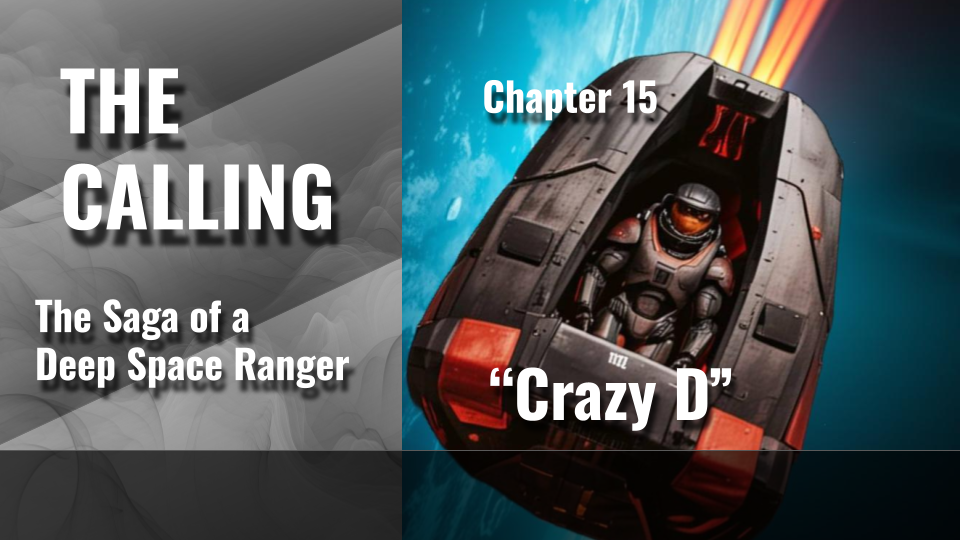



 ToBeLikeJesus