
Index for all posts in the Gospel Sync Series
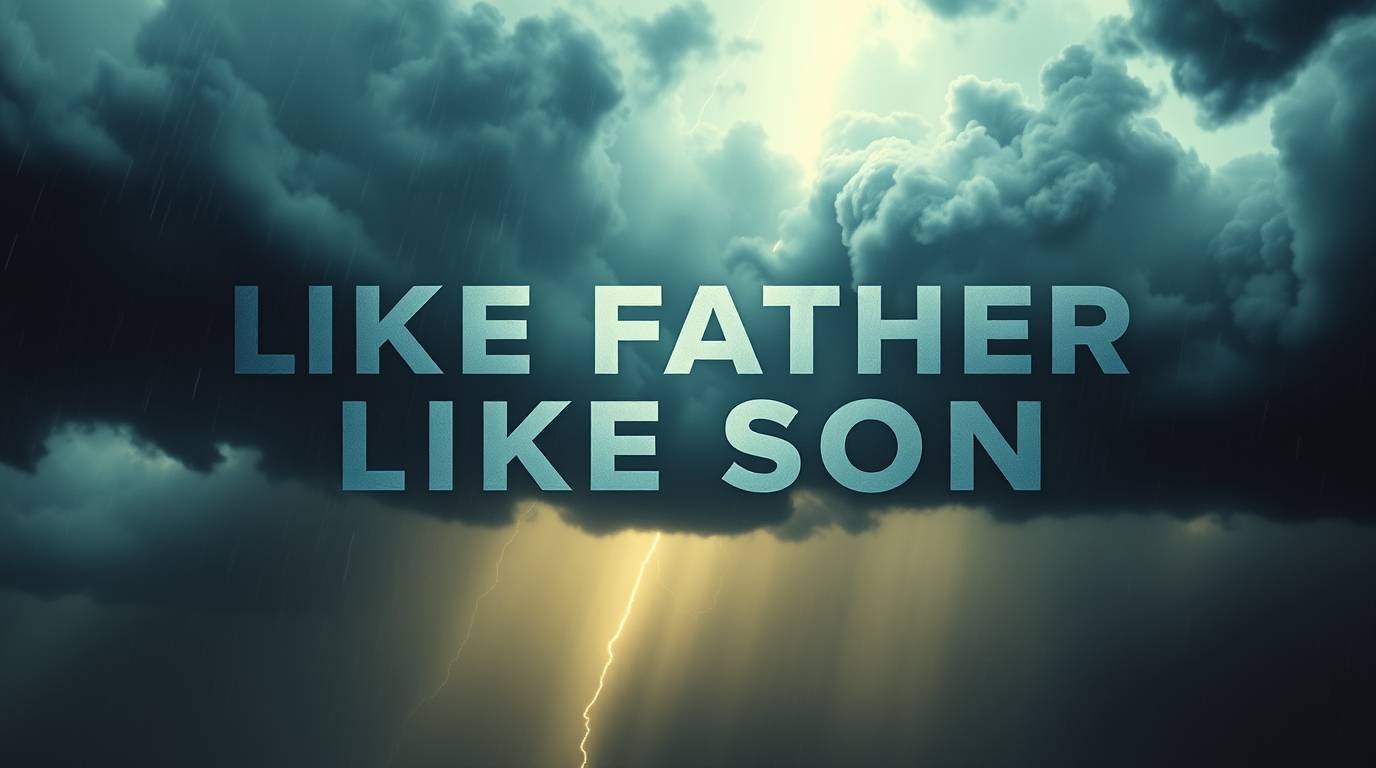
Welcome Back! Today, we’ll be looking at the Gospel of John and look at what Jesus says about His identity and purpose in the Father.
So let’s get started.
(Click here to get a copy of the Gospel Sync document)
John 8:12-20
Once again, Jesus spoke to the people and said, “I am the light of the world. Whoever follows Me will never walk in the darkness, but will have the light of life.” So the Pharisees said to Him, “You are testifying about Yourself; Your testimony is not valid.” Jesus replied, “Even if I testify about Myself, My testimony is valid, because I know where I came from and where I am going. But you do not know where I came from or where I am going. You judge according to the flesh; I judge no one. But even if I do judge, My judgment is true, because I am not alone; I am with the Father who sent Me. Even in your own Law it is written that the testimony of two men is valid. I am One who testifies about Myself, and the Father, who sent Me, also testifies about Me.” “Where is Your Father?” they asked Him. “You do not know Me or My Father,” Jesus answered. “If you knew Me, you would know My Father as well.” He spoke these words while teaching in the temple courts, near the treasury. Yet no one seized Him, because His hour had not yet come.
My Thoughts
“Qualis pater, talis filius” is from an old Latin proverb, “as the father, so the son.” In contemporary words, “Like Father, Like Son.” Jesus was exactly like His Father. The problem is that the religious leaders of the day neither recognized Jesus nor His Father. They had a huge case of “Mistaken Identity.”
It’s one thing to make a mistake about someone else’s identity but it’s an entirely another thing to be mistaken about your own. Jesus was sure of both His and His Father’s identity. He knew who He was and He knew who the Father was. I believe this is one of the foundational aspects of mental health. It is also foundational for having the confidence to weather the storms of life.
In this particular instance Jesus is being accosted by leaders who were considered to be experts on “knowing God.” And yet they didn’t have a clue. Their faulty concept of the identity of God directly impacted the understanding of their own identity. They saw themselves as privileged pious men. God saw them as hypocrites. They saw themselves as righteous judges. God saw them as uncompassionate murderers. They saw themselves as educated men. God saw them as fools. And the list of incongruencies goes on.
How do people land so far from the mark on their own personal identities? When one knows not from the well they came from, they are doomed to every kind of concept they can dream up. They did not know the Source and therefore they did not know themselves. That is one of the core reasons for knowing God. He is the beginning and the end of everything we were meant to be. One of Jesus’ primary missions was to live an example that clarified this simple truth for us. We are made in the image of God and truly knowing Him and being known by Him defines our identity and purpose. Stray from the Source and the only option is confusion and self-deception. If we pursue knowing Him and His Father day by day, we will have clarity, direction, peace, and hope. In a world that has lost its mind, doesn’t this sound like the antidote to the madness?
For this reason also, since the day we heard of it, we have not ceased to pray for you and to ask that you may be filled with the knowledge of His will in all spiritual wisdom and understanding, so that you will walk in a manner worthy of the Lord, to please Him in all respects, bearing fruit in every good work and increasing in the knowledge of God; strengthened with all power, according to His glorious might, for the attaining of all steadfastness and patience; joyously giving thanks to the Father, who has qualified us to share in the inheritance of the saints in Light. (Colossians 1:9-12)
My Story
I grew up thinking “if I do such and such, I’ll be somebody.” What I had to embrace is that I was already “somebody” in the eyes of God and that my “doing” would spring out of that truth. Don’t get me wrong, that didn’t happen overnight and truth be told, I’m still working on it. It’s taken years of reading the Bible, hearing others talk about Him and seeing them walk with Him, and God Himself stripping away the layers of faulty thinking like peeling back the layers of an onion. It’s been a journey.
But the first step in the right direction brought so much relief and clarity to life. It started when I released control of my life and let Jesus have the final say. When I humbled myself before Him and confessed my sin and believed He had a better plan for my life. Then, the better I got to know Him, the better I knew myself.
If you’re just beginning to try to find your way to God, stop reading and start doing what I’ve written about above with every fiber of your being. But my blog is primarily aimed at disciple-makers so let me exhort those of you helping others. Our primary effort isn’t trying to recruit people to a church or ministry. We don’t focus on getting people on board with a certain program or strategy. It’s not even to make people into good boys and girls. Our job as disciple-makers is to help people get to know God through Jesus and become His disciples.
“A disciple is not above his teacher; but everyone, after he has been fully trained, will be like his teacher.” (Jesus in Luke 6:40)
Our Action Plan
Now it’s time for application. Answer these questions;
- When Jesus commanded us to make disciples, was it to make disciples of us or Him?
- How are you doing at helping people become more like Jesus?
- Make a plan to teach those you are discipling to make disciples of Jesus, not themselves.
It seems like the whole world is having an identity crisis. But this isn’t really anything new. We have lost our way since the Garden of Eden. The good news is that Jesus not only came to save us from our sins but also to show us what our identity and purpose are.
Organic Writing – No Artificial Intelligence or Sweeteners Added
Index for all posts in the Gospel Sync Series
Qualis Pater, Talis Filius – #135
¡Bienvenidos de nuevo! Hoy analizaremos el Evangelio de Juan y veremos lo que Jesús dice sobre su identidad y propósito en el Padre.
Comencemos.
Juan 8:12-20
Jesús volvió a hablar a la gente y dijo: «Yo soy la luz del mundo. El que me sigue no andará en tinieblas, sino que tendrá la luz de la vida». Los fariseos le dijeron: «Tú das testimonio de ti mismo; tu testimonio no es válido». Jesús respondió: «Aunque yo dé testimonio de mí mismo, mi testimonio es válido, porque sé de dónde vengo y adónde voy. Pero ustedes no saben de dónde vengo ni adónde voy. Ustedes juzgan según la carne; yo no juzgo a nadie. Pero incluso si juzgo, mi juicio es verdadero, porque no estoy solo; estoy con el Padre que me envió. Incluso en su propia Ley está escrito que el testimonio de dos hombres es válido. Yo soy el que da testimonio de mí mismo, y el Padre que me envió también da testimonio de mí». «¿Dónde está tu Padre?», le preguntaron. «No me conocen a mí ni a mi Padre», respondió Jesús. «Si me conocieran a mí, también conocerían a mi Padre». Habló estas palabras mientras enseñaba en el templo, junto al lugar de las ofrendas. Sin embargo, nadie lo apresó, porque aún no había llegado su hora.
Mis Pensamientos
“Qualis pater, talis filius” proviene de un antiguo proverbio latino: “Como el padre, así el hijo”. En palabras contemporáneas, “De tal palo, tal astilla”. Jesús era exactamente igual a su Padre. El problema es que los líderes religiosos de la época no reconocían ni a Jesús ni a su Padre. Sufrían un grave caso de “identidad equivocada”.
Una cosa es equivocarse sobre la identidad de otra persona, pero otra muy distinta es equivocarse sobre la propia. Jesús estaba seguro de su identidad y de la de su Padre. Sabía quién era Él y quién era el Padre. Creo que este es uno de los aspectos fundamentales de la salud mental. También es fundamental para tener la confianza necesaria para afrontar las tormentas de la vida.
En este caso particular, Jesús es abordado por líderes que se consideraban expertos en “conocer a Dios”. Y, sin embargo, no tenían ni idea. Su concepto erróneo de la identidad de Dios afectó directamente la comprensión de su propia identidad. Se consideraban hombres piadosos y privilegiados. Dios los vio como hipócritas. Se veían a sí mismos como jueces justos. Dios los vio como asesinos despiadados. Se veían a sí mismos como hombres cultos. Dios los vio como necios. Y la lista de incongruencias continúa.
¿Cómo es posible que la gente se desvíe tanto de su identidad personal? Cuando uno desconoce su origen, está condenado a cualquier concepto que se le ocurra. Desconocía la Fuente y, por lo tanto, no se conocía a sí mismo. Esa es una de las razones fundamentales para conocer a Dios. Él es el principio y el fin de todo lo que debemos ser. Una de las misiones principales de Jesús fue dar un ejemplo que nos aclarara esta simple verdad. Estamos hechos a imagen de Dios, y conocerlo verdaderamente y ser conocidos por Él define nuestra identidad y propósito. Al alejarse de la Fuente, la única opción es la confusión y el autoengaño. Si buscamos conocerlo a Él y a su Padre día a día, tendremos claridad, dirección, paz y esperanza. En un mundo que ha perdido la razón, ¿no suena esto como el antídoto contra la locura?
Por esta razón, también desde el día que lo supimos, no hemos cesado de orar por ustedes y de pedirles que sean llenos del conocimiento de su voluntad en toda sabiduría y entendimiento espiritual, para que vivan como es digno del Señor, agradándole en todo, dando fruto en toda buena obra y creciendo en el conocimiento de Dios; fortalecidos con todo poder, conforme a su gloriosa potencia, para alcanzar toda constancia y paciencia; dando gracias con gozo al Padre, que nos ha hecho aptos para participar de la herencia de los santos en la luz. (Colosenses 1:9-12)
Mi Historia
Crecí pensando: “Si hago esto y aquello, seré alguien”. Lo que tuve que aceptar es que ya era “alguien” a los ojos de Dios y que mi “hacer” surgiría de esa verdad. No me malinterpreten, eso no sucedió de la noche a la mañana y, a decir verdad, todavía estoy trabajando en ello. Me ha llevado años leer la Biblia, escuchar a otros hablar de Él y verlos caminar con Él, y a Dios mismo despojándome de las capas de pensamiento erróneo como si se pelaran las capas de una cebolla. Ha sido un viaje.
Pero el primer paso en la dirección correcta trajo mucho alivio y claridad a mi vida. Comenzó cuando solté el control de mi vida y dejé que Jesús tuviera la última palabra. Cuando me humillé ante Él, confesé mi pecado y creí que Él tenía un plan mejor para mi vida. Entonces, cuanto mejor lo conocía, mejor me conocía a mí mismo.
Si apenas estás empezando a intentar encontrar tu camino hacia Dios, deja de leer y empieza a hacer lo que he escrito arriba con cada fibra de tu ser. Pero mi blog está dirigido principalmente a quienes hacen discípulos, así que permítanme exhortar a quienes ayudan a otros. Nuestro principal esfuerzo no es reclutar personas para una iglesia o ministerio. No nos centramos en que se unan a un programa o estrategia en particular. Ni siquiera se trata de convertir a las personas en buenos chicos y chicas. Nuestra labor como hacedores de discípulos es ayudar a las personas a conocer a Dios a través de Jesús y convertirse en sus discípulos.
«El discípulo no es superior a su maestro; pero todo el que haya sido plenamente capacitado, será como su maestro» (Jesús en Lucas 6:40).
Nuestro Plan de Acción
Ahora es momento de aplicar. Responde estas preguntas:
- Cuando Jesús nos mandó hacer discípulos, ¿fue para hacer discípulos de nosotros o de Él?
- ¿Cómo te va ayudando a las personas a ser más como Jesús?
- Planifica enseñar a quienes estás discipulando a hacer discípulos de Jesús, no de sí mismos.
Parece que el mundo entero está atravesando una crisis de identidad. Pero esto no es nada nuevo. Hemos perdido el rumbo desde el Jardín del Edén. La buena noticia es que Jesús no solo vino a salvarnos de nuestros pecados, sino también a mostrarnos cuál es nuestra identidad y propósito.
Escritura orgánica: sin inteligencia artificial ni edulcorantes añadidos.
Si ve un problema importante en la traducción, envíeme una corrección por correo electrónico a charleswood1@gmail.com




 ToBeLikeJesus