In Matthew 19:3-12, Jesus addresses the Pharisees’ question on divorce, grounding His response in God’s original design for marriage while introducing celibacy as a kingdom-oriented choice. Amid first-century Jewish debates over divorce, particularly regarding Deuteronomy 24:1-4, Jesus clarifies that Moses’ allowance for divorce was due to the condition of human hearts, not God’s intent. The phrases “become one flesh,” “divorce,” and “made themselves eunuchs” reveal Jesus as Messiah and King, restoring divine purpose and illuminating the redemptive, eternal Kingdom of God.
Key Words and Phrases
“Become One Flesh” – Drawn from Genesis 2:24, “become one flesh” (v. 5) uses Hebrew basar echad (H1320, basar for flesh; H259, echad for one), denoting a profound physical, emotional, and spiritual unity. In Greek, Matthew employs sarx mia (G4561, sarx; G3391, mia), emphasizing composite oneness, akin to the Trinity’s relational nature. This union reflects Christ’s covenant with His Church Ephesians 5:25-32. Jesus’ command, “let no man separate” (v. 6), asserts His kingship, restoring creation’s design and foreshadowing the eternal bond with His Bride in the Kingdom.
“Divorce” – The Greek apolyō (G630, “to release” or “send away”) defines divorce (v. 7). Citing Deuteronomy 24:1, the Pharisees reference Moses’ provision. Jesus clarifies that Moses permitted divorce due to sklērokardia (G4641, “hardness of heart,” v. 8), reflecting human sinfulness, not God’s original intent. By restricting divorce to porneia (G4202, immorality, v. 9), Jesus reestablishes divine standards, showcasing His authority as Messiah to interpret the Law and His redemptive grace for broken relationships.
“Made Themselves Eunuchs” – (v. 12) employs eunouchizō (G2134), indicating voluntary celibacy for kingdom purposes. Historically, eunouchos (G2135) referred to castrated or celibate individuals. Jesus presents celibacy as a gift (dedotai, G1325, “given,” v. 11), mirroring His own life and total devotion to God. This anticipates the eschatological reality where marriage ceases Matthew 22:30, emphasizing undivided service to the King.
Messianic Model – Focus on Jesus’ Example
By clarifying God’s intent against Moses’ concession due to hardened hearts, Jesus reveals His present and future lordship. As King, He upholds marriage as a reflection of His covenant with the Church, addresses divorce as a response to human weakness, and honors celibacy as a kingdom calling. These teachings display God’s faithfulness, mercy, and holiness, aligning with His redemptive plan through Christ. The “one flesh” union mirrors Christ’s unity with believers, divorce highlights His hatred of disunity and destruction of broken relationships, and celibacy His sufficiency. His lordship empowers believers to embody these callings now, awaiting their fulfillment at His return.
Conclusion
Matthew 19:3-12 calls Christians to view marriage and celibacy as kingdom vocations under Christ’s lordship. By distinguishing God’s intent from human concessions, Jesus urges believers to reflect His covenantal love. Disciple-makers must guide others to honor both paths, fostering a community that embodies the Kingdom’s eternal nature. Jesus reigns now, transforming lives, and will consummate His eternal Kingdom.
Disciple-Maker’s Short Story
One Flesh, One Purpose
The gym hummed with the rhythm of clanging weights and the steady thud of sneakers on treadmills. Rabecca adjusted her grip on the dumbbells, her breaths sharp as she powered through another set. At twenty-nine, her lean frame reflected discipline, but her eyes carried a quiet restlessness. She glanced at the clock—6:15 PM, June 17, 2025—then at Penny, her mentor, who was spotting her with a steady gaze.
“Ten more, Becs,” Penny said, her voice warm but firm. “Focus.” Rabecca’s arms burned, but it was her heart that felt heavier. She’d been wrestling with a question that no workout could sweat out: Should I settle? The guy she’d been texting, Mark, was kind, successful, but divorced. Her friends urged her to “be realistic,” but the thought of compromising her dream of a God-ordained marriage gnawed at her.
As they moved to the stretching mats, Rabecca’s thoughts spilled out. “Penny, I’m almost thirty, and I’m still single. Mark’s great, but he’s been divorced. Said he’d messed up the relationship but he’s changed since then. I keep wondering if I’m being too picky, if I should just… lower my standards.”
Penny sat cross-legged, her gray-streaked braid swinging as she leaned forward. “Becs, let’s talk about what Jesus says in Matthew 19. You know the part about marriage and divorce?” Rabecca nodded, wiping sweat from her brow. “Jesus quotes Genesis—‘the two shall become one flesh.’ It’s not just about bodies uniting; it’s a soul-deep bond, a reflection of Christ and His Church. God designed marriage to mirror His covenant love, not to be a fallback plan.”
Rabecca’s shoulders slumped. “But what about divorce? Mark’s ex left him. Jesus said divorce was allowed because of ‘hardness of heart,’ right? Doesn’t that mean it’s okay sometimes?”
Penny’s eyes softened, but her tone held conviction. “Jesus clarified that Moses permitted divorce because people’s hearts were stubborn, not because it was God’s best. Divorce is a concession to human brokenness, not the ideal. You’re not just looking for a husband, Becs—you’re seeking God’s design, a man who’ll pursue that ‘one flesh’ unity with you under Christ’s lordship.”
Rabecca stretched her hamstrings, her mind racing. “What if that man never comes? I don’t want to be alone forever.”
Penny smiled, her face radiating quiet strength. “Jesus also talked about those who choose to be ‘eunuchs’ for the sake of the Kingdom—people who embrace singleness to serve God fully. It’s not a consolation prize; it’s a calling, just like marriage. Think of Jesus Himself—single, yet complete in His devotion to the Father. Right now, your singleness is a gift to live kingdom-minded, to grow in His likeness, serving others without distraction.”
Rabecca’s eyes stung, not from sweat but from a stirring within. She thought of Jesus, the King who lived fully for God, whose love was enough. “So, I keep praying for the right man, but… also use this time to be more like Him?”
“Exactly,” Penny said, standing. “Whether married or single, your life can reflect Christ’s commitment and love. Pray for a husband who shares that vision, but don’t settle for less than God’s design. And while you wait, let your singleness shine for the Kingdom—mentor kids at church, lead that Bible study. Be like Jesus, Becs, in every choice.”
As they left the gym, Rabecca felt lighter. The weight of her fears hadn’t vanished, but a new resolve burned within—to pursue Christ’s heart, to trust God’s timing, and to live her singleness as a testimony to the King’s present and eternal reign.
After this, the Lord appointed seventy-two others and sent them two by two ahead of Him to every town and place He was about to visit. And He told them, “The harvest is plentiful, but the workers are few. Ask the Lord of the harvest, therefore, to send out workers into His harvest. Go! I am sending you out like lambs among wolves.
My Thoughts
This is the second wave of messengers Jesus is sending into the harvest. It has multiplied from twelve to seventy-two. He essentially gave them the same instructions He gave the twelve (Matthew 10:1-23, Luke 10:1-16). This is a pattern of the Master Disciple Maker. I would assume had Jesus spent more time in an earthly ministry, the pattern would have continued to multiply more and more laborers in the harvest.
But not surprisingly, we see the pattern being multiplied anyways by His disciples. Why should we not be surprised? Because disciples become like their Master. And if the Master shared the gospel and sent others to do the same, then surely we can expect His church to emulate His practices, right?
One has to ask the question; “If the sending pattern was so prevalent in the early church, why is it so conspicuously absent today?” I think it all comes down to fear. Today the followers of Jesus lack competence and confidence to share the gospel so they don’t. Or they are so worried about what others may think of them, they fear looking like a weirdo.
We as disciple makers can address this fear in three very intentional ways.
First we can build a Biblical case that living for Christ will automatically put disciples out of step with the world. If they are living the Christian life and have any kind of witness at all they will be considered “weirdos” by those outside the faith. Hopefully we will be considered kind, truthful, and wise weirdos but weirdos nonetheless (John 15:19, Romans 12:2, 1 Corinthians 1:18, 1 John 2:15-17).
Secondly, we need to train them to share the gospel. It’s not good enough to preach a sermon and expect the flock to overcome their fears and jump into the harvest fields. Most Christians have heard many such sermons. They have been told many times, “You need to be a witness!” We need to help them through what to say and how to say it. We start small with a simple testimony and help them advance to answer hard questions. Training ensures the student is able to perform the task, not just know it.
And lastly, we need to take them out and show them how it’s done. Modeling is an essential part of training any skill. Jesus spent a lot of time healing, casting out demons, and preaching the gospel of the kingdom before ever sending His disciples to do the same. Consider these two passages in Matthew;
Jesus was going throughout all Galilee, teaching in their synagogues and proclaiming the gospel of the kingdom, and healing every kind of disease and every kind of sickness among the people. (Matthew 4:23)
Jesus was going through all the cities and villages, teaching in their synagogues and proclaiming the gospel of the kingdom, and healing every kind of disease and every kind of sickness. (Matthew 9:35)
For five chapters Jesus did the exact same thing over and over again. He modeled what He was going to commission His disciples to do. How long a period of time that is I’m not sure but I don’t think it’s a coincidence that the author chose to emphasize the element of “showing” before the command of “going.”
If we expect those we are discipling to be Committedto sharing their faith, we need to train them building Competence and Confidence.
My Story
I used to hate witnessing. My knees would knock and my palms would get sweaty just thinking about it. Partially because I was not competent and confident in what I was doing but mostly because I was concerned about my reputation. I felt like people were put out by my “sales pitch” or they thought I was weird or they would be so violently opposed to the message that they would punch me in the nose. You would think as a full time Christian worker I would have dealt with these fears. But, nope! They lingered even when I was “getting paid to share the good news.”
Several things changed all of that. First, conviction. I was asked “When’s the last time you shared the gospel?” I went from anger to conviction under the Holy Spirit because I knew the example and command of my Lord. The question was “Am I willing to obey Him?”
Secondly, as I shared the gospel, I was pleasantly surprised at how many people kindly listened to what I had to say. Most people were polite and allowed me to express my faith in Jesus. Most non-Christians did not convert but they didn’t punch me in the nose either. I was shocked at how kind drug dealers, prostitutes, and bikers were when I approached them. As far as people who already knew me, they were pretty accepting as well by kind of acknowledging “Oh that’s what makes you tick!”
And lastly, I got some really good training on how to share a simple and short gospel presentation that gave me the opportunity to share with a lot of people. With so many reps under my belt, I grew more and more competent which led to greater confidence. It’s actually something I look forward to doing. Deb and I share “on the go” so to speak but we also have a weekly time set aside where we intentionally share the gospel so we stay in the harvest and keep our skills sharp. This has made all the difference in the world (literally).
Our Action Plan
Now it’s time for application. Here’s some questions and ideas;
– Are you obeying Jesus’ command to share the good news?
– Are you teaching or training others to share the gospel?
– Take those you are discipling into the harvest and model sharing the gospel.
Jesus expressly said that His mission was to “seek and save the lost” (Luke 19:10). As His disciples, becoming like Him, we should not only feel the urgency of being sent but also the desire to train and send others. This was His way to engage a lost and dying world, and it should be ours as well.
Esta es la segunda oleada de mensajeros que Jesús envía a la mies. El número se ha multiplicado de doce a setenta y dos. Básicamente, les dio las mismas instrucciones que a los doce (Mateo 10:1-23, Lucas 10:1-16). Este es un patrón del Maestro formador de discípulos. Supongo que si Jesús hubiera dedicado más tiempo a su ministerio terrenal, el patrón se habría seguido multiplicando, aumentando cada vez más los obreros en la mies.
Pero, como era de esperar, vemos que el patrón se multiplica de todos modos a través de sus discípulos. ¿Por qué no deberíamos sorprendernos? Porque los discípulos se parecen a su Maestro. Y si el Maestro compartió el evangelio y envió a otros a hacer lo mismo, entonces seguramente podemos esperar que su iglesia emule sus prácticas, ¿verdad?
Cabe preguntarse: «Si el patrón de envío era tan frecuente en la iglesia primitiva, ¿por qué está tan notablemente ausente hoy en día?». Creo que todo se reduce al miedo. Hoy en día, los seguidores de Jesús carecen de la competencia y la confianza para compartir el evangelio, por lo que no lo hacen. O les preocupa tanto lo que los demás puedan pensar de ellos que temen parecer extraños.
Nosotros, como formadores de discípulos, podemos abordar este miedo de tres maneras muy intencionadas.
Primero, podemos argumentar bíblicamente que vivir para Cristo automáticamente pondrá a los discípulos en desacuerdo con el mundo. Si viven la vida cristiana y dan algún tipo de testimonio, serán considerados «extraños» por quienes no comparten la fe. Con suerte, seremos considerados extraños amables, veraces y sabios, pero extraños al fin y al cabo (Juan 15:19, Romanos 12:2, 1 Corintios 1:18, 1 Juan 2:15-17).
En segundo lugar, necesitamos capacitarlos para compartir el evangelio. No basta con predicar un sermón y esperar que la congregación supere sus miedos y se lance a los campos de la mies. La mayoría de los cristianos han escuchado muchos sermones de este tipo. Se les ha dicho muchas veces: «¡Necesitan ser testigos!». Necesitamos ayudarlos a saber qué decir y cómo decirlo. Comenzamos con algo sencillo, un testimonio simple, y los ayudamos a avanzar para responder preguntas difíciles. La capacitación garantiza que el estudiante sea capaz de realizar la tarea, no solo de conocerla.
Y, por último, necesitamos acompañarlos y mostrarles cómo se hace. El modelaje es una parte esencial del aprendizaje de cualquier habilidad. Jesús dedicó mucho tiempo a sanar, expulsar demonios y predicar el evangelio del reino antes de enviar a sus discípulos a hacer lo mismo. Consideremos estos dos pasajes de Mateo:
Jesús recorría toda Galilea, enseñando en sus sinagogas, proclamando el evangelio del reino y sanando toda clase de enfermedades y dolencias entre la gente. (Mateo 4:23)
Jesús recorría todas las ciudades y aldeas, enseñando en sus sinagogas, proclamando el evangelio del reino y sanando toda clase de enfermedades y dolencias. (Mateo 9:35)
Durante cinco capítulos, Jesús hizo exactamente lo mismo una y otra vez. Modeló lo que luego encargaría a sus discípulos. No sé cuánto tiempo duró este período, pero no creo que sea una coincidencia que el autor haya decidido enfatizar el elemento de “mostrar” antes de la orden de “ir”.
Si esperamos que aquellos a quienes discipulamos se comprometan a compartir su fe, debemos capacitarlos, desarrollando su competencia y confianza.
Mi Historia
Antes odiaba testificar. Me temblaban las rodillas y me sudaban las palmas de las manos solo de pensarlo. En parte porque no me sentía competente ni segura de lo que hacía, pero sobre todo porque me preocupaba mi reputación. Sentía que la gente se molestaba con mi “discurso de ventas”, o que pensaban que era rara, o que se opondrían tan violentamente al mensaje que me golpearían en la nariz. Uno pensaría que, como trabajadora cristiana a tiempo completo, ya habría superado estos miedos. ¡Pero no! Persistieron incluso cuando me “pagaban por compartir las buenas nuevas”.
Varias cosas cambiaron todo eso. Primero, la convicción. Me preguntaron: “¿Cuándo fue la última vez que compartiste el evangelio?”. Pasé de la ira a la convicción bajo la guía del Espíritu Santo, porque conocía el ejemplo y el mandato de mi Señor. La pregunta era: “¿Estoy dispuesta a obedecerle?”.
En segundo lugar, al compartir el evangelio, me sorprendió gratamente la cantidad de personas que escucharon amablemente lo que tenía que decir. La mayoría fue educada y me permitió expresar mi fe en Jesús. La mayoría de los no cristianos no se convirtieron, pero tampoco me golpearon en la nariz. Me sorprendió la amabilidad de los traficantes de drogas, las prostitutas y los motociclistas cuando me acerqué a ellos. En cuanto a las personas que ya me conocían, también fueron bastante receptivas, como si dijeran: “¡Ah, así que eso es lo que te motiva!”.
Y por último, recibí una excelente capacitación sobre cómo compartir una presentación del evangelio sencilla y breve, lo que me dio la oportunidad de compartirlo con mucha gente. Con tanta práctica, me volví cada vez más competente, lo que me dio mayor confianza. De hecho, ahora es algo que disfruto hacer. Deb y yo compartimos el evangelio “sobre la marcha”, por así decirlo, pero también tenemos un tiempo semanal reservado para compartir el evangelio intencionalmente, para mantenernos activas en la obra y perfeccionar nuestras habilidades. Esto ha marcado una diferencia enorme (literalmente).
Nuestro Plan de Acción
Ahora es el momento de la aplicación práctica. Aquí vienen algunas preguntas e ideas:
– ¿Estás obedeciendo el mandato de Jesús de compartir las buenas nuevas?
– ¿Estás enseñando o capacitando a otros para que compartan el evangelio?
– Lleva a quienes estás discipulando a la obra de evangelización y muéstrales con el ejemplo cómo compartir el evangelio.
Jesús dijo expresamente que su misión era «buscar y salvar a los perdidos» (Lucas 19:10). Como sus discípulos, al ser semejantes a Él, no solo debemos sentir la urgencia de ser enviados, sino también el deseo de capacitar y enviar a otros. Esta fue su manera de alcanzar a un mundo perdido y necesitado, y también debería ser la nuestra.
Escrito de forma natural, sin inteligencia artificial ni añadidos artificiales.
Si ve un problema importante en la traducción, envíeme una corrección por correo electrónico a charleswood1@gmail.com
“This gospel of the kingdom shall be preached in the whole world as a testimony to all the nations, and then the end will come.” (Matthew 24:14)
Introduction
In this essay we will discover Jesus’ prophecy of the gospel of the kingdom being preached to all the nations before His return. We will discuss how Jesus started this multiplicative chain reaction to facilitate global evangelization, the message He used, and the people He chose to spread His message. We will also look at the tension between urgency and sustainability.
Key Words and Phrases
The gospel of the kingdom – When Jesus and His disciples preached “the gospel of the kingdom,” He had yet to be crucified and resurrected. Although these two events are essential elements of the gospel, Jesus’ gospel was the gospel of the hour. Basically, it was that God’s love was on display through the sending of His Son, the awaited Messiah King to redeem His people from their sins. It was a gospel that was preached at the time, and then later inaugurated by Jesus Christ’s redeeming work on the cross and demonstration of His sovereignty by His resurrection, but would be completely manifested in the final consummation of His kingdom at His return, when salvation and judgment are fully revealed and all things are brought under His headship. God’s expectation for response to this gospel message was to “repent and believe.” (Mark 1:14-15) In other words, trust that the awaited King has arrived and align our lives with His ways. The ways of the kingdom. This gospel of the kingdom is much like the kingdom itself; preached as a very present reality and yet waiting for future fulfillment.
In the whole world – Whole – ὅλος (Strong’s G3650 – holos) all, whole, completely. World – οἰκουμένη (Strong’s G3625 – oikoumenē) the inhabited earth or the portion of the earth inhabited by the Greeks, in distinction from the lands of the barbarians or the Roman empire, all the subjects of the empire or the universe. In this particular case, as Jesus is looking to the end and includes “all nations,” the whole inhabited earth fits the translation best.
As a testimony to all the nations – Testimony – μαρτύριον (Strong’s G3142 – martyrion) to be testified, testimony, witness. Nations – ἔθνος (Strong’s G1484 – ethnos) a tribe, nation, people group. This is the word in which we derive “ethnic” from.
Then the end will come – End – τέλος (Strong’s G5056 – telos) the end, the last in any succession or series, eternal. In context Jesus is talking about His return and the end of mankind in this present realm. (Matthew 24)
Messianic Model – His Gospel was the Gospel of the Kingdom
As stated earlier, this was the gospel Jesus preached. He preached it in many ways, from the parables, to the Sermon on the Mount (Kingdom Values), to private sessions with His disciples explaining the kingdom of God. It was His primary message from the beginning (Matthew 4:17) and the end (Acts 1:3). He not only preached it, He lived it. He is the kingdom of God personified. When the religious leaders asked about the kingdom, He could truly say “behold, the kingdom of God is in your midst.” (Luke 17:20-21) He lived and preached the gospel of the kingdom to His death (and after His resurrection) and expects us to do the same until He returns.
Key Theological Implications
When we talk about the gospel in context of the kingdom as Jesus did, it becomes more than just the forgiveness of sins (although this is an essential part of the gospel). The gospel Jesus preached was about the realm and rule of an almighty, all knowing, completely sovereign Divine King that stepped into human history as a man. He came not only to redeem us of our sins but to exert His authority over all who receive Him and become His subjects and co-regents. He also showed us an example of what it looks like to live as a steward made in God’s image and what kingdom work and character look like. In the present, mankind has a choice to make Him Lord and inherit eternal life but one day every knee will bow and call Him Lord. (Philippians 2:10–11)
Contemporary Spiritual Significance
One of the essential elements missing from the gospel that is preached today is the Kingship of the Lord Jesus Christ. If Jesus is not Lord, there is no reason to be sorry for my sins and ask for forgiveness. There is no need to repent, to change my thinking and way of life to align with His design. We are left with a subjective emotional response that acknowledges Jesus as a good moral teacher but not someone who has all authority in my life (let alone all creation). We must preach the gospel Jesus preached and lived and died for or we are not preaching the gospel at all. Usually, when people refer to a false gospel, they are talking about adding a merit system (works) to what is being preached. This is what the Apostle Paul was fighting in Galatians. But the other end of the pendulum swing is a gospel that fails to acknowledge that Jesus is Lord through discipleship (a willingness and effort to bring my life under subjection to His rule). Both ends of the spectrum are just as dangerous and just as false.
Another facet of proclaiming the gospel of the kingdom is a sense of urgency as people are perishing by the thousands daily. We have the model of the Master and His self-proclaimed mission “to seek and to save that which is lost.” (Luke 19:10) We should be sharing with everyone in our relational network and those who cross our paths. However, this is a lifetime pursuit. We need to accept that we have capacity issues and must steward the ministry God has given us. This will take time. Being motivated by guilt or thinking that your efforts alone will usher people into the kingdom are both faulty thinking. We are co-laboring with God and He does the heavy lifting.
I planted, Apollos watered, but God was causing the growth. So then neither the one who plants nor the one who waters is anything, but God who causes the growth. (1 Corinthians 3:6-7)
The Transformative Power of the Gospel of the Kingdom
Many people who see themselves as Christians lack transformative power in their lives because they see Jesus as a Savior but not as Lord. The Bible is quite clear on the evidence of new life in Christ;
Therefore if anyone is in Christ, he is a new creature; the old things passed away; behold, new things have come. (2 Corinthians 5:17)
The one who says he abides in Him ought himself to walk in the same manner as He walked. (1 John 2:6)
This is not just intellectual acknowledgement or something to happen in the future. It is a reality that our lives are being conformed to as we exercise our faith in Christ. (Romans 2:12, 8:29, 2 Corinthians 3:18)
Not only are we seeking to understand the gospel of the kingdom for salvation but we are to preach the same to help others come into the kingdom of God. Alignment with His Word and ways happens as we both seek to comprehend and proclaim it on a regular basis.
Conclusion
As we follow Jesus’ ministry we can see that not only did He preach and teach the gospel of the kingdom, He lived it. Now we are His messengers to a lost and dying world in this generation. It is our responsibility to proclaim it in its purity and sense of urgency and stewardship of our efforts for a lifetime or until His return. As we make disciples who embrace His call to spread the good news of the kingdom, we will see global evangelization become a reality. And when the end comes may we be found living a life worthy for our King.
Disciple-Maker’s Short Story
In the Living Room of Lot 27
The rain had come early that evening, tapping the tin awnings of the Willow Pines Mobile Home Park like a quiet reminder that everything in this world was temporary. Inside Lot 27—a double-wide that smelled faintly of coffee, old hymnals, and last night’s fried tortillas—a small circle of folding chairs framed the living room. The carpet was worn where countless feet had traced the same hopeful path week after week.
Mary, their leader, set her Bible on the low table between a half-dead succulent and a stack of napkins someone had folded into triangles. The others filtered in: Hector from Lot 32, limping slightly from decades on the maintenance crew; June from the corner unit, her hands always shaking a bit from nerves she never confessed; Darius from across the lane, tall, quiet, carrying the weight of a man who had recently learned his son wanted nothing to do with him.
And then there was Allison—youngest in the group, barefoot, sitting cross-legged on the sofa with a notebook balanced on her knees. She was the one who had asked the question last week, the one nobody had quite known how to answer.
Tonight she repeated it, her voice soft beneath the patter of rain.
“So… if Jesus hadn’t died yet, how could He preach the gospel?” She glanced around, almost apologetic. “I mean, isn’t the gospel the cross?”
The room fell still. Outside, a dog barked twice, then silence again.
Mary leaned back in her chair, fingers steepled. “Let’s talk about that.”
The others shifted uncomfortably. The question had lodged in all their minds, scratching at old assumptions.
Hector broke the silence first. “I always thought the cross was the gospel. Forgiveness, washed clean, and all that.” His voice trembled with the exhaustion of someone who had prayed that cleansing over his grown children for years without seeing it take root.
June nodded vigorously. “Same. The idea of the kingdom… I don’t know. Sounds like something for heaven later. Not for right now.”
Darius said nothing at first. Then, quietly: “But Jesus preached something before He died. He preached it with authority.” He stared at his hands. “Maybe we’ve just trimmed Him down to the parts that feel safe.”
Allison’s pen hovered in the air.
Mary watched them each, sensing not confusion but hunger—people who wanted Jesus, but weren’t always sure what that meant beyond asking Him to rescue them at the end.
“Let’s look at what Jesus actually said,” she murmured.
She opened her Bible to Mark 1 and read slowly, deliberately:
“Jesus came into Galilee, preaching the gospel of God, and saying, ‘The time is fulfilled, and the kingdom of God is at hand; repent and believe in the gospel.’”
The word kingdom seemed to hang in the air like incense.
“The gospel Jesus preached,” Mary said, “wasn’t less than forgiveness—but it was more. He was announcing that God’s long-promised King had arrived. That His rule—His ways, His authority, His love—was breaking into the world right now.”
She looked at Allison. “It was the gospel of the kingdom. The gospel of the hour. The King is here—align your life with Him.”
Darius inhaled sharply, as if something inside him had just clicked into place.
“But He hadn’t died yet,” Allison repeated, searching for clarity.
“No,” Mary said. “Not yet. But His coming was already good news. His cross and resurrection would inaugurate the fullness of redemption—but even before that, He was calling people to turn from their broken kingdoms and step into His.”
She paused, letting them digest the weight of it.
“Jesus wasn’t just telling people what He would do for them. He was inviting them to become like Him.”
A gust of wind rattled the thin windows. June hugged a blanket around her shoulders.
“But how do we live that?” she whispered. “Here? In this place?”
Mary smiled—not condescendingly, but with the gentle confidence of someone who had seen the kingdom come in trailer parks, hospital rooms, addiction groups, and quiet prayers whispered in the middle of the night.
“The same way Jesus lived it,” she said softly. “By surrendering every part of ourselves to the King who loves us. By letting His rule begin inside us long before He returns to rule the whole world.”
She pointed to Darius. “Forgiving someone who’s wounded you—that’s the kingdom.”
To Hector. “Serving people who never say thank you—that’s the kingdom.”
To June. “Learning to trust God with your fears—that’s the kingdom.”
And then to Allison. “Choosing to obey Jesus because you love Him, not because you’re afraid of messing up—that is the kingdom.”
Allison’s eyes glistened. For years she had asked Jesus to forgive her but had never realized He also invited her to follow Him, to imitate Him, to carry His character into every conversation and corner of her life.
To become like Him.
“But it’s overwhelming,” June said. “The whole world… nations… testimonies… urgency…” She gestured vaguely, as though swatting away invisible pressure.
Mary nodded. “There is urgency. Jesus said this gospel—the gospel of the kingdom—would be preached to all nations before the end. Every people group. Every corner of the inhabited earth.”
She leaned forward, voice low and steady.
“But urgency doesn’t mean frantic striving. Jesus didn’t call us to save the world in one night. He called us to be faithful. To plant. To water. And to trust God with the growth.”
Hector exhaled with relief, like a weight sliding off his shoulders.
The rain softened. A warmth—not from the rattling heater vent, but something deeper—settled over the room.
For the first time since the group began meeting, they were not just learning about Jesus. They were imagining what it would mean to live the life He lived.
To speak and act and forgive and love as He did. To embody the kingdom—not later, but now.
Allison finally spoke, her voice a quiet flame.
“If Jesus preached the kingdom before the cross… then maybe following Him means more than waiting for heaven. Maybe it means letting Him reign in me tonight.”
Mary’s smile widened.
“That,” she said, “is the beginning of becoming like Jesus.”
The clock on the wall ticked softly. Someone’s coffee grew cold. The dog outside barked again, then fell quiet.
Mary folded her hands.
“Friends… the King has come. And He’s coming again. Between those two arrivals is our whole life. What will we do with it?”
No one answered with words. But around the circle, small signs of surrender bloomed—Hector’s jaw unclenching, June’s shoulders relaxing, Darius lifting his gaze for the first time all night.
And Allison, scribbling one final line in her notebook:
Let His kingdom come—in me first, and then through me.
The rain stopped.
And inside Lot 27, the gospel of the kingdom continued its quiet, unstoppable spread—one surrendered heart at a time.
The reason the Father loves Me is that I lay down My life in order to take it up again. No one takes it from Me, but I lay it down of My own accord. I have authority to lay it down and authority to take it up again. This charge I have received from My Father.” Again there was division among the Jews because of Jesus’ message. Many of them said, “He is demon-possessed and insane. Why would you listen to Him?” But others replied, “These are not the words of a man possessed by a demon. Can a demon open the eyes of the blind?”
My Thoughts
And now we come to the last of the three metaphors. But this one is hidden in plain sight. It is the Sacrificial Lamb. Jesus has been painting a picture about His identity and purpose. He starts with calling Himself the Gate of the sheep pen. He is the only legitimate passage to God, the only way. Then in transition, He calls Himself the Good Shepherd. He is the only One who can lead the sheep in and out of the Gate. And now He alludes to Himself as the Sacrificial Lamb in an even more mysterious way.
“The reason the Father loves Me is that I lay down My life in order to take it up again.“
He actually alluded to this earlier in verse 11.
“I am the good shepherd; the good shepherd lays down His life for the sheep.”
Tucked away in Jesus’ discourse with the religious leaders is the most significant event in human history, God the Father and God the Son collaborate in His sacrificial death for the redemption of mankind.
Earlier in the Old Testament, God the Father actually institutes a foreshadowing ceremony called the Passover to point to what Jesus is saying here. Before the last plague inflicted on Egypt the Children of Israel were instructed to kill a lamb and paint the blood on the doorposts and lintel of their dwellings. This was a sign for the Destroyer to “pass over” them when slaying the first born of every creature in Egypt (Exodus 12:1-27). They were commanded to keep it as a perpetual ceremony to point them to THE Lamb of God who ultimately shed His blood and would pass over their sins. Unfortunately, many in Israel then and today missed the full intent of this prophetic observance.
This was the message of many prophets throughout history and John the Baptist put it most clearly.
“Behold, the Lamb of God who takes away the sin of the world!” (John 1:29)
That brings us to the role of the disciple maker. It’s our responsibility to help people see the significance of Jesus being that Passover Lamb. We bring the gospel message and train others to preach the death, burial, and resurrection of the Christ. We teach them how to live in a never ending state of passover rather than just practicing a ritual once a year. As disciple makers we point to a life in Christ that is guided, protected, and empowered by the Blood of the Lamb.
Then I heard a loud voice in heaven, saying,
“Now the salvation, and the power, and the kingdom of our God and the authority of His Christ have come, for the accuser of our brethren has been thrown down, he who accuses them before our God day and night. And they overcame him because of the blood of the Lamb and because of the word of their testimony, and they did not love their life even when faced with death. (Revelation 12:10-11)
My Story
As a soldier I saw a lot of blood even though I was never really on the frontlines, so to speak. But I saw enough in training and accidents where it became kind of “normal.” I went from being a little queasy at the sight of the red stuff to “such is life.” I even watched our Physician Assistant in the Ranger Battalion surgically remove a piece of metal jammed into my knee cap. So I had become pretty accustomed to the sight of blood.
Until…my four year old son, Charles William Wood III, cut himself so bad we had to take him to the emergency room. The sight of that blood, the blood of my son, made my head spin and I almost couldn’t drive because I thought I was going to pass out. I don’t want to use the word “faint” because it sounds kind of wimpy. But I have to admit, at the time, I was feeling pretty wimpy. The sight of my son’s blood was not “normal.” It was gut-wrenching!
I can only imagine what God the Father was feeling as His Son’s blood was being spilled out for you and I. It’s not the sanitized kid’s version of the torture and crucifixion. It’s watching the horrifying nauseating reality of a loved one’s life drain from them. That’s how much God loves us and I am compelled to tell others His story about the sacrificial Lamb.
Our Action Plan
Now it’s time for application. Here’s some questions and ideas;
What other insights from the Old Testament point to the sacrifice Jesus makes on the cross?
How are you as a disciple maker helping people connect the dots between the Old and the New Testaments?
Help those you are discipling prepare a Discovery Bible Study on the Passover and its significance to us as followers of Jesus.
Jesus points to the Old Testament often to shed light on His identity and purpose. This makes it important to have a handle on both the Old and the New in order to see Jesus clearly and plumb the depth of His richness. As disciple makers, we should encourage those we mentor to read and study the whole counsel of God.
Organic Writing – No Artificial Intelligence or Sweeteners Added
Una puerta, un pastor y un cordero (Parte 3) – #148
¡Bienvenidos de nuevo! Hoy analizaremos el Evangelio de Juan para ver la última de las tres metáforas con las que Jesús se describe a sí mismo en Juan 10.
Y ahora llegamos a la última de las tres metáforas. Pero esta está oculta a plena vista. Es el Cordero Sacrificial. Jesús ha estado describiendo su identidad y propósito. Comienza llamándose a sí mismo la Puerta del redil. Él es el único camino legítimo hacia Dios, la única vía. Luego, en la transición, se llama a sí mismo el Buen Pastor. Él es el único que puede guiar a las ovejas dentro y fuera de la Puerta. Y ahora alude a sí mismo como el Cordero Sacrificial de una manera aún más misteriosa.
La razón por la que el Padre me ama es que doy mi vida para volver a tomarla.
De hecho, ya había aludido a esto anteriormente en el versículo 11:
Yo soy el buen pastor; el buen pastor da su vida por las ovejas.
Escondido en el discurso de Jesús con los líderes religiosos se encuentra el acontecimiento más significativo de la historia de la humanidad: Dios Padre y Dios Hijo colaboran en su muerte sacrificial para la redención de la humanidad.
Anteriormente, en el Antiguo Testamento, Dios Padre instituyó una ceremonia prefigurativa llamada la Pascua para señalar lo que Jesús está diciendo aquí. Antes de la última plaga infligida a Egipto, a los hijos de Israel se les ordenó matar un cordero y pintar la sangre en los postes y el dintel de las puertas de sus casas. Esta era una señal para que el Destructor los “pasara por alto” al matar a los primogénitos de todas las criaturas en Egipto (Éxodo 12:1-27). Se les ordenó que la guardaran como una ceremonia perpetua para que recordaran al Cordero de Dios que finalmente derramaría su sangre y perdonaría sus pecados. Desafortunadamente, muchos en Israel, tanto entonces como ahora, no comprendieron el significado completo de esta observancia profética.
Este fue el mensaje de muchos profetas a lo largo de la historia, y Juan el Bautista lo expresó con mayor claridad:
«He aquí el Cordero de Dios, que quita el pecado del mundo» (Juan 1:29).
Esto nos lleva al papel del hacedor de discípulos. Es nuestra responsabilidad ayudar a las personas a comprender la importancia de que Jesús sea ese Cordero Pascual. Llevamos el mensaje del evangelio y capacitamos a otros para que prediquen la muerte, la sepultura y la resurrección de Cristo. Les enseñamos a vivir en un estado constante de Pascua, en lugar de simplemente practicar un ritual una vez al año. Como formadores de discípulos, señalamos una vida en Cristo que es guiada, protegida y fortalecida por la sangre del Cordero.
Entonces oí una gran voz en el cielo que decía:
«Ahora ha llegado la salvación, el poder, el reino de nuestro Dios y la autoridad de su Cristo, porque el acusador de nuestros hermanos ha sido derribado, el que los acusaba día y noche delante de nuestro Dios. Y ellos lo vencieron por medio de la sangre del Cordero y por la palabra de su testimonio, y no amaron sus vidas hasta la muerte.» (Apocalipsis 12:10-11)
Mi Historia
Como soldado, vi mucha sangre, aunque nunca estuve realmente en la primera línea de combate, por así decirlo. Pero vi suficiente durante el entrenamiento y en accidentes como para que se volviera algo “normal”. Pasé de sentirme un poco mareado al ver sangre a pensar: “Así es la vida”. Incluso vi al asistente médico de nuestro batallón de Rangers extirpar quirúrgicamente un trozo de metal que se me había incrustado en la rótula. Así que me había acostumbrado bastante a la vista de la sangre.
Hasta que… mi hijo de cuatro años, Charles William Wood III, se cortó tan gravemente que tuvimos que llevarlo a la sala de emergencias. La vista de esa sangre, la sangre de mi hijo, me hizo sentir mareado y casi no pude conducir porque pensé que me iba a desmayar. No quiero usar la palabra “desmayarme” porque suena un poco cobarde. Pero tengo que admitir que, en ese momento, me sentía bastante débil. La vista de la sangre de mi hijo no era “normal”. ¡Fue desgarrador!
Solo puedo imaginar lo que sintió Dios Padre al ver la sangre de su Hijo derramada por ti y por mí. No se trata de la versión edulcorada para niños de la tortura y la crucifixión. Se trata de presenciar la horrible y nauseabunda realidad de ver cómo la vida de un ser querido se escapa. Así de grande es el amor de Dios por nosotros, y me siento impulsado a contarles a otros su historia sobre el Cordero sacrificial.
Nuestro Plan de Acción
Ahora es el momento de la aplicación. Aquí tienes algunas preguntas e ideas:
¿Qué otras enseñanzas del Antiguo Testamento apuntan al sacrificio que Jesús hizo en la cruz?
Como formador de discípulos, ¿cómo ayudas a las personas a conectar el Antiguo y el Nuevo Testamento?
Ayuda a quienes estás discipulando a preparar un estudio bíblico de descubrimiento sobre la Pascua y su significado para nosotros como seguidores de Jesús.
Jesús se refiere a menudo al Antiguo Testamento para arrojar luz sobre su identidad y propósito. Por lo tanto, es importante comprender tanto el Antiguo como el Nuevo Testamento para ver a Jesús con claridad y profundizar en la riqueza de su mensaje. Como formadores de discípulos, debemos animar a quienes discipulamos a leer y estudiar toda la Palabra de Dios.
Si ve un problema importante en la traducción, envíeme una corrección por correo electrónico a charleswood1@gmail.com
“For it is just like a man about to go on a journey, who called his own slaves and entrusted his possessions to them. To one he gave five talents, to another, two, and to another, one, each according to his own ability; and he went on his journey. Immediately the one who had received the five talents went and traded with them, and gained five more talents. In the same manner the one who had received the two talents gained two more. But he who received the one talent went away, and dug a hole in the ground and hid his master’s money.
“Now after a long time the master of those slaves came and settled accounts with them. The one who had received the five talents came up and brought five more talents, saying, ‘Master, you entrusted five talents to me. See, I have gained five more talents.’ His master said to him, ‘Well done, good and faithful slave. You were faithful with a few things, I will put you in charge of many things; enter into the joy of your master.’
“Also the one who had received the two talents came up and said, ‘Master, you entrusted two talents to me. See, I have gained two more talents.’ His master said to him, ‘Well done, good and faithful slave. You were faithful with a few things, I will put you in charge of many things; enter into the joy of your master.’
“And the one also who had received the one talent came up and said, ‘Master, I knew you to be a hard man, reaping where you did not sow and gathering where you scattered no seed. And I was afraid, and went away and hid your talent in the ground. See, you have what is yours.’
“But his master answered and said to him, ‘You wicked, lazy slave, you knew that I reap where I did not sow and gather where I scattered no seed. Then you ought to have put my money in the bank, and on my arrival I would have received my money back with interest. Therefore take away the talent from him, and give it to the one who has the ten talents.’ “For to everyone who has, more shall be given, and he will have an abundance; but from the one who does not have, even what he does have shall be taken away. Throw out the worthless slave into the outer darkness; in that place there will be weeping and gnashing of teeth.
(Matthew 25:14-30)
Also read Luke 19:11-27
Introduction
The Parables of the Talents and Minas both point to the King’s expectations for His Co-Regents to multiply what they have been given for the sake of His kingdom and glory. In this essay we will look at both the rewards of wise investment and the consequences of inaction. We will also investigate the potential “resources” the Master has entrusted to us and how to multiply them.
Key Words and Phrases
“For it is just like…” – In the context of Matthew 25 Jesus first starts with a different parable; “Then the kingdom of heaven will be comparable to ten virgins…” Jesus is explaining the kingdom. The Parable of the Ten Virgins emphasizes the need to be ready for Christ’s return by being vigilantly prepared. Jesus continues to talk about the kingdom of God in the Parable of the Talents using the pronoun “it” to refer back to the kingdom He is still describing in parabolic fashion.
“They supposed that the kingdom of God was going to appear immediately…” – Luke sets the stage for Jesus’ Parable of the Minas with this statement. He uses it as a transition and explanation on why Jesus is telling the parable. The parable of the Minas is both instructive of “when” the kingdom will be coming and “what” we should be doing as we wait for its arrival.
Talents – τάλαντον (Strong’s G5007 – talanton) A sum of money weighing a talent and varying in different states and according to the changes in the laws regulating currency. A talent of gold in Israel weighed about 200 pounds (91 kg) So ten talents would be worth approximately $120,320,000 at today’s US rates (Sep 2025).
Minas – μνᾶ (Strong’s G3414 – mna) In the NT, a weight and sum of money equal to 100 drachmae, one talent was 100 pounds, a pound equalled to 10 1/3 oz. (300 gm) So ten minas would be worth approximately $60,028,800 at today’s US rates (Sep 2025).
“Each according to his own ability…” – This is an interesting distinction Jesus makes between the two parables. In the Parable of the Minas, each is given the same amount (Ten Minas). In the Parable of the Talents, each steward is apportioned an amount based on their abilities or managerial skills.
Messianic Model – Focus on Jesus’ example
Jesus’ parables of the Talents and Minas cover two basic principles; Stewarding God’s kingdom resources and being ready to give an account for that stewardship on a moment’s notice. Jesus modeled both of these principles in an exemplary manner. He was always ready to do what the Father wanted done when He wanted it done. Jesus had perfect compliance and stewardship and His timing was completely synchronized with the Father.
Jesus’ Complete Obedience to the Father (Matthew 26:39; John 6:38; 8:29; Philippians 2:8; Hebrews 5:8)
Stewardship According to the Father’s Will (John 4:34; 12:49; 17:4)
Jesus’ Perfect Synchronization with the Father (John 2:4; 7:6; 7:30; 12:23; 13:1)
Key Theological Implications
Understanding our identity and purpose is essential to making any sense of these two parables. They emphasise God’s expectation for us to steward and multiply what He has given us. We must go back to the beginning for our first clues.
Then God said, “Let Us make man in Our image, according to Our likeness; and let them rule over the fish of the sea and over the birds of the sky and over the cattle and over all the earth, and over every creeping thing that creeps on the earth.” God created man in His own image, in the image of God He created him; male and female He created them. God blessed them; and God said to them, “Be fruitful and multiply, and fill the earth, and subdue it; and rule over the fish of the sea and over the birds of the sky and over every living thing that moves on the earth.” (Genesis 1:26-28)
We were designed from the very beginning to be “like” God, created in His image. This is our identity. As we look further at His plan we see it also includes a creative element (be fruitful and multiply) and a stewardship element (fill the earth, and subdue it; and rule over). This is our purpose. Of course once sin entered the picture, we were subject to confusion and abuses that derailed our understanding and application of our identity and purpose. Every event in history either proves our absolute failure to embrace God’s intentions for us or examples of people totally dependent on Him to bind, nurture, and direct His poor fallen people.
This can be seen in the Old Testament from the Tower of Babel to the flood to the waywardness of God’s chosen nation (Israel) and the murders of His spokesmen. We need go no further than the crucifixion of Jesus the Christ in the New Testament. We have mismanaged the creation and God’s kingdom from the start.
Part of Jesus’ mission was to restore our original identity and purpose. From “Follow Me and I will make you fishers of men” (Matthew 4:19) to His definition of discipleship, “A disciple is not above His teacher but when he is fully trained he becomes like the teacher” (Luke 6:40). He became everything we were meant to be and provided a model for what being a good steward looks like.
Jesus’ parables remind us that we are God’s stewards and we have been entrusted with His creation. God expects us not only to maintain what has been created but to “be fruitful and multiply” what He has given. This extends from the relationships in our lives, our property, our gifts and talents, our personalities, our time, even down to every breath we take. We are to have dominion and multiply all that He has given us for the sake of His glory. This is the way of the King and His kingdom.
Contemporary Spiritual Significance
As we survey all that God has entrusted to us and align ourselves with the example Jesus set during His time on earth, we are challenged to make good on the gifts God has given us. We are to be good stewards with the realm and capacity He has provided and even bring increase to what we have. When we align ourselves with God’s original intentions, we obey His first commands and reap incredible benefits at the same time.
The Transformative Power of Being Fruitful and Multiplying
God’s design for us was meant to help us thrive under the responsibility to create, manage, lead, and nurture. We were placed in a supreme place of significance in His creation with a purpose. Our identity as image bearers reflects the very purpose of God. Alignment with these principles and activities makes life adventurous, fulfilling, and meaningful. Drifting from the original mandate and design of God causes us to become unmoored and confused as to why we were created and what we were meant to do. Jesus finished the work He was given. (John 17:4) Paul finished his work. (2 Timothy 4:6-8) In the parables the servants finished their work and received praise and reward from the Master; “Well done, good and faithful servant, enter into the joy of your Master.” Now we too are challenged to finish the work set before us. (Ephesians 2:10)
Conclusion
Jesus is describing not only the King’s expectation in these two parables but gives direction for the kingdom’s citizens. We are to be faithful stewards of the gifts He had given and to multiply them for His glory. Obedience brings great praise, reward, and more responsibility. Failure has disastrous consequences.
Disciple-Maker’s Short Story
Ducks, Devotion, and Discipleship
The decoys bobbed like dark apostles in the pre-dawn gray, their silhouettes sharp against water that held the last of the night. Chad watched them through the brush screening, his breath condensing in small clouds that disappeared into the Louisiana cold. Beside him, Burt sat rigid as a heron, his shoulders hunched forward.
They’d been out here since four-thirty, wedged into the blind Chad had built on the property his grandfather left him—a slip of wetland that flooded reliable every winter, pulling pintails and teal down from the sky. The coffee in Chad’s thermos had gone lukewarm an hour ago. The two hadn’t spoken in forty minutes.
“So,” Chad said finally, his voice low and gentle. “You want to tell me what’s actually going on, brother?”
A flight of coots chattered past, too far out. The eastern sky was starting to leak orange at its edges.
Burt’s hands worked the stock of his shotgun, thumb tracing the checkering pattern over and over. The silence stretched until it felt like something physical between them.
“I’m not ready,” Burt said finally, his words barely audible.
“For what?” Chad asked, though he already knew.
“What you’re asking. Discipling someone.” Burt’s voice was tight. “Danny asked me two months ago if I’d meet with him weekly. I keep putting him off.”
Chad waited, letting the question form itself.
“Because what if I mess it up?” The words came faster now, pressure releasing. “What if I tell him something wrong, or I can’t answer his questions, or—what if he ends up worse because of me? I’m barely keeping my own head above water most days. How am I supposed to pull someone else up?”
Chad poured himself another cup of coffee, the thermos cap catching the growing light. He took a sip, let the warmth settle.
“There’s this parable,” he said. “The talents. You know it?”
“Yeah.”
“Walk me through it.”
Burt exhaled slowly. “Rich man goes on a trip. Leaves money with three servants. Different amounts—five talents, two talents, one talent. First two double what they’re given. Last guy buries his in the ground.”
“Why’d he bury it?”
“He was afraid.”
“That’s right.” Chad’s voice carried no judgment, just invitation. “Master comes back, and that servant’s got his excuses ready. ‘I knew you were a hard man,’ he says. ‘I was afraid of losing it, so I kept it safe.'”
Burt was quiet, watching the water.
“And the master calls him wicked,” Chad continued softly. “Not for lacking ability—for lacking action. For choosing fear over faithfulness.”
A crow called from the tupelos behind them, harsh and certain.
“But here’s what I want you to hear, Burt. Really hear.” Chad shifted to face him more directly. “The master didn’t give everyone the same amount. It wasn’t about equal distribution—it was according to ability. The guy with five talents could handle five. The guy with two? That was his measure. Even the one-talent man had exactly what he could steward if he’d just tried.”
Burt’s face had gone pale in the growing light.
“I’m not asking you to be me,” Chad said. “I’m not asking you to teach seminary classes or lead a ministry. I’m asking you to be faithful with what God’s already given you. One talent. One guy. One hour a week.”
“But what if—”
“What if you fail?” Chad’s tone was kind. “Brother, the failure’s already happening. That talent’s already in the ground.”
The words landed soft but solid.
“You know what the master told that servant?” Chad continued. “‘At least you could’ve deposited it and earned interest.’ The bare minimum would’ve been better than nothing. Meeting with Danny once a week over coffee—just showing up, being honest about your own struggles, pointing him toward Jesus when you can—that’s not nothing. That’s something. And something beats a hole in the ground every time.”
Burt’s eyes were wet. “I just don’t want to let him down.”
“So don’t let Jesus let him down.” Chad’s hand found Burt’s shoulder. “That’s what discipleship is. Not you being perfect. You being faithful to what you’ve got. You being willing to multiply what God’s given you, even when it feels small.”
Movement on the water—a small raft of teal, still too distant.
“Jesus finished the work He was given,” Chad said quietly. “Not anyone else’s work. His. And He did it perfectly, so we could do ours imperfectly and still hear ‘well done.’ That’s grace, brother. You get to steward what you’ve been given, and Jesus covers the rest.”
Burt nodded slowly, something loosening in his posture. “I want to be like that. Like Jesus. Finishing what I’m given instead of running from it.”
“Then start with Danny,” Chad said simply. “Text him this afternoon. Set up coffee for this week. Don’t wait until you feel ready—you’ll never feel ready. Just be faithful with the one.”
The sky had turned from orange to pale blue, darkness retreating to the treeline.
“Okay,” Burt said. “Okay. I’ll text him today.”
A whistle of wings—sudden, close. Both men looked up as a pair of mallards cupped their wings and dropped toward the decoys, their approach steep and committed. Chad’s hand moved to his call, but he didn’t blow it. The birds were already coming, already convinced.
They landed in a splash of white water, settling among the decoys like they’d always belonged there.
“Legal light in two minutes,” Chad whispered.
They waited together in the blind, two men with different measures but the same call, watching the sky fill with possibility as morning broke clean and cold across the Louisiana marsh. The decoys rocked gently in the wake of the real ducks.
Burt checked his safety, and for the first time in weeks, his hands were steady.
And Chad watched the sky, praying silently that his friend would find the courage to multiply what he’d been given—one conversation, one get-together, one faithful step at a time.
I am the good shepherd. The good shepherd lays down His life for the sheep. The hired hand is not the shepherd, and the sheep are not his own. When he sees the wolf coming, he abandons the sheep and runs away. Then the wolf pounces on them and scatters the flock. The man runs away because he is a hired servant and is unconcerned for the sheep. I am the good shepherd. I know My sheep and My sheep know Me, just as the Father knows Me and I know the Father. And I lay down My life for the sheep. I have other sheep that are not of this fold. I must bring them in as well, and they will listen to My voice. Then there will be one flock and one shepherd.
My Thoughts
As we continue to explore Jesus’ metaphors about Himself we come to His moniker of the Shepherd. But not just any shepherd, the Good Shepherd. What makes Him so good? Four distinct characteristics. First, His sheep know His voice. In verses 3-4 of chapter 10, He says,
“The sheep hear his voice, and he calls his own sheep by name and leads them out. When he puts forth all his own, he goes ahead of them, and the sheep follow him because they know his voice. A stranger they simply will not follow, but will flee from him, because they do not know the voice of strangers.”
A true disciple of Christ hears and knows the voice of the Savior. They follow Him. They flee from other voices.
Secondly, He lays His life down for His sheep. The hired hand will run at the first sign of danger because the sheep don’t belong to them. Not Jesus, He proved His sacrificial love by the way He lived and by the way died.
Third, He knows the sheep. He knows them as well as the Father knows Him and He knows the Father. How well do they know each other? Completely! How does it feel to be known and understood to the nth degree?
And lastly, He gathers the whole flock. He says,
“I have other sheep that are not of this fold. I must bring them in as well”
This is what He came to do, “to seek and to save the lost” (Luke 19:10). And it’s all the lost people, not just the Jews but Gentiles alike. And not just in one particular place but the entire globe (Acts 1:8).
When Jesus says He’s the Good Shepherd, He is not exaggerating. He has an accurate assessment of His identity and purpose.
What does this mean for us as disciple makers? Well, simply put, we are not THE Good Shepherd, He is. We hate to admit it but we’d probably cut and run when the flock is assaulted. So it’s essential that we keep pointing people to Jesus as THEIR Good Shepherd and help them follow His lead and look to Him for ultimate protection.
My Story
When you ask me what my spiritual gifts are, shepherd comes up as one of the top. I have a compassion for people and want to see them taken care of. I like to pray for people and I try to think the best of them and paint them in a good light. But there is a weakness that comes with the gift of shepherding and that is letting your shepherding get in the way of The Good Shepherd. You can start to think that you are the answer to everyone’s problems and over estimate your abilities to be the solution.
This has some significant consequences. The first error in thinking this way is that you begin to lead the sheep astray. People start making you their “Holy Spirit” and depending on you to answer all the questions and fix all their boo boos. This is a huge mistake for a disciple maker. So I’ve trained myself to ask the questions, “What did Jesus say? Or “What do you think Jesus wants you to do?” This keeps me in the right place of authority, an under-shepherd.
Another thing that I have learned is that you can’t shepherd people adequately by just preaching at them. You have to roll up your sleeves and get down into the messes of the flock’s lives. Making disciples takes a “hands on” approach. You can’t very well take care of the sheep if you have no clue what’s going on in their lives (Proverbs 27:23). Being with them and asking a lot of questions helps you be a better shepherd.
Lastly, I’ve learned that I can’t shepherd everyone and solve every problem. I have capacity issues. But you know what? So did Jesus! He was confined to time, space, and energy just like us and He had to rest, steward relationships, and even say “no” when it was appropriate. Not even the Messiah had the ”messiah complex.” Remember, burn out is not a badge of honor. It’s a character flaw.
So disciple makers, shepherd wisely. Know your limitations. Know your lane. Point them to THE Good Shepherd.
Our Action Plan
Now it’s time for application. Here’s some questions and ideas;
Are we becoming a Jr. holy spirit to those we are discipling?
What are some indicators that we are interfering with what the Good Shepherd is doing?
Ask those you are discipling “What does Jesus want you to do?”
Are we pointing people to Jesus as THE Good Shepherd? Or are we getting in the way of an intimate vibrant relationship He wants to have with His own sheep. Let’s keep reminding them and ourselves that there is only one Good Shepherd.
Organic Writing – No Artificial Intelligence or Sweeteners Added
Una puerta, un pastor y un cordero (Parte 2) – #147
¡Bienvenidos de nuevo! Hoy analizaremos el Evangelio de Juan para ver lo que Jesús dice sobre ser el Buen Pastor.
Así que, ¡comencemos!
Juan 10:11-16
Yo soy el buen pastor. El buen pastor da su vida por las ovejas. El asalariado no es el pastor, ni las ovejas son suyas. Cuando ve venir al lobo, abandona las ovejas y huye. Entonces el lobo las ataca y dispersa el rebaño. El hombre huye porque es un asalariado y no le importan las ovejas. Yo soy el buen pastor. Conozco a mis ovejas y mis ovejas me conocen, así como el Padre me conoce y yo conozco al Padre. Y doy mi vida por las ovejas. Tengo otras ovejas que no son de este redil; también a ellas debo traerlas, y oirán mi voz. Entonces habrá un solo rebaño y un solo pastor.
Mis Pensamientos
Mientras continuamos explorando las metáforas que Jesús usa para describirse a sí mismo, llegamos a su título de Pastor. Pero no cualquier pastor, sino el Buen Pastor. ¿Qué lo hace tan bueno? Cuatro características distintivas. Primero, sus ovejas conocen su voz. En los versículos 3 y 4 del capítulo 10, dice:
“Las ovejas oyen su voz; él llama a sus ovejas por su nombre y las saca. Cuando ha sacado a todas las suyas, va delante de ellas, y las ovejas lo siguen porque conocen su voz. A un extraño no lo seguirán, sino que huirán de él, porque no conocen la voz de los extraños.”
Un verdadero discípulo de Cristo oye y conoce la voz del Salvador. Lo siguen. Huyen de otras voces.
En segundo lugar, da su vida por sus ovejas. El asalariado huye al primer signo de peligro porque las ovejas no le pertenecen. No así Jesús; demostró su amor sacrificial con su vida y con su muerte.
En tercer lugar, conoce a las ovejas. Las conoce tan bien como el Padre lo conoce a Él, y Él conoce al Padre. ¿Qué tan bien se conocen? ¡Completamente! ¿Cómo se siente ser conocido y comprendido a la perfección?
Y por último, reúne a todo el rebaño. Dice:
“También tengo otras ovejas que no son de este redil; a esas también debo traerlas.”
Esto es lo que vino a hacer: “buscar y salvar a los perdidos” (Lucas 19:10). Y se refiere a todos los perdidos, no solo a los judíos, sino también a los gentiles. Y no solo en un lugar en particular, sino en todo el mundo (Hechos 1:8).
Cuando Jesús dice que es el Buen Pastor, no exagera. Tiene una evaluación precisa de su identidad y propósito.
¿Qué significa esto para nosotros como hacedores de discípulos? Bueno, en pocas palabras, nosotros no somos EL Buen Pastor, Él lo es. Nos cuesta admitirlo, pero probablemente huiríamos cuando el rebaño sea atacado. Por lo tanto, es esencial que sigamos señalando a Jesús como SU Buen Pastor y que les ayudemos a seguir su ejemplo y a buscar en Él la protección definitiva.
Mi Historia
Cuando me preguntan cuáles son mis dones espirituales, el de pastor es uno de los primeros que me vienen a la mente. Siento compasión por las personas y deseo verlas bien atendidas. Me gusta orar por ellas e intento pensar lo mejor de cada una y verlas con buenos ojos. Pero este don de pastoreo conlleva una debilidad: dejar que nuestro papel de pastor se interponga entre las personas y el Buen Pastor. Podemos empezar a creer que somos la solución a los problemas de todos y sobreestimar nuestra capacidad para resolverlos.
Esto tiene consecuencias importantes. El primer error de este modo de pensar es que empezamos a desviar a las ovejas del camino correcto. Las personas comienzan a vernos como su “Espíritu Santo” y a depender de nosotros para que respondamos a todas sus preguntas y solucionemos todos sus problemas. Este es un grave error para quien se dedica a formar discípulos. Por eso, me he acostumbrado a preguntar: “¿Qué dijo Jesús?” o “¿Qué crees que Jesús quiere que hagas?”. Esto me mantiene en el lugar de autoridad que me corresponde: el de un subpastor.
Otra cosa que he aprendido es que no se puede pastorear a las personas adecuadamente solo predicándoles. Hay que arremangarse y adentrarse en las dificultades de la vida del rebaño. Formar discípulos requiere un enfoque práctico. No se puede cuidar bien de las ovejas si no se tiene ni idea de lo que ocurre en sus vidas (Proverbios 27:23). Estar con ellas y hacerles muchas preguntas ayuda a ser un mejor pastor.
Por último, he aprendido que no puedo pastorear a todos ni resolver todos los problemas. Tengo mis limitaciones. ¿Pero saben qué? ¡Jesús también las tenía! Él estaba limitado por el tiempo, el espacio y la energía, al igual que nosotros, y tenía que descansar, cultivar sus relaciones e incluso decir “no” cuando era necesario. Ni siquiera el Mesías tenía el “complejo de mesías”. Recuerden, el agotamiento no es una medalla de honor, sino una debilidad de carácter.
Así que, formadores de discípulos, pastoreen con sabiduría. Conozcan sus limitaciones. Manténganse en su lugar. Señalen a las personas hacia EL Buen Pastor.
Nuestro Plan de Acción
Ahora es el momento de la aplicación práctica. Aquí tienes algunas preguntas e ideas:
¿Nos estamos convirtiendo en una especie de “mini Espíritu Santo” para aquellos a quienes discipulamos?
¿Cuáles son algunos indicadores de que estamos interfiriendo con la obra del Buen Pastor?
Pregúntales a quienes discipulas: “¿Qué quiere Jesús que hagas?”.
¿Estamos guiando a las personas hacia Jesús como EL Buen Pastor? ¿O nos estamos interponiendo en la relación íntima y vibrante que Él desea tener con sus ovejas? Recordemos, tanto a ellos como a nosotros mismos, que solo hay un Buen Pastor.
Escritura orgánica: sin inteligencia artificial ni aditivos.
Si ve un problema importante en la traducción, envíeme una corrección por correo electrónico a charleswood1@gmail.com
“Listen to another parable. There was a landowner who PLANTED A VINEYARD AND PUT A WALL AROUND IT AND DUG A WINE PRESS IN IT, AND BUILT A TOWER, and rented it out to vine-growers and went on a journey. “When the harvest time approached, he sent his slaves to the vine-growers to receive his produce. “The vine-growers took his slaves and beat one, and killed another, and stoned a third. “Again he sent another group of slaves larger than the first; and they did the same thing to them. “But afterward he sent his son to them, saying, ‘They will respect my son.’ “But when the vine-growers saw the son, they said among themselves, ‘This is the heir; come, let us kill him and seize his inheritance.’ “They took him, and threw him out of the vineyard and killed him. “Therefore when the owner of the vineyard comes, what will he do to those vine-growers?” They said to Him, “He will bring those wretches to a wretched end, and will rent out the vineyard to other vine-growers who will pay him the proceeds at the proper seasons.” Jesus said to them, “Did you never read in the Scriptures, ‘THE STONE WHICH THE BUILDERS REJECTED, THIS BECAME THE CHIEF CORNER stone THIS CAME ABOUT FROM THE LORD, AND IT IS MARVELOUS IN OUR EYES’? “Therefore I say to you, the kingdom of God will be taken away from you and given to a people, producing the fruit of it. “And he who falls on this stone will be broken to pieces; but on whomever it falls, it will scatter him like dust.” (Matthew 21:33-44)
Introduction
In Jesus’ parable of the unworthy stewards we see not only a gross misunderstanding of ownership but also the preposterous actions of servants to wrest land and proceeds from its rightful owner. In this essay we will explore the motivations and faulty thinking of the stewards and its consequences. We will also examine Jesus’ actions as a faithful steward and how His example applies to us today.
Key Words and Phrases
Owner – κύριος – kyrios (Strong’s G2962)
Meaning Lord, lord, master, sir, Sir. The “owner” was not only the rightful owner of the property but had authority over the renters.
Rented – ἐκδίδωμι – ekdidōmi (Strong’s G1554)
Meaning to give out of one’s house, power, hand, stores, to give up or give over, to let out for hire
Wretches – κακός – kakos (Strong’s G2556)
Meaning to be troublesome, injurious, pernicious, destructive, baneful
“and will rent out the vineyard to other vine-growers who will pay him the proceeds at the proper seasons” –
The phrase encapsulates not only the expectations of the landowner in the parable but of the King telling the story.
Messianic Model – Jesus the Rightful Owner and Righteous Steward
Jesus quotes Psalm 118:22-23 to affirm the unknown author’s prophecy of the rejection of the Messiah by the “builders.” This was being fulfilled in real time as He rebuked the Jews. They rejected the Chief Corner Stone. As we have seen in previous kingdom passages, the kingdom was given to the Son by the Father (Daniel 7:13-14, Matthew 28:18, Luke 22:29). The Son was the perfect steward of what was entrusted to Him (John 5:19, 17:4-6, Revelation 5:9-10). He is a model and gives us co-regency in His kingdom (Luke 12:32, 22:29). And after all things are accomplished under His stewardship, He will give the kingdom back to His Father (1 Corinthians 15:24-28).
Key Theological Implications
Stewardship in the kingdom should not be a strange or new concept to us as Bible believing disciples of Jesus. We were created in God’s image to have dominion over His creation from the beginning (Genesis 1:26-28). However, we have wrestled with God over true ownership from the very beginning (Genesis 3:1-7). Through history there have been those who understood and embraced their responsibilities as co-regents in God’s kingdom (Deuteronomy 34:10-12, Acts 4:33,13:22) and others who abused their position as stewards and tried to take God’s kingdom for their own (1 Samuel 22:17-19, 1 Kings 21:1-16, Matthew 25:24-30).
This kingdom stewardship or abuse thereof, is what Jesus is addressing with the religious leaders. He exposes their hearts in a story that they initially don’t identify as a scathing rebuke from Jesus for themselves. They don’t connect the stewards’ absolute delusional efforts to acquire the vineyard with their own equally deranged efforts to hijack God’s kingdom. The stewards in the story actually think they will receive the son’s inheritance by killing him. This would be the exact thinking of the religious leaders later when they murdered the Son of God.
But the lesson of the parable is not lost on those who abuse kingdom stewardship. It is also instructive for those who want to honor and serve their Master. We are charged with the care of the vineyard (the kingdom), to nurture and protect it as good and faithful farmers. And the Master has an expectation that we will multiply and give the proceeds back to Him (as also alluded to in the parables of the Talents, Minas, and Hired Workers). We know from Scripture that Jesus set the ultimate example as a steward in the kingdom through His life, death, and resurrection. He became that “grain of wheat” (John 12:24) that dies and then produces a crop. He was the first fruits (1 Corinthians 15:20-23) of a bumper crop being brought before the Father.
Contemporary Spiritual Significance
Good leadership is often learned from bad examples. Such is the case as we read this account of Jesus’ rebuke for the religious leaders of the day. We see what they did wrong and we elect to go in the opposite direction to do what is right. In this case, right looks like being a good steward in the kingdom of God and bringing the produce back to the rightful owner. The King has an expectation for multiplying His goodness and righteousness and His loyal subjects joyfully meet those expectations with wisdom, faith, and love.
The Transformative Power of Being Good Stewards
God designed us to be good stewards. When we were created in His image, we were created to “rule” like He does, with His attributes. As we do so, we take on more and more His characteristics which include but are not limited to;
Diligence
Patience
Nurture
Intentionality
Gentleness
Wisdom
Endurance
Assurance
Loving
Generous
Etc.
Conclusion
Many of the Jews and religious leaders of the day rejected Jesus’ rightful ownership of the kingdom of God. They essentially tried to hijack what was God’s and selfishly obtain it for themselves. Rulership, responsibility, and production are not wrong values unless we try to move out from beneath the umbrella of God’s authority and run things our way. Jesus issues a stern rebuke to His generation and a sober warning to subsequent generations of God ordained co-regents. Yes, we are meant to lead and rule in the kingdom. But always the way the Master directs and for His glory.
Disciple-Maker’s Short Story
When Leaders Fail
The windshield wipers carved desperate arcs through the November rain as Sarah gripped the steering wheel, her knuckles white against the black leather. In the passenger seat, Claire dabbed at her mascara with a crumpled tissue, her shoulders shaking with each suppressed sob.
“Twenty-three years,” Claire whispered, her voice barely audible above the rhythmic thrum of rain. “Twenty-three years I’ve sat in those pews, Sarah. I taught Sunday school in the basement where he—” Her words dissolved into a choked gasp.
Sarah’s jaw tightened as she navigated the familiar streets that suddenly felt foreign. The elder’s monotone announcement still echoed in her mind: inappropriate conduct with multiple women… resignation effective immediately… asking for privacy during this difficult time. The clinical language couldn’t sanitize the devastation left in its wake.
“I can’t do this anymore,” Claire said, crumpling the tissue into a tight ball. “I can’t sit there pretending everything’s holy and sacred when the man who performed the marriage for my daughter and her husband, who baptized my grandson—” She pressed her fist against her mouth, stemming another wave of tears.
“Claire—”
“No, Sarah. I’m done. I’m done with church, done with trusting people who claim to speak for God, done with—” Claire’s voice cracked. “How could I be so blind? All those years, I defended him when people whispered about his ego, his need to control everything. I made excuses.”
Sarah pulled into Claire’s driveway but didn’t turn off the engine. The rain intensified, drumming against the roof like impatient fingers. She stared at the modest ranch house where she’d shared countless cups of coffee with this woman who’d become more than a mentor—a spiritual mother.
“Do you remember,” Sarah said slowly, “that parable Jesus told about the vineyard?”
Claire’s laugh was bitter. “A Bible story? Really, Sarah? After what we just heard?”
“The landowner plants this beautiful vineyard,” Sarah continued, ignoring the edge in Claire’s voice. “He builds walls, installs equipment, creates everything the tenants need to succeed. Then he goes away and trusts them to care for it.”
“Sarah, I don’t—”
“But the tenants forget it’s not theirs.” Sarah’s voice grew stronger. “They start thinking they own it. When the owner sends servants to collect what’s owed, they beat them. Kill them. Finally, he sends his own son, thinking surely they’ll respect him.”
Claire turned in her seat, studying Sarah’s profile. The younger woman’s dark eyes reflected something deeper than grief—a fierce determination that hadn’t been there an hour ago.
“They killed the son too,” Claire said quietly. “Thinking they’d inherit everything.”
“Yes.” Sarah finally looked at her friend. “But here’s what I keep thinking about—the vineyard was never the problem. The vines didn’t become corrupt because the stewards were wicked. The soil didn’t turn bitter because the workers were faithless.”
Claire’s tears had stopped, but her voice remained fragile. “Pastor Mitchell wasn’t just a bad steward, Sarah. He was supposed to be different. Called by God. Set apart.”
“And maybe he was, once. But somewhere along the way, he forgot whose vineyard he was tending.” Sarah turned in her seat to face Claire fully. “The thing is—we’re not just victims here, Claire. We’re workers too. Tenants in the same vineyard.”
“What do you mean?”
Sarah’s eyes grew distant. “All those people we ministered to together. The young mothers you encouraged when they felt overwhelmed. The teenagers I counseled through breakups and college anxiety. The meals we cooked for grieving families. That wasn’t Pastor Mitchell’s work—that was ours. The Master’s work, through us.”
Claire shook her head. “But how can I face them? How can I tell people to have faith when my own is hanging by a thread?”
“Because,” Sarah said, reaching over to grasp Claire’s weathered hand, “our faith was never supposed to be in Pastor Mitchell. It was supposed to be in the Son who the wicked tenants killed—and who rose again anyway. The one who became the cornerstone after being rejected by the builders.”
The rain had gentled to a whisper against the windows. Claire stared at their joined hands—her seventy-year-old fingers intertwined with Sarah’s thirty-five-year-old ones, representing decades of shared service and separate storms weathered.
“I feel so foolish,” Claire admitted. “Like I should have seen the signs, should have spoken up when something felt off in my spirit.”
“Maybe. But wallowing in that guilt won’t help the vineyard heal. And it won’t honor the Master who trusted us with it.” Sarah’s grip tightened. “Claire, you taught me that Jesus didn’t just come to save us—He came to show us how to live. How to serve. How to be faithful stewards even when other stewards fail spectacularly.”
“But what if I can’t? What if I’m too old, too hurt, too disillusioned?”
Sarah smiled for the first time that morning, though tears still tracked down her cheeks. “Then you remember that the Master’s strength is made perfect in our weakness. That He chose foolish things to confound the wise. That He delights in using broken vessels because it makes His glory shine brighter.”
Claire was quiet for a long moment, watching the rain create rivulets down the passenger window. Finally, she spoke: “The youth group still needs someone to coordinate the Christmas outreach program.”
“And Mrs. Henderson’s cancer treatment starts next week. She’ll need rides to appointments.”
“The Johnson family just had their third baby. They could use meal trains.”
“See?” Sarah squeezed Claire’s hand. “The vineyard’s still there, Claire. Still needs tending. Still belongs to the same Master it always has.”
Claire nodded slowly, wiping her eyes with her free hand. “I suppose if we abandon our posts now, we’re no better than those wicked tenants.”
“Worse, maybe. Because we know better. We know that our hope was never supposed to rest in human leaders—no matter how charismatic or seemingly godly.” Sarah’s voice carried a conviction that seemed to surprise even her. “Our hope is in the Chief Cornerstone, the one who was rejected and yet became the foundation of everything that matters.”
They sat in comfortable silence as the storm moved eastward, leaving behind the clean scent of washed earth and the promise of clearer skies. The crisis hadn’t passed—there would be months of difficult conversations, institutional rebuilding, and personal healing ahead. But somehow, in the space between heartbreak and hope, they’d found their footing again.
“Sarah?” Claire’s voice was stronger now, tinged with the maternal authority that had guided so many through spiritual storms.
“Yes?”
“Next Sunday, when we walk back into that sanctuary—we’re not going to be the same women who walked out today.”
Sarah nodded, understanding the weight of the moment. They would return as stewards who’d been tested and refined, who understood more deeply that their ultimate allegiance belonged not to human institutions or charismatic leaders, but to the Master of the vineyard Himself.
“The funny thing about cornerstones,” Sarah mused as Claire opened the car door, “is that they have to bear the weight of the entire structure. Everything else can crumble, but if the cornerstone holds, the building can be rebuilt.”
Claire paused, one foot on the driveway, rain misting her gray hair. “Twenty-three years,” she repeated, but this time without bitterness. “Twenty-three years of learning to distinguish between the vineyard and the stewards. Maybe it took this heartbreak to finally understand the difference.”
As Sarah drove away, she caught sight of Claire in her rearview mirror—shoulders squared, walking toward her front door with the measured pace of someone who’d remembered her true calling. The vineyard was still there, still fruitful, still belonging to the Master who’d never abandoned His post, even when His under-shepherds had wandered astray.
The cornerstone would hold. Everything else could be rebuilt.
AI used for formating original thoughts and observations from the Scriptures.
“Truly, truly, I tell you, whoever does not enter the sheepfold by the gate, but climbs in some other way, is a thief and a robber. But the one who enters by the gate is the shepherd of the sheep. The gatekeeper opens the gate for him, and the sheep listen for his voice. He calls his own sheep by name and leads them out. When he has brought out all his own, he goes on ahead of them, and his sheep follow him because they know his voice. But they will never follow a stranger; in fact, they will flee from him because they do not recognize his voice.” Jesus spoke to them using this illustration, but they did not understand what He was telling them. So He said to them again, “Truly, truly, I tell you, I am the gate for the sheep. All who came before Me were thieves and robbers, but the sheep did not listen to them. I am the gate. If anyone enters through Me, he will be saved. He will come in and go out and find pasture. The thief comes only to steal and kill and destroy. I have come that they may have life, and have it in all its fullness.
My Thoughts
In John 10:1-21 Jesus describes Himself in three ways; a Gate, a Shepherd, and a Sacrificial Lamb. We were taught in High School English to never mix metaphors. Apparently, the greatest story teller to ever live didn’t get the memo. In this first part of a three part series we will concentrate on the aspect of Jesus being the Gate.
Jesus uses the metaphor of a gate to point to His being the only way to have a right relationship with the Father. Anyone trying to get in through alternate means is considered sinister, a thief and a robber. Then He talks about the Gate Keeper who opens the gate for the Shepherd. We can safely assume that the Father is the Gate Keeper as He is the One who sent Jesus to facilitate entrance into the kingdom of God. But in this part of His story He explicitly says, “I am the gate.”Jesus points to His exclusive right to determine who enters and who doesn’t.
Many are put off by the exclusivity of Christianity. But it is Jesus Himself who makes this claim. He is the One who says “I am the way, the truth, and the life; no one comes to the Father but through Me.” (John 14:6) I’ve even heard Christians talk about how unfair this sounds and that it couldn’t possibly be true. But the Author of the Way is the one who determines the standards for eternal life, not us.
Every religion is exclusive at some point. Even to say “Christianity can’t be the only way to God” is an exclusive statement. To state something is not true about a religion is to exclude an essential truth of that religion and therefore the one making this assertion is by nature exclusionary. The problem is not being exclusive. The problem lies in which exclusionary statement is true. Jesus rightly claims not only to be exclusionary but the very truth as well.
As disciple makers this is the “narrow way” we proclaim, live, and direct others in. To seek to be “inclusive” to avoid hurting feelings, conflict, or even persecution, is to lead people astray and deny the faith. This is not popular but critically true nonetheless. Jesus is the Gate, the only way.
My Story
When I was a chaplain in the Army I would often get questions like this;
“Chaplain, aren’t all religions the same? I mean, we are just using different names for God aren’t we?”
Or the more hostile would make statements like, “How could a loving God possibly send a Buddhist or Muslim to hell when they are just believing what they were brought up as.” Or “All religions are the same, you just have to be a good person.”
When I would try to explain that Jesus was the only way to the Father, it was most often met with disbelief, anger, and contempt. They would say something to the effect of “Your God is narrow and mean.”
Then I would put on my story teller’s hat and give them this illustration;
You and your platoon had come upon a minefield and there is no way around it. Your Platoon Leader designates a Squad Leader to find a safe path through using mine detection techniques and instructs the rest of you to follow right behind him. The Platoon Leader reiterates, “Stay right behind him, do not stray to the left or to the right. Where he steps, you step.”
Then I would ask these questions. “Is your PL being mean or unreasonable?” and “Why is he giving such narrow detailed instructions about staying in the path of the Squad Leader.”
It would dawn on most of my soldiers that just like the PL’s instructions in a very dangerous situation, Jesus is trying to save us and not just being narrow minded. His exclusive statements like “I am the Gate” are not cruel or ignorant. They are the most true and informed words of compassion ever uttered.
Our Action Plan
Now it’s time for application. Here’s questions and ideas;
Do those you are discipling hold to the exclusive claim that Jesus makes when He says He is the gate?
How are you helping them answer pluralistic or universalist arguments?
Have them memorize John 14:6 to have a ready answer for those who wonder if Jesus is indeed the only way.
Jesus, the Son of God, God Himself, describes Himself as a Gate. He is the passage in which mankind must enter in order to inherit eternal life and enter God’s kingdom. All other ways are deceptive lies of the enemy, Satan. This is a truth with life or death consequences.
Organic Writing – No Artificial Intelligence or Sweeteners Added
Una puerta, un pastor y un cordero (Parte 1) – #146
¡Bienvenidos de nuevo! Hoy analizaremos el Evangelio de Juan para descubrir la justificación de la exclusividad del cristianismo.
¡Comencemos!
Juan 10:1-10
«De cierto, de cierto les digo: El que no entra por la puerta al redil de las ovejas, sino que sube por otra parte, ese es ladrón y salteador. Pero el que entra por la puerta es el pastor de las ovejas. El portero le abre la puerta, y las ovejas oyen su voz. Él llama a sus ovejas por su nombre y las saca. Cuando ha sacado a todas las suyas, va delante de ellas, y las ovejas lo siguen porque conocen su voz. Pero a un extraño jamás lo seguirán; al contrario, huirán de él porque no reconocen su voz.» Jesús les contó esta parábola, pero ellos no entendieron lo que les decía. Entonces les dijo de nuevo: «De cierto, de cierto les digo: Yo soy la puerta de las ovejas. Todos los que vinieron antes de mí fueron ladrones y salteadores, pero las ovejas no los escucharon. Yo soy la puerta. El que entre por mí será salvo; entrará y saldrá y hallará pastos. El ladrón solo viene para robar, matar y destruir. Yo he venido para que tengan vida, y la tengan en abundancia.»
Mis Pensamientos
En Juan 10:1-21, Jesús se describe a sí mismo de tres maneras: una puerta, un pastor y un cordero sacrificial. En la escuela secundaria nos enseñaron a no mezclar metáforas. Al parecer, el mejor narrador de historias de todos los tiempos no recibió ese mensaje. En esta primera parte de una serie de tres, nos centraremos en el aspecto de Jesús como la Puerta.
Jesús usa la metáfora de la puerta para señalar que Él es el único camino para tener una relación correcta con el Padre. Cualquiera que intente entrar por otros medios es considerado malvado, un ladrón y un asaltante. Luego habla del portero que abre la puerta para el pastor. Podemos suponer con seguridad que el Padre es el portero, ya que Él fue quien envió a Jesús para facilitar la entrada al reino de Dios. Pero en esta parte de su relato, dice explícitamente: «Yo soy la puerta». Jesús señala su derecho exclusivo a determinar quién entra y quién no.
A muchos les incomoda la exclusividad del cristianismo. Pero es Jesús mismo quien hace esta afirmación. Él es quien dice: «Yo soy el camino, la verdad y la vida; nadie viene al Padre sino por mí» (Juan 14:6). Incluso he oído a cristianos decir que esto suena injusto y que no podría ser cierto. Pero el Autor del Camino es quien determina los estándares para la vida eterna, no nosotros.
Toda religión es exclusiva en algún punto. Incluso decir «el cristianismo no puede ser el único camino a Dios» es una declaración exclusiva. Afirmar que algo no es cierto sobre una religión es excluir una verdad esencial de esa religión y, por lo tanto, quien hace esta afirmación es, por naturaleza, excluyente. El problema no es ser exclusivo. El problema radica en qué declaración excluyente es verdadera. Jesús afirma con razón no solo ser excluyente, sino también la verdad misma.
Como hacedores de discípulos, este es el «camino estrecho» que proclamamos, vivimos y en el que guiamos a otros. Buscar ser «inclusivos» para evitar herir sentimientos, conflictos o incluso persecución, es desviar a las personas y negar la fe. Esto no es popular, pero es una verdad fundamental. Jesús es la Puerta, el único camino.
Mi Historia
Cuando era capellán en el ejército, a menudo me hacían preguntas como estas:
«Capellán, ¿acaso no son todas las religiones iguales? Es decir, solo usamos nombres diferentes para referirnos a Dios, ¿no es así?»
O los más hostiles hacían afirmaciones como: «¿Cómo podría un Dios amoroso enviar a un budista o a un musulmán al infierno si simplemente creen en lo que les enseñaron desde pequeños?». O: «Todas las religiones son iguales, solo hay que ser buena persona».
Cuando intentaba explicar que Jesús era el único camino hacia el Padre, la respuesta solía ser incredulidad, enojo y desprecio. Decían algo así como: «Tu Dios es intolerante y cruel».
Entonces, me ponía mi sombrero de narrador y les contaba esta historia:
Ustedes y su pelotón se encuentran ante un campo minado y no hay forma de rodearlo. El jefe de pelotón designa a un jefe de escuadra para que encuentre un camino seguro utilizando técnicas de detección de minas e instruye al resto para que lo sigan de cerca. El jefe de pelotón reitera: «Manténganse justo detrás de él, no se desvíen ni a la izquierda ni a la derecha. Donde él pise, pisen ustedes».
Luego les hacía estas preguntas: «¿Acaso el jefe de pelotón está siendo cruel o irracional?» y «¿Por qué da instrucciones tan precisas y detalladas sobre cómo mantenerse en el camino del jefe de escuadra?».
La mayoría de mis soldados comprendían entonces que, al igual que las instrucciones del jefe de pelotón en una situación muy peligrosa, Jesús intenta salvarnos y no está siendo intolerante. Sus afirmaciones exclusivas como «Yo soy la puerta» no son crueles ni ignorantes. Son las palabras de compasión más verdaderas y sabias que jamás se hayan pronunciado.
Nuestro Plan de Acción
Ahora es el momento de la aplicación práctica. Aquí tienen algunas preguntas e ideas:
¿Aquellos a quienes están discipulando creen en la afirmación exclusiva que Jesús hace cuando dice que Él es la puerta?
¿Cómo los están ayudando a responder a los argumentos pluralistas o universalistas?
Pídales que memoricen Juan 14:6 para que tengan una respuesta lista para quienes se preguntan si Jesús es realmente el único camino.
Jesús, el Hijo de Dios, Dios mismo, se describe a sí mismo como una puerta. Él es el camino por el cual la humanidad debe entrar para heredar la vida eterna y entrar en el reino de Dios. Todos los demás caminos son mentiras engañosas del enemigo, Satanás. Esta es una verdad con consecuencias de vida o muerte.
Escritura orgánica – Sin inteligencia artificial ni aditivos.
Si ve un problema importante en la traducción, envíeme una corrección por correo electrónico a charleswood1@gmail.com
So a second time they called for the man who had been blind and said, “Give glory to God! We know that this man is a sinner.” He answered, “Whether He is a sinner I do not know. There is one thing I do know: I was blind, but now I see!” “What did He do to you?” they asked. “How did He open your eyes?” He replied, “I already told you, and you did not listen. Why do you want to hear it again? Do you also want to become His disciples?” Then they heaped insults on him and said, “You are His disciple; we are disciples of Moses. We know that God spoke to Moses, but we do not know where this man is from.” “That is remarkable indeed!” the man said. “You do not know where He is from, and yet He opened my eyes. We know that God does not listen to sinners, but He does listen to the one who worships Him and does His will. Never before has anyone heard of opening the eyes of a man born blind. If this man were not from God, He could do no such thing.” They replied, “You were born in utter sin, and you are instructing us?” And they threw him out.
My Thoughts
I think the blind guy was being a little snarky when he asked, “Do you also want to become His disciples?” He really got their goat with that zinger. They were quick to disassociate themselves from Jesus by saying they were “disciples of Moses.” The fact that the once blind man struck such a nerve should be very instructive when he used the label “disciple.”
The word has lost a little bit of its punch these days. We use it in association with coaches and their players, college professors and their interns, and even with motivational speakers and their fans. I suppose it could still be taken as an insult if you associated a person with someone completely odious. This is why the religious leaders lashed back at the notion of being Jesus’ disciples. They hated Him with a hatred that would eventually lead to the cross.
But for a true disciple of Jesus…it is the highest compliment one could receive. It is the goal. It is the gold standard. After the Christ’s resurrection and ascension, the religious leaders affirmed His disciples with this observation;
Now as they observed the confidence of Peter and John and understood that they were uneducated and untrained men, they were amazed, and began to recognize them as having been with Jesus. (Acts 4:13)
This recognition was meant to be contemptuous. But for Peter and John it would have been the most encouraging words they ever heard. Why, you ask. Because of the way Jesus defined a disciple;
“A disciple is not above his teacher, nor a slave above his master. It is enough for the disciple that he become like his teacher, and the slave like his master…” (Matthew 10:24-25)
“A pupil is not above his teacher; but everyone, after he has been fully trained, will be like his teacher.” (Luke 6:40)
If imitation is indeed the sincerest form of flattery, then being a disciple of Jesus is the greatest form of worship of Him.
My Story
I’ve always loved the word “Disciple.” It carries a sense of endearment for me. In fact, it is so endearing, I only use it in reference to a disciple of Jesus. It only seems fitting to me that the label should be exclusively used in association with the Master disciple maker. That is why I never refer to those I am discipling as “my disciples.” I know technically the word would fit if I’m mentoring people in the faith but I feel like it diminishes the title when the object of imitation is me or anyone else besides Jesus. In fact someone said it just today, “Your disciples…” It makes my guts twist inside. I’m not trying to help people become like me. I’m helping them become like Jesus. I’m not interested in a bunch of little “Chuck Woods” running around. I am very interested in helping people imitate the Lord Jesus Christ.
Our Action Plan
Now it’s time for application. Here’s some ideas and questions;
Are you making disciples of yourself or Jesus?
What would those you are discipling say?
Do a Bible study with them on the term disciple and redefine discipleship Biblically.
Names and labels are important. They can shape people’s identity and purpose. Let’s reserve the term “Disciple” for those imitating and associating themselves with the Lord Jesus Christ.
Organic Writing – No Artificial Intelligence or Sweeteners Added
¡Bienvenidos de nuevo! Hoy analizaremos el Evangelio de Juan para comprender mejor el término «discípulo».
¡Comencemos!
Juan 9:24-34
Entonces llamaron por segunda vez al hombre que había sido ciego y le dijeron: «¡Da gloria a Dios! Nosotros sabemos que este hombre es un pecador». Él respondió: «Si es pecador o no, no lo sé. Lo único que sé es que yo era ciego y ahora veo». Le preguntaron: «¿Qué te hizo? ¿Cómo te abrió los ojos?». Él les respondió: «Ya se lo dije, y no me hicieron caso. ¿Por qué quieren oírlo de nuevo? ¿Acaso también quieren ser sus discípulos?». Entonces lo insultaron y le dijeron: «Tú eres discípulo de ese; nosotros somos discípulos de Moisés. Sabemos que Dios habló con Moisés, pero no sabemos de dónde es este hombre». El hombre les dijo: «¡Esto es realmente asombroso! Ustedes no saben de dónde es, y sin embargo me abrió los ojos. Sabemos que Dios no escucha a los pecadores, pero sí escucha al que lo adora y hace su voluntad. Nunca antes se ha oído que alguien abriera los ojos de un hombre que nació ciego. Si este hombre no viniera de Dios, no podría hacer tales cosas». Ellos le respondieron: «Tú naciste en pecado, ¿y pretendes enseñarnos a nosotros?». Y lo expulsaron.
Mis Pensamientos
Creo que el ciego fue un poco sarcástico cuando preguntó: “¿También quieren convertirse en sus discípulos?”. Con esa pregunta, realmente los irritó. Rápidamente se desvincularon de Jesús, diciendo que eran “discípulos de Moisés”. El hecho de que el hombre que antes era ciego tocara una fibra tan sensible al usar la palabra “discípulo” debería ser muy revelador.
La palabra ha perdido un poco de su fuerza en la actualidad. La usamos en relación con entrenadores y sus jugadores, profesores universitarios y sus becarios, e incluso con oradores motivacionales y sus seguidores. Supongo que todavía podría considerarse un insulto si se asocia a una persona con alguien completamente detestable. Por eso los líderes religiosos reaccionaron con tanta vehemencia ante la idea de ser discípulos de Jesús. Lo odiaban con un odio que finalmente los llevaría a la cruz.
Pero para un verdadero discípulo de Jesús… es el mayor cumplido que se puede recibir. Es la meta. Es el ideal. Después de la resurrección y ascensión de Cristo, los líderes religiosos confirmaron la condición de discípulos de Pedro y Juan con esta observación:
Al ver la valentía de Pedro y Juan, y al darse cuenta de que eran hombres sin instrucción ni preparación, se asombraron y reconocieron que habían estado con Jesús. (Hechos 4:13)
Este reconocimiento pretendía ser despectivo. Pero para Pedro y Juan, habrían sido las palabras más alentadoras que jamás escucharon. ¿Por qué?, se preguntarán. Por la forma en que Jesús definió a un discípulo:
«El discípulo no está por encima de su maestro, ni el siervo por encima de su amo. Basta con que el discípulo sea como su maestro, y el siervo como su amo…» (Mateo 10:24-25)
El discípulo no está por encima de su maestro; pero todo el que ha sido bien instruido será como su maestro. (Lucas 6:40)
Si la imitación es la forma más sincera de halago, entonces ser discípulo de Jesús es la mayor forma de adoración a Él.
Mi Historia
Siempre me ha encantado la palabra «discípulo». Para mí, tiene un significado muy especial. De hecho, me resulta tan entrañable que solo la uso para referirme a los discípulos de Jesús. Me parece que lo más apropiado es que este término se use exclusivamente en relación con el Maestro que forma discípulos. Por eso nunca me refiero a las personas a las que estoy discipulando como «mis discípulos». Sé que técnicamente la palabra encajaría si estuviera guiando a personas en la fe, pero siento que devalúa el título cuando el modelo a seguir soy yo o cualquier otra persona que no sea Jesús. De hecho, alguien lo dijo hoy mismo: «Tus discípulos…». Me revuelve el estómago. No intento que la gente se parezca a mí. Intento que se parezcan a Jesús. No me interesa tener un montón de pequeños «Chuck Woods» por ahí. Lo que sí me interesa es ayudar a la gente a imitar al Señor Jesucristo.
Nuestro Plan de Acción
Ahora es el momento de la aplicación práctica. Aquí tienes algunas ideas y preguntas:
¿Estás formando discípulos para ti mismo o para Jesús?
¿Qué dirían las personas a las que estás discipulando?
Realiza un estudio bíblico con ellos sobre el término «discípulo» y redefine el discipulado según las Escrituras.
Los nombres y las etiquetas son importantes. Pueden moldear la identidad y el propósito de las personas. Reservemos el término «discípulo» para aquellos que imitan y se identifican con el Señor Jesucristo.
Escritura orgánica – Sin inteligencia artificial ni aditivos.
Si ve un problema importante en la traducción, envíeme una corrección por correo electrónico a charleswood1@gmail.com
When Jesus heard that they had thrown him out, He found the man and said, “Do you believe in the Son of Man?” “Who is He, Sir?” he replied. “Tell me so that I may believe in Him.” “You have already seen Him,” Jesus answered. “He is the One speaking with you.” “Lord, I believe,” he said. And he worshiped Jesus. Then Jesus declared, “For judgment I have come into this world, so that the blind may see and those who see may become blind.” Some of the Pharisees who were with Him heard this, and they asked Him, “Are we blind too?” “If you were blind,” Jesus replied, “you would not be guilty of sin. But since you claim you can see, your guilt remains.”
My Thoughts
All they needed to do was to fess up. The religious leaders were so proud they couldn’t even see their own errors and weaknesses. They were in the presence of a person who received a miracle and the Miracle Worker and they were afraid to be seen as inferior, weak, or imperfect. This is a serious case of pride. I mean, who doesn’t at least say, “Well nobody’s perfect.” The audacity of these guys is off the charts.
But before we pick up stones to hurl at them, let’s do a little self reflection. Have we ever made our last stand on the hill of “Not Me?” Have we ever said, “I would never do that!” I think of what the Apostle Paul wrote to the Romans as they were probably thinking, “Well…I’m not that bad.”
Therefore you have no excuse, everyone of you who passes judgment, for in that which you judge another, you condemn yourself; for you who judge practice the same things. (Romans 2:1)
OUCH!
See, the problem is that we’ve been hiding our sin since the Garden of Eden. First behind fig leaves and now through elaborate sophisticated schemes in order to deflect guilt and blame someone else. It’s not just a Pharisitical problem. It’s an everybody problem. It’s the grotesque side effect of sin. It’s the “Not Me!” syndrome.
So what does this have to do with disciple making? Well, there are some things we disciple into people and there are some things we disciple out of people. This is one of those we disciple out. It starts with helping them confess their sins when we share the gospel. It’s part of coaching people in transparency so that they have a clear understanding of who they are and who they are becoming in Christ. It’s teaching people how to be life long learners and to never be such an expert that they can’t humbly admit they don’t know or they made a mistake.
And our very first step as disciple makers is to personally confess, “I’m Blind Too.”
My Story
I was attending an Army School, Operations and Intelligence, for NonCommissioned Officers. It was pretty evident, based on the language and conduct of my fellow NCOs, that I was probably the only Christian. One day one of my classmates made the outlandish statement that the Bible was written in three languages; Hebrew, Arimaic, and Greek. I argued vehemently that it was only two; Hebrew and Greek.
Most of you know where this is going.
When I got back to my home station, I attended our local gathering. The preacher begins his sermon with; “The Bible is written in three different languages…” I’m sure those sitting around me thought I was having a stroke with how pale my face had suddenly turned. I reflected on my attitude during the course and my pagan buddy who knew more about the Bible than I did. I was so proud and so sure I had all the answers, that I had not only acted a fool but actually ruined a good opportunity to witness to the guy. Even a broken clock can be right twice a day.
Stay humble and stay teachable.
Our Action Plan
Now it’s time for application. Here’s some questions and ideas;
When was the last time you told someone you made a mistake or said you were wrong?
Ask those you are discipling if they ever struggle with the “Not Me!” syndrome.
Do a Bible study on humility or teachability.
The truth is that we all have our weaknesses, shortcomings, and failures. Walking in the truth means admitting these to others and being willing to change. And the reality is that if we do so, most people will have more respect for us being honest and not hiding behind the facade of perfection.
Organic Writing – No Artificial Intelligence or Sweeteners Added
Confiesa la verdad – #145
¡Bienvenidos de nuevo! Hoy analizaremos el Evangelio de Juan para ver cómo el orgullo puede interponerse en el camino del perdón.
Así que, ¡empecemos!
Juan 9:35-41
Cuando Jesús se enteró de que lo habían expulsado, encontró al hombre y le preguntó: «¿Crees en el Hijo del Hombre?». Él respondió: «¿Quién es, Señor? Dímelo para que crea en Él». Jesús le contestó: «Ya lo has visto; es el que está hablando contigo». Él dijo: «Señor, creo». Y lo adoró. Entonces Jesús declaró: «He venido a este mundo para juicio, para que los ciegos vean y los que ven se queden ciegos». Algunos de los fariseos que estaban con Él oyeron esto y le preguntaron: «¿Acaso nosotros también somos ciegos?». Jesús les respondió: «Si fueran ciegos, no tendrían culpa. Pero como dicen que ven, su culpa permanece».
Mis Pensamientos
Lo único que tenían que hacer era confesar. Los líderes religiosos eran tan orgullosos que ni siquiera podían ver sus propios errores y debilidades. Estaban en presencia de una persona que había recibido un milagro y del Hacedor de milagros, y tenían miedo de ser vistos como inferiores, débiles o imperfectos. Este es un caso grave de orgullo. Es decir, ¿quién no dice al menos: “Bueno, nadie es perfecto”? La audacia de estos hombres es increíble.
Pero antes de que los juzguemos, reflexionemos un poco sobre nosotros mismos. ¿Alguna vez nos hemos aferrado a la idea de “Yo no soy así”? ¿Alguna vez hemos dicho: “¡Yo nunca haría eso!”? Pienso en lo que el apóstol Pablo escribió a los romanos, quienes probablemente pensaban: “Bueno… yo no soy tan malo”.
Por lo tanto, no tienes excusa, tú que juzgas a los demás, porque al juzgar a otro, te condenas a ti mismo; pues tú que juzgas practicas las mismas cosas. (Romanos 2:1)
¡Ay!
El problema es que hemos estado ocultando nuestro pecado desde el Jardín del Edén. Primero detrás de hojas de higuera y ahora a través de elaborados y sofisticados planes para desviar la culpa y culpar a otros. No es solo un problema de los fariseos. Es un problema de todos. Es el grotesco efecto secundario del pecado. Es el síndrome de “¡Yo no soy así!”.
Entonces, ¿qué tiene que ver esto con el discipulado? Bueno, hay cosas que inculcamos en las personas a través del discipulado y hay cosas que erradicamos. Esta es una de las cosas que erradicamos. Comienza ayudándoles a confesar sus pecados cuando compartimos el evangelio. Es parte de guiar a las personas hacia la transparencia para que tengan una comprensión clara de quiénes son y en quiénes se están convirtiendo en Cristo. Es enseñar a las personas a ser aprendices de por vida y a nunca ser tan expertos como para no poder admitir humildemente que no saben o que cometieron un error.
Y nuestro primer paso como discipuladores es confesar personalmente: “Yo también soy ciego”.
Mi Historia
Estaba asistiendo a una escuela del Ejército, de Operaciones e Inteligencia, para suboficiales. Era bastante evidente, por el lenguaje y la conducta de mis compañeros suboficiales, que probablemente yo era el único cristiano. Un día, uno de mis compañeros hizo la extraña afirmación de que la Biblia estaba escrita en tres idiomas: hebreo, arameo y griego. Yo discutí con vehemencia, asegurando que solo eran dos: hebreo y griego.
La mayoría de ustedes ya se imaginarán cómo continúa la historia.
Cuando regresé a mi base, asistí a nuestra reunión local. El predicador comenzó su sermón diciendo: “La Biblia está escrita en tres idiomas diferentes…”. Estoy seguro de que los que estaban sentados a mi alrededor pensaron que me estaba dando un ataque al ver lo pálido que me puse de repente. Reflexioné sobre mi actitud durante el curso y sobre mi compañero, que no era creyente, pero que sabía más de la Biblia que yo. Estaba tan orgulloso y tan seguro de tener todas las respuestas que no solo hice el ridículo, sino que también desperdicié una buena oportunidad para compartir mi fe con él. Hasta un reloj averiado da la hora correcta dos veces al día.
Manténganse humildes y dispuestos a aprender.
Nuestro Plan de Acción
Ahora es el momento de la aplicación práctica. Aquí tienes algunas preguntas e ideas:
¿Cuándo fue la última vez que le dijiste a alguien que habías cometido un error o que te habías equivocado?
Pregúntales a las personas a las que estás discipulando si alguna vez luchan contra el síndrome de “¡Yo no fui!”.
Realiza un estudio bíblico sobre la humildad o la disposición a aprender.
La verdad es que todos tenemos nuestras debilidades, defectos y fracasos. Vivir en la verdad significa admitirlos ante los demás y estar dispuestos a cambiar. Y la realidad es que, si lo hacemos, la mayoría de las personas nos respetarán más por ser honestos y no escondernos tras una fachada de perfección.
Escritura orgánica: sin inteligencia artificial ni aditivos.
Si ve un problema importante en la traducción, envíeme una corrección por correo electrónico a charleswood1@gmail.com






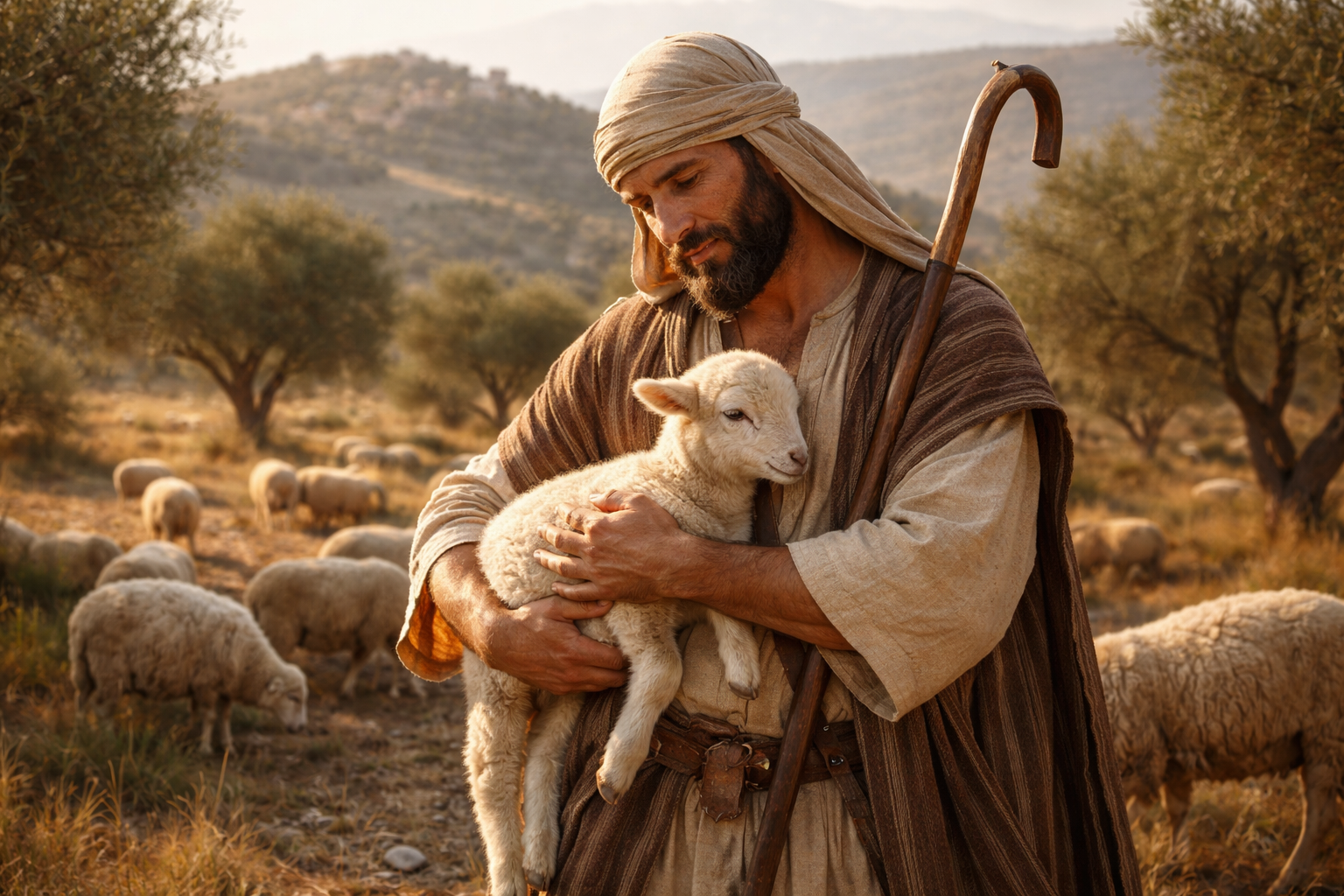

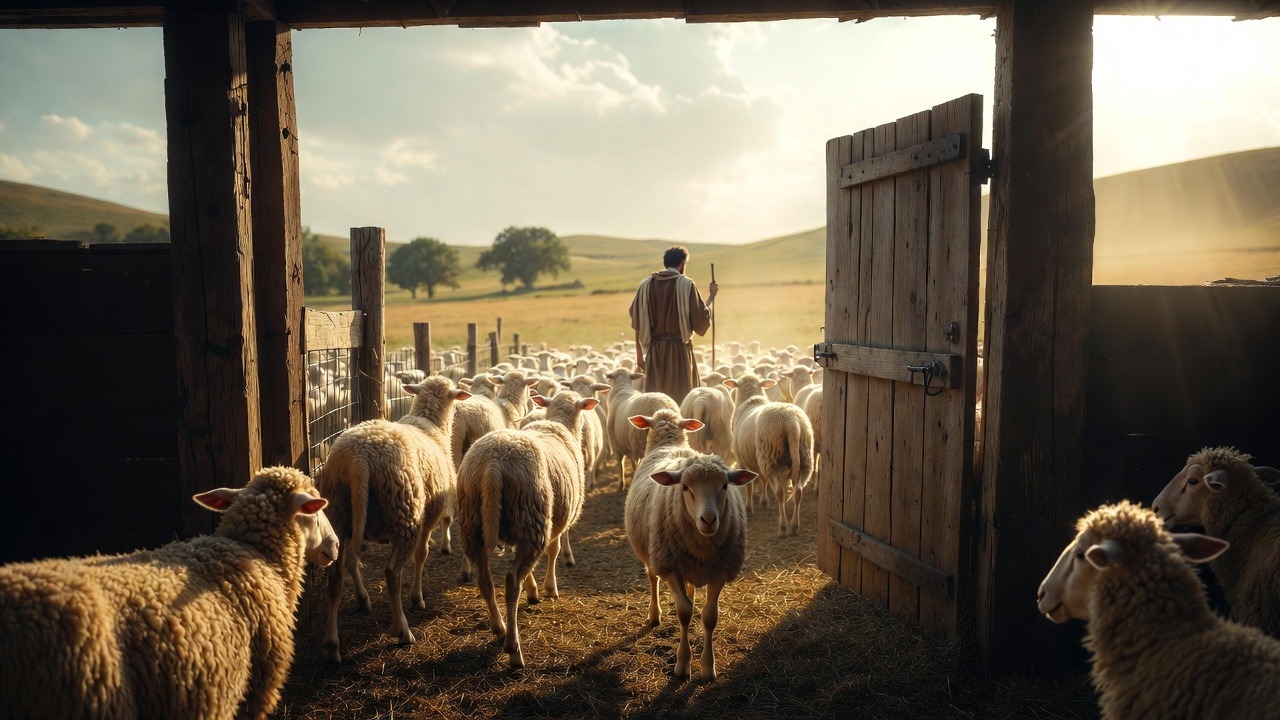


 ToBeLikeJesus