The Fear of Losing Community – #143

Index for all posts in the Gospel Sync Series

ENGLISH / ESPAÑOL

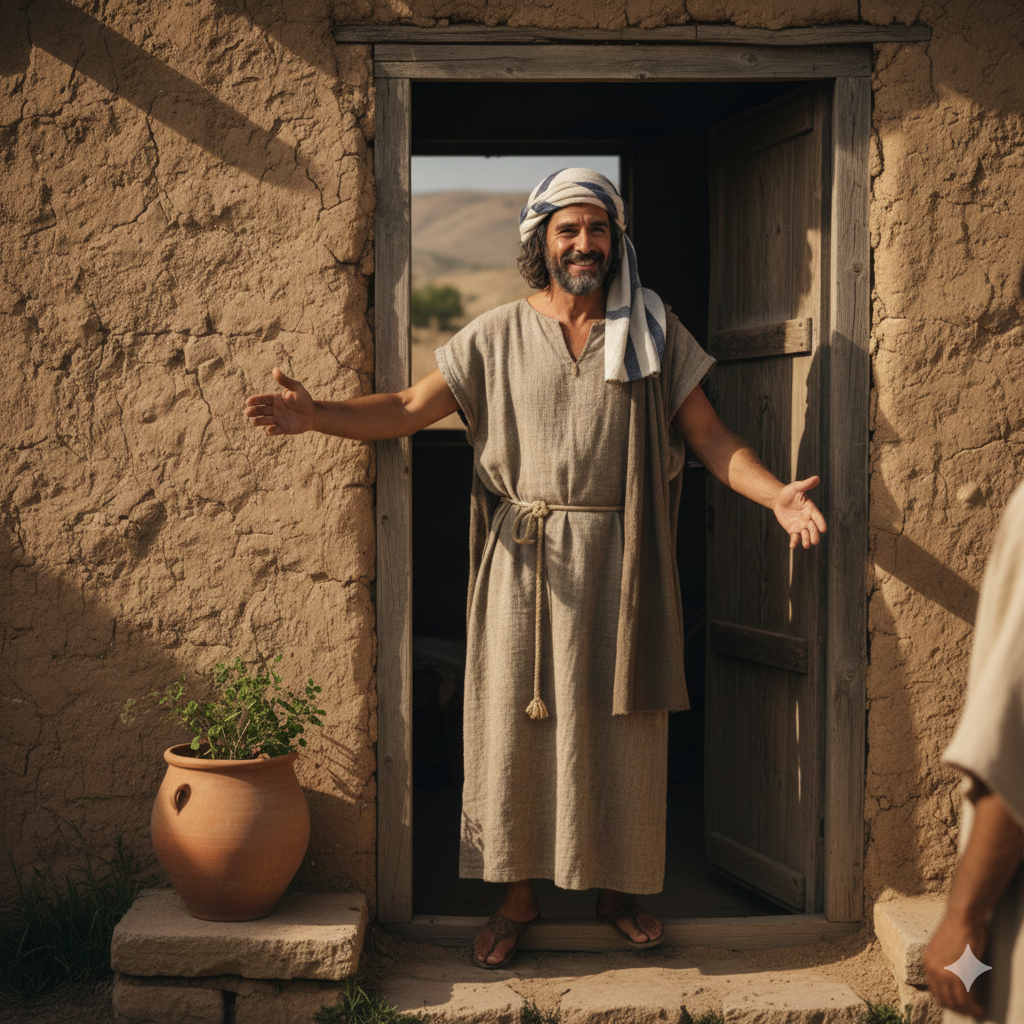
Welcome Back! Today, we’ll be looking at the Gospel of John to see how an older couple chose to fear the wrong relationship. 

So let’s get started.

(Click here to get a copy of the Gospel Sync document) 

John 9:17-23

So once again they asked the man who had been blind, “What do you say about Him, since it was your eyes He opened?” “He is a prophet,” the man replied. The Jews still did not believe that the man had been blind and had received his sight until they summoned his parents and asked, “Is this your son, the one you say was born blind? So how is it that he can now see?” His parents answered, “We know he is our son, and we know he was born blind. But how he can now see or who opened his eyes, we do not know. Ask him. He is old enough to speak for himself.” His parents said this because they were afraid of the Jews. For the Jews had already determined that anyone who confessed Jesus as the Christ would be put out of the synagogue. That was why his parents said, “He is old enough. Ask him.”

My Thoughts 

Fear is such a powerful motivator. It can be leveraged for good and evil. For instance; “The fear of the Lord is the beginning of wisdom” (Proverbs 9:10). But fear can also be very destructive, especially the fear of people. In this case, to acknowledge Jesus having healed their blind son, they would have to forfeit their community. They were afraid of getting kicked out of the synagogue. It would be like being excommunicated from your beloved church. You would lose all of your closest friends and maybe even some of your relatives. These days it may not seem like that big of a deal, we’d just go down the street and find another church. But that’s because most people don’t view the church the same as these people viewed the synagogue. It was their spiritual family, the avenue for hearing God’s Word, and might have had something to do with their livelihood as well. (www.kesherjournal.com)

Fear of losing your fellowship with family and other believers is almost an irresistible current. Like I said, it can be used for good and for evil. But when given a choice, people or God, the choice should be obvious. I found as a disciple maker that even though the answer should be simple, it’s not always easy. The tug of community is a strong pull and God usually tests our loyalties in this area. Jesus felt this pull many times with family and friends. He passed the test each time by knowing the right hard to do rather than choosing the wrong easy. He required the same of His disciples (Matthew 12:48–50, Mark 10:6–9, Luke 14:26–27, John 19:26–27).

Here’s where it gets tricky as a disciple maker; Are you setting people up to be loyal to you or to God? Are you disappointed when someone you are discipling chooses to go against your counsel because they believe God is calling them to do something different? Do you see people as your possessions or as God’s precious sheep in His flock and you are an undershepherd? These questions need to be answered because as a mentor, servant, friend, God will test both you and them to see where the supreme love lies. God will not be second. 

My Story

Losing our spiritual family is probably one of the hardest things I’ve ever experienced. Deb and I felt like God was calling us in a different direction and it caused a lot of friction. Thirty year friendships were being tested. There were mistakes and hurt feelings on both sides of the conflict. It was a “Paul & Barnabas Moment” (Acts 15:36-41). But I felt like I needed to risk the relationships rather than resist the calling of the Holy Spirit. My loyalties were to Jesus first. 

I like to say that God is obligated to test our loyalties to Him. It is the only way to see if we love Him with all our heart, soul, mind, and strength (Mark 12:30). These tests often come with plenty of misunderstandings, bruised egos, and anger. But we have to trust that God has our and the offended party’s best interest at heart. If we feel like God is calling us to something different, we need to obey God rather than fear the loss of relationships, no matter how dear they are to us. And we need to facilitate that separation in the most loving and peaceful manner possible (Romans 12:18).

Our Action Plan

Now it’s time for application. Here’s some ideas and questions;

  • When was the last time you disappointed family or friends to obey God?
  • Read Matthew 12:48–50 together and ask those you are discipling how they would apply the passage.
  • What would you fear most if you were asked to leave your church?

Fear is a God given emotion but like any other emotion, the enemy can leverage it for evil. Let’s let our loyalties to God be our chief motivation when it comes to our relationships with others. 

Organic Writing – No Artificial Intelligence or Sweeteners Added

Index for all posts in the Gospel Sync Series

El Miedo a Perder la Comunidad – #143

¡Bienvenidos de nuevo! Hoy analizaremos el Evangelio de Juan para ver cómo una pareja mayor decidió temer la relación equivocada.

Comencemos.

Juan 9:17-23

Así que volvieron a preguntarle al hombre que había sido ciego: «¿Qué dices de él, ya que te abrió los ojos?». «Es un profeta», respondió el hombre. Los judíos seguían sin creer que el hombre había sido ciego y había recuperado la vista, hasta que llamaron a sus padres y les preguntaron: «¿Es este tu hijo, el que dices que nació ciego? ¿Cómo es que ahora ve?». Sus padres respondieron: «Sabemos que es nuestro hijo y que nació ciego. Pero cómo ahora ve o quién le abrió los ojos, no lo sabemos. Pregúntenle a él. Tiene edad suficiente para hablar por sí mismo». Sus padres dijeron esto porque tenían miedo de los judíos, pues estos ya habían decidido que cualquiera que confesara que Jesús era el Cristo sería expulsado de la sinagoga. Por eso sus padres dijeron: «Tiene edad suficiente. Pregúntenle a él».

Mis Pensamientos

El miedo es un motivador muy poderoso. Puede usarse para bien o para mal. Por ejemplo: «El temor del Señor es el principio de la sabiduría» (Proverbios 9:10). Pero el miedo también puede ser muy destructivo, especialmente el miedo a las personas. En este caso, para reconocer que Jesús había sanado a su hijo ciego, tendrían que renunciar a su comunidad. Tenían miedo de ser expulsados ​​de la sinagoga. Sería como ser excomulgados de su amada iglesia. Perderían a todos sus amigos más cercanos y tal vez incluso a algunos familiares. Hoy en día puede que no parezca gran cosa; simplemente iríamos a la calle y buscaríamos otra iglesia. Pero eso se debe a que la mayoría de la gente no ve la iglesia de la misma manera que estas personas veían la sinagoga. Era su familia espiritual, la vía para escuchar la Palabra de Dios, y podría haber tenido algo que ver también con su sustento. (www.kesherjournal.com)

El miedo a perder la comunión con la familia y otros creyentes es casi una corriente irresistible. Como dije, se puede usar para bien y para mal. Pero cuando se da la opción, entre las personas o Dios, la elección debería ser obvia. Como hacedor de discípulos, descubrí que, aunque la respuesta debería ser simple, no siempre es fácil. La atracción de la comunidad es fuerte, y Dios suele poner a prueba nuestra lealtad en este aspecto. Jesús sintió esta atracción muchas veces con familiares y amigos. Superó la prueba cada vez al saber qué hacer bien, aunque difícil, en lugar de elegir qué hacer mal, aunque fácil. Exigió lo mismo de sus discípulos (Mateo 12:48-50; Marcos 10:6-9; Lucas 14:26-27; Juan 19:26-27).

Aquí es donde la cosa se complica como hacedor de discípulos: ¿Estás preparando a las personas para que sean leales a ti o a Dios? ¿Te decepcionas cuando alguien a quien discipulas decide ir en contra de tu consejo porque cree que Dios lo llama a hacer algo diferente? ¿Ves a las personas como tus posesiones o como las preciosas ovejas de Dios en su rebaño, y tú eres un pastor auxiliar? Estas preguntas necesitan respuesta porque, como mentor, siervo y amigo, Dios los pondrá a prueba a ambos para ver dónde reside el amor supremo. Dios no será el segundo.

Mi Historia

Perder a nuestra familia espiritual es probablemente una de las cosas más difíciles que he experimentado. Deb y yo sentíamos que Dios nos llamaba en una dirección diferente, lo que causó mucha fricción. Treinta años de amistad se estaban poniendo a prueba. Hubo errores y sentimientos heridos en ambos lados del conflicto. Fue un “momento Pablo y Bernabé” (Hechos 15:36-41). Pero sentí que debía arriesgar la relación en lugar de resistir el llamado del Espíritu Santo. Mi lealtad era primero para Jesús.

Me gusta decir que Dios está obligado a poner a prueba nuestra lealtad hacia él. Es la única manera de ver si lo amamos con todo nuestro corazón, alma, mente y fuerzas (Marcos 12:30). Estas pruebas a menudo vienen acompañadas de muchos malentendidos, egos heridos e ira. Pero debemos confiar en que Dios vela por nuestro bien y el de la parte ofendida. Si sentimos que Dios nos llama a algo diferente, debemos obedecerlo en lugar de temer la pérdida de relaciones, por muy queridas que sean. Y debemos facilitar esa separación de la manera más amorosa y pacífica posible (Romanos 12:18).

Nuestro Plan de Acción

Ahora es momento de aplicarlo. Aquí tienes algunas ideas y preguntas:

¿Cuándo fue la última vez que decepcionaste a familiares o amigos al no obedecer a Dios?

Lean juntos Mateo 12:48-50 y pregunten a quienes están discipulando cómo aplicarían el pasaje.

¿Qué temerías más si te pidieran que dejaras tu iglesia?

El miedo es una emoción dada por Dios, pero como cualquier otra emoción, el enemigo puede usarla para el mal. Dejemos que nuestra lealtad a Dios sea nuestra principal motivación en nuestras relaciones con los demás.

Escritura Orgánica – Sin Inteligencia Artificial ni Edulcorantes Añadidos

Si ve un problema importante en la traducción, envíeme una corrección por correo electrónico a charleswood1@gmail.com


Lessons from the Blindside – #142

Index for all posts in the Gospel Sync Series

ENGLISH / ESPAÑOL

Welcome Back! Today, we’ll be looking at the Gospel of John to learn the lesson on teachability.

So let’s get started.

(Click here to get a copy of the Gospel Sync document) 

John 9:8-16

At this, his neighbors and those who had formerly seen him begging began to ask, “Isn’t this the man who used to sit and beg?” Some claimed that he was, but others said, “No, he just looks like him.” But the man kept saying, “I am the one.” “How then were your eyes opened?” they asked. He answered, “The man they call Jesus made some mud and anointed my eyes, and He told me to go to Siloam and wash. So I went and washed and received my sight.” “Where is He?” they asked. “I do not know,” he answered.

They brought to the Pharisees the man who had been blind. Now the day on which Jesus had made the mud and opened his eyes was a Sabbath. So the Pharisees also asked him how he had received his sight. The man answered, “He put mud on my eyes, and I washed, and now I can see.” Because of this, some of the Pharisees said, “This man is not from God, for He does not keep the Sabbath.” But others said, “How can a sinful man perform such signs?” And there was division among them.

My Thoughts 

The religious leaders were so engrossed with the Law that they missed the Law Giver. They had become so fixated on the secondary that they became blind to the Primary. This is the downfall of pride. A person becomes so sure of themself’s that when the easy right answer slaps them in the face, it is unrecognizable. 

This gross error can happen to all of us but especially to those who are in professions of precision. You have to get things right and you work so hard at doing so, that you begin to believe you are the only one with the right answers. From scientists, to college professors, to generals, to doctors, and especially the religious, it is the potential blind spot of every “expert.”

This is why it is essential for us as disciple-makers to stay humble and teachable. The moment we think we are experts and stop learning is the moment we cease to be good disciples of Jesus ourselves. We need to strive to stay humble enough to even be taught by our students. 

My Story

I was sure I had him dead to rights! We had been arguing about a point for some minutes when I pinned him to the mat.  He had been trying to convince me that it was every disciple’s goal to become just like Jesus. Preposterous right? I confidently retorted “Jesus was God, He raised people from the dead.” I had him on the run now. I was a seminary grad and a pastor. He was just a…well… just a layman. 

His calm look and hushed question was like running into a wall at ninety miles an hour. “And no other human raised a person from the dead, right?” 

RATS! It was a reversal of my intellectual headlock and I was the one now receiving the ten count. Of course, Elijah, Elisha, Peter and Paul all raised people from the dead. As humility traded places with over confidence, the teacher was now being taught by the underling. I was now teachable and would soon learn from many others, including Jesus Himself, that discipleship was indeed the process of becoming more like the Master (Matthew 10:24-25, Luke 6:40, Romans 8:29, 1 John 2:6). 

Humble pie is very nourishing if digested properly. Stay teachable!

Our Action Plan

Now it’s time for application. Here’s some ideas;

  • Are you still learning or just in a teaching only mode?
  • Do you ask questions from a curiosity stance or just to instruct?
  • When was the last time you learned something from those you are mentoring?

Most of the religious leaders of Jesus’ day thought they had it all figured out. It is imperative we don’t fall into the same trap. Let’s commit ourselves to being life long learners and never think someone is too young or uneducated to teach us.

Organic Writing – No Artificial Intelligence or Sweeteners Added

Index for all posts in the Gospel Sync Series

Lecciones desde la Ciego – #142

¡Bienvenidos de nuevo! Hoy analizaremos el Evangelio de Juan para aprender la lección sobre la capacidad de aprender.

Comencemos.

Juan 9:8-16

Ante esto, sus vecinos y quienes antes lo habían visto mendigar comenzaron a preguntar: “¿No es este el hombre que se sentaba a mendigar?”. Algunos afirmaban que sí, pero otros decían: “No, solo se le parece”. Pero el hombre insistía: “Soy yo”. “¿Cómo, pues, se te abrieron los ojos?”, le preguntaron. Él respondió: “El hombre al que llaman Jesús hizo barro, me ungió los ojos y me dijo que fuera a Siloé a lavarme. Así que fui, me lavé y recobré la vista”. “¿Dónde está?”, preguntaron. “No lo sé”, respondió.

Llevaron ante los fariseos al hombre que había sido ciego. El día en que Jesús hizo barro y le abrió los ojos era sábado. Así que los fariseos también le preguntaron cómo había recobrado la vista. El hombre respondió: “Me puso barro en los ojos, me lavé y ahora veo”. Por eso algunos de los fariseos decían: «Este hombre no viene de Dios, porque no guarda el sábado». Pero otros decían: «¿Cómo puede un pecador realizar estas señales?». Y hubo división entre ellos.

Mis Pensamientos

Los líderes religiosos estaban tan absortos en la Ley que se perdieron al Legislador. Se habían obsesionado con lo secundario, cegando así a lo Primario. Esta es la ruina del orgullo. Una persona se vuelve tan segura de sí misma que, cuando la respuesta fácil y correcta le da una bofetada, es irreconocible.

Este grave error nos puede pasar a todos, pero especialmente a quienes se dedican a la precisión. Hay que hacer las cosas bien y se trabaja tan duro para lograrlo, que se empieza a creer que uno es el único con las respuestas correctas. Desde científicos hasta profesores universitarios, generales, médicos y, especialmente, los religiosos, es el punto ciego potencial de todo “experto”.

Por eso es esencial que, como hacedores de discípulos, nos mantengamos humildes y dispuestos a aprender. En el momento en que nos creemos expertos y dejamos de aprender, dejamos de ser buenos discípulos de Jesús. Debemos esforzarnos por mantener la humildad suficiente para que nuestros alumnos nos enseñen.

Mi Historia

¡Estaba seguro de que lo tenía en la mira! Llevábamos unos minutos discutiendo sobre un punto cuando lo tiré al suelo. Intentaba convencerme de que el objetivo de todo discípulo era ser como Jesús. ¿Absurdo, verdad? Repliqué con seguridad: «Jesús era Dios, resucitó a gente de entre los muertos». Ya lo tenía a la fuga. Yo era un graduado del seminario y pastor. Él era solo un… bueno… solo un laico.

Su mirada tranquila y su pregunta silenciosa fueron como chocar contra un muro a ciento cuarenta kilómetros por hora. «Y ningún otro ser humano resucitó a alguien de entre los muertos, ¿verdad?».

¡Ratas! Fue un cambio radical en mi llave intelectual y ahora era yo quien recibía la cuenta de diez. Por supuesto, Elías, Eliseo, Pedro y Pablo resucitaron a gente de entre los muertos. Mientras la humildad se intercambiaba con el exceso de confianza, el maestro ahora recibía la enseñanza del subordinado. Ahora era dócil y pronto aprendería de muchos otros, incluyendo a Jesús mismo, que el discipulado era, en efecto, el proceso de asemejarse más al Maestro (Mateo 10:24-25, Lucas 6:40, Romanos 8:29, 1 Juan 2:6).

La humildad es muy nutritiva si se digiere bien. ¡Mantén la disposición!

Nuestro Plan de Acción

Nuestro Plan de Acción

Ahora es momento de aplicarlo. Aquí tienes algunas ideas:

¿Sigues aprendiendo o solo te dedicas a enseñar?

¿Haces preguntas por curiosidad o solo para instruir?

¿Cuándo fue la última vez que aprendiste algo de quienes mentoreas?

La mayoría de los líderes religiosos de la época de Jesús creían tenerlo todo resuelto. Es imperativo que no caigamos en la misma trampa. Comprometámonos a aprender durante toda la vida y nunca pensemos que alguien es demasiado joven o inculto para enseñarnos.

Escritura Orgánica: Sin Inteligencia Artificial ni Edulcorantes Añadidos

Si ve un problema importante en la traducción, envíeme una corrección por correo electrónico a charleswood1@gmail.com
Somebody’s in Trouble! – #141

Index for all posts in the Gospel Sync Series

ENGLISH / ESPAÑOL

Welcome Back! Today, we’ll be looking at the Gospel of John to see how Jesus answers a question about suffering.

So let’s get started.

(Click here to get a copy of the Gospel Sync document) 

John 9:1–7

Now as Jesus was passing by, He saw a man blind from birth, and His disciples asked Him, “Rabbi, who sinned, this man or his parents, that he was born blind?” Jesus answered, “Neither this man nor his parents sinned, but this happened so that the works of God would be displayed in him. While it is daytime, we must do the works of Him who sent Me. Night is coming, when no one can work. While I am in the world, I am the light of the world.” When Jesus had said this, He spit on the ground, made some mud, and applied it to the man’s eyes. Then He told him, “Go, wash in the Pool of Siloam” (which means “Sent”). So the man went and washed, and came back seeing.

My Thoughts 

Here the disciples show that they are more superstitious than spiritual. It’s much like the time when people were talking about the atrocity of Pilate mixing some Galilean’s blood in a sacrifice or the horrific accident of the Tower of Siloam falling on some people, crushing them. It’s such a ” bad way to go” that they must have committed some heinous crime and God is punishing them, right? Not all tragedy is a result of sin. This kind of thinking isn’t too far from modern sophisticated people either. Ever hear of “karma.” I’ve heard a lot of people who profess to be followers of Jesus use this word to describe these kinds of situations. The Judeo-Christian equivalent may be “They reap what they sow.” To be sure, evil or even poor decisions bring about their results, but not all trouble, suffering, or trials are the result of sin. It is certainly not because of something we did in a past life (e.g., karma).

Jesus suffered for doing the right thing and many of His disciples have followed in His steps. Sometimes things happen, well, because they happen. And sometimes God is waiting for us to glorify Him by showing compassion, bringing comfort, and even healing to those who are suffering. My point is this; Let’s be slow to pull out the “sin card” when we see people going through the ringer. There could be a lot of different reasons God is allowing such things to happen in their lives. 

My Story

Why is this lesson so important to me? Well, I’m not always thinking someone else did something wrong when tragedy strikes. But I do ask “What did I do wrong?” every time I bump my head, stub my toe, or get a paper cut. (Well not every time but a lot of times). I think this is probably the enemy telling his little lies and us biting it hook, line, and sinker. Somewhere along the line I heard that if something bad happens to you, God is punishing you. Now does that sound like a good parent? Don’t get me wrong God disciplines those who are His children (Hebrews 12:6). But every bump and bruise? I doubt it! We need to remember the blind man and Jesus when bad things happen to us. Sometimes it’s for discipline, sometimes for edification, sometimes for His work and glory, and sometimes we were clumsy and just bumped our heads. 

Our Action Plan

Now it’s time for application. Here’s some ideas;

  • Have this discussion with those you are discipling and ask these questions
    • Why do you think the disciples ask this question of Jesus?
    • Do you think every time something bad happens to a person they did something wrong?
    • Where does this kind of thinking come from?

Some may ask, “Why do bad things happen to good people?” I like to ask, “Why do good things happen to bad people?” There’s probably a lot of explanations for both and a myriad of other circumstances. The key is not to just jump to conclusions. God may be doing something very different in people’s lives that we’d be shocked to discover. 

Organic Writing – No Artificial Intelligence or Sweeteners Added

Index for all posts in the Gospel Sync Series

¡Alguien está en problemas! – #141

¡Bienvenidos de nuevo! Hoy analizaremos el Evangelio de Juan para ver cómo Jesús responde a una pregunta sobre el sufrimiento.

¡Comencemos!

Juan 9:1-7

Al pasar Jesús, vio a un hombre ciego de nacimiento. Sus discípulos le preguntaron: «Rabí, ¿quién pecó, este o sus padres, para que naciera ciego?». Jesús respondió: «Ni este ni sus padres pecaron, sino para que las obras de Dios se manifestaran en él. Mientras es de día, debemos hacer las obras del que me envió. Viene la noche, cuando nadie puede trabajar. Mientras yo esté en el mundo, soy la luz del mundo». Dicho esto, Jesús escupió en tierra, hizo barro y se lo untó en los ojos. Luego le dijo: «Ve a lavarte en el estanque de Siloé (que significa «Enviado»). El hombre fue, se lavó y regresó viendo.

Mis Pensamientos

Aquí los discípulos demuestran que son más supersticiosos que espirituales. Es muy parecido a cuando se hablaba de la atrocidad de Pilato al mezclar sangre galilea en un sacrificio o del terrible accidente de la Torre de Siloé al caer sobre unas personas, aplastándolas. Es una “mala suerte” que debieron haber cometido algún crimen atroz y Dios los está castigando, ¿verdad? No toda tragedia es resultado del pecado. Este tipo de pensamiento tampoco es ajeno a la sofisticación moderna. ¿Has oído hablar del “karma”? He oído a muchos que se declaran seguidores de Jesús usar esta palabra para describir este tipo de situaciones. El equivalente judeocristiano podría ser: “Cosechan lo que siembran”. Sin duda, las malas decisiones, o incluso las malas, traen sus consecuencias, pero no todos los problemas, sufrimientos o pruebas son resultado del pecado. Ciertamente no se deben a algo que hicimos en una vida pasada (por ejemplo, el karma). Jesús sufrió por hacer lo correcto y muchos de sus discípulos han seguido sus pasos. A veces las cosas pasan, bueno, porque pasan. Y a veces Dios espera que lo glorifiquemos mostrando compasión, consolando e incluso sanando a quienes sufren. Mi punto es este: no nos dejemos llevar por el pecado cuando veamos a alguien pasando por momentos difíciles. Puede haber muchas razones por las que Dios permite que tales cosas sucedan en sus vidas.

Mi Historia

¿Por qué es tan importante esta lección para mí? Bueno, no siempre pienso que alguien más hizo algo mal cuando ocurre una tragedia. Pero sí me pregunto “¿Qué hice mal?” cada vez que me golpeo la cabeza, me golpeo el dedo del pie o me corto con un papel. (Bueno, no siempre, pero sí muchas veces). Creo que probablemente sea el enemigo contando sus pequeñas mentiras y nosotros mordiendo el anzuelo, el sedal y el plomo. En algún momento escuché que si algo malo te sucede, Dios te está castigando. ¿Suena eso como un buen padre? No me malinterpreten, Dios disciplina a quienes son sus hijos (Hebreos 12:6). ¿Pero cada golpe y moretón? ¡Lo dudo! Necesitamos recordar al hombre ciego y a Jesús cuando nos suceden cosas malas. A veces es para disciplina, a veces para edificación, a veces para su obra y gloria, y a veces fuimos torpes y simplemente nos golpeamos la cabeza.

Nuestro Plan de Acción

Ahora es momento de aplicarlo. Aquí tienen algunas ideas:

Conversen con quienes están discipulando y hagan estas preguntas:

  • ¿Por qué creen que los discípulos le hicieron esta pregunta a Jesús?
  • ¿Creen que cada vez que algo malo le sucede a alguien, hizo algo mal?
  • ¿De dónde viene este tipo de pensamiento?

Algunos podrían preguntarse: “¿Por qué le pasan cosas malas a la gente buena?”. A mí me gusta preguntar: “¿Por qué le pasan cosas buenas a la gente mala?”. Probablemente haya muchas explicaciones para ambas cosas y para una infinidad de otras circunstancias. La clave es no sacar conclusiones precipitadas. Dios podría estar haciendo algo muy diferente en la vida de las personas que nos sorprendería descubrir.

Escritura Orgánica – Sin Inteligencia Artificial ni Edulcorantes Añadidos

Si ve un problema importante en la traducción, envíeme una corrección por correo electrónico a charleswood1@gmail.com

The Real Jesus – #140

Index for all posts in the Gospel Sync Series

ENGLISH / ESPAÑOL

Welcome Back! Today, we’ll be looking at the Gospel of John to see what Jesus teaches about Himself. 

So let’s get started.

(Click here to get a copy of the Gospel Sync document) 

John 8:48-59

The Jews answered Him, “Are we not right to say that You are a Samaritan and You have a demon?” “I do not have a demon,” Jesus replied, “but I honor My Father, and you dishonor Me. I do not seek My own glory. There is One who seeks it, and He is the Judge. Truly, truly, I tell you, if anyone keeps My word, he will never see death.” “Now we know that You have a demon!” declared the Jews. “Abraham died, and so did the prophets, yet You say that anyone who keeps Your word will never taste death. Are You greater than our father Abraham? He died, as did the prophets. Who do You claim to be?” Jesus answered, “If I glorify Myself, My glory means nothing. The One who glorifies Me is My Father, of whom you say ‘He is our God.’ You do not know Him, but I know Him. If I said I did not know Him, I would be a liar like you. But I do know Him, and I keep His word. Your father Abraham rejoiced that he would see My day. He saw it and was glad.” Then the Jews said to Him, “You are not yet fifty years old, and You have seen Abraham?” “Truly, truly, I tell you,” Jesus declared, “before Abraham was born, I am!” At this, they picked up stones to throw at Him. But Jesus was hidden and went out of the temple area.

My Thoughts 

Jesus’ identity is of supreme importance to the disciple and disciple-maker alike. If we get this wrong, we get everything wrong. Jesus is God. He is the second person of the Trinity. God is the One true God. But God exists in three persons, the Father, the Son, and the Holy Spirit. Jesus is not the Father, nor the Holy Spirit although all three are separate and distinct persons but one God. As the writers of Scripture often refer to a “mystery,” this may be the greatest mystery of all—But it is true nonetheless and it is part of Jesus’ identity.

He is God in the flesh. He was born of a virgin, lived among us being self limited by time, space, and energy and died a physical death. He was raised from the dead and now sits at the right hand of the Father as King and ruler over everything.

These are the things He claimed about Himself and the Old Testament Scriptures affirm from Moses and through all the prophets. These claims may sound absurd to the skeptic but were downright blasphemous to the Jews. He declared that He was “I AM.” The very name God gave to Himself as He spoke to Moses from the burning bush (Exodus 3:1-15). This is why they “picked up stones to throw at Him.” They wanted to kill Him for this offence. He had taken the name of God because it is rightfully His.

So why is this theological mystery so important for the disciple to grasp and the disciple-maker to teach? Because so many have gotten it wrong over the years. Many have taught variants of the doctrine. For example, heretics have taught, “Jesus is the Father and the Holy Spirit” or “Jesus is God but you can be a God too.” Whether slightly off or way off on this essential doctrine, it’s like leaping from one twenty story building to another. If you miss by a city block or by six inches, the results are the same, death. And believe me, the people you are discipling will run into this heretical teaching. You need to be prepared to untangle the mess others have instigated.

In pointing out these things to the brethren, you will be a good servant of Christ Jesus, constantly nourished on the words of the faith and of the sound doctrine which you have been following. (1 Timothy 4:6)

(Genesis 1:1-3; Isaiah 48:16; Matthew 3:16-17; Matthew 28:19; John 1:1, 14; John 14:16-17; John 15:26; John 17:5; Romans 1:7; Romans 9:5; 1 Corinthians 8:6; 1 Corinthians 12:4-6; 2 Corinthians 13:14; Galatians 4:6; Ephesians 4:4-6; Colossians 2:9; Hebrews 1:8; 1 Peter 1:2; 1 John 5:7-8; Acts 5:3-4; Matthew 13:11; Mark 4:11; Luke 8:10; Romans 11:25; Romans 16:25; 1 Corinthians 2:7; 1 Corinthians 15:51; Ephesians 1:9; Ephesians 3:3-5, 9; Ephesians 5:32; Ephesians 6:19; Colossians 1:26-27; Colossians 2:2; Colossians 4:3; 2 Thessalonians 2:7; 1 Timothy 3:9, 16; Revelation 1:20; Revelation 10:7; Revelation 17:5, 7)

My Story

I was a brand new baby Christian and the word spread rapidly through my platoon and even reached the ears of the Battalion Chaplain that I had become a follower of Jesus. My squad leader and my chaplain were Mormons and went to work on recruiting me to their “church.” Some of the things they said were so right on and then there were other things that made me squirm when I heard them. They gave me the Book of Mormon to read (without ever asking if I was reading the Bible). The book was suspect from the beginning, and it gave me the heebie-jeebies. One morning I stood over a trashcan and prayed, “God, if this book is true, don’t let it fall into the trash.” Thud! Real mature, right? 

But with no one discipling me at the time I believe the Holy Spirit was protecting me. At the time I didn’t know that they believed Jesus was “born” of the heavenly father and heavenly mother and was the brother of Satan. I didn’t know that they believed that Jesus was god but you can become a god too. All heresy and a gross misidentification of who Jesus is. Later the men who discipled me would clarify some of these strange teachings and set the record straight from the Word of God. We notice from the Holy Bible that Jesus’ true identity matters. It mattered to Him and it should matter to us because it’s a matter of worshiping the true Jesus the King or a False Jesus, an anti-christ and false god. 

Our Action Plan

Now it’s time for application. Here’s some ideas;

  • Do a study on the Doctrine of Christ’s Deity
  • Prepare a short lesson or illustration to communicate this essential doctrine to those you are discipling
  • Pray that you and those you are discipling will not fall under the influence of false teaching

Theology is the “Study of God” and it is for all believers to take seriously. It’s not just for pastors and seminary professors. As we read the Scriptures we are learning more and more about our God. In fact this is how Jesus defines eternal life;

This is eternal life, that they may know You, the only true God, and Jesus Christ whom You have sent. (John 17:3)

Organic Writing – No Artificial Intelligence or Sweeteners Added

Index for all posts in the Gospel Sync Series

El verdadero Jesús – #140

¡Bienvenidos de nuevo! Hoy estudiaremos el Evangelio de Juan para ver qué enseña Jesús acerca de sí mismo.

Comencemos.

Juan 8:48-59

Los judíos le respondieron: «¿No tenemos razón al decir que eres samaritano y que estás endemoniado?». «No estoy endemoniado —respondió Jesús—, sino que honro a mi Padre, y ustedes me deshonran. Yo no busco mi propia gloria; hay quien la busca, y él es el Juez. Les aseguro que quien guarda mi palabra no morirá jamás». «¡Ahora sabemos que estás endemoniado! —exclamaron los judíos—. Abraham murió, y también los profetas; sin embargo, tú dices que quien guarda tu palabra no morirá jamás. ¿Acaso eres tú mayor que nuestro padre Abraham? Él murió, como también los profetas. ¿Quién te crees que eres?». Jesús respondió: «Si yo me glorificara a mí mismo, mi gloria no valdría nada. Quien me glorifica es mi Padre, de quien ustedes dicen: “Él es nuestro Dios”. Ustedes no lo conocen, pero yo sí. Si dijera que no lo conozco, sería un mentiroso como ustedes. Pero lo conozco y cumplo su palabra. Su padre Abraham se regocijó al pensar que vería mi día. Y lo vio y se alegró». Entonces los judíos le dijeron: «¿Todavía no tienes cincuenta años y ya has visto a Abraham?». «Les aseguro —afirmó Jesús— que antes de que Abraham naciera, yo soy». Al oír esto, tomaron piedras para arrojárselas. Pero Jesús se ocultó y salió del templo.

Mis Pensamientos

La identidad de Jesús es de suma importancia tanto para el discípulo como para el formador de discípulos. Si nos equivocamos en esto, nos equivocamos en todo. Jesús es Dios. Es la segunda persona de la Trinidad. Dios es el único Dios verdadero. Pero Dios existe en tres personas: el Padre, el Hijo y el Espíritu Santo. Jesús no es el Padre ni el Espíritu Santo, aunque los tres son personas separadas y distintas, sino un solo Dios. Como los autores de las Escrituras a menudo se refieren a un «misterio», este puede ser el mayor misterio de todos; sin embargo, es cierto y forma parte de la identidad de Jesús.

Él es Dios encarnado. Nació de una virgen, vivió entre nosotros, limitado por el tiempo, el espacio y la energía, y murió físicamente. Resucitó de entre los muertos y ahora está sentado a la diestra del Padre como Rey y soberano de todo.

Esto es lo que Él afirmó sobre sí mismo y lo que las Escrituras del Antiguo Testamento confirman desde Moisés y a través de todos los profetas. Estas afirmaciones pueden sonar absurdas para el escéptico, pero eran francamente blasfemas para los judíos. Él declaró ser «YO SOY». El mismo nombre que Dios se dio a sí mismo al hablar con Moisés desde la zarza ardiente (Éxodo 3:1-15). Por eso «tomaron piedras para arrojárselas». Querían matarlo por esta ofensa. Él había tomado el nombre de Dios porque le pertenece por derecho.

Entonces, ¿por qué es tan importante que el discípulo comprenda este misterio teológico y que el formador de discípulos lo enseñe? Porque muchos lo han malinterpretado a lo largo de los años. Muchos han enseñado variantes de la doctrina. Por ejemplo, los herejes han enseñado: «Jesús es el Padre y el Espíritu Santo» o «Jesús es Dios, pero tú también puedes ser un dios». Ya sea que se desvíe un poco o mucho de esta doctrina esencial, es como saltar de un edificio de veinte pisos a otro. Si fallas por una manzana o por quince centímetros, el resultado es el mismo: la muerte. Y créeme, las personas a las que estás discipulando se encontrarán con esta enseñanza herética. Debes estar preparado para desenredar el lío que otros han provocado.

Al señalar estas cosas a los hermanos, serás un buen servidor de Cristo Jesús, alimentado constantemente con las palabras de la fe y de la sana doctrina que has estado siguiendo. (1 Timoteo 4:6)

(Génesis 1:1-3; Isaías 48:16; Mateo 3:16-17; Mateo 28:19; Juan 1:1, 14; Juan 14:16-17; Juan 15:26; Juan 17:5; Romanos 1:7; Romanos 9:5; 1 Corintios 8:6; 1 Corintios 12:4-6; 2 Corintios 13:14; Gálatas 4:6; Efesios 4:4-6; Colosenses 2:9; Hebreos 1:8; 1 Pedro 1:2; 1 Juan 5:7-8; Hechos 5:3-4; Mateo 13:11; Marcos 4:11; Lucas 8:10; Romanos 11:25; Romanos 16:25; 1 Corintios) 2:7; 1 Corintios 15:51; Efesios 1:9; Efesios 3:3-5, 9; Efesios 5:32; Efesios 6:19; Colosenses 1:26-27; Colosenses 2:2; Colosenses 4:3; 2 Tesalonicenses 2:7; 1 Timoteo 3:9, 16; Apocalipsis 1:20; Apocalipsis 10:7; Apocalipsis 17:5, 7)

Mi Historia

Yo era un cristiano recién convertido y la noticia se extendió rápidamente por mi pelotón, llegando incluso a oídos del capellán del batallón: me había convertido en seguidor de Jesús. Mi jefe de escuadra y mi capellán eran mormones y se pusieron manos a la obra para reclutarme para su “iglesia”. Algunas de las cosas que decían eran muy acertadas, pero otras me incomodaban profundamente. Me dieron el Libro de Mormón para leer (sin siquiera preguntarme si leía la Biblia). El libro me pareció sospechoso desde el principio y me daba muy mala espina. Una mañana, de pie junto a un cubo de basura, oré: “Dios, si este libro es verdad, no dejes que caiga en la basura”. ¡Zas! ¡Qué maduro, ¿verdad?!

Pero como nadie me estaba discipulando en ese momento, creo que el Espíritu Santo me protegía. En aquel entonces, no sabía que creían que Jesús había “nacido” del Padre Celestial y la Madre Celestial y que era hermano de Satanás. No sabía que creían que Jesús era Dios, pero que uno también puede convertirse en dios. Todo eso era una herejía y una grave tergiversación de quién es Jesús. Más tarde, los hombres que me discipularon aclararon algunas de estas extrañas enseñanzas y establecieron la verdad con la Palabra de Dios. Observamos en la Santa Biblia que la verdadera identidad de Jesús es importante. Era importante para Él y debería serlo para nosotros, porque se trata de adorar al verdadero Jesús, el Rey, o a un falso Jesús, un anticristo y un falso dios.

Nuestro Plan de Acción

Ahora es el momento de ponerlo en práctica. Aquí tienes algunas ideas:

Estudia la doctrina de la deidad de Cristo.

Prepara una breve lección o ilustración para comunicar esta doctrina esencial a aquellos a quienes estás discipulando.

Ora para que ni tú ni aquellos a quienes estás discipulando caigan bajo la influencia de falsas enseñanzas.

La teología es el «estudio de Dios» y todos los creyentes deben tomarla en serio. No es solo para pastores y profesores de seminario. Al leer las Escrituras, aprendemos cada vez más acerca de nuestro Dios. De hecho, así es como Jesús define la vida eterna:

«Esta es la vida eterna: que te conozcan a ti, el único Dios verdadero, y a Jesucristo, a quien has enviado» (Juan 17:3).

Redacción orgánica: sin inteligencia artificial ni añadidos.

Si ve un problema importante en la traducción, envíeme una corrección por correo electrónico a charleswood1@gmail.com

Truth in a World of Lies – #139

Index for all posts in the Gospel Sync Series

ENGLISH / ESPAÑOL

Welcome Back! Today, we’ll be looking at the Gospel of John to see what Jesus has to say about truth. 

So let’s get started.

(Click here to get a copy of the Gospel Sync document) 

John 8:39-47 

“Abraham is our father,” they replied. “If you were children of Abraham,” said Jesus, “you would do the works of Abraham. But now you are trying to kill Me, a man who has told you the truth that I heard from God. Abraham never did such a thing. You are doing the works of your father.” “We are not illegitimate children,” they declared. “Our only Father is God Himself.” Jesus said to them, “If God were your Father, you would love Me, for I have come here from God. I have not come on My own, but He sent Me. Why do you not understand what I am saying? It is because you are unable to accept My message. You belong to your father, the devil, and you want to carry out his desires. He was a murderer from the beginning, refusing to uphold the truth, because there is no truth in him. When he lies, he speaks his native language, because he is a liar and the father of lies. But because I speak the truth, you do not believe Me! Which of you can prove Me guilty of sin? If I speak the truth, why do you not believe Me? Whoever belongs to God hears the words of God. The reason you do not hear is that you do not belong to God.”

My Thoughts 

The truth. There’s a lot of discussion around the truth today. In fact, since the very beginning, there’s been a lot of talk about the definition of truth. When we were granted the incredible “gift” of the knowledge of good and evil [tongue in cheek] from the father of lies, there’s been nothing but confusion on the topic. And the father of lies likes it that way. The muddier the water, the better. 

Man, in his imperfect knowledge of good and evil, has tried to reimagine truth for himself. It’s funny how it almost always tends to bend in the direction of the beneficiary. If I need more money, it’s ok to take it from someone who is wealthy even though they put in the hard work to earn it. If I don’t like my gender, it’s ok to pretend that I’m the opposite and ignore simple biological laws. If I want to marry someone of the same sex, I simply vote in favor of someone with no respect for God’s design. It’s all ok to change the truth as long as it benefits me and my desires, no matter how many other truths it violates. 

I’m sorry but man’s definition of truth (which ultimately comes from the father of lies who has been duping us from the beginning) isn’t working. Globally, we are very confused, very unhappy, and mental illness is at an all time high. We need something outside our self serving tendencies to dictate the truth. We need an instrument that is tried and true to draw the straight line between falsehood and reality. That instrument is God, the Father of truth. He has personified truth in His Son, Jesus Christ, and has given us a way to correct what has been warped by our arch enemy, the father of lies. And one of the greatest gifts God has given us is His Word. The Bible does not contain all truth but it is the absolute best primer for truth and we would do well to saturate ourselves with it on a daily basis. God and His Word are the only things keeping us from being overwhelmed by the titlewave of lies coming our way day and day out.

My Story

I was in the National Guard as a weekend warrior during my time in seminary. I had a Major who was a judge for a day job approach me and asked, 

“Sergeant Wood, if I could prove beyond the shadow of doubt that Jesus never existed, would you believe me?” 

Apparently he had been ambushing unexpecting Christians with this question for quite some time. 

To which I responded without a second’s hesitation, “YES!” He looked at me with a dumbfounded expression and said, “You’re the first Christian who ever answered me that way.” 

I replied, “Well sir, I am in pursuit of the truth and if you could prove to me that Jesus never existed and I continued to believe a lie, I’d be a fool.”

There was an awkward pause and I continued, “But sir, you and I both know you can’t prove Jesus never existed. I don’t follow Jesus because my grandmother told me to. I’ve done my homework. I know that the historical Jesus not only lives, He has changed my life.”

I wish I could say that the Major repented and came to Christ but to my knowledge no such miracle happened. I can say this though, he never challenged my faith in Jesus again.

Our Action Plan

Now it’s time for application. Here’s some ideas;

– What are some lies that recently tripped you up or those you are discipling?

– What truths did you combat those lies with? 

– Make a list of the common lies people believe and are in bondage to.

We have been fed the lies of the enemy since coming into this world. Some have unknowingly shaped our lives and hold us in bondage. Others we have readily recognized and combat them with the truth. Let’s pursue Jesus, the personification of truth, with everything we have in order to shed light on what is still dark in our own lives but also to be examples to those lost in that darkness.  

Organic Writing – No Artificial Intelligence or Sweeteners Added

Index for all posts in the Gospel Sync Series

La verdad en un mundo de mentiras – #139

¡Bienvenidos de nuevo! Hoy analizaremos el Evangelio de Juan para ver qué dice Jesús sobre la verdad.

Comencemos.

Juan 8:39-47

«Nuestro padre es Abraham», respondieron. «Si fueran hijos de Abraham —dijo Jesús—, harían las obras de Abraham. Pero ahora intentan matarme a mí, un hombre que les ha dicho la verdad que oí de Dios. Abraham jamás hizo tal cosa. Ustedes hacen las obras de su padre». «No somos hijos ilegítimos —declararon—. Nuestro único Padre es Dios mismo». Jesús les dijo: «Si Dios fuera su Padre, me amarían, porque he venido de Dios. No he venido por mi propia cuenta, sino que él me envió. ¿Por qué no entienden lo que les digo? Porque no pueden aceptar mi mensaje. Ustedes son de su padre, el diablo, y quieren cumplir sus deseos. Él fue un asesino desde el principio, y no defendió la verdad, porque no hay verdad en él. Cuando miente, habla su propio idioma, porque es mentiroso y padre de la mentira. Pero como les digo la verdad, ¿no me creen? ¿Quién de ustedes puede probar que he pecado? Si les digo la verdad, ¿por qué no me creen? El que pertenece a Dios escucha las palabras de Dios. Ustedes no las escuchan porque no pertenecen a Dios».

Mis Pensamientos

La verdad. Hoy en día se habla mucho de la verdad. De hecho, desde el principio de los tiempos se ha hablado mucho de su definición. Cuando el padre de la mentira nos concedió el increíble «don» del conocimiento del bien y del mal [irónicamente], no ha habido más que confusión al respecto. Y al padre de la mentira le conviene que sea así. Cuanto más turbia esté la situación, mejor.

El ser humano, con su conocimiento imperfecto del bien y del mal, ha intentado reimaginar la verdad a su manera. Es curioso cómo casi siempre tiende a favorecer al beneficiario. Si necesito más dinero, no me importa quitárselo a alguien rico, aunque se lo haya ganado con esfuerzo. Si no me gusta mi género, no me importa fingir que soy del otro e ignorar las leyes biológicas básicas. Si quiero casarme con alguien del mismo sexo, simplemente voto por alguien que no respeta el designio divino. Está bien alterar la verdad siempre y cuando me beneficie a mí y a mis deseos, sin importar cuántas otras verdades viole.

Lo siento, pero la definición humana de verdad (que en última instancia proviene del padre de la mentira, quien nos ha engañado desde el principio) no funciona. A nivel mundial, estamos muy confundidos, muy infelices y la enfermedad mental está en su punto más alto. Necesitamos algo ajeno a nuestras tendencias egoístas para que nos dicte la verdad. Necesitamos un instrumento probado y verdadero para trazar la línea entre la falsedad y la realidad. Ese instrumento es Dios, el Padre de la verdad. Él personificó la verdad en su Hijo, Jesucristo, y nos ha dado una manera de corregir lo que ha sido distorsionado por nuestro archienemigo, el padre de la mentira. Y uno de los mayores regalos que Dios nos ha dado es su Palabra. La Biblia no contiene toda la verdad, pero es la mejor guía para la verdad y haríamos bien en empaparnos de ella diariamente. Dios y su Palabra son lo único que nos impide ser abrumados por la ola de mentiras que nos llega día tras día.

Mi Historia

Durante mi época de seminario, serví en la Guardia Nacional los fines de semana. Un mayor, que también era juez, se me acercó y me preguntó:

«Sargento Wood, si pudiera demostrar sin lugar a dudas que Jesús nunca existió, ¿me creería?».

Al parecer, llevaba tiempo sorprendiendo a cristianos desprevenidos con esta pregunta.

A lo que respondí sin dudarlo un segundo: «¡Sí!». Me miró atónito y dijo: «Eres el primer cristiano que me responde así».

Le contesté: «Bueno, señor, estoy buscando la verdad, y si usted pudiera demostrarme que Jesús nunca existió y yo siguiera creyendo en una mentira, sería un necio».

Hubo una pausa incómoda y continué: «Pero, señor, usted y yo sabemos que no puede probar que Jesús nunca existió. No sigo a Jesús porque mi abuela me lo dijera. He investigado. Sé que el Jesús histórico no solo vive, sino que ha transformado mi vida».

Ojalá pudiera decir que el Mayor se arrepintió y se convirtió al cristianismo, pero que yo sepa, no ocurrió tal milagro. Sin embargo, puedo decir que nunca más puso en duda mi fe en Jesús.

Nuestro Plan de Acción

Ahora es el momento de aplicarlo. Aquí tienes algunas ideas:

– ¿Qué mentiras te han hecho tropezar recientemente, o a quienes estás discipulando?

– ¿Con qué verdades combatiste esas mentiras?

– Haz una lista de las mentiras comunes que la gente cree y a las que está esclavizada.

Desde que llegamos a este mundo, nos han alimentado con las mentiras del enemigo. Algunas, sin que nos demos cuenta, han moldeado nuestras vidas y nos mantienen cautivos. Otras las hemos reconocido fácilmente y las combatimos con la verdad. Busquemos a Jesús, la personificación de la verdad, con todo nuestro empeño para iluminar lo que aún está oscuro en nuestras vidas y también para ser ejemplos para quienes están perdidos en esa oscuridad.

Escritura orgánica: sin inteligencia artificial ni añadidos artificiales.

Si ve un problema importante en la traducción, envíeme una corrección por correo electrónico a charleswood1@gmail.com

Believer vs Disciple? – #138

Index for all posts in the Gospel Sync Series

ENGLISH / ESPAÑOL

Welcome Back! Today, we’ll be looking at the Gospel of John to see what Jesus says about believing and discipleship.

So let’s get started.

(Click here to get a copy of the Gospel Sync document) 

John 8:31-38

So He said to the Jews who had believed Him, “If you continue in My word, you are truly My disciples. Then you will know the truth, and the truth will set you free.” “We are Abraham’s descendants,” they answered. “We have never been slaves to anyone. How can You say we will be set free?” Jesus replied, “Truly, truly, I tell you, everyone who sins is a slave to sin. A slave is not a permanent member of the family, but a son belongs to it forever. So if the Son sets you free, you will be free indeed. I know you are Abraham’s descendants, but you are trying to kill Me because My word has no place within you. I speak of what I have seen in the presence of the Father, and you do what you have heard from your father.”

My Thoughts

There are so many directions to go with this passage. We could talk about the truth and its ability to set one free. We could talk about being a slave to sin. We could talk about the fact that these would-be believers didn’t even acknowledge their own history – “We have never been slaves to anyone.” (Really? The Egyptians, Philistines, Syrians, and Babylonians, just to name a few?) These are all interesting topics and each worthy of a deep dive on their own. But since this series is all about disciplemaking, I’ll focus on that first statement Jesus made; “If you continue in My word, you are truly My disciples.”

Notice first that Jesus is talking to “believers.” And then Jesus makes a distinction between them and those who are “truly” His disciples. True disciples of Jesus keep His word, they obey His commands, they have a life that reflects their Master’s. Now it’s passages like these that have led people to make a distinction between a “convert” and a “disciple.” They think that since there were believers, it must mean that they were in the kingdom. But if we read just a little further in the passage, Jesus reveals their true identity;

You belong to your father, the devil, and you want to carry out his desires. (John 8:44)

Is this something Jesus would say to “true believers?” I don’t think so! Jesus was calling them out. They had made some kind of intellectual assumption about the Rabbi that taught them but they were not His disciples. A true believer, a disciple conforms his or her life to the Master’s word.

But Chuck, isn’t that earning your salvation by works?

No, it’s by grace. But it is interesting that Jesus wasn’t afraid to be misunderstood in this theological issue either. When the rich young ruler asked what he must do to inherit eternal life, Jesus’ response was to keep the commands. And when the man said he had, Jesus said sell it all and follow me. And when people want to follow Him or He challenges others to follow Him, His admonition was summed up in the cost of discipleship.

As they were going along the road, someone said to Him, “I will follow You wherever You go.” And Jesus said to him, “The foxes have holes and the birds of the air have nests, but the Son of Man has nowhere to lay His head.” And He said to another, “Follow Me.” But he said, “Lord, permit me first to go and bury my father.” But He said to him, “Allow the dead to bury their own dead; but as for you, go and proclaim everywhere the kingdom of God.” Another also said, “I will follow You, Lord; but first permit me to say good-bye to those at home.” But Jesus said to him, “No one, after putting his hand to the plow and looking back, is fit for the kingdom of God.” (Luke 9:57-62)

This is why people and even many theologians are asking; “Where’s the grace?” “This must be some mistake Jesus.” “Surely a person can follow you without having to meet such high standards like these and ‘continuing in Your word.’” “There must be a difference between being a believer and being a disciple?”

And this is exactly what Jesus is addressing. There is no such distinction. A true believer is a disciple and a true disciple is a believer.

But what about grace!?

Grace is evident in a person who would actually have the desire to reach such high goals in discipleship. Grace is given to the person whose conscience is actually pricked by the statements Jesus makes and doesn’t offer up rebuttals and excuses. Grace is evident in a person’s willingness to pursue such a relationship with Jesus. This desire and willingness is not natural. It’s a supernatural gift from God. It’s called grace. Grace not only ushers us into the initial acceptance of the Savior. It sustains us as we serve Him as Lord.

I like what Dallas Willard says about apparent conundrum of being saved by grace but being required to obey His commands;

“The true saint burns grace like a 747 jet burns fuel on takeoff. Become the kind of person who routinely does what Jesus did and said. You will consume much more grace by leading a holy life than you will be sinning, because every holy act you do will have to be upheld by the grace of God.” (p. 62, The Great Omission)

“Grace is not opposed to effort, it is opposed to earning.  Earning is an attitude.  Effort is an action…  In fact, nothing inspires and enhances effort like the experience of grace” (p. 61, 80, The Great Omission).

My Story

I was fresh out of seminary and I had been exposed to some new teachings. It was teaching about the grace of God. I remember a discussion I had with a friend about my new found excitement about the gift God lavishes on all believers. The response was a “wet blanket” on all my enthusiasm. I was told “people in the church are hearing way too much about grace and not enough about obedience.”

What?! That’s not what I read in my Bible and that’s not what I hear Jesus saying to the Samaritan Woman, and Zaccheus, the story about the Prodigal Son, the Thief on the Cross. That’s not what I hear Paul saying about the Christian life in Romans. What I was hearing from God through His Word is that grace was truly amazing as the song writer, John Newton, put it. And without grace we are all sunk, not only in our initial entrance into the kingdom but in the persevering force that keeps us there. My friend, and many others, had separated conversion and discipleship. They were reacting to the “cheap grace” Dietrich Bonhoeffer wrote about and which was so evident in the church and still is today. But the pendulum had swung too far the other direction.

I have a saying; “Reactionary theology leads to pendulum theology and pendulum theology leads to bad theology.” Grace provides the power to obey.

I had to go back to the Scriptures and wrestle with the tension between how Jesus defines discipleship and what He says about those who are really saved. My conclusion was it is all by grace.

Our Action Plan

Now it’s time for application. Here’s some ideas;

Do a Bible study on Jesus’ declarative statements on who is saved and how they received salvation (Luke 5:1-11, 7:36-50, 15:11-21, 18:9-14, 19:1-10, 23:32-43, John 4:4-38)

Do Bible study on how by God’s Grace one enters into eternal life (Luke 19:10, John 6:37, 39-40, 44, 65; 10:28-29; 17:2)

Do these studies with those you are discipling.

There is no distinction between a true believer and a disciple of Jesus Christ. Grace ushers us into a relationship with God, it gives the power to keep His Word, and it sustains us to the end. We must be willing but make no mistake, no person would be able to even have a desire to follow Jesus unless God took the initiative and empowered such a one.

Organic Writing – No Artificial Intelligence or Sweeteners Added

Index for all posts in the Gospel Sync Series

¿Creyente o discípulo? – #138

¡Bienvenidos de nuevo! Hoy analizaremos el Evangelio de Juan para ver qué dice Jesús sobre la fe y el discipulado.

Comencemos.

Juan 8:31-38

Entonces les dijo a los judíos que habían creído en él: «Si permanecen fieles a mi palabra, serán verdaderamente mis discípulos; y conocerán la verdad, y la verdad los hará libres». «Somos descendientes de Abraham —respondieron—. Nunca hemos sido esclavos de nadie. ¿Cómo puedes decir que seremos libres?». Jesús les contestó: «Les aseguro que todo aquel que peca es esclavo del pecado. El esclavo no permanece en la familia, pero el hijo sí. Así que, si el Hijo los libera, serán verdaderamente libres. Sé que son descendientes de Abraham, pero intentan matarme porque mi palabra no tiene cabida en ustedes. Yo hablo de lo que he visto en presencia del Padre; ustedes hacen lo que han oído de su Padre».

Mis Pensamientos

Este pasaje ofrece muchas interpretaciones. Podríamos hablar de la verdad y su poder liberador. Podríamos hablar de la esclavitud del pecado. Podríamos hablar de que estos aspirantes a creyentes ni siquiera reconocían su propia historia: «Jamás hemos sido esclavos de nadie». (¿En serio? ¿De los egipcios, filisteos, sirios y babilonios, por nombrar solo algunos?). Todos estos son temas interesantes y merecen un análisis profundo. Pero como esta serie trata sobre la formación de discípulos, me centraré en la primera afirmación de Jesús: «Si permanecen fieles a mi palabra, serán verdaderamente mis discípulos».

Primero, observemos que Jesús se dirige a los «creyentes». Y luego, Jesús distingue entre ellos y los que son «verdaderamente» sus discípulos. Los verdaderos discípulos de Jesús guardan su palabra, obedecen sus mandamientos y viven una vida que refleja la de su Maestro. Son pasajes como estos los que han llevado a algunas personas a distinguir entre un «converso» y un «discípulo». Piensan que, como había creyentes, eso significa que estaban en el reino. Pero si leemos un poco más adelante en el pasaje, Jesús revela su verdadera identidad:

«Ustedes pertenecen a su padre, el diablo, y quieren cumplir sus deseos» (Juan 8:44). ¿Acaso Jesús les diría esto a los «verdaderos creyentes»? ¡Claro que no! Jesús los estaba confrontando. Habían hecho una suposición intelectual sobre el rabino que les enseñó, pero no eran sus discípulos. Un verdadero creyente, un discípulo, conforma su vida a la palabra del Maestro.

Pero Chuck, ¿acaso eso no es ganarse la salvación por obras?

No, es por gracia. Pero es interesante que Jesús tampoco temiera ser malinterpretado en este tema teológico. Cuando el joven rico le preguntó qué debía hacer para heredar la vida eterna, Jesús le respondió que guardara los mandamientos. Y cuando el hombre dijo que ya los había guardado, Jesús le dijo: «Véndelo todo y sígueme». Y cuando la gente quiere seguirlo o Él desafía a otros a seguirlo, su advertencia se resume en el costo del discipulado.

Mientras iban de camino, alguien le dijo: «Te seguiré adondequiera que vayas». Y Jesús le dijo: «Las zorras tienen guaridas y las aves del cielo nidos, pero el Hijo del Hombre no tiene dónde recostar la cabeza». Y a otro le dijo: «Sígueme». Pero él dijo: «Señor, permíteme primero ir a enterrar a mi padre». Pero Jesús le dijo: «Deja que los muertos entierren a sus muertos; pero tú ve y proclama por todas partes el reino de Dios». Otro también dijo: «Te seguiré, Señor; pero primero permíteme despedirme de mi familia». Pero Jesús le dijo: «Nadie que pone la mano en el arado y mira hacia atrás es apto para el reino de Dios». (Lucas 9:57-62) Por eso la gente, e incluso muchos teólogos, se preguntan: “¿Dónde está la gracia?” “Esto debe ser un error, Jesús.” “Seguro que uno puede seguirte sin tener que cumplir con estándares tan altos como estos y ‘permanecer en tu palabra’.” “¿Acaso hay una diferencia entre ser creyente y ser discípulo?”

Y esto es precisamente lo que Jesús aborda. No existe tal distinción. Un verdadero creyente es un discípulo y un verdadero discípulo es un creyente.

¿Pero qué hay de la gracia?

La gracia se manifiesta en quien realmente desea alcanzar tales metas en el discipulado. La gracia se concede a quien se siente conmovido por las palabras de Jesús y no presenta refutaciones ni excusas. La gracia se evidencia en la disposición de una persona a cultivar una relación con Jesús. Este deseo y esta disposición no son naturales. Son un don sobrenatural de Dios. Se llama gracia. La gracia no solo nos introduce en la aceptación inicial del Salvador, sino que nos sostiene mientras le servimos como Señor.

Me gusta lo que dice Dallas Willard sobre la aparente paradoja de ser salvado por gracia, pero a la vez estar obligado a obedecer sus mandamientos:

«El verdadero santo consume la gracia como un avión 747 consume combustible al despegar. Conviértete en la clase de persona que habitualmente hace lo que Jesús hizo y dijo. Consumirás mucha más gracia llevando una vida santa que pecando, porque cada acto santo que realices deberá estar sostenido por la gracia de Dios» (p. 62, La Gran Omisión).

«La gracia no se opone al esfuerzo, sino a ganarse. Ganarse es una actitud. El esfuerzo es una acción… De hecho, nada inspira y potencia el esfuerzo como la experiencia de la gracia» (pp. 61, 80, La Gran Omisión).

Mi Historia

Recién salido del seminario, había aprendido algunas enseñanzas nuevas sobre la gracia de Dios. Recuerdo una conversación con un amigo sobre mi entusiasmo por el don que Dios derrama sobre todos los creyentes. Su respuesta fue un aguafiestas. Me dijo: «En la iglesia se habla demasiado de la gracia y muy poco de la obediencia».

¿¡Qué!? Eso no es lo que leo en la Biblia, ni lo que Jesús le dice a la samaritana, ni a Zaqueo, ni en la parábola del hijo pródigo, ni en la del ladrón en la cruz. Tampoco es lo que Pablo dice sobre la vida cristiana en Romanos. Lo que yo escuchaba de Dios a través de su Palabra era que la gracia era verdaderamente asombrosa, como lo expresó el cantautor John Newton. Y sin gracia, estamos perdidos, no solo al entrar al reino, sino también en la perseverancia que nos mantiene allí. Mi amigo, y muchos otros, habían separado la conversión del discipulado. Reaccionaban a la «gracia barata» de la que escribió Dietrich Bonhoeffer, tan evidente en la iglesia y que aún lo es hoy. Pero el péndulo se había ido demasiado lejos en la otra dirección.

Suelo decir: «La teología reaccionaria lleva a la teología pendular, y la teología pendular lleva a una mala teología». La gracia da el poder para obedecer.

Tuve que volver a las Escrituras y reflexionar sobre la tensión entre cómo Jesús define el discipulado y lo que dice acerca de los verdaderamente salvos. Mi conclusión fue que todo es por gracia.

Nuestro Plan de Acción

Ahora es el momento de ponerlo en práctica. Aquí tienes algunas ideas:

Estudia la Biblia sobre las declaraciones de Jesús acerca de quién es salvo y cómo recibió la salvación (Lucas 5:1-11, 7:36-50, 15:11-21, 18:9-14, 19:1-10, 23:32-43, Juan 4:4-38).

Estudia la Biblia sobre cómo, por la gracia de Dios, se entra en la vida eterna (Lucas 19:10, Juan 6:37, 39-40, 44, 65; 10:28-29; 17:2).

Realiza estos estudios con aquellos a quienes estás discipulando.

No hay distinción entre un verdadero creyente y un discípulo de Jesucristo. La gracia nos introduce en una relación con Dios, nos da el poder para guardar su Palabra y nos sostiene hasta el final. Debemos estar dispuestos, pero no nos equivoquemos: nadie podría siquiera desear seguir a Jesús a menos que Dios tomara la iniciativa y le diera el poder para hacerlo.

Escritura orgánica: sin inteligencia artificial ni edulcorantes añadidos.

Si ve un problema importante en la traducción, envíeme una corrección por correo electrónico a charleswood1@gmail.com

A Lack of Situational Awareness – #136

Index for all posts in the Gospel Sync Series

ENGLISH / ESPAÑOL

Welcome Back! Today, we’ll be looking at the Gospel of John and see how the religious leaders lacked situational awareness and why it’s important for us as disciple makers to train others in this essential skill. 

So let’s get started.

(Click here to get a copy of the Gospel Sync document) 

John 8:21-26

Again He said to them, “I am going away, and you will look for Me, but you will die in your sin. Where I am going, you cannot come.” So the Jews began to ask, “Will He kill Himself, since He says, ‘Where I am going, you cannot come’?” Then He told them, “You are from below; I am from above. You are of this world; I am not of this world. That is why I told you that you would die in your sins. For unless you believe that I am He, you will die in your sins.” “Who are You?” they asked. “Just what I have been telling you from the beginning,” Jesus replied. “I have much to say about you and much to judge. But the One who sent Me is truthful, and what I have heard from Him, I tell the world.”

My Thoughts 

If someone just told me “You will die in your sins,” I think I’d pay attention to that statement. I would either repent or at the very least, get angry that someone is telling me I’m going to hell. Ultimately that’s what Jesus is saying here. You will spend all eternity in complete and utter torment separated from God. But it seems like it went right over the religious leader’s heads. I mean, did they just hear what Jesus said? “YOU WILL DIE IN YOUR SINS!” 

Their response was to try to figure out what Jesus was saying. “Will He kill Himself?” Or trying to figure out “who” He was. That’s getting a little closer. It was probably more like, “Who do you think you are?” But they are still poking around in the dark and missing the real issue because Jesus has to tell them twice, “You will die in your sins.”

There could be several reasons why these leaders lack situational awareness. They could be so blinded by their pride that they wouldn’t even consider their own shortcomings. They could be so focused on peripheral insignificant doctrines that they missed the forest for the trees. Or the enemy could have their ears so jammed up they only hear what he wants them to hear. The point is they apparently didn’t hear what Jesus was saying.

But it is the same today. In fact people avoid talking about sin altogether because it’s “offensive.” But if we don’t talk about sin we never establish the need for forgiveness and therefore there is no need for a Savior. We have ripped out the very motivation for turning to God. This is why I say we must share the bad news when sharing the good news. Otherwise, it doesn’t make sense, Christianity degenerates into a good luck charm. No, we need to hear Jesus’ words about our sin and then repent. When we share the gospel we need to tell people about their sin so they can turn to the only One who can rescue them from the same fate as the religious leaders of His day.

My Story

The tart aroma of strawberry bubblegum wafted all the way to the back of the patrol. I quietly hustled along the single file of Ranger students snaking their way up the mountain. My goal: Find the chewing offender and school him. The smell could not only give away our position but it was filling the nostrils of everyone in the patrol. They couldn’t have smelled a skunk let alone an enemy campfire or diesel exhaust coming from the nearby objective. This one Ranger’s odiferous candy was a total lack of situational awareness.

In the Army it was important to teach soldiers the art of situational awareness. It is the skill of knowing what is happening around you and in you so you can respond appropriately. You can see how this skill would be helpful and even essential in a combat situation. But I’ve found it to be just as important in everyday life. Everything from recognizing the backup lights on a car in a parking lot, to seeing my wife needs help with bringing the groceries into the house, to someone noticing I’m struggling to get through a door with my walker and offering to help.

But it’s also extremely helpful spiritually as well. I’m having a bad day and notice someone is having a worse one and offer an encouraging word. I get frustrated with some physical challenges and remind myself some people are struggling with disastrous things. And yes, I sin and realize I need to quickly repent and thank God for the forgiveness that comes through His Son’s work on the cross. 

As disciple makers it’s important to teach and train people in situational awareness just as much as it is to train soldiers in the same. Jesus helped His disciples size up the world around them. He commanded them to be alert for both the good and bad. He admonished them to keep their eyes open for ways to serve and avoid sin. Situational awareness is a soft skill but an essential skill and we need to practice and train it into disciples of Jesus. 

Our Action Plan

Now it’s time for application. Here’s some ideas;

  • What circumstances or situations have caught you off guard lately?
  • What “blind spots” do the people you are discipling have and how can you address them?
  • Do a Bible study on what Jesus says about “being alert.”

Situational awareness is not a natural skill for those who live in a highly protective and safe society. For a disciple of Jesus to think it’s the same spiritually is extremely naive. Our enemy prowles about like a roaring lion seeking some to devour. (1 Peter 5:8) We are charged with loving and serving those around us. We must train ourselves and others to be alert in all circumstances.

Organic Writing – No Artificial Intelligence or Sweeteners Added

Index for all posts in the Gospel Sync Series

Falta de Conciencia Situacional – #136

¡Bienvenidos de nuevo! Hoy analizaremos el Evangelio de Juan y veremos cómo los líderes religiosos carecían de conciencia situacional y por qué es importante que, como hacedores de discípulos, capacitemos a otros en esta habilidad esencial.

Comencemos.

Juan 8:21-26

Les dijo de nuevo: «Me voy, y me buscarán, pero morirán en sus pecados. Adonde yo voy, ustedes no pueden venir». Entonces los judíos comenzaron a preguntar: «¿Acaso se suicidará, ya que dice: “Adonde yo voy, ustedes no pueden venir”?». Entonces les respondió: «Ustedes son de abajo; yo soy de arriba. Ustedes son de este mundo; yo no soy de este mundo. Por eso les dije que morirían en sus pecados. Porque si no creen que yo soy, morirán en sus pecados». «¿Quiénes son ustedes?», le preguntaron. «Justo lo que les he estado diciendo desde el principio», respondió Jesús. «Tengo mucho que decir de ustedes y mucho que juzgar. Pero el que me envió es veraz, y lo que le he oído, se lo digo al mundo».

Mis Pensamientos

Si alguien me dijera: “Morirás en tus pecados”, creo que le prestaría atención. Me arrepentiría o, como mínimo, me enojaría porque alguien me dice que voy al infierno. En definitiva, eso es lo que Jesús dice aquí. Pasarás la eternidad en un tormento absoluto, separado de Dios. Pero parece que al líder religioso no le importó. Es decir, ¿acababan de oír lo que Jesús dijo? “¡Morirás en tus pecados!”.

Su respuesta fue intentar descifrar lo que Jesús decía. “¿Se suicidará?”. O intentar averiguar “quién” era. Eso se acerca un poco más. Probablemente era más bien: “¿Quién te crees que eres?”. Pero siguen hurgando en la oscuridad y pasan por alto el verdadero problema porque Jesús tiene que repetirles: “Morirás en tus pecados”.

Podría haber varias razones por las que estos líderes carecen de conciencia de la situación. Podrían estar tan cegados por su orgullo que ni siquiera considerarían sus propios defectos. Podrían estar tan concentrados en doctrinas insignificantes y periféricas que los árboles les impidieron ver el bosque. O el enemigo podría tener los oídos tan tapados que solo oye lo que él quiere que oigan. El punto es que aparentemente no oyeron lo que Jesús decía.

Pero hoy en día ocurre lo mismo. De hecho, la gente evita hablar del pecado por completo porque es “ofensivo”. Pero si no hablamos del pecado, nunca establecemos la necesidad del perdón y, por lo tanto, no hay necesidad de un Salvador. Hemos arrancado la motivación misma para recurrir a Dios. Por eso digo que debemos compartir las malas noticias al compartir las buenas. De lo contrario, no tiene sentido; el cristianismo se convierte en un amuleto de buena suerte. No, necesitamos escuchar las palabras de Jesús sobre nuestro pecado y luego arrepentirnos. Cuando compartimos el evangelio, necesitamos hablarles a las personas sobre su pecado para que puedan recurrir al Único que puede rescatarlas del mismo destino que los líderes religiosos de su época.

Mi Historia

El aroma ácido del chicle de fresa flotaba hasta la retaguardia de la patrulla. Me apresuré en silencio junto a la fila india de estudiantes Rangers que serpenteaban montaña arriba. Mi objetivo: encontrar al infractor masticador y darle una lección. El olor no solo podía delatar nuestra posición, sino que llenaba las narices de todos en la patrulla. No podían haber olido ni una mofeta, y mucho menos una fogata enemiga ni el escape de un diésel proveniente del objetivo cercano. El oloroso caramelo de este Ranger era una completa falta de conciencia situacional.

En el Ejército era importante enseñar a los soldados el arte de la conciencia situacional. Es la habilidad de saber qué sucede a tu alrededor y dentro de ti para poder responder adecuadamente. Es comprensible que esta habilidad sea útil e incluso esencial en una situación de combate. Pero he descubierto que es igual de importante en la vida cotidiana. Todo, desde reconocer las luces de reversa de un auto en un estacionamiento, hasta ver que mi esposa necesita ayuda para llevar la compra a casa, hasta que alguien se da cuenta de que me cuesta pasar por una puerta con mi andador y se ofrece a ayudar.

Pero también es extremadamente útil espiritualmente. Estoy teniendo un mal día y veo que alguien lo está pasando peor y le doy una palabra de aliento. Me frustro con algunos desafíos físicos y recuerdo que algunas personas están lidiando con situaciones desastrosas. Y sí, peco y me doy cuenta de que necesito arrepentirme rápidamente y agradecer a Dios por el perdón que viene a través de la obra de su Hijo en la cruz.

Como hacedores de discípulos, es importante enseñar y capacitar a las personas en la conciencia situacional tanto como lo es entrenar a los soldados en la misma. Jesús ayudó a sus discípulos a evaluar el mundo que los rodeaba. Les ordenó estar atentos tanto a lo bueno como a lo malo. Les amonestó a mantener los ojos abiertos para encontrar maneras de servir y evitar el pecado. La conciencia de la situación es una habilidad blanda, pero una habilidad esencial y debemos practicarla y entrenarla para ser discípulos de Jesús.

Nuestro Plan de Acción

Ahora es momento de aplicar. Aquí tienes algunas ideas:

¿Qué circunstancias o situaciones te han tomado por sorpresa últimamente?

¿Qué puntos ciegos tienen las personas a las que discipulas y cómo puedes abordarlos?

Haz un estudio bíblico sobre lo que Jesús dice sobre estar alerta.

La conciencia situacional no es una habilidad natural para quienes viven en una sociedad altamente protectora y segura. Para un discípulo de Jesús, pensar que es lo mismo espiritualmente es extremadamente ingenuo. Nuestro enemigo ronda como león rugiente buscando a quién devorar. (1 Pedro 5:8) Estamos obsesionados con amar y servir a quienes nos rodean. Debemos entrenarnos a nosotros mismos y a los demás para estar alerta en toda circunstancia.

Escritura Orgánica – Sin Inteligencia Artificial ni Edulcorantes Añadidos

Si ve un problema importante en la traducción, envíeme una corrección por correo electrónico a charleswood1@gmail.com

Qualis Pater, Talis Filius – #135 

Index for all posts in the Gospel Sync Series

ENGLISH / ESPAÑOL

Welcome Back! Today, we’ll be looking at the Gospel of John and look at what Jesus says about His identity and purpose in the Father.   

So let’s get started.

(Click here to get a copy of the Gospel Sync document) 

John 8:12-20

Once again, Jesus spoke to the people and said, “I am the light of the world. Whoever follows Me will never walk in the darkness, but will have the light of life.” So the Pharisees said to Him, “You are testifying about Yourself; Your testimony is not valid.” Jesus replied, “Even if I testify about Myself, My testimony is valid, because I know where I came from and where I am going. But you do not know where I came from or where I am going. You judge according to the flesh; I judge no one. But even if I do judge, My judgment is true, because I am not alone; I am with the Father who sent Me. Even in your own Law it is written that the testimony of two men is valid. I am One who testifies about Myself, and the Father, who sent Me, also testifies about Me.” “Where is Your Father?” they asked Him. “You do not know Me or My Father,” Jesus answered. “If you knew Me, you would know My Father as well.” He spoke these words while teaching in the temple courts, near the treasury. Yet no one seized Him, because His hour had not yet come.

My Thoughts

“Qualis pater, talis filius” is from an old Latin proverb, “as the father, so the son.” In contemporary words, “Like Father, Like Son.” Jesus was exactly like His Father. The problem is that the religious leaders of the day neither recognized Jesus nor His Father. They had a huge case of “Mistaken Identity.”

It’s one thing to make a mistake about someone else’s identity but it’s an entirely another thing to be mistaken about your own. Jesus was sure of both His and His Father’s identity. He knew who He was and He knew who the Father was. I believe this is one of the foundational aspects of mental health. It is also foundational for having the confidence to weather the storms of life.

In this particular instance Jesus is being accosted by leaders who were considered to be experts on “knowing God.” And yet they didn’t have a clue. Their faulty concept of the identity of God directly impacted the understanding of their own identity. They saw themselves as privileged pious men. God saw them as hypocrites. They saw themselves as righteous judges. God saw them as uncompassionate murderers. They saw themselves as educated men. God saw them as fools. And the list of incongruencies goes on.

How do people land so far from the mark on their own personal identities? When one knows not from the well they came from, they are doomed to every kind of concept they can dream up. They did not know the Source and therefore they did not know themselves. That is one of the core reasons for knowing God. He is the beginning and the end of everything we were meant to be. One of Jesus’ primary missions was to live an example that clarified this simple truth for us. We are made in the image of God and truly knowing Him and being known by Him defines our identity and purpose. Stray from the Source and the only option is confusion and self-deception. If we pursue knowing Him and His Father day by day, we will have clarity, direction, peace, and hope. In a world that has lost its mind, doesn’t this sound like the antidote to the madness?

For this reason also, since the day we heard of it, we have not ceased to pray for you and to ask that you may be filled with the knowledge of His will in all spiritual wisdom and understanding, so that you will walk in a manner worthy of the Lord, to please Him in all respects, bearing fruit in every good work and increasing in the knowledge of God; strengthened with all power, according to His glorious might, for the attaining of all steadfastness and patience; joyously giving thanks to the Father, who has qualified us to share in the inheritance of the saints in Light. (Colossians 1:9-12)

My Story

I grew up thinking “if I do such and such, I’ll be somebody.” What I had to embrace is that I was already “somebody” in the eyes of God and that my “doing” would spring out of that truth. Don’t get me wrong, that didn’t happen overnight and truth be told, I’m still working on it. It’s taken years of reading the Bible, hearing others talk about Him and seeing them walk with Him, and God Himself stripping away the layers of faulty thinking like peeling back the layers of an onion. It’s been a journey.

But the first step in the right direction brought so much relief and clarity to life. It started when I released control of my life and let Jesus have the final say. When I humbled myself before Him and confessed my sin and believed He had a better plan for my life. Then, the better I got to know Him, the better I knew myself.

If you’re just beginning to try to find your way to God, stop reading and start doing what I’ve written about above with every fiber of your being. But my blog is primarily aimed at disciple-makers so let me exhort those of you helping others. Our primary effort isn’t trying to recruit people to a church or ministry. We don’t focus on getting people on board with a certain program or strategy. It’s not even to make people into good boys and girls. Our job as disciple-makers is to help people get to know God through Jesus and become His disciples.

“A disciple is not above his teacher; but everyone, after he has been fully trained, will be like his teacher.” (Jesus in Luke 6:40)

Our Action Plan

Now it’s time for application. Answer these questions;

  • When Jesus commanded us to make disciples, was it to make disciples of us or Him?
  • How are you doing at helping people become more like Jesus?
  • Make a plan to teach those you are discipling to make disciples of Jesus, not themselves.

It seems like the whole world is having an identity crisis. But this isn’t really anything new. We have lost our way since the Garden of Eden. The good news is that Jesus not only came to save us from our sins but also to show us what our identity and purpose are.

Organic Writing – No Artificial Intelligence or Sweeteners Added

Index for all posts in the Gospel Sync Series

Qualis Pater, Talis Filius – #135

¡Bienvenidos de nuevo! Hoy analizaremos el Evangelio de Juan y veremos lo que Jesús dice sobre su identidad y propósito en el Padre.

Comencemos.

Juan 8:12-20

Jesús volvió a hablar a la gente y dijo: «Yo soy la luz del mundo. El que me sigue no andará en tinieblas, sino que tendrá la luz de la vida». Los fariseos le dijeron: «Tú das testimonio de ti mismo; tu testimonio no es válido». Jesús respondió: «Aunque yo dé testimonio de mí mismo, mi testimonio es válido, porque sé de dónde vengo y adónde voy. Pero ustedes no saben de dónde vengo ni adónde voy. Ustedes juzgan según la carne; yo no juzgo a nadie. Pero incluso si juzgo, mi juicio es verdadero, porque no estoy solo; estoy con el Padre que me envió. Incluso en su propia Ley está escrito que el testimonio de dos hombres es válido. Yo soy el que da testimonio de mí mismo, y el Padre que me envió también da testimonio de mí». «¿Dónde está tu Padre?», le preguntaron. «No me conocen a mí ni a mi Padre», respondió Jesús. «Si me conocieran a mí, también conocerían a mi Padre». Habló estas palabras mientras enseñaba en el templo, junto al lugar de las ofrendas. Sin embargo, nadie lo apresó, porque aún no había llegado su hora.

Mis Pensamientos

“Qualis pater, talis filius” proviene de un antiguo proverbio latino: “Como el padre, así el hijo”. En palabras contemporáneas, “De tal palo, tal astilla”. Jesús era exactamente igual a su Padre. El problema es que los líderes religiosos de la época no reconocían ni a Jesús ni a su Padre. Sufrían un grave caso de “identidad equivocada”.

Una cosa es equivocarse sobre la identidad de otra persona, pero otra muy distinta es equivocarse sobre la propia. Jesús estaba seguro de su identidad y de la de su Padre. Sabía quién era Él y quién era el Padre. Creo que este es uno de los aspectos fundamentales de la salud mental. También es fundamental para tener la confianza necesaria para afrontar las tormentas de la vida.

En este caso particular, Jesús es abordado por líderes que se consideraban expertos en “conocer a Dios”. Y, sin embargo, no tenían ni idea. Su concepto erróneo de la identidad de Dios afectó directamente la comprensión de su propia identidad. Se consideraban hombres piadosos y privilegiados. Dios los vio como hipócritas. Se veían a sí mismos como jueces justos. Dios los vio como asesinos despiadados. Se veían a sí mismos como hombres cultos. Dios los vio como necios. Y la lista de incongruencias continúa.

¿Cómo es posible que la gente se desvíe tanto de su identidad personal? Cuando uno desconoce su origen, está condenado a cualquier concepto que se le ocurra. Desconocía la Fuente y, por lo tanto, no se conocía a sí mismo. Esa es una de las razones fundamentales para conocer a Dios. Él es el principio y el fin de todo lo que debemos ser. Una de las misiones principales de Jesús fue dar un ejemplo que nos aclarara esta simple verdad. Estamos hechos a imagen de Dios, y conocerlo verdaderamente y ser conocidos por Él define nuestra identidad y propósito. Al alejarse de la Fuente, la única opción es la confusión y el autoengaño. Si buscamos conocerlo a Él y a su Padre día a día, tendremos claridad, dirección, paz y esperanza. En un mundo que ha perdido la razón, ¿no suena esto como el antídoto contra la locura?

Por esta razón, también desde el día que lo supimos, no hemos cesado de orar por ustedes y de pedirles que sean llenos del conocimiento de su voluntad en toda sabiduría y entendimiento espiritual, para que vivan como es digno del Señor, agradándole en todo, dando fruto en toda buena obra y creciendo en el conocimiento de Dios; fortalecidos con todo poder, conforme a su gloriosa potencia, para alcanzar toda constancia y paciencia; dando gracias con gozo al Padre, que nos ha hecho aptos para participar de la herencia de los santos en la luz. (Colosenses 1:9-12)

Mi Historia

Crecí pensando: “Si hago esto y aquello, seré alguien”. Lo que tuve que aceptar es que ya era “alguien” a los ojos de Dios y que mi “hacer” surgiría de esa verdad. No me malinterpreten, eso no sucedió de la noche a la mañana y, a decir verdad, todavía estoy trabajando en ello. Me ha llevado años leer la Biblia, escuchar a otros hablar de Él y verlos caminar con Él, y a Dios mismo despojándome de las capas de pensamiento erróneo como si se pelaran las capas de una cebolla. Ha sido un viaje.

Pero el primer paso en la dirección correcta trajo mucho alivio y claridad a mi vida. Comenzó cuando solté el control de mi vida y dejé que Jesús tuviera la última palabra. Cuando me humillé ante Él, confesé mi pecado y creí que Él tenía un plan mejor para mi vida. Entonces, cuanto mejor lo conocía, mejor me conocía a mí mismo.

Si apenas estás empezando a intentar encontrar tu camino hacia Dios, deja de leer y empieza a hacer lo que he escrito arriba con cada fibra de tu ser. Pero mi blog está dirigido principalmente a quienes hacen discípulos, así que permítanme exhortar a quienes ayudan a otros. Nuestro principal esfuerzo no es reclutar personas para una iglesia o ministerio. No nos centramos en que se unan a un programa o estrategia en particular. Ni siquiera se trata de convertir a las personas en buenos chicos y chicas. Nuestra labor como hacedores de discípulos es ayudar a las personas a conocer a Dios a través de Jesús y convertirse en sus discípulos.

«El discípulo no es superior a su maestro; pero todo el que haya sido plenamente capacitado, será como su maestro» (Jesús en Lucas 6:40).

Nuestro Plan de Acción

Ahora es momento de aplicar. Responde estas preguntas:

  • Cuando Jesús nos mandó hacer discípulos, ¿fue para hacer discípulos de nosotros o de Él?
  • ¿Cómo te va ayudando a las personas a ser más como Jesús?
  • Planifica enseñar a quienes estás discipulando a hacer discípulos de Jesús, no de sí mismos.

Parece que el mundo entero está atravesando una crisis de identidad. Pero esto no es nada nuevo. Hemos perdido el rumbo desde el Jardín del Edén. La buena noticia es que Jesús no solo vino a salvarnos de nuestros pecados, sino también a mostrarnos cuál es nuestra identidad y propósito.

Escritura orgánica: sin inteligencia artificial ni edulcorantes añadidos.

Si ve un problema importante en la traducción, envíeme una corrección por correo electrónico a charleswood1@gmail.com

Real Spiritual Sustenance – #132

Index for all posts in the Gospel Sync Series

ENGLISH / ESPAÑOL

Welcome Back! Today, we’ll be looking at the Gospel of John to see what spiritual sustenance Jesus offers. 

So let’s get started.

(Click here to get a copy of the Gospel Sync document) 

John 7:37-44

On the last and greatest day of the feast, Jesus stood up and called out in a loud voice, “If anyone is thirsty, let him come to Me and drink. Whoever believes in Me, as the Scripture has said: ‘Streams of living water will flow from within him.’” He was speaking about the Spirit, whom those who believed in Him were later to receive. For the Spirit had not yet been given, because Jesus had not yet been glorified. On hearing these words, some of the people said, “This is truly the Prophet.” Others declared, “This is the Christ.” But still others asked, “How can the Christ come from Galilee? Doesn’t the Scripture say that the Christ will come from the line of David and from Bethlehem, the village where David lived?” So there was division in the crowd because of Jesus. Some of them wanted to seize Him, but no one laid a hand on Him.

My Thoughts 

Jesus provides us with a spiritual sustenance that no one else can give. Here He promises “Living Waters” flowing from within those who come to Him. Of course He’s talking about the coming of the Holy Spirit in this passage but Jesus makes many such references to spiritual food and drink coming from a relationship with Him. Earlier in John, He told the woman at the well He would give her living waters if she simply asked for it. (John 4:7-14) In the same chapter when His disciples offer Him food, He replies, “I have food to eat that you do not know about. My food is to do the will of Him who sent Me and to accomplish His work.” (John 4:31-34) Two chapters later He says, “I am the bread of life; he who comes to Me will not hunger, and he who believes in Me will never thirst.” (John 6:35) And in Matthew 4:4 He says, “It is written, ‘MAN SHALL NOT LIVE ON BREAD ALONE, BUT ON EVERY WORD THAT PROCEEDS OUT OF THE MOUTH OF GOD.’” 

There is a spiritual sustenance that is, do I dare say, more important than physical nourishment. Jesus not only modeled this, He promises and provides this spiritual food and drink. How does one appropriate such provisions? By relating, by abiding in Jesus. It comes through His Word and His Spirit. It comes with faith and obedience. It comes by our asking and His giving.

Oftentimes, spiritual leaders unwittingly get in the way of this sustenance. By constantly feeding people their predigested food they treat people like baby birds, regurgitating on them what is now missing a vital nutrient called “self-discovery.” Instead of teaching the flock to seek Jesus on their own, we have created an unhealthy dependency. The spiritual leader is expected to spoon feed the sheep when they should be learning how to feed themselves. As disciple makers this is one of our highest priorities, to teach people to feast on spiritual food and drink for themselves in their relationship with Christ. We want to exhort them to read the Scriptures for themselves and obey them in love for God. We want them to seek the Lord in a vibrant prayer life. We want to help every disciple to become a self-feeder.

My Story

One of the greatest gifts I was given as a baby Christian was the exhortation to read the Scriptures and pray daily. A guy named Randy would meet with me regularly and ask me, “What are you getting out of the Word?” The lion share of our discussions were centered around what God was saying to us and how we were applying it to our lives. Not only have I been in the Word daily for 45+ years but I have been allowing it to shape and transform my character and actions. I have no clue where I would be today had Randy not taken the time to mentor me this way. In fact I have been asking other men the same question since he modeled it for me in the early ‘80s. He taught me to be a self-feeder from the very beginning. What are you getting out of the Word?

The second thing I needed to learn was the answer to this question; “What are you hearing from the Holy Spirit?” I learned this from the very Scriptures I was reading. I had to distinguish between what I might be telling myself and what was coming from God. As I saturated myself in the Scriptures and prayer, it became easier to tell the difference. Through experience and practice I’ve gotten better at hearing from the Spirit.

Now a tip for disciple makers. I almost always ask people what they are getting out of the Word but for a season I would ask people what they were hearing from God. It was a challenge to get new disciples to read the Word on a consistent basis. But it was interesting anytime I asked someone what they were hearing from God they would always have an answer. On the surface that sounds wonderful but with some of the answers I was getting I wondered if it was indeed from the Holy Spirit or from another spirit. People who are not knee deep in their Bibles are very susceptible to the lies of the enemy. They have a hard time distinguishing the voices in their head. The Scriptures are the best way to authenticate the things we hear. The Holy Spirit and the Bible will always be in alignment with one another.  

Here’s another important pointer I’ve learned as a disciple maker; I make a very poor “Junior Holy Spirit” and an even worse “Jesus.” As mentors we can make the easy mistake of causing an unhealthy dependency on us rather than God. I try to always point people back to God for the answers and authority in their lives. Get them in the Bible for themselves. Teach them how to recognize the Holy Spirit’s voice. Always have this caveat, “Take what I say with a grain of salt. Do what Jesus tells you to do.”

Our Action Plan

Now it’s time for application. Here’s some ideas;

  • Have a simple plan to help people read the Bible and pray daily
  • Ask them “What are you getting out of the Word?”
  • Ask them “How do you distinguish between the voice of the Holy Spirit and other voices?”

It is essential that disciple makers are making disciples of Jesus and not themselves. The best way to do that is by getting people in the Word for themselves and listening to the Holy Spirit. This creates a healthy mentoring relationship that always points them to the One who provides the real spiritual sustenance. 

Organic Writing – No Artificial Intelligence or Sweeteners Added

Index for all posts in the Gospel Sync Series

Verdadero Sustento Espiritual – #132

¡Bienvenidos de nuevo! Hoy analizaremos el Evangelio de Juan para ver qué sustento espiritual nos ofrece.

Comencemos.

Juan 7:37-44

En el último y gran día de la fiesta, Jesús se puso de pie y exclamó a gran voz: «Si alguno tiene sed, venga a mí y beba. El que cree en mí, como dice la Escritura: “De su interior correrán ríos de agua viva”». Hablaba del Espíritu, que más tarde recibirían los que creyeran en él. Pues el Espíritu aún no había sido dado, porque Jesús aún no había sido glorificado. Al oír estas palabras, algunos decían: «Verdaderamente este es el profeta». Otros decían: «Este es el Cristo». Pero otros preguntaban: «¿Cómo puede venir el Cristo de Galilea? ¿No dice la Escritura que el Cristo vendrá del linaje de David y de Belén, la aldea donde vivía David?». Así que hubo división entre la multitud a causa de Jesús. Algunos querían prenderle, pero nadie le echó mano.

Mis Pensamientos

Jesús nos provee de un sustento espiritual que nadie más puede dar. Aquí promete “Aguas Vivas” que fluyen desde el interior de quienes acuden a Él. Por supuesto, en este pasaje habla de la venida del Espíritu Santo, pero Jesús hace muchas referencias similares al alimento y la bebida espirituales que provienen de una relación con Él. Anteriormente en Juan, le dijo a la mujer junto al pozo que le daría agua viva si simplemente la pedía (Juan 4:7-14). En el mismo capítulo, cuando sus discípulos le ofrecen comida, él responde: “Yo tengo una comida que comer que ustedes no conocen. Mi comida es hacer la voluntad del que me envió y llevar a cabo su obra” (Juan 4:31-34). Dos capítulos más adelante, dice: “Yo soy el pan de vida; el que a mí viene, no tendrá hambre, y el que en mí cree, no tendrá sed jamás”. (Juan 6:35) Y en Mateo 4:4 dice: “Escrito está: ‘NO SOLO DE PAN VIVIRÁ EL HOMBRE, SINO DE TODA PALABRA QUE SALE DE LA BOCA DE DIOS’”.

Existe un sustento espiritual que es, me atrevo a decir, más importante que el alimento físico. Jesús no solo lo modeló, sino que promete y provee este alimento y bebida espiritual. ¿Cómo podemos apropiarnos de estas provisiones? Relacionándonos con Él, permaneciendo en Él. Viene a través de Su Palabra y Su Espíritu. Viene con fe y obediencia. Viene por nuestras peticiones y Su dádiva.

A menudo, los líderes espirituales, sin darse cuenta, obstaculizan este sustento. Al alimentar constantemente a las personas con su comida predigerida, las tratan como pajaritos, regurgitándoles lo que ahora les falta: un nutriente vital llamado «autodescubrimiento». En lugar de enseñar al rebaño a buscar a Jesús por sí solo, hemos creado una dependencia malsana. Se espera que el líder espiritual alimente a las ovejas con cuchara cuando deberían estar aprendiendo a alimentarse a sí mismas. Como hacedores de discípulos, esta es una de nuestras mayores prioridades: enseñar a las personas a deleitarse con el alimento y la bebida espirituales para sí mismas en su relación con Cristo. Queremos exhortarlas a leer las Escrituras por sí mismas y obedecerlas con amor a Dios. Queremos que busquen al Señor en una vida de oración vibrante. Queremos ayudar a cada discípulo a alimentarse a sí mismo.

Mi Historia

Uno de los mayores regalos que recibí cuando era un cristiano incipiente fue la exhortación a leer las Escrituras y orar a diario. Un hombre llamado Randy se reunía conmigo con regularidad y me preguntaba: “¿Qué te aporta la Palabra?”. La mayor parte de nuestras conversaciones se centraban en lo que Dios nos decía y cómo lo aplicábamos a nuestras vidas. No solo he estado en la Palabra a diario durante más de 45 años, sino que también he permitido que moldee y transforme mi carácter y mis acciones. No tengo ni idea de dónde estaría hoy si Randy no se hubiera tomado el tiempo de guiarme de esta manera. De hecho, le he estado haciendo a otros hombres la misma pregunta desde que él me la enseñó a principios de los 80. Me enseñó a alimentarme por mí mismo desde el principio. ¿Qué te aporta la Palabra?

Lo segundo que necesitaba aprender era la respuesta a esta pregunta: “¿Qué estás escuchando del Espíritu Santo?”. Aprendí esto de las mismas Escrituras que leía. Tenía que distinguir entre lo que me decía a mí mismo y lo que venía de Dios. A medida que me empapé de las Escrituras y la oración, me fue más fácil distinguir la diferencia. Con la experiencia y la práctica, he mejorado mi capacidad para escuchar al Espíritu.

Un consejo para quienes hacen discípulos: casi siempre pregunto a la gente qué perciben de la Palabra, pero durante un tiempo les pregunté qué escuchaban de Dios. Era un reto conseguir que los nuevos discípulos leyeran la Palabra con regularidad. Pero era interesante que cada vez que le preguntaba a alguien qué escuchaba de Dios, siempre recibía una respuesta. A primera vista, suena maravilloso, pero con algunas de las respuestas que recibía, me preguntaba si provenía realmente del Espíritu Santo o de otro espíritu. Las personas que no están inmersas en la Biblia son muy susceptibles a las mentiras del enemigo. Les cuesta distinguir las voces en su cabeza. Las Escrituras son la mejor manera de confirmar lo que escuchamos. El Espíritu Santo y la Biblia siempre estarán en sintonía.

Aquí hay otro consejo importante que he aprendido como hacedor de discípulos: Soy un pésimo “Espíritu Santo Menor” y un “Jesús” aún peor. Como mentores, podemos cometer el error de crear una dependencia malsana de nosotros mismos en lugar de Dios. Siempre intento guiar a las personas hacia Dios para que encuentren las respuestas y la autoridad en sus vidas. Que se adentren en la Biblia por sí mismos. Enséñenles a reconocer la voz del Espíritu Santo. Siempre tengan esta advertencia: “Tomen lo que digo con pinzas. Hagan lo que Jesús les dice”.

Nuestro Plan de Acción

Ahora es momento de aplicarlo. Aquí tienes algunas ideas:

Ten un plan sencillo para ayudar a las personas a leer la Biblia y orar a diario.

Pregúntales: “¿Qué te aporta la Palabra?”.

Pregúntales: “¿Cómo distingues la voz del Espíritu Santo de otras voces?”.

Es esencial que quienes hacen discípulos hagan discípulos de Jesús, no de sí mismos. La mejor manera de lograrlo es involucrando a las personas en la Palabra por sí mismas y escuchando al Espíritu Santo. Esto crea una sana relación de mentoría que siempre las guía hacia Aquel que proporciona el verdadero sustento espiritual.

Si ve un problema importante en la traducción, envíeme una corrección por correo electrónico a charleswood1@gmail.com

The Courage of Christ – #130

Index for all posts in the Gospel Sync Series

ENGLISH / ESPAÑOL

Welcome Back! Today, we’ll be looking at the Gospel of John to see the courage of Jesus and answer the question, “Where did all that courage come from?”   

So let’s get started.

(Click here to get a copy of the Gospel Sync document) 

John 7:25-31

Then some of the people of Jerusalem began to say, “Isn’t this the man they are trying to kill? Yet here He is, speaking publicly, and they are not saying anything to Him. Have the rulers truly recognized that this is the Christ? But we know where this man is from. When the Christ comes, no one will know where He is from.” Then Jesus, still teaching in the temple courts, cried out, “You know Me, and you know where I am from. I have not come of My own accord, but He who sent Me is true. You do not know Him, but I know Him, because I am from Him and He sent Me.” So they tried to seize Him, but no one laid a hand on Him, because His hour had not yet come. Many in the crowd, however, believed in Him and said, “When the Christ comes, will He perform more signs than this man?”

My Thoughts 

Jesus marches right into the proverbial lion’s den. He knew the rumors were true because the Father had told Him as much beforehand. (Matthew 17:22-23) And yet, even with that knowledge He faces danger head on. What gave Him such courage? I can think of several things.

  • He loved the Father. (Mark 12:30)
  • He knew the Father loved Him. (John 3:35)
  • He knew the Father’s timing. (John 12:27)
  • He was confident in His identity. (John 8:58)
  • He was confident in His purpose. (Mark 10:45)
  • He loved people. (1 John 3:16)

As you look at that list, is it any wonder how Jesus had confidence, assurance, faith, and here in the face of death, courage? We can see how these elements had their effect on the Master.

But as a disciple maker, take another look at that list from a different vantage point. Look at the list through the lens of a disciple and a disciple maker. If discipleship is becoming more like Jesus Christ, wouldn’t that be a good list to guide us in the process? YES! It’s simple. It’s true. And it’s a great guideline to being His disciple and helping more people become like Him. And I bet ten dollars and a doughnut if we lined those six elements up in our lives, we would be a little more courageous as well!

My Story

I’ve said it before and I’ll say it again. I’ve done a lot of dangerous things in my life that took a lot of courage. But there’s a kind of courage I had to learn later in life. Not because it was all that difficult, but because I was afraid to face the facts. I was afraid of sharing the gospel. I believed the gospel was true. I believed believing it saved me. But I was afraid people would think I’m an idiot, uncool, or a religious nutcase. I didn’t buy the “persecution” line. No, I’m an American who is supposed to be sharing the gospel with my people. I’ve never heard of an American getting killed or even beat up for sharing the gospel. No, I was a chicken because I was afraid of damaging my own reputation.

What’s the cure? Thinking about my reputation before God. I knew He loved me but did I love Him. He commanded me to share the good news and I was scared of what people might think. Once I put my love for God in front of what people might think about me, I started sharing a lot more. And as I did, my identity and purpose became much clearer. As I shared the gospel I was preaching the good news to myself and my understanding of His love for me and my love for people deepened. I got to the point where I would pick the meanest baddest looking Hombre and walk right up and lay it on them. Now don’t get me wrong, my knees still knock. Courage isn’t the absence of fear. It’s doing the right thing in the face of fear. 

Our Action Plan

Now it’s time for application. Here’s some ideas;

  • Spend some time praying through the list of Jesus attributes above and ask which ones you need to work on.
  • Do a Bible study on the “courage of Jesus”
  • Discuss your findings with those you are discipling

If our goal is to become more like Jesus, we need to be as courageous as He was. Understanding our love for God and His love for us, His timing, our God given identity and purpose will certainly give us a firm foundation to imitate Jesus with the same kind of courage. 

Organic Writing – No Artificial Intelligence or Sweeteners Added

Index for all posts in the Gospel Sync Series

La Valentía de Cristo – #130

¡Bienvenidos de nuevo! Hoy analizaremos el Evangelio de Juan para comprender la valentía de Jesús y responder a la pregunta: “¿De dónde surgió toda esa valentía?”.

Comencemos.

Juan 7:25-31

Entonces algunos de Jerusalén comenzaron a decir: “¿No es este el hombre a quien intentan matar? Y aquí está, hablando públicamente, y no le dicen nada. ¿Acaso los gobernantes han reconocido realmente que este es el Cristo? Pero nosotros sabemos de dónde es este hombre. Cuando el Cristo venga, nadie sabrá de dónde es”. Entonces Jesús, enseñando aún en el templo, exclamó: “Ustedes me conocen y saben de dónde soy. No he venido por mi propia cuenta, pero el que me envió es veraz. Ustedes no lo conocen, pero yo lo conozco, porque vengo de él y él me envió”. Intentaron, pues, prenderle, pero nadie le echó mano, porque aún no había llegado su hora. Sin embargo, muchos de la multitud creyeron en él y decían: “Cuando el Cristo venga, ¿hará más señales que este hombre?”.

Mis Pensamientos

Jesús se lanza directamente al foso de los leones. Sabía que los rumores eran ciertos porque el Padre se lo había dicho de antemano (Mateo 17:22-23). ​​Y, aun así, con ese conocimiento, afronta el peligro de frente. ¿Qué le dio tal valentía? Se me ocurren varias cosas.

  • Amaba al Padre (Marcos 12:30).
  • Sabía que el Padre lo amaba (Juan 3:35).
  • Conocía el tiempo del Padre (Juan 12:27).
  • Tenía confianza en su identidad (Juan 8:58).
  • Tenía confianza en su propósito (Marcos 10:45).
  • Amaba a la gente (1 Juan 3:16).

Al observar esa lista, ¿es de extrañar que Jesús tuviera confianza, seguridad, fe y, ante la muerte, valentía? Podemos ver cómo estos elementos influyeron en el Maestro.

Pero como hacedor de discípulos, analiza esa lista desde una perspectiva diferente. Mírala desde la perspectiva de un discípulo y un hacedor de discípulos. Si el discipulado consiste en asemejarnos más a Jesucristo, ¿no sería esa una buena lista para guiarnos en el proceso? ¡SÍ! Es simple. Es cierto. Y es una excelente guía para ser su discípulo y ayudar a más personas a ser como él. ¡Y apuesto a que si alineáramos esos seis elementos en nuestras vidas, también seríamos un poco más valientes!

Mi Historia

Lo he dicho antes y lo diré de nuevo. He hecho muchas cosas peligrosas en mi vida que requirieron mucho coraje. Pero hay una clase de coraje que tuve que aprender más adelante. No porque fuera tan difícil, sino porque tenía miedo de afrontar la realidad. Tenía miedo de compartir el evangelio. Creía que el evangelio era verdadero. Creía que creerlo me salvaba. Pero temía que la gente pensara que era idiota, poco popular o un religioso chiflado. No me creí el argumento de la “persecución”. No, soy un estadounidense que se supone que debe compartir el evangelio con su gente. Nunca he oído hablar de un estadounidense asesinado o incluso golpeado por compartir el evangelio. No, fui un cobarde porque tenía miedo de dañar mi propia reputación.

¿Cuál es la cura? Pensar en mi reputación ante Dios. Sabía que Él me amaba, pero ¿lo amaba yo? Él me mandó a compartir las buenas noticias y tenía miedo de lo que la gente pudiera pensar. Una vez que puse mi amor por Dios por encima de lo que la gente pudiera pensar de mí, empecé a compartir mucho más. Y al hacerlo, mi identidad y mi propósito se aclararon mucho. Al compartir el evangelio, me predicaba la buena nueva a mí mismo, y mi comprensión de su amor por mí y mi amor por la gente se profundizó. Llegué al punto de elegir al hombre más cruel y con peor aspecto, ir directamente a él y arremeter contra él. No me malinterpreten, todavía me tiemblan las rodillas. La valentía no es la ausencia de miedo. Es hacer lo correcto frente al miedo.

Nuestro Plan de Acción

Ahora es momento de aplicar. Aquí tienes algunas ideas:

Dedica un tiempo a orar sobre la lista de atributos de Jesús mencionada anteriormente y pregúntate cuáles necesitas mejorar.

Realiza un estudio bíblico sobre la “valentía de Jesús”.

Comparte tus hallazgos con quienes estás discipulando.

Si nuestra meta es llegar a ser más como Jesús, necesitamos ser tan valientes como él. Comprender nuestro amor por Dios y el suyo por nosotros, su tiempo, la identidad y el propósito que Dios nos dio, sin duda nos dará una base sólida para imitar a Jesús con la misma valentía.

Escritura orgánica: sin inteligencia artificial ni edulcorantes añadidos.

Si ve un problema importante en la traducción, envíeme una corrección por correo electrónico a charleswood1@gmail.com