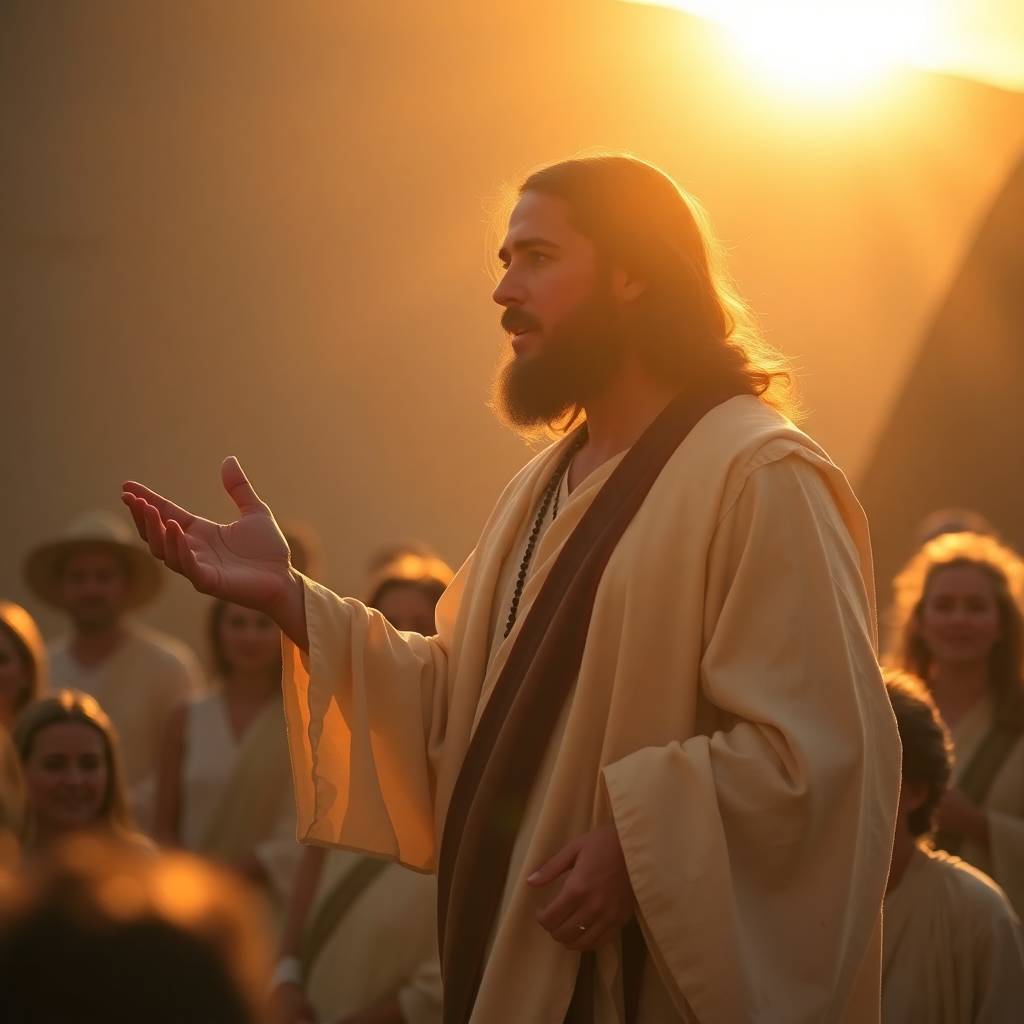
Getting Out of Your Boat – #98

ENGLISH / ESPAÑOL

Welcome Back! Today, we’ll be looking at the Gospels of Matthew, Mark, and John to see how disciple makers can experience both victories and defeat and how both are beneficial. 

So let’s get started.

(Click here to get a copy of the Gospel Sync document) 

Matthew 14:24–33, Mark 6:47–52, John 6:17b–21

When evening came and it was already dark, the boat was in the middle of the sea. Jesus was alone on land but the boat was already far from land, a strong wind was blowing, and the sea grew agitated. The boat was buffeted by the waves because the wind was against it. He could see that the disciples were straining to row, because the wind was against them. When they had rowed about three or four miles, about the fourth watch of the night, and Jesus went out to them, walking on the sea. He intended to pass by them. When the disciples saw Him walking on the sea, they were terrified and cried out in fear, “It’s a ghost!” But Jesus spoke up at once: “Take courage! It is I. Do not be afraid.”

Peter replied, “Lord, if it is You, command me to come to You on the water.” Jesus said, “Come.”  Then Peter got down out of the boat, walked on the water, and came toward Jesus. But when he saw the strength of the wind, he was afraid, and beginning to sink, cried out, “Lord, save me!” Immediately Jesus reached out His hand and took hold of Peter. “You of little faith,” He said, “why did you doubt?”

And when they had climbed back into the boat with them, the wind died down. Then the disciples who were in the boat were utterly astounded, for they had not understood about the loaves, but their hearts had been hardened. They worshiped Him, saying, “Truly You are the Son of God!” At once the boat reached the shore where they were heading.

My Thoughts 

Following Jesus has its ups and downs, especially as disciple makers. One minute we are walking on water and the next we’re sinking in the depths. We will face times of triumph and times of defeat. Like Peter, we have stepped out of the boat for the thrill of joining Jesus and before we know it, we are sinking beneath the waves of confusion, distractions, and disappointments.

But one thing I have to say about Peter, at least he got out of the boat. He gave it his best shot. And we too have risen to the occasion to join Jesus in the great enterprise of advancing God’s kingdom. Do we have our “moments?” You bet your mammy’s sweet biscuits we do! But at least we’re in the fight. We’ve gotten out of the boat. We’re given it our best shot.

I want to encourage you today. You could be doing a lot of other things that this world values but let me remind you that you have chosen to do what Jesus did with all power and authority. He made disciples and then commanded us to do the same.

Here’s a virtual high five!

My Story

I had served in the Army as an Infantryman for twelve and a half years. I only had seven and a half to go to draw my pension. But I felt a call from God to get out of the Army and go to Bible college and seminary. So with a faithful wife trusting me as I trusted God, a two year old and a four month old “we got out of the boat.” 

The goal was to go back into the Army as a chaplain but the storm winds began to blow. First, the educational route I had decided to take didn’t line up with the Army’s requirements. Second, I was pastoring in a traditional church and I knew I wouldn’t last long in that environment. And third, I had a hearing disability that medically disqualified me from going back on active duty. I was sinking in my pursuit of my calling and making disciples.

Over the years of ups and downs God did His work in the system and in me. My undergraduate degree was completed through miraculous interventions and met the chaplaincy’s requirements. God was working and I became convinced that pastoring at a traditional church was not a good kingdom fit for me. And lastly, the National Guard wanted to promote me to Master Sergeant and “upgraded” my medical status which now qualified me for active duty as an Army Chaplain. It was a seven year process of walking on water, sinking, and then walking on the water again. I spent the next ten years making disciples as an Army Chaplain because I got out of the boat. God is always faithful to make a way for us to fulfill His calling in our lives.

Our Action Plan

Now it’s time for application. Here’s some ideas;

  • Do some reflection and identify times when you “got out of the boat.”
  • Ask the people you’re discipling to do the same and discuss the “ups and downs.”
  • Spend some time in prayer thanking God for the victories and asking for strength for the challenges

The journey of disciple-making is filled with both triumphs and challenges, much like Peter’s experience of walking on water and then sinking. Despite the ups and downs, the act of stepping out in faith to follow Jesus’ call is commendable, and perseverance in this calling, even through difficulties, ultimately leads to fulfilling God’s purpose in our lives.

Cómo salir de la barca – 98

¡Bienvenidos de nuevo! Hoy, analizaremos los evangelios de Mateo, Marcos y Juan para ver cómo los hacedores de discípulos pueden experimentar tanto victorias como derrotas y cómo ambas son beneficiosas.

Comencemos.

Mateo 14:24-33, Marcos 6:47-52, Juan 6:17b-21

Cuando llegó la tarde y ya estaba oscuro, la barca estaba en medio del mar. Jesús estaba solo en tierra, pero la barca ya estaba lejos de la tierra, soplaba un fuerte viento y el mar se agitaba. La barca se agitaba por las olas porque el viento era contrario. Él podía ver que los discípulos se esforzaban por remar, porque el viento era contrario. Cuando habían remado unos cinco o seis kilómetros, alrededor de la cuarta vigilia de la noche, Jesús salió hacia ellos caminando sobre el mar. Quería pasar de largo. Cuando los discípulos lo vieron caminar sobre el mar, se asustaron y gritaron con miedo: «¡Es un fantasma!». Pero Jesús les dijo de inmediato: «¡Ánimo! Soy yo. No tengan miedo».

Pedro le respondió: «Señor, si eres tú, mándame ir hacia ti sobre las aguas». Jesús le dijo: «Ven». Pedro bajó de la barca y, andando sobre el agua, se acercó a Jesús. Pero, al ver la fuerza del viento, tuvo miedo y, comenzando a hundirse, gritó: «¡Señor, sálvame!». Enseguida Jesús extendió la mano y agarró a Pedro. «Hombre de poca fe, ¿por qué dudaste?»

Cuando volvieron a subir con ellos a la barca, el viento se calmó. Los discípulos que estaban en la barca quedaron estupefactos, porque no habían entendido lo de los panes, sino que tenían el corazón endurecido. Lo adoraron, diciendo: «¡Verdaderamente eres el Hijo de Dios!». Enseguida la barca llegó a la orilla adonde se dirigían.

Mis Pensamientos

Seguir a Jesús tiene sus altibajos, especialmente como hacedores de discípulos. En un momento estamos caminando sobre el agua y al siguiente nos estamos hundiendo en las profundidades. Enfrentaremos momentos de triunfo y momentos de derrota. Al igual que Pedro, hemos bajado de la barca por la emoción de unirnos a Jesús y antes de que nos demos cuenta, nos estamos hundiendo bajo las olas de la confusión, las distracciones y las decepciones.

Pero tengo algo que decir sobre Pedro: al menos salió de la barca. Hizo su mejor esfuerzo. Y nosotros también hemos estado a la altura de las circunstancias para unirnos a Jesús en la gran empresa de hacer avanzar el reino de Dios. ¿Tenemos nuestros “momentos”? ¡Puedes apostar las galletas dulces de tu mamá a que sí! Pero al menos estamos en la lucha. Hemos salido de la barca. Hemos hecho nuestro mejor esfuerzo.

Quiero animarte hoy. Podrías estar haciendo muchas otras cosas que este mundo valora, pero déjame recordarte que has elegido hacer lo que Jesús hizo con todo poder y autoridad. Él hizo discípulos y luego nos ordenó que hiciéramos lo mismo.

¡Aquí tienes un saludo virtual!

Mi Historia

Había servido en el ejército como soldado de infantería durante doce años y medio. Solo me faltaban siete años y medio para cobrar mi pensión. Pero sentí un llamado de Dios para dejar el ejército e ir a la escuela bíblica y al seminario. Así que, con una esposa fiel que confiaba en mí como yo confiaba en Dios, un niño de dos años y otro de cuatro meses “salimos del barco”.

El objetivo era volver al ejército como capellán, pero los vientos de tormenta comenzaron a soplar. En primer lugar, la ruta educativa que había decidido tomar no se alineaba con los requisitos del ejército. En segundo lugar, estaba pastoreando en una iglesia tradicional y sabía que no duraría mucho en ese entorno. Y en tercer lugar, tenía una discapacidad auditiva que me descalificaba médicamente para volver al servicio activo. Me estaba hundiendo en la búsqueda de mi llamado y en hacer discípulos.

A lo largo de los años de altibajos, Dios hizo Su obra en el sistema y en mí. Mi título universitario se completó mediante intervenciones milagrosas y cumplía con los requisitos de la capellanía. Dios estaba obrando y me convencí de que ser pastor en una iglesia tradicional no era lo adecuado para mí en el reino. Y, por último, la Guardia Nacional quería ascenderme a sargento mayor y “mejoró” mi estado médico, lo que me calificaba para el servicio activo como capellán del ejército. Fue un proceso de siete años de caminar sobre el agua, hundirme y volver a caminar sobre el agua. Pasé los siguientes diez años haciendo discípulos como capellán del ejército porque salí del barco. Dios siempre es fiel para abrirnos un camino para que cumplamos su llamado en nuestras vidas.

Nuestro Plan de Acción

Ahora es el momento de ponerlo en práctica. Aquí tienes algunas ideas:

Reflexiona un poco e identifica momentos en los que “saliste de la barca”.

Pídeles a las personas a las que estás discipulando que hagan lo mismo y habla de los “altibajos”.

Pasa un tiempo en oración agradeciendo a Dios por las victorias y pidiendo fortaleza para los desafíos.

El camino de hacer discípulos está lleno de triunfos y desafíos, al igual que la experiencia de Pedro de caminar sobre el agua y luego hundirse. A pesar de los altibajos, el acto de dar un paso de fe para seguir el llamado de Jesús es encomiable, y la perseverancia en este llamado, incluso a través de las dificultades, en última instancia conduce al cumplimiento del propósito de Dios en nuestras vidas.

Si ve un problema importante en la traducción, envíeme una corrección por correo electrónico a charleswood1@gmail.com

45 Years Ago Today

Your eyes saw me when I was formless; all my days were written in Your book and planned before a single one of them began. (HCSB) 

Psalm 139:16

My Story

Forty-five years ago today, on December 23rd, 1979, I made a decision that would radically change the course of my life. At the time, I was a young soldier and my unit was on alert during the holidays. We were confined to a one-hour radius, which made for a rather dull festive season. So, on the evening of December 22nd, my friends and I thought it would be a great idea to party until we passed out. Looking back, I realize I was living a life that neither my family nor the army would be proud of.

The irony of my situation was that just a year earlier, a Special Forces Sergeant had shared the gospel with me. He told me that God loved me and had sent His son, Jesus, to earth. Jesus lived a perfect life, died on the cross for all my sins, and three days later rose from the dead—proving He was not only the King defeating death but also the King over everything. I believed everything that Sergeant told me and thought that simply praying for Jesus to come into my life meant I was right with God.

However, as time passed, my life spiraled out of control. I felt ashamed of my lifestyle and realized I was living a lie. Despite believing I had a relationship with God, something essential was missing. The Bible calls this missing element repentance. When Jesus preached the gospel, He proclaimed, “The Kingdom of God is at hand; repent and believe in the gospel” (Mark 1:15). While I had the information in my head, my heart had yet to turn towards God.

On that fateful morning—December 23rd—I prayed a simple prayer: “OK God.” In that moment, I completely surrendered my life to Christ and was truly saved from my sins; the knowledge had finally moved from my head to my heart. I was ready to embrace life on God’s terms instead of my own.

I believe there are many people who have prayed a prayer of intellectual assent but have yet to make a true “about-face.” This act of repentance—a willingness to turn from our sins and live according to God’s will—is often overlooked in modern gospel presentations. Yet it is essential for genuine salvation according to Jesus, the author of salvation.

With love and sincerity, I urge you not only to believe with your head but also to turn your heart toward God. Do what Jesus said: Repent and believe in the gospel. Only then will you begin your journey of transformation from the old self to the new (2 Corinthians 5:17).

PS. This evening at our hotel I shared my 2nd Birthday Story with the lady at the front desk. At the end of our conversation, I asked her if she had ever encountered Jesus in a way that changed her life. She replied, “Not yet, but your story has helped me take one step closer to making that decision.”

So today, I encourage you: Share your story with someone. You never know how God will use your story to begin someone else’s journey with Jesus.

When Ministry is Interrupted – #84

ENGLISH / ESPAÑOL

Index for all posts in the Gospel Sync Series

Welcome Back! Today, we’ll be combining the Gospels of Matthew, Mark, and Luke to see how Jesus handled opportunities that might appear to be distractions. 

So let’s get started.

(Click here to get a copy of the Gospel Sync document) 

Matthew 9:18–22, Mark 5:21–34, Luke 8:40–48

When Jesus returned and had again crossed by boat to the other side, a large crowd gathered around Him beside the sea and welcomed Him for they had all been waiting for Him.

While Jesus was speaking to them, a synagogue leader named Jairus came and knelt before Him. He begged urgently for Him to come to his house because his only daughter, who was about twelve, was dying. He said, “My little daughter is near death. Please come and place Your hands on her, so that she will be healed and live.”

So Jesus got up and went with him, along with His disciples and a large crowd followed and pressed around Him. And a woman was there who had suffered from bleeding for twelve years. She had borne much agony under the care of many physicians and had spent all she had, but no one was able to heal her. Instead, her condition had only grown worse.

When the woman heard about Jesus, she came up through the crowd behind Him and touched the fringe of His cloak. For she kept saying, “If only I touch His garments, I will be healed.” Immediately her bleeding stopped, and she sensed in her body that she was healed of her affliction. At once Jesus was aware that power had gone out from Him. Turning to the crowd, He asked, “Who touched My garments?” But they all denied it. His disciples answered, “You can see the crowd pressing in on You, and yet You ask, ‘Who touched Me?’” But He kept looking around to see who had done this.” Peter said, “Master, the people are crowding and pressing against You.” But Jesus declared, “Someone touched Me, for I know that power has gone out from Me.”

Then the woman, seeing that she could not escape notice, knowing what had happened to her, came and fell down before Him trembling in fear, and Jesus turned and saw her. She told Him the whole truth and in the presence of all the people, she explained why she had touched Him and how she had immediately been healed. “Daughter,” said Jesus, “your faith has healed you. Go in peace and be free of your affliction.” And the woman was cured from that very hour.

My Thoughts

As disciple makers, how do we handle interruptions and distractions in our ministries? We see how Jesus did. A woman with enough faith to reach out and just touch His clothes stopped Him in His tracks. But why? He was on a mission. He had no time to lose, the little girl was dying! Besides, it’s first come, first serve, right? How does the dad feel when Jesus suddenly stops and is wondering “who touched Him.” Doesn’t He have bigger fish to fry?

But Jesus not only stops, He is taking precious time to acknowledge a secret believer and affirm her faith. Jesus is like that. He is the “Good Samaritan.” He doesn’t just walk by the wounded guy (or lady) like a Pharisee or Scribe because He’s got more “religious stuff” to do. He takes the time not only to find the lady in the crowd but to announce to all, “Daughter, your faith has healed you. Go in peace and be free of your affliction.”

Disciple makers must balance focus with flexibility. While maintaining dedication to the core mission is crucial, it’s equally important to remain attuned to divine opportunities that arise unexpectedly.

Discerning distractions from opportunities requires developing spiritual sensitivity through a deepening relationship with God and cultivating guidance from the Holy Spirit. This discernment is honed through practice and experience in discipleship, allowing us to refine our ability to identify situations that align with our mission to glorify God. While maintaining focus on the primary goal of making disciples, it’s crucial to remain flexible and open to unexpected ways God may work. Jesus exemplified this balance by recognizing apparent interruptions as divine appointments to demonstrate God’s love and power. As His followers, we should pray for the Father to develop this same perceptiveness, enabling us to stay committed to our mission while remaining responsive to divine interventions and opportunities to serve.

My Story

As I have mentioned many times and even in my last post, Deb and I love going to Fort Sam every Sunday to share the gospel with soldiers, sailors, and airmen. Every Sunday, one of the guys who waits tables, engages us with a friendly chat. His name is Andrew and he has an intellectual disability. Andrew has responded to our friendliness by making it a custom to greet Deb and I and then fill us in on the latest Batman comic. “Do you know who the Joker is?” Andrew asked. Then he will very briefly bring us up to speed on the “Caped Crusader’s” activities.  Although extremely friendly, he lacks the social skills and awareness to know when is a good time to approach people and when not to. 

On several occasions, Andrew has interrupted me while I’m sharing the gospel with our young military members. Usually, I’ve already had a chat with Andrew and I can simply say, “Andrew, I’m talking to these people now. I’ll catch up with you later.” I’m always gentle but firm and Andrew has never responded in an inappropriate way. 

Even during my meeting with Mike on Monday, one of the men I mentor, Andrew “interrupted” us. I seized that opportunity to model for Mike how to respond with kindness and navigate so-called “interruptions.”

We started talking to Andrew about our favorite “superhero” named Jesus. Deb and I are going to give him a little New Testament and ask what he’s learning about our King. Andrew’s interruptions are not a curse, they are a blessing. 

Our Action Plan

Now it’s time for application. Here’s some ideas.

  • Reflect on past “interruptions.” How did you handle them?
  • Pray and ask God for wisdom and discernment 
  • Model how to handle these “interruptions” with those you are discipling

Ministry interruptions often present divine opportunities to demonstrate Christ’s love and compassion in unexpected ways. By remaining sensitive to the Holy Spirit’s guidance and flexible in our approach, we can turn apparent distractions into powerful moments of discipleship and spiritual growth.

Index for all posts in the Gospel Sync Series

Cuando el Ministerio se Interrumpe – #84

¡Bienvenido! Hoy vamos a combinar los Evangelios de Mateo, Marcos y Lucas para ver cómo Jesús manejó las oportunidades que podrían parecer distracciones.

Así que empecemos.

Mateo 9:18–22, Marcos 5:21–34, Lucas 8:40–48

Pasando otra vez Jesús en una barca a la otra orilla, se reunió alrededor de él una gran multitud; y él estaba junto al mar.  Y vino uno de los principales de la sinagoga, llamado Jairo; y luego que le vio, se postró a sus pies,  y le rogaba mucho, diciendo: Mi hija está agonizando; ven y pon las manos sobre ella para que sea salva, y vivirá.

Así que Jesús se levantó y fue con él, junto con sus discípulos, y una gran multitud le siguió y se apretó a su alrededor. Y había una mujer allí que había sufrido hemorragias durante doce años. Había soportado mucha agonía bajo el cuidado de muchos médicos y había gastado todo lo que tenía, pero nadie pudo curarla. En cambio, su condición solo había empeorado.

Cuando la mujer oyó hablar de Jesús, se abrió paso entre la multitud detrás de Él y tocó el borde de su manto. Porque ella seguía diciendo: “Si tan solo toco sus ropas, seré sanado.” Inmediatamente su sangrado cesó y sintió en su cuerpo que estaba curada de su aflicción. Jesús se dió cuenta enseguida y volviéndose hacia la multitud, preguntó: “¿Quién tocó mis ropas?” Pero todos lo negaron. Sus discípulos respondieron: “Podéis ver a la multitud presionándose, y sin embargo preguntais: ‘¿Quién me ha tocado?'” Pero no paraba de mirar a su alrededor para ver quién había hecho esto.” Peter dijo: “Maestro, la gente se está amontonando y presionando contra Ti.” Pero Jesús dijo: Alguien me ha tocado; porque yo he conocido que ha salido poder de mí. Entonces, cuando la mujer vió que no había quedado oculta, vino temblando, y postrándose a sus pies, le declaró delante de todo el pueblo por qué causa le había tocado, y cómo al instante había sido sanada. Y él le dijo: Hija, tu fe te ha salvado; ve en paz.

Mis Pensamientos

Como hacedores de discípulos, ¿cómo gestionamos las interrupciones y distracciones en nuestros ministerios? Vemos cómo lo hizo Jesús. Una mujer con suficiente fe como para tocar Su ropa le detuvo en seco. ¿Pero por qué? Estaba en una misión. No tenía tiempo que perder, ¡la niña se estaba muriendo! Además, es por orden de llegada, ¿no? ¿Cómo se siente el padre cuando Jesús de repente se detiene y se pregunta “quién le tocó”? ¿No tiene Él asuntos más importantes que hacer?

Pero Jesús no solo se detiene, sino que se toma un tiempo valioso para reconocer a una creyente secreta y afirmar su fe. Jesús es así. Él es el “Buen Samaritano.” No pasa simplemente junto al herido (o la señora) como un fariseo o un escriba porque tenga más “cosas religiosas” que hacer. Se toma el tiempo no solo para encontrar a la dama entre la multitud, sino para anunciar a todos: “Hija, tu fe te ha sanado. Ve en paz.”

Los hacedores de discípulos deben equilibrar el enfoque con la flexibilidad. Aunque mantener la dedicación a la misión central es crucial, es igual de importante estar atento a las oportunidades divinas que surgen inesperadamente.

Discernir distracciones de las oportunidades requiere desarrollar una sensibilidad espiritual a través de una relación más profunda con Dios y cultivando la guía del Espíritu Santo. Este discernimiento se perfecciona a través de la práctica y la experiencia en el discipulado, permitiéndonos perfeccionar nuestra capacidad para identificar situaciones que se alinean con nuestra misión de glorificar a Dios. Mientras mantienes el enfoque en el objetivo principal de hacer discípulos, es fundamental mantenerse flexible y abierto a formas inesperadas en que Dios pueda actuar. Jesús demostró este equilibrio al reconocer las aparentes interrupciones como citas divinas para demostrar el amor y el poder de Dios. Como Sus seguidores, debemos orar para que el Padre desarrolle esta misma perspicacia, permitiéndonos mantenernos comprometidos con nuestra misión mientras seguimos siendo receptivos a las intervenciones divinas y a las oportunidades de servir.

Mi Historia

Como he mencionado muchas veces e incluso en mi última publicación, a Deb y a mí nos encanta ir a Fort Sam cada domingo para compartir el evangelio con soldados, marineros y aviadores. Cada domingo, uno de los chicos que sirve de mesa inició una charla amistosa. Se llama Andrew y tiene una discapacidad intelectual. Andrew ha respondido a nuestra amabilidad haciendo una costumbre de saludar a Deb y a mí y luego ponernos al día sobre el último cómic de Batman. “¿Sabes quién es el Joker?” preguntó Andrew. Luego nos pone al día muy brevemente sobre las actividades del “Activista Encapuchado”.  Aunque es extremadamente amigable, Andrew carece de las habilidades sociales y la conciencia para saber cuándo es buen momento acercarse a la gente y cuándo no.

En varias ocasiones, Andrew me ha interrumpido mientras compartía el evangelio con nuestros jóvenes militares. Normalmente, ya he hablado con Andrew y puedo simplemente decir: “Andrew, ahora estoy hablando con estas personas. Te alcanzaré luego.” Siempre soy amable pero firme y Andrew nunca ha respondido de forma inapropiada.

Incluso durante mi reunión con Mike el lunes, uno de los hombres a los que mentoreo, Andrew, nos “interrumpió”. Aproveché esa oportunidad para mostrarle a Mike cómo responder con amabilidad y navegar las llamadas “interrupciones”.

Empezamos a hablar con Andrew sobre nuestro “superhéroe” favorito llamado Jesús. Deb y yo le vamos a dar un poco del Nuevo Testamento y preguntarle qué está aprendiendo sobre nuestro Rey. Las interrupciones de Andrew no son una maldición, son una bendición.

Nuestro Plan de Acción

Ahora es el momento de la aplicación. Aquí van algunas ideas.

–       Reflexiona sobre las “interrupciones” pasadas. ¿Cómo los manejaste?

–       Ora y pide a Dios sabiduría y discernimiento

–       Modela cómo manejar estas “interrupciones” con aquellos que estás discipulando

Las interrupciones del ministerio suelen presentar oportunidades divinas para demostrar el amor y la compasión de Cristo de formas inesperadas. Al mantenernos sensibles a la guía del Espíritu Santo y ser flexibles en nuestro enfoque, podemos convertir distracciones aparentes en momentos poderosos de discipulado y crecimiento espiritual.

New Sci-Fi Novel

I’ve decided to try my hand at writing a sci-fi novel. In “The Calling: The Saga of a Deep Space Ranger,” I invite you to the 25th-century where humanity’s survival against the ruthless alien incursion hinges on the valor of the elite Deep Space Rangers. As young Wade Winston Kovacs embarks on his journey to become a Ranger, he navigates a perilous path of sacrifice and faith, guided by divine providence and fortified by his unwavering trust in God. This gripping tale, infused with Biblical principles and inspired by my personal military experiences, offers a wholesome yet thrilling adventure of courage and spiritual awakening in the face of formidable alien threats.

Mark your calendars for the first chapter release next Saturday! I will be releasing an additional chapter every other week. You’ll be able to access the ebook in several different ways. 

6 May 2025 – I’m almost finished with the book!

Link to all Chapters – Text & Audio

Links in vid description below

#TheCallingRanger
Here’s a link to the Preface and Introduction if you want early access!

August 2024 – Update – The Kingdom Advances

Latin America

Bob and Mary mentor many key leaders throughout much of Latin America who make disciples of Jesus. They sent this picture of eight baptisms in a Shuar community, where there were no known Christians. And three baptisms in a gang controlled area on the Ecuador Coast. God has provided another contact in Argentina. Noemi started a “church in the market” in Bolivia and it is growing with the participation of several vendors. Andres has been asked to train in both Thailand and Turkey. 

Japan

David and Danielle mentor several key leaders in Japan including Tex and Mayumi who sent these pictures of late teens and early 20s coming to Christ in Okinawa.

Eight were baptized assisted by the pastor. Five (1st generation), who led the Eight (2nd generation) men and women to Christ.

Alaska

Our son and daughter-in-law, Wes & Tina, have a church of Jesus followers in their home. James, a Specialist in the Army who works with Wes, decided during their discussion on the story about the Ethiopian eunuch that he wanted to be baptized. So they found the closest lake on google maps and baptized him that day (even though it was well past 9pm).

US & Pakistan

I was recently on a Zoom call with other missionaries Jim and Justin are facilitating on the topic of leadership development. We are taking a close look at how Jesus has shaped us over the years to be His servants. There were four generations of disciples represented on the call.

San Antonio

Deb and I had the privilege of debriefing two young college students from their summer mission training. Alex and Morgan have been MAWLing them in the ways of Jesus all summer (Model, Assist, Watch, & Launch). Trenton and Jared are third generation disciples. Grant got to be the “cool uncle.” The “cool uncle” effect is when another disciple-maker reinforces what a primary disciple-maker has been trying to teach.


This month Deb and I will fly to Alaska for a family reunion and celebrate our 40th wedding anniversary. We praise God for His faithfulness throughout all the years. Thank You Jesus!

 Please Pray…

1 Jn 5.19We would be secure in our identity as children of God and not be worldly
2 Jn 1.3We would experience mercy, peace, truth, and love in the Father, Son, and the Holy Spirit
3 Jn 1.4We would see our children and our spiritual children walking in the truth
Jude 1.3We would contend for the faith
Rev 1.8We would see God for all He is and does
Rev 2.26-27We will wisely invest now to co-rule with Him in the future
Rev 3.10We would obey His commands and patiently endure
Rev 4.10We would learn to worship God here on earth the way it is done in heaven
Rev 5.12We would give glory and honor to the Lamb
Rev 7.16-17We would look forward to the day we are with Jesus
Rev 10.6We would be prepared to meet the Lord Jesus Christ when He comes
Rev 11.15We would advance the gospel into the nations
Rev 12.9We would resist the devil and be good spiritual warriors
Rev 13.10We would endure suffering with perseverance and patience
Rev 14.13Our deeds would honor the Lord and follow us as an offering to Him

New is Good and Old is… – #80

ENGLISH / ESPAÑOL

Welcome Back! Today, we’ll be looking at the Gospel of Matthew to see how Jesus emphasizes that new and old can be good.  

So let’s dive in.

(Click here to get a copy of the Gospel Sync document) 

 Matthew 13:51-53

Have you understood all these things?” “Yes,” they answered. Then He told them, “For this reason, every scribe who has been discipled in the kingdom of heaven is like a homeowner who brings out of his storeroom new treasures as well as old.” When Jesus had finished these parables, He withdrew from that place.

My Thoughts

Sometimes we pit the new against the old and vice versa. But Jesus didn’t do that here. It wasn’t the age of the matter that made it right or wrong. It was truth. Jesus is principle based. Principles are very driven by truth. They are timeless. Both govern our actions. Truth has to do more with realities, where principles have to do with the application of truth based on these realities.

In modern philosophy we have made truth so subjective, our principles have become shaky as well. But if we were to read the Bible and did what the Pharisees did and equated only the “old” with “good” without considering truth and principle, we would be in just as much trouble with God as they were. Truth and principle have got to be our plumbline for both the old and the new.

The scribe was a very smart and often wise elder who taught the people based on the Scriptures. The Bible was their ultimate base for authority on truth and principle. A scribe that enters the kingdom of heaven is one who embraces the truths and principles of both the Old and New Testaments. And these truths and principles, according to Jesus, are pure gold. 

So how does this apply to us as disciple makers? We are to be ‘Scribe-like.” We are to teach the disciples of Jesus both the old ways and the new ways of following Jesus based on the fundamental truths and principles of the Bible. We should be knee deep in the Book ourselves and instructing others to do the same. And it is not just about gaining and passing on knowledge. It’s just as important that we are actually applying what we learn

My Story

Right now our church is going through a set of Biblical conviction studies on the basics of the faith. Our first step is to find five verses from Jesus (the Gospels) on the topic. Then we find five more passages from the rest of the Bible. We then ask two questions;

  1. WHY is mastering this particular topic so important?
  2. What do the Scriptures say about HOW to practice this topic?

During our gathering we discuss our findings. The homework for the next meeting is to look at these verses and ask two more questions;

  1. What are the principles and truths we find in these passages?
  2. How will we practice (method) the principles and truths we discovered?

This exercise of studying the Bible as a church does several things;

  1. We learn the principles and truths in the Word of God
  2. We actually apply what we are learning
  3. We discover the principles and truths are universal and timeless
  4. We practice various methods to live out the principles and truths
  5. We never put the methods before the principles and truths (Mark 7:1-13)

Here’s an example of my last conviction study on the Word of God

Our Action Plan

Now we’ll look at some ideas on how to help us as disciple-makers help others find principles and truths and distinguish between them and methods or forms.

  • Study Mark 7:1-13 and identify  why Jesus was so upset with the religious leaders
  • Do a Bible study on a topic and identify principles, truths, and methods
  • Make a list of your tools and traditions and identify the principles and truths behind them
  • Ask this question; “Are we married to the method or to the principle?”

As disciple-makers, we need to encourage believers to actively study the Bible while discerning timeless principles from contextual methods. By emphasizing both understanding and application, it fosters a deeper, more practical way to live out our faith and we can adapt to different cultural contexts while remaining faithful to core biblical truths.

Index for all posts in the Gospel Sync Series

Lo Nuevo es Bueno y lo Viejo es… – #80

¡Bienvenido! Hoy, veremos el Evangelio de Mateo para ver cómo Jesús enfatiza que lo nuevo y lo viejo pueden ser buenos.

Así que comencemos

 Mateo 13:51-53

Jesús les dijo: ¿Habéis entendido todas estas cosas? Ellos respondieron: Sí, Señor.  Él les dijo: Por eso todo escriba docto en el reino de los cielos es semejante a un padre de familia, que saca de su tesoro cosas nuevas y cosas viejas. Aconteció que cuando terminó Jesús estas parábolas, se fue de allí. 

Mis Pensamientos

A veces enfrentamos lo nuevo en contra de lo viejo y viceversa. Pero Jesús no hizo eso aquí. No era la edad del asunto lo que lo hacía correcto o incorrecto. Era la verdad. Jesús se basa en principios. Los principios están muy impulsados por la verdad. Son atemporales. Ambos gobiernan nuestras acciones. La verdad tiene que ver más con las realidades, donde los principios tienen que ver con la aplicación de la verdad basada en estas realidades.

La filosofía moderna ha hecho que la verdad sea tan subjetiva que nuestros principios también se han vuelto inestables. Pero si leyéramos la Biblia e hiciéramos lo que hicieron los fariseos y equipáramos solo lo “viejo” con lo “bueno” sin considerar la verdad y los principios, estaríamos en tantos problemas con Dios como ellos. La verdad y los principios tienen que ser nuestra plomada tanto para lo viejo como para lo nuevo.

El escriba era un anciano muy inteligente y a menudo sabio que enseñaba a la gente basándose en las Escrituras. La Biblia era su base última para la autoridad en la verdad y los principios. Un escriba que entra en el reino de los cielos es aquel que abraza las verdades y principios tanto del Antiguo como del Nuevo Testamento. Y estas verdades y principios, según Jesús, son oro puro.

Entonces, ¿cómo se aplica esto a nosotros como hacedores de discípulos? Debemos ser ‘como escribas’. Debemos enseñar a los discípulos de Jesús tanto las viejas como las nuevas formas de seguir a Jesús basadas en las verdades y principios fundamentales de la Biblia. Nosotros mismos debemos estar metidos hasta las rodillas en el Libro e instruir a otros para que hagan lo mismo. Y no se trata solo de adquirir y transmitir conocimientos. Es igual de importante que realmente apliquemos lo que aprendemos

Mi Historia

En este momento, nuestra iglesia está pasando por un conjunto de estudios de convicción bíblica sobre los fundamentos de la fe. Nuestro primer paso es encontrar cinco versículos de Jesús (los Evangelios) sobre el tema. Luego encontramos cinco pasajes más del resto de la Biblia. Luego hacemos dos preguntas:

  •   ¿POR QUÉ es tan importante dominar este tema en particular?
  • ¿Qué dicen las Escrituras acerca de CÓMO practicar este tema?

Durante nuestra reunión discutimos nuestros hallazgos. La tarea para la próxima reunión es mirar estos versículos y hacer dos preguntas más:

  • ¿Cuáles son los principios y verdades que encontramos en estos pasajes?
  • ¿Cómo practicaremos (métodos) los principios y verdades que descubrimos?

Este ejercicio de estudiar la Biblia como iglesia hace varias cosas;

  •  Aprendemos los principios y las verdades de la Palabra de Dios
  • De hecho, aplicamos lo que estamos aprendiendo
  •  Descubrimos que los principios y las verdades son universales y atemporales
  •  Practicamos varios métodos para vivir los principios y las verdades
  • Nunca anteponemos los métodos a los principios y las verdades (Marcos 7:1-13) 

Aquí hay un ejemplo de mi último estudio de convicción sobre la Palabra de Dios

Nuestro Plan de Acción

Ahora veremos algunas ideas sobre como hacedores de discípulos podemos ayudar a otros a encontrar principios y verdades, y distinguir entre ellos y los métodos o formas.

  •   Estudiar Marcos 7:1-13 y determine por qué Jesús estaba tan molesto con los líderes religiosos
  • Hacer un estudio bíblico sobre un tema e identifique principios, verdades y métodos
  • Hacer una lista de tus herramientas y tradiciones e identifica los principios y verdades detrás de ellas
  • Pregunta esto: “¿Estamos casados con el método o con el principio?”

Como hacedores de discípulos, debemos alentar a los creyentes a estudiar activamente la Biblia mientras disciernen los principios eternos de los métodos contextuales. Al enfatizar tanto la comprensión como la aplicación, ello fomenta una forma más profunda y práctica de vivir nuestra fe, y nos permite adaptarnos a diferentes contextos culturales sin dejar de ser fieles a las verdades bíblicas fundamentales.

Translated by Norma Klingler

Bad Fish – #79

Index for all posts in the Gospel Sync Series

ENGLISH / ESPAÑOL

Welcome Back! Today, we’ll be looking at the Gospel of Matthew to see how Jesus warned people of the coming judgment. 

So let’s dive in.

(Click here to get a copy of the Gospel Sync document) 

Matthew 13:47-50

Once again, the kingdom of heaven is like a net that was cast into the sea and caught all kinds of fish. When it was full, the men pulled it ashore. Then they sat down and sorted the good fish into containers, but threw the bad away. So will it be at the end of the age: The angels will come and separate the wicked from the righteous, and throw them into the fiery furnace, where there will be weeping and gnashing of teeth.

My Thoughts 

Once again, Jesus doesn’t pull any punches, He tells it like it is. There are some who are in the kingdom and some who are not. In this age of inclusivism we hear a lot of rhetoric about God being so loving, He couldn’t send anyone to Hell. The problem is that they fail to recognize the other attribute of God that is as equally strong. And that is justice. God cannot allow sin in His presence. He must either see the sinner through the lens of Christ’s blood which was appropriated by a humble and penitent heart. Or, for those who reject His grace, He will cast away from His loving companionship. And He has given ample warning to everyone.

For since the creation of the world His invisible attributes, His eternal power and divine nature, have been clearly seen, being understood through what has been made, so that they are without excuse. (Romans 1:20)

Part of our job as disciple-makers is to deliver the message. That message, the gospel, includes both grace and justice. We cannot change the message or the rules because God has two more attributes that will never change; immutability, the unchangeableness of God. And truth, He cannot lie. There will be a judgment for those who do not turn to Him and repent.

My Story

As I’m writing this my alarm set for 10:02 am went off. I set it to remind me daily to obey Jesus’s command to pray for laborers in Luke 10:2;

And He was saying to them, “The harvest is plentiful, but the laborers are few; therefore beseech the Lord of the harvest to send out laborers into His harvest.

As I pray this prayer, I work around a map in my head or literally stand in front of a world map in my study. I pray for laborers to be sent to Oceana, all of Asia, Europe, Africa, Latin America, North America, and our living room. (I also lift up a prayer for the Japanese people who have a special place in my heart). I pray for two reasons. First, because I’m commanded by the Lord Jesus to pray for laborers to be sent into God’s harvest fields. And secondly, I want as few bad fish to be cast into the fiery furnace as possible. If I’m really that concerned about people going to Hell, I’m not going to try and change the message or the rules. I’m going to share the gospel and try to change the hearts of those who are headed to an eternity of destruction. In addition, I’m going to pray, recruit, and train as many disciples of Jesus to join me in this endeavor. 

Our Action Plan

Now we’ll look at some ideas on how to help us as disciple-makers warn those who don’t know God of the coming judgment.

  • Inject Hell and judgment into your gospel presentation. (Jesus did)
  • Share the gospel often and train others to do the same
  • Join me in praying for laborers to be sent into the harvest daily at 10:02

The parable of the fishes serves as a sobering reminder of the final judgment, where the righteous will be separated from the wicked. As disciples, it is our duty to share the gospel truthfully, emphasizing both God’s grace and His justice, while fervently praying for more laborers to join us in this mission.

Pez Malo – #79

¡Bienvenido! Hoy, veremos el Evangelio de Mateo para ver cómo Jesús advirtió a la gente del juicio venidero.

Así que vamos a comenzar

Mateo 13:47-50

Asimismo el reino de los cielos es semejante a una red, que echada en el mar, recoge de toda clase de peces;  y una vez llena, la sacan a la orilla; y sentados, recogen lo bueno en cestas, y lo malo echan fuera.  Así será al fin del siglo: saldrán los ángeles, y apartarán a los malos de entre los justos, y los echarán en el horno de fuego; allí será el lloro y el crujir de dientes.

Mis Pensamientos

Una vez más, Jesús no anda con rodeos, dice las cosas como son. Hay algunos que están en el reino y otros que no. En esta era de inclusión escuchamos mucha retórica sobre Dios siendo tan amoroso que no podía enviar a nadie al infierno. El problema es que no reconocen el otro atributo de Dios que es igualmente fuerte. Y eso es justicia. Dios no puede permitir el pecado en Su presencia. Debe ver al pecador a través de la lente de la sangre de Cristo que fue apropiada por un corazón humilde y arrepentido. O, para aquellos que rechazan Su gracia, Él alejará Su amorosa compañía de ellos. Y Él lo ha advertido ampliamente a todos.

Porque las cosas invisibles de él, su eterno poder y deidad, se hacen claramente visibles desde la creación del mundo, siendo entendidas por medio de las cosas hechas, de modo que no tienen excusa. (Romanos 1:20)

Parte de nuestro trabajo como hacedores de discípulos es entregar el mensaje. Ese mensaje, el evangelio, incluye tanto la gracia como la justicia. No podemos cambiar el mensaje o las reglas porque Dios tiene dos atributos más que nunca cambiarán; la inmutabilidad, y la justicia de Dios. Y la verdad, Él no puede mentir. Habrá un juicio para aquellos que no se arrepientan y no se vuelvan a Él.

Mi Historia

Mientras escribo esto, sonó mi alarma programada para las 10:02 am. Lo configuré para recordarme diariamente que debo obedecer el mandato de Jesús de orar por los obreros en Lucas 10:2:

 Y les decía: La mies a la verdad es mucha, mas los obreros pocos; por tanto, rogad al Señor de la mies que envíe obreros a su mies.

Mientras hago esta oración, trabajo alrededor de un mapa en mi cabeza o literalmente me paro frente a un mapa del mundo en mi estudio. Oro para que se envíen obreros a Oceanía, a toda Asia, Europa, África, América Latina, América del Norte y a nuestra sala de estar. (También elevo una oración por el pueblo japonés que tiene un lugar especial en mi corazón). Mi oración es por dos razones. Primero, porque el Señor Jesús me ordena orar para que se envíen obreros a los campos de cosecha de Dios. Y en segundo lugar, quiero que se arroje la menor cantidad posible de peces malos al horno de fuego. Si realmente me preocupa que la gente vaya al infierno, no voy a tratar de cambiar el mensaje o las reglas. Voy a compartir el evangelio y tratar de cambiar los corazones de aquellos que se dirigen a una eternidad de destrucción. Además, voy a orar, reclutar y capacitar a tantos discípulos de Jesús para que se unan a mí en este esfuerzo.

Nuestro Plan de Acción

Ahora veremos algunas ideas sobre cómo ayudarnos como hacedores de discípulos a dar advertencia del juicio venidero a aquellos que no conocen a Dios.

–       Inyecta el infierno y el juicio en tu presentación del evangelio. (Jesús lo hizo)

–       Comparte el Evangelio con frecuencia y capacita a otros para que hagan lo mismo

–       Únete a mí para orar a las 10:02 para que los obreros sean enviados a la cosecha todos los días 

La parábola de los peces sirve como un recordatorio aleccionador del juicio final, donde los justos serán separados de los malvados. Como discípulos, es nuestro deber compartir el evangelio con sinceridad, enfatizando tanto la gracia de Dios como su justicia, mientras oramos fervientemente para que más obreros se unan a nosotros en esta misión.

Translation by Norma Klingler

Is It Worth It? – #78

ENGLISH / ESPAÑOL

Welcome Back! Today, we’ll be looking at the Gospel of Matthew to see what Jesus says about the value of pursuing the kingdom of God. 

So let’s dive in.

(Click here to get a copy of the Gospel Sync document) 

Matthew 13:44-46

The kingdom of heaven is like treasure hidden in a field. When a man found it, he hid it again, and in his joy he went and sold all he had and bought that field. Again, the kingdom of heaven is like a merchant in search of fine pearls. When he found one very precious pearl, he went away and sold all he had and bought it. 

My Thoughts 

Do we really believe that the kingdom of God is so valuable that we would trade everything we own to possess it? I have to be honest, I don’t think I’m quite there yet. I want to be, but I’m not. And it’s not just about selling everything you have. It’s about trading every thought, every relationship, every motive, and dare I say, every breath for the rule and reign of God in our lives. Yeah, I’m not there yet.

But I don’t think any of us are. We want to be but we are a work in progress on this side of heaven and we’ll keep pressing toward that reality. But isn’t that the point Jesus is making. The kingdom is so valuable it’s worth striving toward the goal of surrendering everything for it. And so I see it as a continuous process rather than an arrived at destination (at least in this life). 

Pursuing the kingdom is very much like the kingdom itself. There are parts of the kingdom we already realize. There are parts in which we are growing. And there are elements of the kingdom we won’t completely see and understand until it comes into its fullness at the end of the age.

For now, as disciples and disciple-makers, we are in the hunt, so to speak. We are looking for and striving to realize the true value and the implications of being completely surrendered and enthralled with the kingdom of God. In the meantime we take Jesus at His word and believe the kingdom of God is so valuable that we will spend the rest of our lives pursuing it. 

My Story

I was reading Acts 1 and grappling with the fact that Jesus taught the disciples about the kingdom of God for forty days after His resurrection. That means that the kingdom was Jesus’s primary curriculum for three years and forty days. It was His main topic of discussion through His ministry. Now you would expect with that amount of time under the greatest Teacher to ever live that His students would have caught on. But their question in verse six reveals their absolute cluelessness. 

 “Lord, is it at this time You are restoring the kingdom to Israel?” (Acts 1:6)

They were still thinking ethnocentric. They hadn’t picked up on the scope of the kingdom being much broader than a people group or a territory. They had missed the grandeur and majesty of the King’s plan to bring everyone and everything under His benevolent rule.

But you know what? I’ve been studying the Bible for over forty years and I can’t say I’m any more illuminated than the small group of disciples seeing Jesus off to the right hand of the Father. Actually, I’m more than a little embarrassed to admit it too.

So I decided to spend the next 18 months studying the kingdom of God in earnest. I will be recording my findings here on my blog and hopefully I will get to take you on this journey with me.

I’d like to invite my readers to a Q&A session on July 27th at 9:30 am CST on Zoom. If you’d like to join in, click this link: Q&A

Our Action Plan

Now it’s time for application. Here’s some ideas.

  • Take one example of the kingdom of God and do a Bible study with those you are discipling (eg. Who’s In & Out, What does the kingdom look like? What does it mean to “inherit” the kingdom?)
  • Develop a gospel presentation that mirrors Jesus’s “Gospel of the Kingdom”
  • Join me and others once a month to study the kingdom

The kingdom of God was one of Jesus’s most preached topics. He told us to pray daily for the kingdom to come. It would do us well to understand and pursue with all our might one of His most highly prized realities.

¿Vale la pena? – #78

¡Bienvenido! Hoy, veremos el Evangelio de Mateo para ver lo que Jesús dice sobre el valor de buscar el Reino de Dios.

Así que vamos a comenzar

Mateo 13:44-46

Además, el reino de los cielos es semejante a un tesoro escondido en un campo, el cual un hombre halla, y lo esconde de nuevo; y gozoso por ello va y vende todo lo que tiene, y compra aquel campo. También el reino de los cielos es semejante a un mercader que busca buenas perlas,  que habiendo hallado una perla preciosa, fue y vendió todo lo que tenía, y la compró.

Mis Pensamientos

¿Realmente creemos que el Reino de Dios es tan valioso que cambiaríamos todo lo que poseemos para poseerlo? Tengo que ser honesto, creo que no he llegado allí todavía. Quiero ser parte, pero aún no lo soy. Y no se trata solo de vender todo lo que tienes. Se trata de cambiar cada pensamiento, cada relación, cada motivo, y me atrevo a decir, cada aliento por ser regido por el Reino de Dios en nuestras vidas. Sí, todavía no he llegado a ese punto.

Pero no creo que alguno de nosotros lo esté. Queremos serlo, pero somos un trabajo en progreso en este lado del cielo y seguiremos presionando hacia esa realidad. Pero, ¿no es ese el punto que Jesús está haciendo? El reino es tan valioso que vale la pena esforzarse por alcanzar el objetivo de entregarlo todo por él. Y así lo veo como un proceso continuo en lugar de un destino alcanzado (al menos en esta vida).

Perseguir el reino es muy parecido al reino mismo. Hay partes del reino que ya conocemos. Hay partes en las que estamos creciendo. Y hay elementos del reino que no veremos ni entenderemos completamente hasta que llegue a su plenitud al final de la era.

Por ahora, como discípulos y hacedores de discípulos, estamos en la caza, por así decirlo. Estamos buscando y esforzándonos por darnos cuenta del verdadero valor y las implicaciones de estar completamente entregados y cautivados con el Reino de Dios. Mientras tanto, tomamos la palabra de Jesús y creemos que el Reino de Dios es tan valioso que pasaremos el resto de nuestras vidas persiguiéndolo.

Mi Historia

Estaba leyendo Hechos 1 y lidiando con el hecho de que Jesús enseñó a los discípulos sobre el Reino de Dios durante cuarenta días después de Su resurrección. Eso significa que el reino fue el plan de estudios principal de Jesús durante tres años y cuarenta días. Fue su principal tema de discusión a través de su ministerio. Ahora, esperarías que con esa cantidad de tiempo bajo el Maestro más grande que jamás haya vivido, Sus estudiantes se hubieran dado cuenta. Pero su pregunta en el versículo seis revela su absoluta falta de idea.

 “Entonces los que se habían reunido le preguntaron, diciendo: Señor, ¿restaurarás el reino a Israel en este tiempo?” (Hechos 1:6)

Todavía tenían un pensar etnocéntrico. No se habían dado cuenta de que el alcance del Reino era mucho más amplio que para un grupo étnico o un territorio. Habían pasado por alto la grandeza y majestad del plan del Rey para poner a todos y a todo bajo Su gobierno benévolo.

¿Pero sabes qué? He estado estudiando la Biblia durante más de cuarenta años y no puedo decir que esté más iluminado que el pequeño grupo de discípulos que vieron a Jesús subir hacia la diestra del Padre. En realidad, me da un poco de vergüenza admitirlo.

Así que decidí pasar los siguientes 18 meses estudiando el Reino de Dios en serio. Registraré mis hallazgos aquí en mi blog y espero poder llevarlos en este viaje conmigo.

Nuestro Plan de Acción

Ahora es el momento de la aplicación. Aquí hay algunas ideas.

–       Toma un ejemplo sobre el Reino de Dios y haz un estudio bíblico con aquellos a quienes está

     discipulando (Por ejemplo ¿Quién está dentro y fuera, cómo se ve el reino? ¿Qué significa 

     “heredar” el reino?).   

–       Desarrolla una presentación del evangelio que refleje el “Evangelio del Reino” de Jesús

–       Únete a mí y a otros una vez al mes para estudiar el reino.

El reino de Dios fue uno de los temas más predicados por Jesús. Nos dijo que oráramos diariamente para que viniera el reino. Nos haría bien comprender y perseguir con todas nuestras fuerzas una de sus realidades más preciadas.

Traducción de Norma Klingler

Being Brilliantly Vague – #75

Index for all posts in the Gospel Sync Series

ENGLISH / ESPAÑOL

Welcome Back! Today, we’ll be looking at the Gospel of Matthew to see how Jesus used vague stories to cull out the hungry. 

So let’s dive in.

(Click here to get a copy of the Gospel Sync document) 

Matthew 13:24-30

Jesus put before them another parable: “The kingdom of heaven is like a man who sowed good seed in his field. But while everyone was asleep, his enemy came and sowed weeds among the wheat, and slipped away. When the wheat sprouted and bore grain, then the weeds also appeared. The owner’s servants came to him and said, ‘Sir, didn’t you sow good seed in your field? Where then did the weeds come from?’ ‘An enemy did this,’ he replied. So the servants asked him, ‘Do you want us to go and pull them up?’ ‘No,’ he said, ‘if you pull the weeds now, you might uproot the wheat with them. Let both grow together until the harvest. At that time I will tell the harvesters: First collect the weeds and tie them in bundles to be burned; then gather the wheat into my barn.’”

My Thoughts 

Jesus continues to instruct the crowd on the kingdom using parables. He would explain the parable later to His disciples privately. Think about this for a second. How does this stack up to our teaching or preaching today? Do we leave people hanging in suspense or do we try to make sure everyone understands to the nth degree? Or do we provide a space after our preaching or teaching to ask questions, wrestle with the concepts, and gain more clarity? Or is it a “One and Done” proposition. (I’m actually convicting myself as I’m writing this.) 

I think if we taught like Jesus we would have the same results He did. Yeah, a bunch of people wouldn’t get it but we would also have a handful of ferociously hungry people that would crawl a mile over broken glass to know the King.

In light of this, I’d like to invite my readers to a Q&A session on July 27th at 9:30 am CST on Zoom. If you’d like to join in, click this link or see the link in the video description below.

My Story

I once had a mentor that was brilliant but had a really tough time getting his point across. You’d have to hear him teach the subject several times and ask questions in order to extract the gold he was alluding to. 

I invited a guy I was discipling to a conference where my mentor was the keynote speaker. I warned my new friend; “Now, the speaker at this conference is going to seem like he’s speaking pure gibberish. Hang in there with him, ask good questions, and I promise you by the end of this weekend you’ll walk away being extremely encouraged and challenged.” 

Sure enough after the first session, my friend came up to me and said, “I didn’t understand a single thing that guy was talking about.” I exhorted him to hang in there.

On our drive home he was extremely quiet and I thought maybe I had made a promise I couldn’t keep. I asked him what his big take away was from the weekend. He said, “You were right. After the first session, I was wondering why I even came this weekend. But by the third, I fell under heavy conviction that I need to be making disciples myself. That guy was spot on!”

That mentor taught more like Jesus than anyone I’ve ever known. Maybe not intentionally but the effect was the same.

Our Action Plan

Now it’s time for application. Here’s some ideas.

  • Share the stories Jesus shared (without explanation)
  • Save time for Q&A at the end of your teaching
  • Provide a space and time to discuss the topic later

We have a lot of good resources that instruct us on how to be effective teachers. I’ve never read one that said, “As you teach, remain vague in order to cull out the hungry.” But the greatest Teacher to ever live gave us a model for finding that needle in a haystack.

Index for all posts in the Gospel Sync Series

Ser Brillantemente Vago – #75

Bienvenidos de nuevo! Hoy analizaremos el Evangelio de Mateo para ver cómo Jesús usó historias vagas para ayudar a los hambrientos.

Así que vamos a comenzar.

Mateo 13:24-30

Jesús entonces les refirió otra parábola, diciendo: El reino de los cielos es semejante a un hombre que sembró buena semilla en su campo;  pero mientras dormían los hombres, vino su enemigo y sembró cizaña entre el trigo, y se fue. Y cuando salió la hierba y dio fruto, entonces apareció también la cizaña.  Vinieron entonces los siervos del padre de familia y le dijeron: Señor, ¿no sembraste buena semilla en tu campo? ¿De dónde, pues, tiene cizaña?  Él les dijo: Un enemigo ha hecho esto. Y los siervos le dijeron: ¿Quieres, pues, que vayamos y la arranquemos? Él les dijo: No, no sea que al arrancar la cizaña, arranquéis también con ella el trigo.  Dejad crecer juntamente lo uno y lo otro hasta la siega; y al tiempo de la siega yo diré a los segadores: Recoged primero la cizaña, y atadla en manojos para quemarla; pero recoged el trigo en mi granero.”

Mis Pensamientos

Jesús continúa instruyendo a la multitud sobre el reino usando parábolas. Más tarde explicaría la parábola a sus discípulos en privado. Piense en esto por un segundo. ¿Cómo se compara esto con nuestra enseñanza o predicación de hoy? ¿Dejamos a la gente colgando en suspenso o tratamos de asegurarnos de que todos entiendan hasta el enésimo grado? ¿O proporcionamos un espacio después de nuestra predicación o enseñanza para hacer preguntas, luchar con los conceptos y obtener más claridad? ¿O es una propuesta de “Un sermón y listo”? (De hecho, me estoy convenciendo a mí mismo mientras escribo esto).

Creo que si enseñáramos como Jesús, tendríamos los mismos resultados que Él. Sí, un montón de gente no lo entendería, pero también tendríamos un puñado de personas ferozmente hambrientas que se arrastrarían una milla sobre vidrios rotos para conocer al Rey.

A la luz de esto, me gustaría invitar a mis lectores a una sesión de preguntas y respuestas el 27 de agosto a las 9:30 am CST en Zoom. Si desea unirse, haga clic en este enlace o vea el enlace en la descripción del video a continuación.

Mi Historia

Una vez tuve un mentor que era brillante, pero me costó mucho transmitir su punto de vista. Tendrías que escucharlo enseñar el tema varias veces y hacer preguntas para extraer el oro al que estaba aludiendo.

Invité a un chico al que estaba discipulando a una conferencia en la que mi mentor era el orador principal. Advertí a mi nuevo amigo; “Ahora, el orador en esta conferencia va a parecer que está hablando puro galimatías. Aguanta con él, haz buenas preguntas y te prometo que al final de este fin de semana te irás muy animado y desafiado”.

Efectivamente, después de la primera sesión, mi amigo se acercó a mí y me dijo: “No entendí nada de lo que estaba hablando ese tipo”. Lo exhorté a aguantar.

En nuestro camino a casa estaba extremadamente callado y pensé que tal vez había hecho una promesa que no podía cumplir. Le pregunté cuál fue su gran conclusión del fin de semana. Él dijo: “Tenías razón. Después de la primera sesión, me preguntaba por qué vine este fin de semana. Pero a la tercera, caí bajo una fuerte convicción de que yo mismo necesitaba hacer discípulos. ¡Ese tipo dio en el clavo!”

Ese mentor enseñó más como Jesús que cualquier otra persona que haya conocido. Tal vez no intencionalmente, pero el efecto fue el mismo.

Nuestro Plan de Acción

Ahora es el momento de la solicitud. Aquí hay algunas ideas.

–       Comparte las historias que Jesús compartió (sin explicación)

–       Ahorra tiempo para preguntas y respuestas al final de su enseñanza

–       Proporciona un espacio y tiempo para discutir el tema más tarde 

Tenemos muchos buenos recursos que nos instruyen sobre cómo ser maestros efectivos. Nunca he leído uno que diga: “Mientras enseñas, permanece vago para seleccionar a los hambrientos”. Pero el Maestro más grande que jamás haya existido nos dio un modelo para encontrar esa aguja en un pajar.

Traducción por Norma Klingler

Obedience – A Family Affair – #70

ENGLISH / ESPAÑOL

Welcome Back! Today, we’ll be combining the Gospels of Matthew, Mark, and Luke to discuss the two elements that make us a “spiritual family.”

So let’s dive in.

(Click here to get a copy of the Gospel Sync document) 

Matthew 12:46–50, Mark 3:31–35, Luke 8:19–21

While Jesus was still speaking to the crowds, His mother and brothers came and wanted to see and to speak to Him. But they were unable to reach Him because of the crowd and stood outside. They sent someone in to summon Him, and a crowd was sitting around Him. He was told, “Look, your mother and brothers are outside, asking for You.” But Jesus replied, “Who is My mother, and who are My brothers?” Looking at those seated in a circle around Him and pointing to His disciples, He said, “Here are My mother and My brothers. For whoever hears the word of God, My Father in heaven, and carries it out, is My brother and sister and mother.”

My Thoughts 

This is a major shift in the “family paradigm.” I think Jesus’s response would have shocked even good church folks today. He gives us an amazing insight into what the kingdom family looks like. It’s those who are not only taking in the Word of God but obeying it as well. And who did this better than anyone else in history? That would be Jesus! 

Family is also one of the major metaphors for the church. 

 “If I delay, you may know how one ought to behave in the household of God, which is the church of the living God, a pillar and buttress of the truth.” (1 Timothy 3:15 ESV)

Here’s where we need to do a better job in discipleship. No Christian I know would disagree with Jesus’s definition of spiritual family (the church) on His first point. We would all stand in resounding applause at the requirement of hearing God’s Word. “Yes,” we would say, “That’s right!” But what about the second requirement? “Uh, wait a minute Jesus, you’re starting to sound like a ‘salvation by works’ kind of guy. You don’t really expect the family member to actually have to do what we hear, do You? That sounds a little legalistic to me.” But actually Jesus said that the spiritual family was identified by not only hearing the Word but doing it. It’s recorded in Scripture.

No one in history was ever more gracious than Jesus and yet He was never afraid that people might misunderstand Him to be a “Work For Your Salvation Kind of Guy.” And that’s because He came full of Grace AND Truth.

14 And the Word became flesh, and dwelt among us, and we saw His glory, glory as of the only begotten from the Father, full of grace and truth. 16 For of His fullness we have all received, and grace upon grace. 17 For the Law was given through Moses; grace and truth were realized through Jesus Christ. (John 1:14,16-17). 

Notice it doesn’t say He came balanced with grace and truth. It says FULL of grace and truth. In other words one does not ever counter the other. We should never doubt for a second that we are saved by grace. But on the other hand, we better never doubt for a second that Jesus is serious about obedience either. In fact Jesus defines love for God as obedience;

“He who has My commandments and keeps them is the one who loves Me; and he who loves Me will be loved by My Father, and I will love him and will disclose Myself to him.” (John 14:21)

And He also makes obedience one of the requirements to be in the family of God. The old saying is true, “No Body’s Perfect.” But that doesn’t give us license to side step Jesus’s words requiring obedience. We are saved by grace but shouldn’t we be striving to do what He said? Our churches would look radically different if we got a hold of this truth.

My Story

One of the ways we facilitate obedience in our churches is to read the Word of God together and discuss it. We are hearing the Scriptures and much like in Jesus’s ministry, we provide a space to ask questions and wrestle with the text. Afterwards we take some time to pray and ask Jesus what He wants us to do with what we just heard and discussed. We come up with two goals; Following and Fishing.

The Following goal is centered around actions that will help us become better disciples of Jesus by applying what we learned. The Fishing goal is how we will engage lost people in the coming week. (Warning! Churches are tempted to jettison the Fishing goal because it’s hard. But remember, Jesus says He wants us to become both Followers and Fishers, Matthew 4:19).

The next time we meet we share how our goals went. We do this in a loving and encouraging way, spurring one another on in love and good deeds. By inserting this as an element of our fellowship that is just as important as the lesson itself, we as a church, ensure we are not only hearing the Word of God but obeying it as well.

Our Action Plan

Now we’ll look at some ideas on how to help us as disciple-makers help people not only hear the Word of God, but actually put it into practice as well.

  • Adopt the practice of pausing at the end of a lesson and pray and ask Jesus what He wants us to do
  • Adopt the Following and Fishing Goals
  • When you gather, before starting a new lesson, ask how the application goals went from the last lesson

Being part of God’s family means not only hearing His Word, but obeying it as well. By intentionally discussing and applying Scripture through practices like “Following and Fishing” goals, we can strive to embody Jesus’ definition of true spiritual kinship.

Index for all posts in the Gospel Sync Series

La Obediencia – Un Asunto de Familia – #70

¡Bienvenido! Hoy, combinaremos los Evangelios de Mateo, Marcos y Lucas para discutir los dos elementos que nos hacen una “familia espiritual”.

Así que comencemos.

Mateo 12:46-50, Marcos 3:31-35, Lucas 8:19-21

“Mientras él aún hablaba a la gente, he aquí su madre y sus hermanos estaban afuera, y le querían hablar.  Y le dijo uno: He aquí tu madre y tus hermanos están afuera, y te quieren hablar. Respondiendo él al que le decía esto, dijo: ¿Quién es mi madre, y quiénes son mis hermanos? Y extendiendo su mano hacia sus discípulos, dijo: He aquí mi madre y mis hermanos. Porque todo aquel que hace la voluntad de mi Padre que está en los cielos, ese es mi hermano, y hermana, y madre.”

Mis Pensamientos

Este es un cambio importante en el “paradigma familiar”. Creo que la respuesta de Jesús habría conmocionado incluso a la buena gente de la iglesia de hoy. Nos da una visión asombrosa de cómo es la familia del reino. Son aquellos que no solo están recibiendo la Palabra de Dios, sino que también la obedecen. ¿Y quién hizo esto mejor que nadie en la historia? ¡Ese sería Jesús!

La familia es también una de las principales metáforas de la iglesia.

“Para que si tardo, sepas cómo debes conducirte en la casa de Dios, que es la iglesia del Dios viviente, columna y baluarte de la verdad.” (1 Timoteo 3:15 RVR1960)

Aquí es donde debemos hacer un mejor trabajo en el discipulado. Ningún cristiano que conozco estaría en desacuerdo con la definición de Jesús de familia espiritual (la iglesia) en su primer punto. Todos nos pondríamos de pie en un aplauso rotundo ante el requisito de escuchar la Palabra de Dios. “Sí”, decíamos, “¡Así es!” Pero, ¿qué pasa con el segundo requisito? “Uh, espera un minuto Jesús, estás empezando a sonar como un tipo de ‘salvación por obras’. Realmente, no esperas que el miembro de la familia tenga que hacer lo que escuchamos, ¿verdad? Eso me suena un poco legalista”. Pero en realidad Jesús dijo que la familia espiritual se identificaba no solo por escuchar la Palabra, sino por hacerla. Eso está registrado en las Escrituras.

Nadie en la historia fue más amable que Jesús y, sin embargo, nunca tuvo miedo de que la gente pudiera malinterpretarlo como un “tipo de persona que trabaja para tu salvación”. Y eso es porque Él vino lleno de Gracia y Verdad.

14 Y aquel Verbo fue hecho carne, y habitó entre nosotros (y vimos su gloria, gloria como del unigénito del Padre), lleno de gracia y de verdad. 16 Porque de su plenitud tomamos todos, y gracia sobre gracia. 17 Pues la ley por medio de Moisés fue dada, pero la gracia y la verdad vinieron por medio de Jesucristo. (John 1:14,16-17). 

Note que no dice que Él vino equilibrado con gracia y verdad. Dice LLENO de gracia y verdad. En otras palabras, uno nunca contrarresta uno al otro. Nunca debemos dudar ni por un segundo de que somos salvos por gracia. Pero, por otro lado, es mejor que nunca dudemos ni por un segundo de que Jesús no toma en serio la obediencia. De hecho, Jesús define el amor a Dios como obediencia:

“El que tiene mis mandamientos, y los guarda, ese es el que me ama; y el que me ama, será amado por mi Padre, y yo le amaré, y me manifestaré a él..” (John 14:21)

Y también hace de la obediencia uno de los requisitos para estar en la familia de Dios. El viejo dicho es cierto: “Ningún cuerpo es perfecto”. Pero eso no nos da licencia para eludir las palabras de Jesús que requieren obediencia. Somos salvos por gracia, pero ¿no deberíamos esforzarnos por hacer lo que Él dijo? Nuestras iglesias se verían radicalmente diferentes si nos aferráramos a esta verdad.

Mi Historia

Una de las formas en que facilitamos la obediencia en nuestras iglesias es leer juntos la Palabra de Dios y discutirla. Estamos escuchando las Escrituras y, al igual que en el ministerio de Jesús, brindamos un espacio para hacer preguntas y luchar con el texto. Después nos tomamos un tiempo para orar y preguntarle a Jesús qué quiere que hagamos con lo que acabamos de escuchar y discutir. Se nos ocurren dos objetivos: seguimiento y pesca.

La siguiente meta se centra en acciones que nos ayudarán a ser mejores discípulos de Jesús al aplicar lo que aprendimos. El objetivo de la pesca es cómo nos enfrentaremos a las personas perdidas en la próxima semana. (¡Advertencia! Las iglesias se sienten tentadas a deshacerse de la meta de pesca porque es difícil. Pero recuerda, Jesús dice que quiere que nos convirtamos en seguidores y pescadores (Mateo 4:19).

La próxima vez que nos reunamos, compartiremos cómo fueron nuestros objetivos. Hacemos esto de una manera amorosa y alentadora, estimulándonos unos a otros en el amor y las buenas obras. Al insertar esto como un elemento de nuestra comunión, que es tan importante como la lección misma, nosotros, como iglesia, nos aseguramos de que no solo estamos escuchando la Palabra de Dios, sino que también la obedecemos.

Nuestro Plan de Acción

Ahora veremos algunas ideas sobre cómo ayudarnos como hacedores de discípulos a ayudar a las personas a no solo escuchar la Palabra de Dios, sino también a ponerla en práctica.

–       Adopta la práctica de hacer una pausa al final de una lección y orar y preguntarle a Jesús qué quiere que hagamos                                                                            –       Adopta los siguientes objetivos de pesca                                                                         –       Cuando se reúnen, antes de comenzar una nueva lección, pregunta cómo fue  la aplicación de los objetivos de la última lección 

Ser parte de la familia de Dios significa no solo escuchar Su Palabra, sino también obedecerla. Al discutir y aplicar intencionalmente las Escrituras a través de prácticas como las metas de “Seguir y pescar”, podemos esforzarnos por encarnar la definición de Jesús del verdadero parentesco espiritual.