In Matthew 13:33, Jesus declares, “The kingdom of heaven is like leaven, which a woman took and hid in three pecks of flour until it was all leavened.” This brief parable, nestled within a series of teachings on the Kingdom of God, illustrates the subtle yet transformative power of God’s reign. Spoken to a crowd in Galilee, it reflects Jesus’ method of using everyday imagery to convey profound spiritual truths. The parable emphasizes the phrase “leaven the whole,” pointing to the pervasive growth of the Kingdom under Christ’s lordship, both now and in its eschatological fulfillment.
Key Words and Phrases
The key term in Matthew 13:33 is “leaven,” from the Greek zymē (Strong’s G2219), meaning yeast or a fermenting agent. Etymologically, zymē derives from a root suggesting heat or fermentation, symbolizing an active, transformative process. The phrase “until it was all leavened” uses holos (Strong’s G3650), meaning “whole” or “entire,” emphasizing complete permeation. Together, “leaven the whole” conveys a dynamic process where a small agent effects comprehensive change. Theologically, zymē often carries negative connotations elsewhere (e.g., 1 Corinthians 5:6–8, sin as leaven), but here, Jesus redeems the term to depict the Kingdom’s positive, expansive influence.
Theological Significance: The Kingdom’s Pervasive Growth
The Parable of the Leaven reveals the Kingdom of God as starting small yet growing to encompass all. The woman’s act of “hiding” (enkryptō, Strong’s G1470) the leaven suggests intentionality and subtlety, mirroring how Christ’s lordship quietly transforms hearts and societies. This aligns with related parables, like the Mustard Seed (Matthew 13:31–32), emphasizing growth from humble beginnings. The “three pecks of flour” (approximately 111 cups of flour) signifies a vast scope, pointing to the Kingdom’s ultimate reach. Theologically, this reflects God’s redemptive plan: Christ, the Messiah, initiates a Kingdom that grows organically with intentionality, permeating every sphere of existence.
Christological Fulfillment: Jesus as the Leaven
The phrase “leaven the whole” prophetically points to Jesus as the Messiah and King. As the leaven, Christ is the transformative agent, actively working through His Spirit to redeem creation. His incarnation—humble yet powerful—parallels the hidden leaven, and His lordship, already present (Luke 17:21), expands toward eternal fulfillment (Revelation 11:15). This dual reality underscores that Jesus’ kingship is not merely future but operative now, transforming lives and cultures through the Gospel. The parable reveals divine attributes: God’s patience in gradual transformation, His sovereignty in ensuring complete permeation, and His redemptive intent through Christ’s reign.
Implications for Disciples: Transformative Mission
For contemporary believers, the Parable of the Leaven is a call to action. As disciple-makers, we emulate the woman, strategically sowing the Gospel’s “leaven” through persistent, patient efforts. The promise of comprehensive transformation encourages us to expect growth, as seen in Acts 1:8, where the Gospel spreads globally. We model Christ’s lordship by living out Kingdom values, trusting that small acts—prayer, witness, service—yield eternal impact. This parable assures us that Jesus’ reign, already inaugurated, will ultimately “leaven the whole,” filling the earth with His glory (Habakkuk 2:14).
Conclusion: The Expansive Kingdom and Christ’s Lordship
The Parable of the Leaven unveils the transformative power of Christ’s lordship, both now and forever. Through the linguistic lens of zymē and holos, we see a Kingdom that starts small but grows to encompass all, reflecting Jesus’ messianic mission. This truth inspires believers to participate in God’s redemptive plan with patience and persistence, confident that Christ’s reign is actively shaping the present age and will fully manifest in eternity. The parable’s message resonates: Jesus, the King, is leavening the whole, and His Kingdom will prevail.
Disciple-Maker’s Short Story
The Leaven of Hope
The retreat center, a cluster of low-roofed buildings tucked into a South Asian hillside, hummed faintly with the buzz of cicadas. Dust hung in the air, stirred by the footsteps of weary missionaries gathered in a dimly lit room. Their faces, etched with exhaustion, bore the weight of war-torn streets, austere living conditions, and the sting of scarce converts in a land resistant to their message. Tanner, an older missionary with silver hair and eyes that held both fire and calm, stood before them, his worn Bible open to Matthew 13:33.
“Read it aloud,” Tanner said, his voice steady but warm, like a hearth in winter. A young woman, Sarah, her hands calloused from hauling water, read: “The kingdom of heaven is like leaven, which a woman took and hid in three pecks of flour until it was all leavened.” The room fell silent, save for the creak of bamboo chairs. Tanner’s gaze swept over the group—twenty souls, each wrestling with doubt.
“You feel it, don’t you?” he began, leaning forward. “The grind. The war outside these walls. The whispers that your work’s for nothing.” Heads nodded, some eyes glistening. “But this parable,” he tapped the page, “it’s a promise. The Kingdom’s like leaven—small, hidden, but unstoppable. It’s not just a future hope; it’s working now, through you.”
He paused, letting the words settle. “The Greek word for leaven, means something alive, fermenting, changing everything it touches. And ‘the whole,’ means nothing’s left untouched. Jesus is that leaven—His life, His example, His Spirit, His reign. He’s already at work in this country, in every heart you’ve shared the gospel with, prayed for, every act of kindness you’ve sown.”
Mark, a wiry missionary with a scarred cheek, spoke up, his voice hoarse. “But Tanner, we’ve been here years. We’ve seen more graves than baptisms. How’s that leaven working?” Murmurs rippled through the group. Tanner’s smile was gentle but unyielding.
“Think of the woman in the parable,” he said. “She hid the leaven with purpose, knowing it would spread. Jesus, our King, is already Lord, not just in some distant glory but today! Look at Luke 17:21 – “For behold, the kingdom of God is in your midst.” His reign grows quietly, through your persistence, your prayers, even your tears. You’re not failing—you’re kneading the dough.”
The room stirred. Sarah clutched her Bible, her knuckles whitening. “So what do we do?” she asked, voice trembling with both fatigue and hope.
“Become like Him,” Tanner said. “Jesus, the leaven, gave Himself fully—humble, patient, relentless. Live like that. Love without counting the cost. Share the Gospel, even when it feels futile. Every small act—every meal shared, every wound bandaged—is leaven hidden in this land. The Kingdom’s growing, and one day, it’ll fill everything – Revelation 11:15 – “The kingdom of the world has become the kingdom of our Lord and of His Christ; and He will reign forever and ever.”
As night fell, the missionaries lingered, their exhaustion tempered by resolve. They sang songs and prayed together, voices rising like dough, trusting the unseen work of their King. Tanner watched, his heart swelling, knowing the leaven was already at work, transforming them, their country, and the world.
Now as Jesus was passing by, He saw a man blind from birth, and His disciples asked Him, “Rabbi, who sinned, this man or his parents, that he was born blind?” Jesus answered, “Neither this man nor his parents sinned, but this happened so that the works of God would be displayed in him. While it is daytime, we must do the works of Him who sent Me. Night is coming, when no one can work. While I am in the world, I am the light of the world.” When Jesus had said this, He spit on the ground, made some mud, and applied it to the man’s eyes. Then He told him, “Go, wash in the Pool of Siloam” (which means “Sent”). So the man went and washed, and came back seeing.
My Thoughts
Here the disciples show that they are more superstitious than spiritual. It’s much like the time when people were talking about the atrocity of Pilate mixing some Galilean’s blood in a sacrifice or the horrific accident of the Tower of Siloam falling on some people, crushing them. It’s such a ” bad way to go” that they must have committed some heinous crime and God is punishing them, right? Not all tragedy is a result of sin. This kind of thinking isn’t too far from modern sophisticated people either. Ever hear of “karma.” I’ve heard a lot of people who profess to be followers of Jesus use this word to describe these kinds of situations. The Judeo-Christian equivalent may be “They reap what they sow.” To be sure, evil or even poor decisions bring about their results, but not all trouble, suffering, or trials are the result of sin. It is certainly not because of something we did in a past life (e.g., karma).
Jesus suffered for doing the right thing and many of His disciples have followed in His steps. Sometimes things happen, well, because they happen. And sometimes God is waiting for us to glorify Him by showing compassion, bringing comfort, and even healing to those who are suffering. My point is this; Let’s be slow to pull out the “sin card” when we see people going through the ringer. There could be a lot of different reasons God is allowing such things to happen in their lives.
My Story
Why is this lesson so important to me? Well, I’m not always thinking someone else did something wrong when tragedy strikes. But I do ask “What did I do wrong?” every time I bump my head, stub my toe, or get a paper cut. (Well not every time but a lot of times). I think this is probably the enemy telling his little lies and us biting it hook, line, and sinker. Somewhere along the line I heard that if something bad happens to you, God is punishing you. Now does that sound like a good parent? Don’t get me wrong God disciplines those who are His children (Hebrews 12:6). But every bump and bruise? I doubt it! We need to remember the blind man and Jesus when bad things happen to us. Sometimes it’s for discipline, sometimes for edification, sometimes for His work and glory, and sometimes we were clumsy and just bumped our heads.
Our Action Plan
Now it’s time for application. Here’s some ideas;
Have this discussion with those you are discipling and ask these questions
Why do you think the disciples ask this question of Jesus?
Do you think every time something bad happens to a person they did something wrong?
Where does this kind of thinking come from?
Some may ask, “Why do bad things happen to good people?” I like to ask, “Why do good things happen to bad people?” There’s probably a lot of explanations for both and a myriad of other circumstances. The key is not to just jump to conclusions. God may be doing something very different in people’s lives that we’d be shocked to discover.
Organic Writing – No Artificial Intelligence or Sweeteners Added
¡Bienvenidos de nuevo! Hoy analizaremos el Evangelio de Juan para ver cómo Jesús responde a una pregunta sobre el sufrimiento.
¡Comencemos!
Juan 9:1-7
Al pasar Jesús, vio a un hombre ciego de nacimiento. Sus discípulos le preguntaron: «Rabí, ¿quién pecó, este o sus padres, para que naciera ciego?». Jesús respondió: «Ni este ni sus padres pecaron, sino para que las obras de Dios se manifestaran en él. Mientras es de día, debemos hacer las obras del que me envió. Viene la noche, cuando nadie puede trabajar. Mientras yo esté en el mundo, soy la luz del mundo». Dicho esto, Jesús escupió en tierra, hizo barro y se lo untó en los ojos. Luego le dijo: «Ve a lavarte en el estanque de Siloé (que significa «Enviado»). El hombre fue, se lavó y regresó viendo.
Mis Pensamientos
Aquí los discípulos demuestran que son más supersticiosos que espirituales. Es muy parecido a cuando se hablaba de la atrocidad de Pilato al mezclar sangre galilea en un sacrificio o del terrible accidente de la Torre de Siloé al caer sobre unas personas, aplastándolas. Es una “mala suerte” que debieron haber cometido algún crimen atroz y Dios los está castigando, ¿verdad? No toda tragedia es resultado del pecado. Este tipo de pensamiento tampoco es ajeno a la sofisticación moderna. ¿Has oído hablar del “karma”? He oído a muchos que se declaran seguidores de Jesús usar esta palabra para describir este tipo de situaciones. El equivalente judeocristiano podría ser: “Cosechan lo que siembran”. Sin duda, las malas decisiones, o incluso las malas, traen sus consecuencias, pero no todos los problemas, sufrimientos o pruebas son resultado del pecado. Ciertamente no se deben a algo que hicimos en una vida pasada (por ejemplo, el karma). Jesús sufrió por hacer lo correcto y muchos de sus discípulos han seguido sus pasos. A veces las cosas pasan, bueno, porque pasan. Y a veces Dios espera que lo glorifiquemos mostrando compasión, consolando e incluso sanando a quienes sufren. Mi punto es este: no nos dejemos llevar por el pecado cuando veamos a alguien pasando por momentos difíciles. Puede haber muchas razones por las que Dios permite que tales cosas sucedan en sus vidas.
Mi Historia
¿Por qué es tan importante esta lección para mí? Bueno, no siempre pienso que alguien más hizo algo mal cuando ocurre una tragedia. Pero sí me pregunto “¿Qué hice mal?” cada vez que me golpeo la cabeza, me golpeo el dedo del pie o me corto con un papel. (Bueno, no siempre, pero sí muchas veces). Creo que probablemente sea el enemigo contando sus pequeñas mentiras y nosotros mordiendo el anzuelo, el sedal y el plomo. En algún momento escuché que si algo malo te sucede, Dios te está castigando. ¿Suena eso como un buen padre? No me malinterpreten, Dios disciplina a quienes son sus hijos (Hebreos 12:6). ¿Pero cada golpe y moretón? ¡Lo dudo! Necesitamos recordar al hombre ciego y a Jesús cuando nos suceden cosas malas. A veces es para disciplina, a veces para edificación, a veces para su obra y gloria, y a veces fuimos torpes y simplemente nos golpeamos la cabeza.
Nuestro Plan de Acción
Ahora es momento de aplicarlo. Aquí tienen algunas ideas:
Conversen con quienes están discipulando y hagan estas preguntas:
¿Por qué creen que los discípulos le hicieron esta pregunta a Jesús?
¿Creen que cada vez que algo malo le sucede a alguien, hizo algo mal?
¿De dónde viene este tipo de pensamiento?
Algunos podrían preguntarse: “¿Por qué le pasan cosas malas a la gente buena?”. A mí me gusta preguntar: “¿Por qué le pasan cosas buenas a la gente mala?”. Probablemente haya muchas explicaciones para ambas cosas y para una infinidad de otras circunstancias. La clave es no sacar conclusiones precipitadas. Dios podría estar haciendo algo muy diferente en la vida de las personas que nos sorprendería descubrir.
Escritura Orgánica – Sin Inteligencia Artificial ni Edulcorantes Añadidos
Si ve un problema importante en la traducción, envíeme una corrección por correo electrónico a charleswood1@gmail.com
Let me tell you a story—or rather, several stories like branches growing from the same vine. They are stories about waiting through winter, about barren soil turning fertile, about the careful pruning of the Great Vinedresser who produces life from what once seemed fruitless.
The Ancient Chorus of Empty Cradles
Picture three couples, separated by centuries but united by a common ache. Their stories echo through Scripture like a refrain in a song you can’t quite forget.
First, there’s Sarah and Abraham. God whispers a promise to Abraham under a canopy of stars: descendants as numerous as those pinpricks of light above. But years crawl by, and Sarah’s womb remains closed. Abraham lies awake at night wondering who will inherit everything he’s built. The promise feels like a cruel joke until, impossibly, laughter fills their tent when Isaac arrives—his very name meaning “he laughs.” (Genesis 12:1-4, Genesis 15:2-3, Genesis 21:1-5)
Then there’s Elizabeth and Zechariah, righteous and blameless, yet bearing the quiet shame that their culture heaped upon the childless. Neighbors whispered. Relatives offered unwanted advice. But God was writing a different story, one that would burst into the world with John the Baptist’s wild cry in the wilderness. When Elizabeth finally held her son, she declared what her heart had always known: God sees, God remembers, God restores. (Luke 1:5-25)
And Hannah and Elkanah—oh, Hannah’s story cuts deepest of all. Year after year, she climbed the temple steps with tears streaming down her face. Her rival mocked her. Her husband tried to comfort her but couldn’t understand. One day, broken open by grief, she prayed so desperately that the priest thought she was drunk. But God heard every silent scream, every whispered plea. When Samuel came, she kept her promise and gave him back to the Lord—a mother’s ultimate act of faith. (1 Samuel 1:1-28)
The Shift: From Cradles to Disciples
My heart goes out to those who are struggling with the physical, emotional, and even social challenges associated with not being able to have children. Even now we are praying daily for dear friends in exactly this situation. The ancient accounts of physical barrenness, like those of Sarah or Hannah, certainly have instructions and application for those who are struggling with barrenness today. But these long shadows touch another kind of emptiness: spiritual barrenness, a longing that doesn’t always show up on a family tree or in an empty nursery.
There are those who are crying out for spiritual children. They are laboring to see people who are born again, grow to maturity in Christ, and multiply His gospel to others. The Apostle Paul understood this well. He longed to see the lost reached and he counts those whom he ushers into the kingdom like his spiritual children. He called Timothy and Titus his true sons in the faith—not born from his body, but from the investment of his evangelistic efforts, teaching, and love (1 Timothy 1:2, Titus 1:4). He discipled the Thessalonian church like a father and mother (1 Thessalonians 2:7-12). And he agonized over the Corinthian church like a parent when they were being led astray by false apostles (1 Corinthians 4:14-16).
To be sure, Jesus warns against assuming the controlling and positional leadership of a “father” but He certainly is not telling us not to parent, teach, and lead those we are discipling. He is warning against the vain ambition of positional leadership that interferes with one’s loyalty to the true Father, Teacher, and Master. But He is not forbidding relational leadership that is quick to point to the ultimate authority.
A Personal Wilderness: Walking Through My Own Desert
Now let me tell you about my experience.
As an Army Chaplain, Fort Jackson stretched before Deb and I like an endless wasteland of disappointment. I was in my early forties, watching guys younger than I lead thriving ministries—groups of fifty, sixty, a hundred young believers gathering around them. Meanwhile, I knocked on barrack doors that never opened. I shared the gospel with soldiers who nodded politely and walked away. Week after week, month after month, year after year, nothing.
The fruitlessness was suffocating.
I developed a routine born of desperation. At four-thirty in the morning, before the sun dared show its face, I’d slip out and walk the trails. Not for exercise—for privacy. I needed a place where no one could see this Airborne Ranger cry. Where no one could witness the questions I hurled at heaven: “God, am I in the wrong place? Did I miss Your call? Why is everyone else fruitful while I’m dying in this desert?”
One particular morning stands out like a scar on my memory. I couldn’t even make it down the trail. I collapsed to my knees right there, tears mixing with the dust, and I broke. Every wall I’d built around my disappointment crumbled.
“Help us, Lord,” I begged. “We need Your power. We need Your Spirit. We need Your blessing. Please.”
In that moment—I can’t say I felt any relief like Hannah did. In fact, my wife and I made a commitment. We weren’t going to try to force the ministry into existence. If God didn’t do something, we were just going to watch the grass grow. But God had heard. He was working, even if I couldn’t see it yet.
Shortly after, orders came through: Fort Benning.
The change wasn’t just geographical; it was spiritual. Suddenly the doors that had been bolted shut swung open. Soldiers began to show interest in spiritual things and started asking questions. Disciples appeared—genuine, hungry believers who wanted to grow. The barren ground began to bloom. Soon we were networking with ministries on every major Army installation sending them the enlisted and officers we had discipled for Jesus.
Looking back, I understand now what I couldn’t see then: that wilderness season wasn’t wasted time. It was preparation. Those tear-soaked trails during my morning walks were my deepest lessons, my training ground for radical dependence on God. The frustration taught me to pray like I’d never prayed before. The apparent failure stripped away my confidence in my own abilities and forced me to cling to God’s promises alone. We would never again experience that kind of barrenness. God gave us spiritual kids, lots and lots of kids!
The Fort Benning Ministry 2009
The Hannah Syndrome: A Prayer for Disciple-Makers
I call it the “Hannah Syndrome” now—that season of deep longing, persistent prayer, and faithful waiting for fruit that hasn’t yet appeared. Every disciple-maker I’ve mentored has faced it. Every church planter knows it. That stretch of time when you’re sowing seeds in what feels like concrete, when you’re speaking truth into what seems like a void.
Young couples come to us now, starting new ministries, planting churches, and they ask with anxious eyes: “How long until we see results? When will people respond? Are we doing something wrong?”
We tell them our story. We tell them about those predawn trails. We remind them that God’s timeline rarely matches our expectations, but His timing is always perfect. Spiritual fruit grows in God’s seasons, not ours. He is doing a work in us as we desire Him to do a work through us. He is molding and shaping that which only comes from enduring the pains that come before childbirth in order to prevail in the arduous work of childrearing.
Even Jesus experienced this in His ministry. There are only two times we read about Jesus crying. Once was right before He raised His dear friend Lazarus from the dead and once was over the lostness of His people.
“When He approached Jerusalem, He saw the city and wept over it, saying, ‘If you had known in this day, even you, the things which make for peace! But now they have been hidden from your eyes…'” (Luke 19:41-42)
Now there are billions of people who have professed Christ as Lord and His Father is their Father.
For most Christians this ache of the heart is very foreign. They are just trying to manage the affairs of everyday life and keep their heads above water. The goal is to be a “good” person and make it into heaven. But for those of us who are gripped by the brokenness we see all around us and Jesus’ heart for the lost, we are compelled by His Great Commission to see scores of people being born again. His heart has become our heart.
The Heart is More Important than the Method
But before we convince ourselves that all we need to do is get up early, walk on a trail, and shed a few tears, then God is obligated to give us a booming ministry. That would be what I like to call “Meth-idolatry.” No, it’s all about aligning our hearts with God and believing that He is willing and able to give us spiritual offspring. The power is in the prayer of a heart seeking the same things Jesus is. He teaches us that we need to be patient and persistent in His parable about the widow demanding justice;
Now He was telling them a parable to show that at all times they ought to pray and not to lose heart, saying, “In a certain city there was a judge who did not fear God and did not respect man. There was a widow in that city, and she kept coming to him, saying, ‘Give me legal protection from my opponent. ‘ For a while he was unwilling; but afterward he said to himself, ‘Even though I do not fear God nor respect man, yet because this widow bothers me, I will give her legal protection, otherwise by continually coming she will wear me out. ‘” And the Lord said, “Hear what the unrighteous judge said; now, will not God bring about justice for His elect who cry to Him day and night, and will He delay long over them? I tell you that He will bring about justice for them quickly. However, when the Son of Man comes, will He find faith on the earth?” (Luke 18:1–8)
It’s not about doing the right thing to see the right results. It’s about becoming the kind of person God can entrust His children to. The right kind of people will do the right things because they have the right heart. This is the pre-birth work the Holy Spirit is doing in us as we develop into trustworthy disciple-makers.
From Tears to Promise
I hope to encourage those of you who are going through a season of barrenness. Your God feels your aching heart. He sees your passionate desire to make a difference. He knows you are trying hard to see the kingdom advance in your little area of responsibility. He is the One who promised;
Those who sow in tears shall reap with joyful shouting. He who goes to and fro weeping, carrying his bag of seed, Shall indeed come again with a shout of joy, bringing his sheaves with him. (Psalm 126:5–6)
But remember He also admonished us with these words;
I am the vine, you are the branches; he who abides in Me and I in him, he bears much fruit, for apart from Me you can do nothing. (John 15:5)
So keep sharing the gospel. Keep making disciples and being the church. Keep loving people the way Jesus loves people. Keep praying. Never quit. We will bear fruit in His season. It may not happen in our sense of timing. It may not look like what we expect. We might not even see it this side of heaven. But for those who abide in Christ, it is a promise from God.
The Jews answered Him, “Are we not right to say that You are a Samaritan and You have a demon?” “I do not have a demon,” Jesus replied, “but I honor My Father, and you dishonor Me. I do not seek My own glory. There is One who seeks it, and He is the Judge. Truly, truly, I tell you, if anyone keeps My word, he will never see death.” “Now we know that You have a demon!” declared the Jews. “Abraham died, and so did the prophets, yet You say that anyone who keeps Your word will never taste death. Are You greater than our father Abraham? He died, as did the prophets. Who do You claim to be?” Jesus answered, “If I glorify Myself, My glory means nothing. The One who glorifies Me is My Father, of whom you say ‘He is our God.’ You do not know Him, but I know Him. If I said I did not know Him, I would be a liar like you. But I do know Him, and I keep His word. Your father Abraham rejoiced that he would see My day. He saw it and was glad.” Then the Jews said to Him, “You are not yet fifty years old, and You have seen Abraham?” “Truly, truly, I tell you,” Jesus declared, “before Abraham was born, I am!” At this, they picked up stones to throw at Him. But Jesus was hidden and went out of the temple area.
My Thoughts
Jesus’ identity is of supreme importance to the disciple and disciple-maker alike. If we get this wrong, we get everything wrong. Jesus is God. He is the second person of the Trinity. God is the One true God. But God exists in three persons, the Father, the Son, and the Holy Spirit. Jesus is not the Father, nor the Holy Spirit although all three are separate and distinct persons but one God. As the writers of Scripture often refer to a “mystery,” this may be the greatest mystery of all—But it is true nonetheless and it is part of Jesus’ identity.
He is God in the flesh. He was born of a virgin, lived among us being self limited by time, space, and energy and died a physical death. He was raised from the dead and now sits at the right hand of the Father as King and ruler over everything.
These are the things He claimed about Himself and the Old Testament Scriptures affirm from Moses and through all the prophets. These claims may sound absurd to the skeptic but were downright blasphemous to the Jews. He declared that He was “I AM.” The very name God gave to Himself as He spoke to Moses from the burning bush (Exodus 3:1-15). This is why they “picked up stones to throw at Him.” They wanted to kill Him for this offence. He had taken the name of God because it is rightfully His.
So why is this theological mystery so important for the disciple to grasp and the disciple-maker to teach? Because so many have gotten it wrong over the years. Many have taught variants of the doctrine. For example, heretics have taught, “Jesus is the Father and the Holy Spirit” or “Jesus is God but you can be a God too.” Whether slightly off or way off on this essential doctrine, it’s like leaping from one twenty story building to another. If you miss by a city block or by six inches, the results are the same, death. And believe me, the people you are discipling will run into this heretical teaching. You need to be prepared to untangle the mess others have instigated.
In pointing out these things to the brethren, you will be a good servant of Christ Jesus, constantly nourished on the words of the faith and of the sound doctrine which you have been following. (1 Timothy 4:6)
(Genesis 1:1-3; Isaiah 48:16; Matthew 3:16-17; Matthew 28:19; John 1:1, 14; John 14:16-17; John 15:26; John 17:5; Romans 1:7; Romans 9:5; 1 Corinthians 8:6; 1 Corinthians 12:4-6; 2 Corinthians 13:14; Galatians 4:6; Ephesians 4:4-6; Colossians 2:9; Hebrews 1:8; 1 Peter 1:2; 1 John 5:7-8; Acts 5:3-4; Matthew 13:11; Mark 4:11; Luke 8:10; Romans 11:25; Romans 16:25; 1 Corinthians 2:7; 1 Corinthians 15:51; Ephesians 1:9; Ephesians 3:3-5, 9; Ephesians 5:32; Ephesians 6:19; Colossians 1:26-27; Colossians 2:2; Colossians 4:3; 2 Thessalonians 2:7; 1 Timothy 3:9, 16; Revelation 1:20; Revelation 10:7; Revelation 17:5, 7)
My Story
I was a brand new baby Christian and the word spread rapidly through my platoon and even reached the ears of the Battalion Chaplain that I had become a follower of Jesus. My squad leader and my chaplain were Mormons and went to work on recruiting me to their “church.” Some of the things they said were so right on and then there were other things that made me squirm when I heard them. They gave me the Book of Mormon to read (without ever asking if I was reading the Bible). The book was suspect from the beginning, and it gave me the heebie-jeebies. One morning I stood over a trashcan and prayed, “God, if this book is true, don’t let it fall into the trash.” Thud! Real mature, right?
But with no one discipling me at the time I believe the Holy Spirit was protecting me. At the time I didn’t know that they believed Jesus was “born” of the heavenly father and heavenly mother and was the brother of Satan. I didn’t know that they believed that Jesus was god but you can become a god too. All heresy and a gross misidentification of who Jesus is. Later the men who discipled me would clarify some of these strange teachings and set the record straight from the Word of God. We notice from the Holy Bible that Jesus’ true identity matters. It mattered to Him and it should matter to us because it’s a matter of worshiping the true Jesus the King or a False Jesus, an anti-christ and false god.
Our Action Plan
Now it’s time for application. Here’s some ideas;
Do a study on the Doctrine of Christ’s Deity
Prepare a short lesson or illustration to communicate this essential doctrine to those you are discipling
Pray that you and those you are discipling will not fall under the influence of false teaching
Theology is the “Study of God” and it is for all believers to take seriously. It’s not just for pastors and seminary professors. As we read the Scriptures we are learning more and more about our God. In fact this is how Jesus defines eternal life;
This is eternal life, that they may know You, the only true God, and Jesus Christ whom You have sent. (John 17:3)
Organic Writing – No Artificial Intelligence or Sweeteners Added
¡Bienvenidos de nuevo! Hoy estudiaremos el Evangelio de Juan para ver qué enseña Jesús acerca de sí mismo.
Comencemos.
Juan 8:48-59
Los judíos le respondieron: «¿No tenemos razón al decir que eres samaritano y que estás endemoniado?». «No estoy endemoniado —respondió Jesús—, sino que honro a mi Padre, y ustedes me deshonran. Yo no busco mi propia gloria; hay quien la busca, y él es el Juez. Les aseguro que quien guarda mi palabra no morirá jamás». «¡Ahora sabemos que estás endemoniado! —exclamaron los judíos—. Abraham murió, y también los profetas; sin embargo, tú dices que quien guarda tu palabra no morirá jamás. ¿Acaso eres tú mayor que nuestro padre Abraham? Él murió, como también los profetas. ¿Quién te crees que eres?». Jesús respondió: «Si yo me glorificara a mí mismo, mi gloria no valdría nada. Quien me glorifica es mi Padre, de quien ustedes dicen: “Él es nuestro Dios”. Ustedes no lo conocen, pero yo sí. Si dijera que no lo conozco, sería un mentiroso como ustedes. Pero lo conozco y cumplo su palabra. Su padre Abraham se regocijó al pensar que vería mi día. Y lo vio y se alegró». Entonces los judíos le dijeron: «¿Todavía no tienes cincuenta años y ya has visto a Abraham?». «Les aseguro —afirmó Jesús— que antes de que Abraham naciera, yo soy». Al oír esto, tomaron piedras para arrojárselas. Pero Jesús se ocultó y salió del templo.
Mis Pensamientos
La identidad de Jesús es de suma importancia tanto para el discípulo como para el formador de discípulos. Si nos equivocamos en esto, nos equivocamos en todo. Jesús es Dios. Es la segunda persona de la Trinidad. Dios es el único Dios verdadero. Pero Dios existe en tres personas: el Padre, el Hijo y el Espíritu Santo. Jesús no es el Padre ni el Espíritu Santo, aunque los tres son personas separadas y distintas, sino un solo Dios. Como los autores de las Escrituras a menudo se refieren a un «misterio», este puede ser el mayor misterio de todos; sin embargo, es cierto y forma parte de la identidad de Jesús.
Él es Dios encarnado. Nació de una virgen, vivió entre nosotros, limitado por el tiempo, el espacio y la energía, y murió físicamente. Resucitó de entre los muertos y ahora está sentado a la diestra del Padre como Rey y soberano de todo.
Esto es lo que Él afirmó sobre sí mismo y lo que las Escrituras del Antiguo Testamento confirman desde Moisés y a través de todos los profetas. Estas afirmaciones pueden sonar absurdas para el escéptico, pero eran francamente blasfemas para los judíos. Él declaró ser «YO SOY». El mismo nombre que Dios se dio a sí mismo al hablar con Moisés desde la zarza ardiente (Éxodo 3:1-15). Por eso «tomaron piedras para arrojárselas». Querían matarlo por esta ofensa. Él había tomado el nombre de Dios porque le pertenece por derecho.
Entonces, ¿por qué es tan importante que el discípulo comprenda este misterio teológico y que el formador de discípulos lo enseñe? Porque muchos lo han malinterpretado a lo largo de los años. Muchos han enseñado variantes de la doctrina. Por ejemplo, los herejes han enseñado: «Jesús es el Padre y el Espíritu Santo» o «Jesús es Dios, pero tú también puedes ser un dios». Ya sea que se desvíe un poco o mucho de esta doctrina esencial, es como saltar de un edificio de veinte pisos a otro. Si fallas por una manzana o por quince centímetros, el resultado es el mismo: la muerte. Y créeme, las personas a las que estás discipulando se encontrarán con esta enseñanza herética. Debes estar preparado para desenredar el lío que otros han provocado.
Al señalar estas cosas a los hermanos, serás un buen servidor de Cristo Jesús, alimentado constantemente con las palabras de la fe y de la sana doctrina que has estado siguiendo. (1 Timoteo 4:6)
(Génesis 1:1-3; Isaías 48:16; Mateo 3:16-17; Mateo 28:19; Juan 1:1, 14; Juan 14:16-17; Juan 15:26; Juan 17:5; Romanos 1:7; Romanos 9:5; 1 Corintios 8:6; 1 Corintios 12:4-6; 2 Corintios 13:14; Gálatas 4:6; Efesios 4:4-6; Colosenses 2:9; Hebreos 1:8; 1 Pedro 1:2; 1 Juan 5:7-8; Hechos 5:3-4; Mateo 13:11; Marcos 4:11; Lucas 8:10; Romanos 11:25; Romanos 16:25; 1 Corintios) 2:7; 1 Corintios 15:51; Efesios 1:9; Efesios 3:3-5, 9; Efesios 5:32; Efesios 6:19; Colosenses 1:26-27; Colosenses 2:2; Colosenses 4:3; 2 Tesalonicenses 2:7; 1 Timoteo 3:9, 16; Apocalipsis 1:20; Apocalipsis 10:7; Apocalipsis 17:5, 7)
Mi Historia
Yo era un cristiano recién convertido y la noticia se extendió rápidamente por mi pelotón, llegando incluso a oídos del capellán del batallón: me había convertido en seguidor de Jesús. Mi jefe de escuadra y mi capellán eran mormones y se pusieron manos a la obra para reclutarme para su “iglesia”. Algunas de las cosas que decían eran muy acertadas, pero otras me incomodaban profundamente. Me dieron el Libro de Mormón para leer (sin siquiera preguntarme si leía la Biblia). El libro me pareció sospechoso desde el principio y me daba muy mala espina. Una mañana, de pie junto a un cubo de basura, oré: “Dios, si este libro es verdad, no dejes que caiga en la basura”. ¡Zas! ¡Qué maduro, ¿verdad?!
Pero como nadie me estaba discipulando en ese momento, creo que el Espíritu Santo me protegía. En aquel entonces, no sabía que creían que Jesús había “nacido” del Padre Celestial y la Madre Celestial y que era hermano de Satanás. No sabía que creían que Jesús era Dios, pero que uno también puede convertirse en dios. Todo eso era una herejía y una grave tergiversación de quién es Jesús. Más tarde, los hombres que me discipularon aclararon algunas de estas extrañas enseñanzas y establecieron la verdad con la Palabra de Dios. Observamos en la Santa Biblia que la verdadera identidad de Jesús es importante. Era importante para Él y debería serlo para nosotros, porque se trata de adorar al verdadero Jesús, el Rey, o a un falso Jesús, un anticristo y un falso dios.
Nuestro Plan de Acción
Ahora es el momento de ponerlo en práctica. Aquí tienes algunas ideas:
Estudia la doctrina de la deidad de Cristo.
Prepara una breve lección o ilustración para comunicar esta doctrina esencial a aquellos a quienes estás discipulando.
Ora para que ni tú ni aquellos a quienes estás discipulando caigan bajo la influencia de falsas enseñanzas.
La teología es el «estudio de Dios» y todos los creyentes deben tomarla en serio. No es solo para pastores y profesores de seminario. Al leer las Escrituras, aprendemos cada vez más acerca de nuestro Dios. De hecho, así es como Jesús define la vida eterna:
«Esta es la vida eterna: que te conozcan a ti, el único Dios verdadero, y a Jesucristo, a quien has enviado» (Juan 17:3).
Redacción orgánica: sin inteligencia artificial ni añadidos.
Si ve un problema importante en la traducción, envíeme una corrección por correo electrónico a charleswood1@gmail.com
The Parable of the Hidden Treasure, found in Matthew 13:44, is a concise yet profound teaching of Jesus, illustrating the incomparable value of the Kingdom of Heaven. Nestled within a series of parables in Matthew 13, this narrative speaks to the heart of Jesus’ ministry, revealing the Kingdom as a treasure worth sacrificing everything to possess. Spoken to a mixed audience of disciples and seekers, the parable underscores the joy and cost of discovering God’s reign.
Key Words and Phrases
The Greek term kryptō (G2928), meaning “to hide” or “conceal,” carries nuances of intentional secrecy, suggesting the Kingdom’s value is not immediately apparent but requires divine revelation to uncover. Its etymology implies a treasure veiled from casual observers, accessible only to those who earnestly seek (Luke 11:9-10). The phrase “sells all” combines pipraskō (G4097), meaning “to sell” or “exchange,” with pas (G3956), meaning “all” or “every.” Together, they denote a total, unqualified surrender of possessions, reflecting a deliberate and joyful transaction for something of greater worth. These terms frame the Kingdom as both a hidden gift and a costly pursuit, requiring complete devotion.
Theological Significance: The Kingdom and Christ’s Lordship
Theologically, the parable reveals the Kingdom of Heaven as a treasure surpassing all earthly value, embodied in Jesus as the Messiah and King. The “hidden” nature of the treasure points to Christ’s veiled glory during His earthly ministry, where only those with eyes of faith recognized Him as the Son of God (John 1:10-11). Does He remain hidden today? The act of selling all reflects the radical discipleship Jesus demands—forsaking worldly attachments to gain eternal life (Matthew 16:24-25). This surrender is not loss but gain, as the joy of discovering Christ surpasses all sacrifices. The parable thus portrays God’s redemptive plan: through Christ, the Kingdom is revealed, inviting humanity to exchange temporal pursuits for eternal communion with the King.
Christological Fulfillment: Jesus as the Treasure
The treasure symbolizes the kingdom and the King, Christ Himself, the pearl of great price (Matthew 13:46), whose lordship is both present and eternal. His hiddenness reflects the mystery of the Incarnation, where divine glory was cloaked in humility (Philippians 2:6-8). Yet, His lordship is not merely a future hope; it is a present reality, reigning in the hearts of believers through faith and obedience (Luke 17:21). The act of selling all prophetically points to Christ’s own sacrifice, giving His life to purchase humanity’s redemption (1 Peter 1:18-19), fulfilling the Kingdom’s establishment through His death and resurrection.
Transformative Power for Believers
For contemporary Christians, the Parable of the Hidden Treasure calls for a life of radical commitment to Christ’s lordship. The joy of discovering the Kingdom compels believers to prioritize Jesus above all, reflecting His kingship in daily choices. Disciple-makers, as noted, must convey this treasure’s incomparable value, urging others to seek and surrender to the King. The parable challenges believers to examine whether Christ brings ultimate joy and to share this discovery with others, fostering a community that embodies the Kingdom’s present reality while anticipating its eternal fulfillment (Revelation 21:3-4).
Conclusion: The Eternal and Present Kingdom
The Parable of the Hidden Treasure reveals Jesus as the priceless treasure, hidden yet accessible, demanding all yet offering infinite joy. Its linguistic roots underscore the cost and mystery of discipleship, while its theological depth unveils Christ’s lordship as both a present and future reality. By selling all to gain the Kingdom, believers embrace Jesus’ eternal reign, transforming their lives and witnessing to the world. This parable, simple yet profound, calls Christians to live under Christ’s kingship today, confident in the expansive, eternal nature of God’s Kingdom.
Disciple Maker’s Short Story
The Treasure in the Mirror
The hum of hairdryers filled Monai’s beauty shop, a cozy haven in the heart of their small town. Mirrors lined the walls, reflecting the warm glow of pendant lights and the vibrant chatter of three single mothers in their thirties: Monai, Lelia, and Kyesha. Monai, scissors in hand, worked deftly on Kyesha’s braids, her shop a sanctuary where faith and friendship intertwined. Lelia sat nearby, flipping through a magazine but listening intently, her eyes sharp with sisterly concern.
Kyesha sighed, her reflection betraying a restless heart. “I met this guy, Devon, at the community center. He’s charming, got a good job. I think he could be the one—for me and the kids.” Her voice wavered, seeking approval.
Lelia set the magazine down, her gaze steady but gentle. “Kyesha, you’ve said that before. Remember Marcus? And Jamal? You’re searching for a husband to fix everything, but no man can fill that void. Only Jesus can.”
Kyesha’s shoulders tensed, her fingers fidgeting with the cape around her neck. “I know you’re right, Lelia, but it’s hard. I want a father for my kids, a partner, I’m tired of doing this alone.”
Monai paused, her scissors hovering. She caught Kyesha’s eyes in the mirror. “Girl, listen. You’re looking for a treasure, but you’re digging in the wrong field. You remember that parable Jesus told? The one about the hidden treasure?” She gestured toward a worn Bible on the counter, its pages marked with notes from their weekly discipleship meetings. “In Matthew 13:44, a man finds a treasure so valuable he sells everything to buy the field it’s hidden in. That treasure? It’s Jesus. His Kingdom. Not a husband, not a perfect life—just Him.”
Kyesha’s brow furrowed. “But what does that even mean for me? I’m trying to survive, raise my kids, pay bills. I don’t have time to chase some hidden treasure.”
Lelia leaned forward, her voice soft but firm. “It’s not about chasing, Kyesha. It’s about seeking. Jesus said in Luke 11:9, ‘Seek, and you will find.’ The Kingdom’s hidden because it’s not flashy like the world’s promises. It’s Jesus—His love, His peace, His strength. When you find Him, really find Him, it’s joy like nothing else. And you’ve got to give up everything to hold onto it.”
“Everything?” Kyesha’s voice cracked. “I don’t have much to give.”
Monai resumed braiding, her hands steady but her words piercing. “It’s not about money or stuff. It’s your heart. Your plans. Your need to control the future. Jesus gave it all for you—His life, His glory. He’s asking you to trust Him with everything, too. That’s what ‘sells all’ means. And when you do, you’ll see He’s already ruling as King, right now, in your life.”
Kyesha’s eyes glistened, her reflection showing a woman wrestling with hope. “But what about my kids? A husband?”
Lelia smiled, touching Kyesha’s arm. “When you put Jesus first, you start to look like Him—loving, strong, wise. That’s the kind of woman who attracts a godly man, if that’s God’s plan. But even if it’s not, Jesus is enough. His Kingdom’s worth more than anything.”
The shop fell quiet, save for the snip of Monai’s scissors. Kyesha stared into the mirror, seeing not just her half-finished braids but a glimpse of something deeper—a treasure hidden in her heart, waiting to be claimed. She whispered, “I want that treasure. I want that joy.”
Monai grinned, her hands weaving faith into every braid. “Then keep seeking, sister. He’s right there, and He’s worth it all.”
“Abraham is our father,” they replied. “If you were children of Abraham,” said Jesus, “you would do the works of Abraham. But now you are trying to kill Me, a man who has told you the truth that I heard from God. Abraham never did such a thing. You are doing the works of your father.” “We are not illegitimate children,” they declared. “Our only Father is God Himself.” Jesus said to them, “If God were your Father, you would love Me, for I have come here from God. I have not come on My own, but He sent Me. Why do you not understand what I am saying? It is because you are unable to accept My message. You belong to your father, the devil, and you want to carry out his desires. He was a murderer from the beginning, refusing to uphold the truth, because there is no truth in him. When he lies, he speaks his native language, because he is a liar and the father of lies. But because I speak the truth, you do not believe Me! Which of you can prove Me guilty of sin? If I speak the truth, why do you not believe Me? Whoever belongs to God hears the words of God. The reason you do not hear is that you do not belong to God.”
My Thoughts
The truth. There’s a lot of discussion around the truth today. In fact, since the very beginning, there’s been a lot of talk about the definition of truth. When we were granted the incredible “gift” of the knowledge of good and evil [tongue in cheek] from the father of lies, there’s been nothing but confusion on the topic. And the father of lies likes it that way. The muddier the water, the better.
Man, in his imperfect knowledge of good and evil, has tried to reimagine truth for himself. It’s funny how it almost always tends to bend in the direction of the beneficiary. If I need more money, it’s ok to take it from someone who is wealthy even though they put in the hard work to earn it. If I don’t like my gender, it’s ok to pretend that I’m the opposite and ignore simple biological laws. If I want to marry someone of the same sex, I simply vote in favor of someone with no respect for God’s design. It’s all ok to change the truth as long as it benefits me and my desires, no matter how many other truths it violates.
I’m sorry but man’s definition of truth (which ultimately comes from the father of lies who has been duping us from the beginning) isn’t working. Globally, we are very confused, very unhappy, and mental illness is at an all time high. We need something outside our self serving tendencies to dictate the truth. We need an instrument that is tried and true to draw the straight line between falsehood and reality. That instrument is God, the Father of truth. He has personified truth in His Son, Jesus Christ, and has given us a way to correct what has been warped by our arch enemy, the father of lies. And one of the greatest gifts God has given us is His Word. The Bible does not contain all truth but it is the absolute best primer for truth and we would do well to saturate ourselves with it on a daily basis. God and His Word are the only things keeping us from being overwhelmed by the titlewave of lies coming our way day and day out.
My Story
I was in the National Guard as a weekend warrior during my time in seminary. I had a Major who was a judge for a day job approach me and asked,
“Sergeant Wood, if I could prove beyond the shadow of doubt that Jesus never existed, would you believe me?”
Apparently he had been ambushing unexpecting Christians with this question for quite some time.
To which I responded without a second’s hesitation, “YES!” He looked at me with a dumbfounded expression and said, “You’re the first Christian who ever answered me that way.”
I replied, “Well sir, I am in pursuit of the truth and if you could prove to me that Jesus never existed and I continued to believe a lie, I’d be a fool.”
There was an awkward pause and I continued, “But sir, you and I both know you can’t prove Jesus never existed. I don’t follow Jesus because my grandmother told me to. I’ve done my homework. I know that the historical Jesus not only lives, He has changed my life.”
I wish I could say that the Major repented and came to Christ but to my knowledge no such miracle happened. I can say this though, he never challenged my faith in Jesus again.
Our Action Plan
Now it’s time for application. Here’s some ideas;
– What are some lies that recently tripped you up or those you are discipling?
– What truths did you combat those lies with?
– Make a list of the common lies people believe and are in bondage to.
We have been fed the lies of the enemy since coming into this world. Some have unknowingly shaped our lives and hold us in bondage. Others we have readily recognized and combat them with the truth. Let’s pursue Jesus, the personification of truth, with everything we have in order to shed light on what is still dark in our own lives but also to be examples to those lost in that darkness.
Organic Writing – No Artificial Intelligence or Sweeteners Added
¡Bienvenidos de nuevo! Hoy analizaremos el Evangelio de Juan para ver qué dice Jesús sobre la verdad.
Comencemos.
Juan 8:39-47
«Nuestro padre es Abraham», respondieron. «Si fueran hijos de Abraham —dijo Jesús—, harían las obras de Abraham. Pero ahora intentan matarme a mí, un hombre que les ha dicho la verdad que oí de Dios. Abraham jamás hizo tal cosa. Ustedes hacen las obras de su padre». «No somos hijos ilegítimos —declararon—. Nuestro único Padre es Dios mismo». Jesús les dijo: «Si Dios fuera su Padre, me amarían, porque he venido de Dios. No he venido por mi propia cuenta, sino que él me envió. ¿Por qué no entienden lo que les digo? Porque no pueden aceptar mi mensaje. Ustedes son de su padre, el diablo, y quieren cumplir sus deseos. Él fue un asesino desde el principio, y no defendió la verdad, porque no hay verdad en él. Cuando miente, habla su propio idioma, porque es mentiroso y padre de la mentira. Pero como les digo la verdad, ¿no me creen? ¿Quién de ustedes puede probar que he pecado? Si les digo la verdad, ¿por qué no me creen? El que pertenece a Dios escucha las palabras de Dios. Ustedes no las escuchan porque no pertenecen a Dios».
Mis Pensamientos
La verdad. Hoy en día se habla mucho de la verdad. De hecho, desde el principio de los tiempos se ha hablado mucho de su definición. Cuando el padre de la mentira nos concedió el increíble «don» del conocimiento del bien y del mal [irónicamente], no ha habido más que confusión al respecto. Y al padre de la mentira le conviene que sea así. Cuanto más turbia esté la situación, mejor.
El ser humano, con su conocimiento imperfecto del bien y del mal, ha intentado reimaginar la verdad a su manera. Es curioso cómo casi siempre tiende a favorecer al beneficiario. Si necesito más dinero, no me importa quitárselo a alguien rico, aunque se lo haya ganado con esfuerzo. Si no me gusta mi género, no me importa fingir que soy del otro e ignorar las leyes biológicas básicas. Si quiero casarme con alguien del mismo sexo, simplemente voto por alguien que no respeta el designio divino. Está bien alterar la verdad siempre y cuando me beneficie a mí y a mis deseos, sin importar cuántas otras verdades viole.
Lo siento, pero la definición humana de verdad (que en última instancia proviene del padre de la mentira, quien nos ha engañado desde el principio) no funciona. A nivel mundial, estamos muy confundidos, muy infelices y la enfermedad mental está en su punto más alto. Necesitamos algo ajeno a nuestras tendencias egoístas para que nos dicte la verdad. Necesitamos un instrumento probado y verdadero para trazar la línea entre la falsedad y la realidad. Ese instrumento es Dios, el Padre de la verdad. Él personificó la verdad en su Hijo, Jesucristo, y nos ha dado una manera de corregir lo que ha sido distorsionado por nuestro archienemigo, el padre de la mentira. Y uno de los mayores regalos que Dios nos ha dado es su Palabra. La Biblia no contiene toda la verdad, pero es la mejor guía para la verdad y haríamos bien en empaparnos de ella diariamente. Dios y su Palabra son lo único que nos impide ser abrumados por la ola de mentiras que nos llega día tras día.
Mi Historia
Durante mi época de seminario, serví en la Guardia Nacional los fines de semana. Un mayor, que también era juez, se me acercó y me preguntó:
«Sargento Wood, si pudiera demostrar sin lugar a dudas que Jesús nunca existió, ¿me creería?».
Al parecer, llevaba tiempo sorprendiendo a cristianos desprevenidos con esta pregunta.
A lo que respondí sin dudarlo un segundo: «¡Sí!». Me miró atónito y dijo: «Eres el primer cristiano que me responde así».
Le contesté: «Bueno, señor, estoy buscando la verdad, y si usted pudiera demostrarme que Jesús nunca existió y yo siguiera creyendo en una mentira, sería un necio».
Hubo una pausa incómoda y continué: «Pero, señor, usted y yo sabemos que no puede probar que Jesús nunca existió. No sigo a Jesús porque mi abuela me lo dijera. He investigado. Sé que el Jesús histórico no solo vive, sino que ha transformado mi vida».
Ojalá pudiera decir que el Mayor se arrepintió y se convirtió al cristianismo, pero que yo sepa, no ocurrió tal milagro. Sin embargo, puedo decir que nunca más puso en duda mi fe en Jesús.
Nuestro Plan de Acción
Ahora es el momento de aplicarlo. Aquí tienes algunas ideas:
– ¿Qué mentiras te han hecho tropezar recientemente, o a quienes estás discipulando?
– ¿Con qué verdades combatiste esas mentiras?
– Haz una lista de las mentiras comunes que la gente cree y a las que está esclavizada.
Desde que llegamos a este mundo, nos han alimentado con las mentiras del enemigo. Algunas, sin que nos demos cuenta, han moldeado nuestras vidas y nos mantienen cautivos. Otras las hemos reconocido fácilmente y las combatimos con la verdad. Busquemos a Jesús, la personificación de la verdad, con todo nuestro empeño para iluminar lo que aún está oscuro en nuestras vidas y también para ser ejemplos para quienes están perdidos en esa oscuridad.
Escritura orgánica: sin inteligencia artificial ni añadidos artificiales.
Si ve un problema importante en la traducción, envíeme una corrección por correo electrónico a charleswood1@gmail.com
“Again, the kingdom of heaven is like a merchant seeking fine pearls, and upon finding one pearl of great value, he went and sold all that he had and bought it.” (Matthew 13:45-46 NASB95)
Introduction
The Parable of the Pearl of Great Price, found in Matthew 13:45-46, is a succinct yet profound illustration of the kingdom of heaven’s incomparable value. Spoken by Jesus amidst a series of parables, it portrays a merchant who, upon finding a pearl of “great value,” sells all he possesses to acquire it. This narrative, set in the context of Jesus’ teachings on the kingdom, underscores the radical commitment required to embrace God’s reign. The terms “great value” and “sold all” serve as linguistic and theological anchors, revealing the kingdom’s worth and the response it demands. This essay explores these terms’ linguistic roots, their theological significance, and their prophetic connection to Jesus as Messiah and King, emphasizing His present and eternal Lordship.
Key Words and Phrases
The phrase “great value” in Matthew 13:46 derives from the Greek polytimos (Strong’s G4186), meaning “very costly” or “of great price.” Etymologically, poly (much) and timē (price, honor) suggest something of immense worth, surpassing ordinary valuation. This term, used only twice in the New Testament (here and in 1 Peter 2:7), underscores the pearl’s supreme desirability, pointing to the kingdom’s divine preciousness. The phrase “sold all” involves the Greek pipraskō (Strong’s G4097), meaning “to sell” or “exchange,” and panta (Strong’s G3956), meaning “all things.” Together, they convey total divestment, a complete surrender of possessions for the pearl’s acquisition. These terms frame the kingdom as both priceless and demanding absolute commitment.
Theological Significance: The Kingdom and Christ’s Lordship
Theologically, the pearl symbolizes the kingdom of heaven, which is inseparable from Jesus Himself as its King. The merchant’s pursuit mirrors the seeker’s journey to find Christ, the “one thing of greatest value” Philippians 3:8. The act of selling all reflects the cost of discipleship, echoing Jesus’ call to forsake all for Him Luke 14:33. This radical exchange reveals divine attributes: God’s kingdom is of infinite worth, freely offered yet requiring total surrender. The parable points to God’s redemptive plan, where Christ, the pearl, is both the treasure and the price paid through His atoning death 1 Corinthians 6:20. Prophetically, it foreshadows Christ’s eternal reign, where His Lordship is fully realized Revelation 11:15. Yet, Jesus’ kingship is not merely future; His Lordship is real in this age, transforming lives through submission to His rule Romans 14:9.
Implications for Disciples Today
In its first-century context, the parable challenged not only materialistic values, but all values, urging listeners to prioritize the kingdom over earthly concerns. It’s expressed fully in 1 John;
Do not love the world nor the things in the world. If anyone loves the world, the love of the Father is not in him. For all that is in the world, the lust of the flesh and the lust of the eyes and the boastful pride of life, is not from the Father, but is from the world.” (1 John 2:15-16)
Disciple-makers should exemplify this by demonstrating joy in surrender and guiding others to discover the kingdom’s worth. The parable’s interconnectedness with other scriptures, like the Parable of the Hidden Treasure Matthew 13:44, reinforces the theme of sacrificial pursuit, weaving a cohesive biblical narrative of God’s redemptive invitation.
Conclusion: Transformative Power of the Pearl
The Parable of the Pearl of Great Price illuminates Jesus’ kingship and the kingdom’s eternal expanse. By selling all for the pearl, believers embrace Christ’s present Lordship, experiencing transformation through surrender. This act of faith aligns with God’s redemptive plan, pointing to the day when Christ’s reign is fully manifested. For contemporary Christians, the parable inspires a life of radical commitment, reflecting the kingdom’s supreme value in every decision. As disciple-makers model this pursuit, they testify to Jesus, the Pearl, whose worth demands all yet offers infinite satisfaction.
Disciple-Makers Short Story
The Pearl Worth Finding
The jewelry store settled into afternoon stillness, with only the measured heartbeat of a wall clock marking time. Terry traced circles on a glass display case, his reflection wavering among diamond prisms and gold bands. At thirty-two, he had found his anchor in faith—a calling that transformed even the most ordinary moments into opportunities for purpose.
The bell above the door sighed, and a man stepped inside—silver threading his temples, shoulders carrying invisible weight, eyes holding stories Terry could only guess at.
“Welcome,” Terry said, offering warmth in a simple word. “Something special brings you in today?”
“Zach,” the man offered with a slight nod. “It’s our thirtieth anniversary. I need a pearl necklace for my wife.” His voice carried a quiet determination beneath the surface, as if this gift represented more than celebration—perhaps redemption.
Terry guided him toward a display where pearls gleamed under careful light. “A perfect choice for thirty years,” he said, arranging several strands with gentle precision. “Pearls are born from adversity—beauty crafted through endurance. Like a marriage that’s weathered storms.”
Zach’s fingers hovered above a strand of luminous spheres, not quite touching. “Beauty from adversity,” he repeated, something shifting behind his eyes. “That’s fitting. We’ve traveled a long road to reach this milestone.”
Terry tilted his head slightly. “There’s a story there.”
Zach hesitated, then released a breath as if letting go of something heavy. “We married young, drunk on dreams. Then life sobered us—jobs, children, mistakes. Mine, mostly.” He looked away. “For a while, it seemed we wouldn’t make it. We did, but something essential slipped away during those years. Faith, maybe. We’ve been talking about finding our way back.”
“What was your relationship with faith before?” Terry asked, careful not to press too hard.
“Church was childhood—something we outgrew when we left home.” Zach’s mouth tightened. “Beginning to think that was where we went wrong.”
Terry nodded, feeling a familiar stirring. “Your choice of pearls reminds me of something Jesus once said—about a merchant searching for fine pearls who discovers one of extraordinary value. He sells everything to possess it. That’s what God’s kingdom resembles: worth everything because it is everything.”
Curiosity flickered across Zach’s face. “The kingdom of God—you mean heaven?”
“Both the future and the present,” Terry said, leaning slightly against the counter. “It’s life under God’s governance with Christ as sovereign. Not just eternity, but transformation now—changing how we love, forgive, perceive. I chased countless things before discovering that Christ himself is the treasure that reorders all other values.”
Something softened in Zach’s expression. “We’ve been considering returning to church, finding solid ground again. But the path isn’t clear to me.”
Terry recognized the opening—subtle but unmistakable. “Have you encountered the heart of the gospel? That God’s love sent His Son to live among us, perfect where we fail, paying our debt through His death? That He conquered death itself and now reigns? That’s the beginning and culmination—living in His kingdom now and forever. He is that pearl of incomparable worth.”
Zach’s brow furrowed. “Everything? That’s an enormous asking price.”
“It is,” Terry acknowledged. “But we prove daily that we’re searching in all the wrong places and coming up empty-handed. His kingship brings authentic peace—not some distant promise, but present reality. I once pursued success relentlessly until finding Christ revealed what truly matters.”
Questions tumbled from Zach, revealing deeper currents. “How can you be certain He’s worth such sacrifice? What if you surrender everything and He proves insufficient?” His voice revealed old wounds—a marriage once stretched to breaking.
Terry considered before answering. “For me, it’s the peace I’ve discovered, the sense of purpose. Christ gave everything first—His very life. That love draws me toward reflection of His character—patience, selflessness. The journey isn’t simple, but its value is unquestionable. Perhaps like your marriage? Difficult passages, yet here you stand, still fighting for what matters.”
Zach nodded, something like hope kindling in his eyes. “Yes. We need something far greater than what we’ve been scavenging for all these years.”
“Could we continue this conversation?” Zach asked, tentative but resolute. “Maybe over coffee?”
Terry smiled. “I’d like that. And if your wife is interested, perhaps my Julie could join us.” He extended his business card. “My cell and email are here.”
“This has been unexpected,” Zach said, hand closing around the card. “This necklace will mark our anniversary, but what you’re describing might save more than our marriage.”
“Yes,” Terry agreed. “Much more.”
As the door closed behind Zach, Terry felt quiet satisfaction settle over him. In this unremarkable afternoon, he had glimpsed the kingdom’s value mirrored in one man’s humble search—and perhaps offered a signpost toward the King.
So He said to the Jews who had believed Him, “If you continue in My word, you are truly My disciples. Then you will know the truth, and the truth will set you free.” “We are Abraham’s descendants,” they answered. “We have never been slaves to anyone. How can You say we will be set free?” Jesus replied, “Truly, truly, I tell you, everyone who sins is a slave to sin. A slave is not a permanent member of the family, but a son belongs to it forever. So if the Son sets you free, you will be free indeed. I know you are Abraham’s descendants, but you are trying to kill Me because My word has no place within you. I speak of what I have seen in the presence of the Father, and you do what you have heard from your father.”
My Thoughts
There are so many directions to go with this passage. We could talk about the truth and its ability to set one free. We could talk about being a slave to sin. We could talk about the fact that these would-be believers didn’t even acknowledge their own history – “We have never been slaves to anyone.” (Really? The Egyptians, Philistines, Syrians, and Babylonians, just to name a few?) These are all interesting topics and each worthy of a deep dive on their own. But since this series is all about disciplemaking, I’ll focus on that first statement Jesus made; “If you continue in My word, you are truly My disciples.”
Notice first that Jesus is talking to “believers.” And then Jesus makes a distinction between them and those who are “truly” His disciples. True disciples of Jesus keep His word, they obey His commands, they have a life that reflects their Master’s. Now it’s passages like these that have led people to make a distinction between a “convert” and a “disciple.” They think that since there were believers, it must mean that they were in the kingdom. But if we read just a little further in the passage, Jesus reveals their true identity;
You belong to your father, the devil, and you want to carry out his desires. (John 8:44)
Is this something Jesus would say to “true believers?” I don’t think so! Jesus was calling them out. They had made some kind of intellectual assumption about the Rabbi that taught them but they were not His disciples. A true believer, a disciple conforms his or her life to the Master’s word.
But Chuck, isn’t that earning your salvation by works?
No, it’s by grace. But it is interesting that Jesus wasn’t afraid to be misunderstood in this theological issue either. When the rich young ruler asked what he must do to inherit eternal life, Jesus’ response was to keep the commands. And when the man said he had, Jesus said sell it all and follow me. And when people want to follow Him or He challenges others to follow Him, His admonition was summed up in the cost of discipleship.
As they were going along the road, someone said to Him, “I will follow You wherever You go.” And Jesus said to him, “The foxes have holes and the birds of the air have nests, but the Son of Man has nowhere to lay His head.” And He said to another, “Follow Me.” But he said, “Lord, permit me first to go and bury my father.” But He said to him, “Allow the dead to bury their own dead; but as for you, go and proclaim everywhere the kingdom of God.” Another also said, “I will follow You, Lord; but first permit me to say good-bye to those at home.” But Jesus said to him, “No one, after putting his hand to the plow and looking back, is fit for the kingdom of God.” (Luke 9:57-62)
This is why people and even many theologians are asking; “Where’s the grace?” “This must be some mistake Jesus.” “Surely a person can follow you without having to meet such high standards like these and ‘continuing in Your word.’” “There must be a difference between being a believer and being a disciple?”
And this is exactly what Jesus is addressing. There is no such distinction. A true believer is a disciple and a true disciple is a believer.
But what about grace!?
Grace is evident in a person who would actually have the desire to reach such high goals in discipleship. Grace is given to the person whose conscience is actually pricked by the statements Jesus makes and doesn’t offer up rebuttals and excuses. Grace is evident in a person’s willingness to pursue such a relationship with Jesus. This desire and willingness is not natural. It’s a supernatural gift from God. It’s called grace. Grace not only ushers us into the initial acceptance of the Savior. It sustains us as we serve Him as Lord.
I like what Dallas Willard says about apparent conundrum of being saved by grace but being required to obey His commands;
“The true saint burns grace like a 747 jet burns fuel on takeoff. Become the kind of person who routinely does what Jesus did and said. You will consume much more grace by leading a holy life than you will be sinning, because every holy act you do will have to be upheld by the grace of God.” (p. 62, The Great Omission)
“Grace is not opposed to effort, it is opposed to earning. Earning is an attitude. Effort is an action… In fact, nothing inspires and enhances effort like the experience of grace” (p. 61, 80, The Great Omission).
My Story
I was fresh out of seminary and I had been exposed to some new teachings. It was teaching about the grace of God. I remember a discussion I had with a friend about my new found excitement about the gift God lavishes on all believers. The response was a “wet blanket” on all my enthusiasm. I was told “people in the church are hearing way too much about grace and not enough about obedience.”
What?! That’s not what I read in my Bible and that’s not what I hear Jesus saying to the Samaritan Woman, and Zaccheus, the story about the Prodigal Son, the Thief on the Cross. That’s not what I hear Paul saying about the Christian life in Romans. What I was hearing from God through His Word is that grace was truly amazing as the song writer, John Newton, put it. And without grace we are all sunk, not only in our initial entrance into the kingdom but in the persevering force that keeps us there. My friend, and many others, had separated conversion and discipleship. They were reacting to the “cheap grace” Dietrich Bonhoeffer wrote about and which was so evident in the church and still is today. But the pendulum had swung too far the other direction.
I have a saying; “Reactionary theology leads to pendulum theology and pendulum theology leads to bad theology.” Grace provides the power to obey.
I had to go back to the Scriptures and wrestle with the tension between how Jesus defines discipleship and what He says about those who are really saved. My conclusion was it is all by grace.
Our Action Plan
Now it’s time for application. Here’s some ideas;
Do a Bible study on Jesus’ declarative statements on who is saved and how they received salvation (Luke 5:1-11, 7:36-50, 15:11-21, 18:9-14, 19:1-10, 23:32-43, John 4:4-38)
Do Bible study on how by God’s Grace one enters into eternal life (Luke 19:10, John 6:37, 39-40, 44, 65; 10:28-29; 17:2)
Do these studies with those you are discipling.
There is no distinction between a true believer and a disciple of Jesus Christ. Grace ushers us into a relationship with God, it gives the power to keep His Word, and it sustains us to the end. We must be willing but make no mistake, no person would be able to even have a desire to follow Jesus unless God took the initiative and empowered such a one.
Organic Writing – No Artificial Intelligence or Sweeteners Added
¡Bienvenidos de nuevo! Hoy analizaremos el Evangelio de Juan para ver qué dice Jesús sobre la fe y el discipulado.
Comencemos.
Juan 8:31-38
Entonces les dijo a los judíos que habían creído en él: «Si permanecen fieles a mi palabra, serán verdaderamente mis discípulos; y conocerán la verdad, y la verdad los hará libres». «Somos descendientes de Abraham —respondieron—. Nunca hemos sido esclavos de nadie. ¿Cómo puedes decir que seremos libres?». Jesús les contestó: «Les aseguro que todo aquel que peca es esclavo del pecado. El esclavo no permanece en la familia, pero el hijo sí. Así que, si el Hijo los libera, serán verdaderamente libres. Sé que son descendientes de Abraham, pero intentan matarme porque mi palabra no tiene cabida en ustedes. Yo hablo de lo que he visto en presencia del Padre; ustedes hacen lo que han oído de su Padre».
Mis Pensamientos
Este pasaje ofrece muchas interpretaciones. Podríamos hablar de la verdad y su poder liberador. Podríamos hablar de la esclavitud del pecado. Podríamos hablar de que estos aspirantes a creyentes ni siquiera reconocían su propia historia: «Jamás hemos sido esclavos de nadie». (¿En serio? ¿De los egipcios, filisteos, sirios y babilonios, por nombrar solo algunos?). Todos estos son temas interesantes y merecen un análisis profundo. Pero como esta serie trata sobre la formación de discípulos, me centraré en la primera afirmación de Jesús: «Si permanecen fieles a mi palabra, serán verdaderamente mis discípulos».
Primero, observemos que Jesús se dirige a los «creyentes». Y luego, Jesús distingue entre ellos y los que son «verdaderamente» sus discípulos. Los verdaderos discípulos de Jesús guardan su palabra, obedecen sus mandamientos y viven una vida que refleja la de su Maestro. Son pasajes como estos los que han llevado a algunas personas a distinguir entre un «converso» y un «discípulo». Piensan que, como había creyentes, eso significa que estaban en el reino. Pero si leemos un poco más adelante en el pasaje, Jesús revela su verdadera identidad:
«Ustedes pertenecen a su padre, el diablo, y quieren cumplir sus deseos» (Juan 8:44). ¿Acaso Jesús les diría esto a los «verdaderos creyentes»? ¡Claro que no! Jesús los estaba confrontando. Habían hecho una suposición intelectual sobre el rabino que les enseñó, pero no eran sus discípulos. Un verdadero creyente, un discípulo, conforma su vida a la palabra del Maestro.
Pero Chuck, ¿acaso eso no es ganarse la salvación por obras?
No, es por gracia. Pero es interesante que Jesús tampoco temiera ser malinterpretado en este tema teológico. Cuando el joven rico le preguntó qué debía hacer para heredar la vida eterna, Jesús le respondió que guardara los mandamientos. Y cuando el hombre dijo que ya los había guardado, Jesús le dijo: «Véndelo todo y sígueme». Y cuando la gente quiere seguirlo o Él desafía a otros a seguirlo, su advertencia se resume en el costo del discipulado.
Mientras iban de camino, alguien le dijo: «Te seguiré adondequiera que vayas». Y Jesús le dijo: «Las zorras tienen guaridas y las aves del cielo nidos, pero el Hijo del Hombre no tiene dónde recostar la cabeza». Y a otro le dijo: «Sígueme». Pero él dijo: «Señor, permíteme primero ir a enterrar a mi padre». Pero Jesús le dijo: «Deja que los muertos entierren a sus muertos; pero tú ve y proclama por todas partes el reino de Dios». Otro también dijo: «Te seguiré, Señor; pero primero permíteme despedirme de mi familia». Pero Jesús le dijo: «Nadie que pone la mano en el arado y mira hacia atrás es apto para el reino de Dios». (Lucas 9:57-62) Por eso la gente, e incluso muchos teólogos, se preguntan: “¿Dónde está la gracia?” “Esto debe ser un error, Jesús.” “Seguro que uno puede seguirte sin tener que cumplir con estándares tan altos como estos y ‘permanecer en tu palabra’.” “¿Acaso hay una diferencia entre ser creyente y ser discípulo?”
Y esto es precisamente lo que Jesús aborda. No existe tal distinción. Un verdadero creyente es un discípulo y un verdadero discípulo es un creyente.
¿Pero qué hay de la gracia?
La gracia se manifiesta en quien realmente desea alcanzar tales metas en el discipulado. La gracia se concede a quien se siente conmovido por las palabras de Jesús y no presenta refutaciones ni excusas. La gracia se evidencia en la disposición de una persona a cultivar una relación con Jesús. Este deseo y esta disposición no son naturales. Son un don sobrenatural de Dios. Se llama gracia. La gracia no solo nos introduce en la aceptación inicial del Salvador, sino que nos sostiene mientras le servimos como Señor.
Me gusta lo que dice Dallas Willard sobre la aparente paradoja de ser salvado por gracia, pero a la vez estar obligado a obedecer sus mandamientos:
«El verdadero santo consume la gracia como un avión 747 consume combustible al despegar. Conviértete en la clase de persona que habitualmente hace lo que Jesús hizo y dijo. Consumirás mucha más gracia llevando una vida santa que pecando, porque cada acto santo que realices deberá estar sostenido por la gracia de Dios» (p. 62, La Gran Omisión).
«La gracia no se opone al esfuerzo, sino a ganarse. Ganarse es una actitud. El esfuerzo es una acción… De hecho, nada inspira y potencia el esfuerzo como la experiencia de la gracia» (pp. 61, 80, La Gran Omisión).
Mi Historia
Recién salido del seminario, había aprendido algunas enseñanzas nuevas sobre la gracia de Dios. Recuerdo una conversación con un amigo sobre mi entusiasmo por el don que Dios derrama sobre todos los creyentes. Su respuesta fue un aguafiestas. Me dijo: «En la iglesia se habla demasiado de la gracia y muy poco de la obediencia».
¿¡Qué!? Eso no es lo que leo en la Biblia, ni lo que Jesús le dice a la samaritana, ni a Zaqueo, ni en la parábola del hijo pródigo, ni en la del ladrón en la cruz. Tampoco es lo que Pablo dice sobre la vida cristiana en Romanos. Lo que yo escuchaba de Dios a través de su Palabra era que la gracia era verdaderamente asombrosa, como lo expresó el cantautor John Newton. Y sin gracia, estamos perdidos, no solo al entrar al reino, sino también en la perseverancia que nos mantiene allí. Mi amigo, y muchos otros, habían separado la conversión del discipulado. Reaccionaban a la «gracia barata» de la que escribió Dietrich Bonhoeffer, tan evidente en la iglesia y que aún lo es hoy. Pero el péndulo se había ido demasiado lejos en la otra dirección.
Suelo decir: «La teología reaccionaria lleva a la teología pendular, y la teología pendular lleva a una mala teología». La gracia da el poder para obedecer.
Tuve que volver a las Escrituras y reflexionar sobre la tensión entre cómo Jesús define el discipulado y lo que dice acerca de los verdaderamente salvos. Mi conclusión fue que todo es por gracia.
Nuestro Plan de Acción
Ahora es el momento de ponerlo en práctica. Aquí tienes algunas ideas:
Estudia la Biblia sobre las declaraciones de Jesús acerca de quién es salvo y cómo recibió la salvación (Lucas 5:1-11, 7:36-50, 15:11-21, 18:9-14, 19:1-10, 23:32-43, Juan 4:4-38).
Estudia la Biblia sobre cómo, por la gracia de Dios, se entra en la vida eterna (Lucas 19:10, Juan 6:37, 39-40, 44, 65; 10:28-29; 17:2).
Realiza estos estudios con aquellos a quienes estás discipulando.
No hay distinción entre un verdadero creyente y un discípulo de Jesucristo. La gracia nos introduce en una relación con Dios, nos da el poder para guardar su Palabra y nos sostiene hasta el final. Debemos estar dispuestos, pero no nos equivoquemos: nadie podría siquiera desear seguir a Jesús a menos que Dios tomara la iniciativa y le diera el poder para hacerlo.
Escritura orgánica: sin inteligencia artificial ni edulcorantes añadidos.
Si ve un problema importante en la traducción, envíeme una corrección por correo electrónico a charleswood1@gmail.com



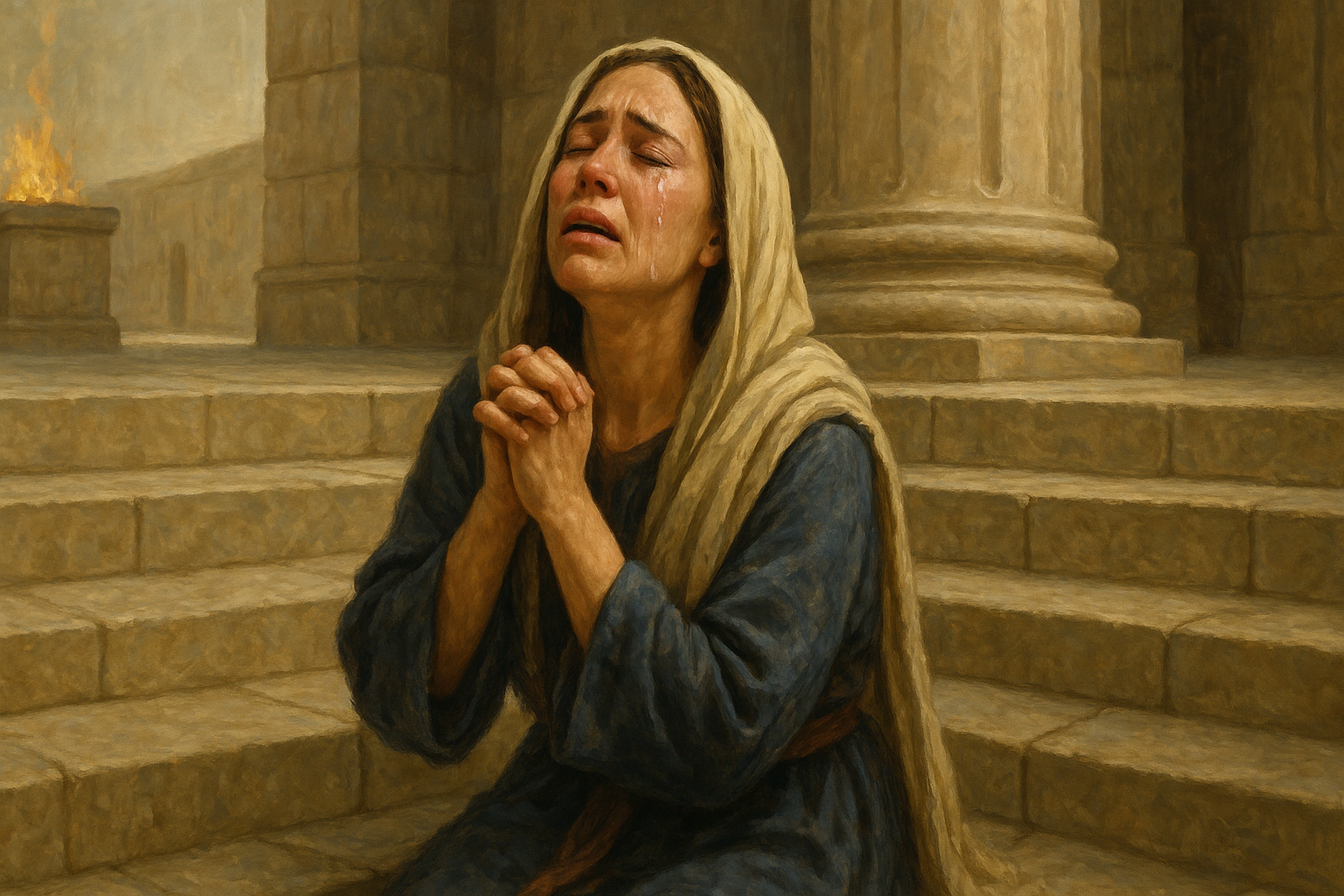



 ToBeLikeJesus