
| Gospel Sync | Kingdom Kernels | Discipleship Matters Podcast | Website |
Welcome Back! Today, we’ll be looking at the Gospel of Luke to see the Master Teacher in action.
So let’s dive in.
(Click here to get a copy of the Gospel Sync document)
Luke 10:25-37
One day an expert in the law stood up to test Him. “Teacher,” he asked, “what must I do to inherit eternal life?” “What is written in the Law?” Jesus replied. “How do you read it?” He answered, “‘Love the Lord your God with all your heart and with all your soul and with all your strength and with all your mind’ and ‘Love your neighbor as yourself.’” “You have answered correctly,” Jesus said. “Do this and you will live.”
But wanting to justify himself, he asked Jesus, “And who is my neighbor?” Jesus took up this question and said, “A man was going down from Jerusalem to Jericho when he fell into the hands of robbers. They stripped him, beat him, and went away, leaving him half dead. Now by chance a priest was going down the same road, but when he saw him, he passed by on the other side. So too, when a Levite came to that spot and saw him, he passed by on the other side. But when a Samaritan on a journey came upon him, he looked at him and had compassion. He went to him and bandaged his wounds, pouring on oil and wine. Then he put him on his own animal, brought him to an inn, and took care of him. The next day he took out two denarii and gave them to the innkeeper. ‘Take care of him,’ he said, ‘and on my return I will repay you for any additional expense.’ Which of these three do you think was a neighbor to the man who fell into the hands of robbers?” “The one who showed him mercy,” replied the expert in the law. Then Jesus told him, “Go and do likewise.”
My Thoughts
Do you think we ought to dissect the story of the Good Samaritan even though you’ve probably heard the story a hundred times? Maybe, but remember, the aim of our study is to become better disciple makers. So let’s dissect the way Jesus taught instead.
First, Jesus asks a question. He even asks a question to answer a question. In fact He asks two questions;
“What is written in the Law?” Jesus replied. “How do you read it?”
And the questions He asks are just as important as the teaching technique itself. The first question points the person to an unshakable authority, the Word of God. And the second tests the person’s alignment with that authority.
Now we have to ask ourselves several questions;
- In our teaching, are we asking questions or do we automatically launch into a monologue?
- Are we pointing people to the Word of God as the authority or to ourselves?
- Are we trying to identify the person’s commitment, understanding, and application of the Word?
As the situation unfolds the religious leader gives us the right answer; Love God and love people. But Jesus is not satisfied with intellectual assent, He challenges the “expert” to actually apply what he knows;
“You have answered correctly,” Jesus said. “Do this and you will live.”
- Are we teaching with the expectation that people will not just know information but actually do something with it?
- Are the people we are discipling trained to make the jump from being satisfied with a “good sermon” to making an assessment that leads to personal action?
Lesson over right? Nope! The religious leader exposes his lack of understanding of God’s Word and his own propensity to dodge the application.
But wanting to justify himself, he asked Jesus, “And who is my neighbor?”
Now Jesus could have gone into a tirade telling him how deceptive, wicked, and incorrigible he was but instead, as the Master Teacher, He tells a short story. And not just any old story. He tells a story pitting feigned and positional religiosity against a true lover of God and people. He puts His finger dead into this impostor’s heart without accusing him of anything.
The Master Teacher is not done. He asked another question to see if the story landed.
“Which of these three do you think was a neighbor to the man who fell into the hands of robbers?”
- As disciple makers, do we know the power of story telling and asking questions?
- Are we observant and patient enough to see whether a person is getting the point or looking at us like a dog hearing a strange whistle?
Seeing the man got the point, Jesus then puts the icing on the cake with a challenge to once more…you guessed it…apply what he has learned.
Then Jesus told him, “Go and do likewise.”
Now that is a master class on teaching from the Master Disciple-Maker! There are many elements of Jesus’ life and example that we need to emulate but if we are going to become like the Master Teacher, this is a great place to start.
My Story
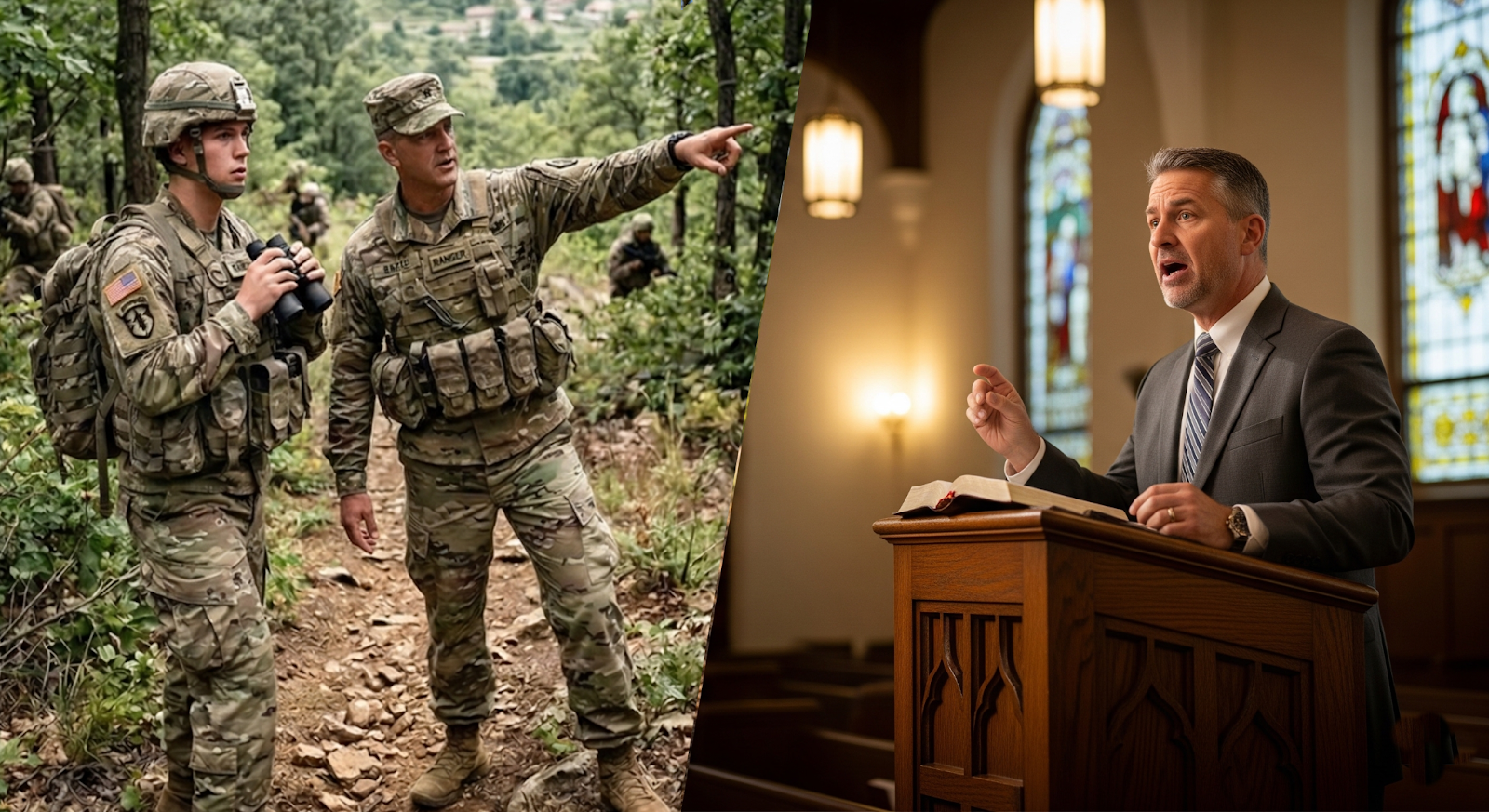
I was an excellent teacher. Or so I thought. I was trained in the art of military instruction by the best. First as an Air Assault Instructor and then as a Ranger Instructor. When the Army trains someone they do a pretty thorough job of it. In fact, our final evaluation was called a “Murder Board.” The student instructor would prepare their class to be taught in front of the most critical nitpicking bunch of pitbulls the school could produce and then be torn to shreds after their first attempt. That was just the start. Then you had to lead your students through the Crawl, Walk, Run PE (Practical Exercise) giving them an example of what “right looks like” and ample time to actually practice the things you just taught. The cherry on top was the AAR (After Action Review) where you guided soldiers through what needs to be improved and what they need to sustain. Nobody passes their first presentation and PE. But, over time, I became a well trained instructor and even trained a few instructors myself.
Then I took preaching classes in Bible college and seminary. The standards the professors were looking for were quite simple; thorough sermon preparation and delivery. That’s it. As I transitioned from Army Instructor to Pastor I was waxing eloquent two to three times a week but I can’t say my “students” were being taught. They were hearing a lot of good things but the actual transition from knowing to doing was severely lacking.
As I reflected on my military and clerical teacher experience, the stark differences were apparent. I realized I was giving a great monologue but not necessarily being a “great teacher.” I had to change my approach from what modern Christianity might call a “best practice” to practicing something that actually produced disciples that would do what Jesus said and not just know what Jesus said. I went back to the drawing board and to the Master Teacher. The more I read Jesus and the more I sat under some expert disciple makers, the more my instruction looked like my military days (without all the yelling and push-ups). I had to go back to the drawing board so to speak and relearn the art of asking questions (not just rhetorical questions). I had to actually learn to be patient and wait during an awkward amount of silence before jumping back in. I had to learn to answer a question with a question. I had to relearn the art of monitoring the audience for facial expressions and body language to gauge the level of understanding. And most importantly, I had to relearn that the initial lecture was only the beginning of the “class.” The real goal was following through with application and accountability until a sufficient level of mastery was reached before I could say “I taught them.”
If we are wondering why our attempt to make disciples in the American context (and many others) is so anemic, it’s because the “monologue only technique” is rarely sufficient for real transformation. Don’t get me wrong, the occasional lecture can be effective but not as an exclusive form of teaching. I think Jesus was more like a Ranger Instructor than a typical preacher we see today.
Our Action Plan
Now it’s time for application. Here’s some ideas;
- The next time one of your mentees asks you a question, begin your answer with a question.
- Tell a short personal story or Bible story to answer questions.
- Ask them what they plan to do with your discussion.
Becoming a good teacher or disciple maker takes far more than just dispensing information. Your aim is to stimulate understanding through self discovery and to actually put the new knowledge into action. Through patient, persistent, clear instruction like Jesus we will become more like Him and help others do the same.
Organic Writing – No Artificial Intelligence or Sweeteners Added
| Gospel Sync | Kingdom Kernels | Discipleship Matters Podcast | Website |
El Maestro de Maestros – #154
¡Bienvenidos de nuevo! Hoy analizaremos el Evangelio de Lucas para ver al Maestro de Maestros en acción.
¡Comencemos!
Lucas 10:25-37
Mis Pensamientos
¿Crees que deberíamos analizar la historia del Buen Samaritano aunque probablemente la hayas escuchado cientos de veces? Quizás, pero recuerda que el objetivo de nuestro estudio es convertirnos en mejores hacedores de discípulos. Así que, en lugar de eso, analicemos la forma en que Jesús enseñaba.
Primero, Jesús hace una pregunta. Incluso hace una pregunta para responder a otra. De hecho, hace dos preguntas:
“¿Qué está escrito en la Ley?”, respondió Jesús. “¿Cómo la lees?”.
Y las preguntas que hace son tan importantes como la técnica de enseñanza misma. La primera pregunta dirige a la persona hacia una autoridad inquebrantable: la Palabra de Dios. Y la segunda prueba su alineamiento con esa autoridad.
Ahora debemos hacernos varias preguntas:
En nuestra enseñanza, ¿hacemos preguntas o nos lanzamos automáticamente a un monólogo?
¿Llevamos a la gente a la Palabra de Dios como autoridad o a nosotros mismos?
¿Intentamos identificar el compromiso, la comprensión y la aplicación de la Palabra de la persona?
A medida que la situación se desarrolla, el líder religioso nos da la respuesta correcta: amar a Dios y amar a las personas. Pero Jesús no se conforma con la aprobación intelectual; desafía al “experto” a aplicar realmente lo que sabe.
“Has respondido correctamente”, dijo Jesús. “Haz esto y vivirás”.
¿Acaso enseñamos con la expectativa de que la gente no solo conozca la información, sino que realmente la utilice?
¿Están las personas a quienes discipulamos preparadas para dar el salto de la satisfacción con un “buen sermón” a una evaluación que conduzca a la acción personal?
¿Se acabó la lección, verdad? ¡No! El líder religioso expone su falta de comprensión de la Palabra de Dios y su propia propensión a evadir la aplicación.
Pero, queriendo justificarse, le preguntó a Jesús: “¿Y quién es mi prójimo?”.
Jesús podría haberle lanzado una diatriba diciéndole lo engañoso, malvado e incorregible que era, pero en cambio, como Maestro de maestros, le cuenta una historia corta. Y no una historia cualquiera. Cuenta una historia que enfrenta la religiosidad fingida y posicional contra un verdadero amante de Dios y de las personas. Mete la pata en el corazón de este impostor sin acusarlo de nada.
El Maestro de Maestros no termina. Hizo otra pregunta para ver si la historia tenía sentido.
“¿Quién de estos tres crees que fue prójimo del hombre que cayó en manos de ladrones?”
Como hacedores de discípulos, ¿conocemos el poder de contar historias y hacer preguntas?
¿Somos lo suficientemente observadores y pacientes para ver si alguien capta la idea o nos mira como un perro que escucha un silbido extraño?
Al ver que el hombre captó la idea, Jesús le pone la guinda del pastel con el reto de aplicar una vez más… como ya habrás adivinado… lo que había aprendido.
Entonces Jesús le dijo: “Ve y haz tú lo mismo”.
¡Esa sí que es una clase magistral de enseñanza del Maestro Hacedor de Discípulos! Hay muchos elementos de la vida y el ejemplo de Jesús que debemos emular, pero si vamos a llegar a ser como el Maestro, este es un gran lugar para comenzar.
Mi Historia
Fui un excelente profesor. O eso creía. Me formaron en el arte de la instrucción militar los mejores. Primero como instructor de asalto aéreo y luego como instructor de rangers. Cuando el Ejército entrena a alguien, lo hace con bastante minuciosidad. De hecho, nuestra evaluación final se llamaba “Junta de Asesinato”. El alumno instructor preparaba su clase para que la enseñaran frente a la panda de pitbulls más críticos y quisquillosos que la escuela pudiera producir, y luego los destrozaban en su primer intento. Eso era solo el principio. Después, tenías que guiar a tus alumnos en el ejercicio práctico de gatear, caminar y correr, dándoles un ejemplo de lo que significa “hacer lo correcto” y tiempo suficiente para practicar lo que acababas de enseñar. La guinda del pastel era la Revisión Posterior a la Acción (RAA), donde guiabas a los soldados sobre qué debían mejorar y qué debían mantener. Nadie aprueba su primera presentación y su primera evaluación física. Con el tiempo, incluso me eligieron para ser uno de los “pitbulls”.
Luego tomé clases de predicación en el instituto bíblico y el seminario. Los estándares que buscaban los profesores eran bastante simples: una preparación y presentación minuciosa de sermones. Eso era todo. Al pasar de instructor del ejército a pastor, me deshacía en elocuencia dos o tres veces por semana, pero no puedo decir que mis “alumnos” aprendieran. Escuchaban muchas cosas buenas, pero la transición real del saber al hacer era muy deficiente.
Al reflexionar sobre mi experiencia como profesor militar y clérigo, las marcadas diferencias eran evidentes. Me di cuenta de que estaba dando un gran monólogo, pero no era necesariamente un “gran maestro”. Tuve que cambiar mi enfoque, de lo que el cristianismo moderno podría llamar una “mejor práctica”, a practicar algo que realmente produjera discípulos que hicieran lo que Jesús decía y no solo supieran lo que Jesús decía. Volví a la mesa de dibujo y al Maestro de maestros. Cuanto más leía a Jesús y más me sentaba con algunos expertos hacedores de discípulos, más se parecía mi instrucción a mis días en el ejército (sin todos los gritos y las flexiones). Tuve que volver a empezar desde cero, por así decirlo, y reaprender el arte de hacer preguntas (no solo preguntas retóricas). De hecho, tuve que aprender a ser paciente y esperar durante un silencio incómodo antes de volver a intervenir. Tuve que aprender a responder a una pregunta con otra pregunta. Tuve que reaprender el arte de observar las expresiones faciales y el lenguaje corporal del público para evaluar su nivel de comprensión. Y lo más importante, tuve que reaprender que la discusión inicial era solo el comienzo de la “clase”. El verdadero objetivo era seguir adelante con la aplicación y la responsabilidad hasta alcanzar un nivel de dominio suficiente antes de poder decir “Les enseñé”.
Si nos preguntamos por qué nuestro intento de hacer discípulos en el contexto estadounidense (y en muchos otros) es tan débil, es porque la “técnica del solo monólogo” rara vez es suficiente para una verdadera transformación.
Nuestro Plan de Acción
Ahora es momento de aplicar. Aquí tienes algunas ideas:
La próxima vez que uno de tus aprendices te haga una pregunta, comienza tu respuesta con una pregunta.
Cuenta una breve historia personal o bíblica para responder.
Pregúntales qué planean hacer con la conversación.
Convertirse en un buen maestro o hacedor de discípulos implica mucho más que simplemente impartir información. Tu objetivo es estimular la comprensión a través del autodescubrimiento y poner en práctica el nuevo conocimiento. Mediante una instrucción paciente, persistente y clara como la de Jesús, nos asemejaremos más a Él y ayudaremos a otros a hacer lo mismo.
Escritura orgánica: sin inteligencia artificial ni edulcorantes añadidos
Si ve un problema importante en la traducción, envíeme una corrección por correo electrónico a charleswood1@gmail.com







 ToBeLikeJesus