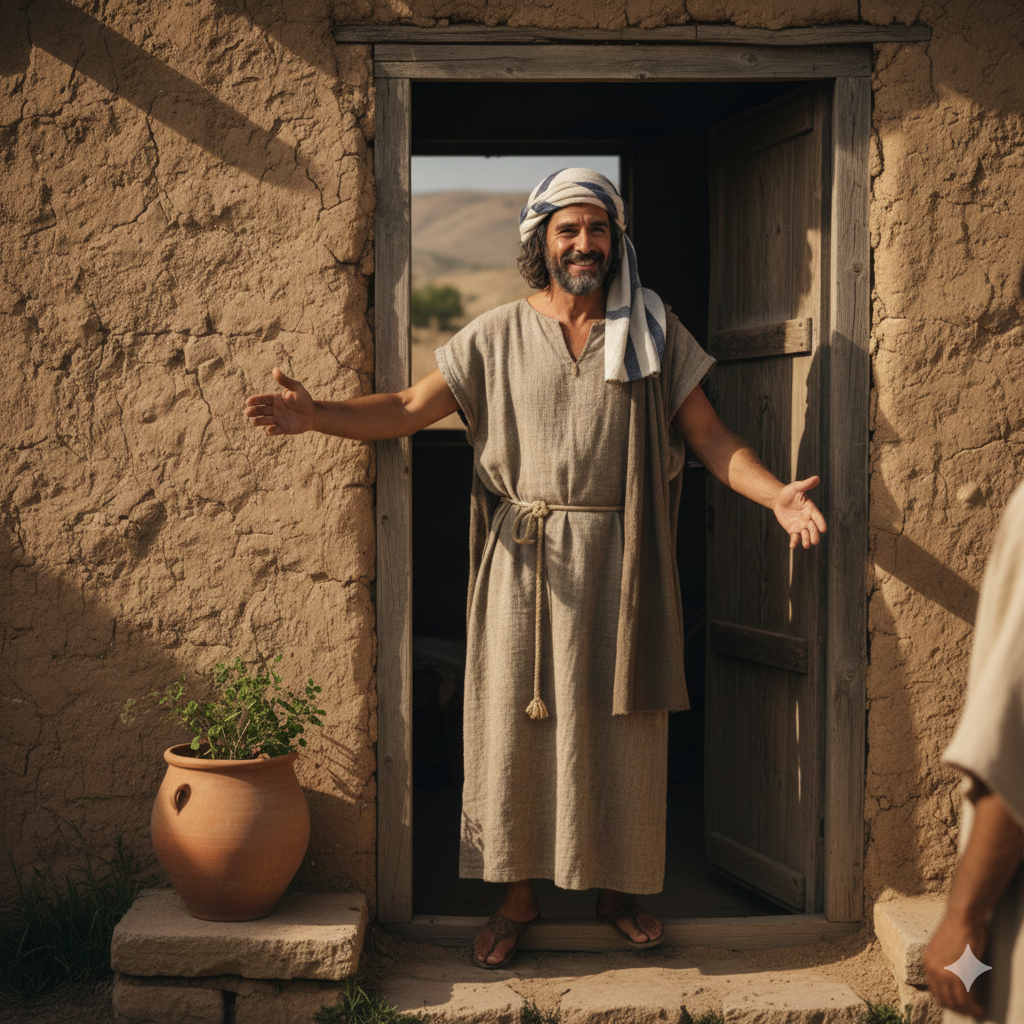
Kingdom Kernel #20 – A Catalytic Message – Matthew 4:23, 9:35, Luke 4:43, 8:1

Kingdom Kernel Collection

Preaching and Teaching the Kingdom: A Catalyst for Transformation

The Biblical Concept of Proclaiming God’s Reign

Jesus Christ, the perfect exemplar of kingdom proclamation, demonstrated a powerful ministry of teaching, preaching, and healing that serves as our model for spreading the good news of God’s reign. The Greek terms used in Matthew 4:23, 9:35, Luke 4:43, and 8:1 provide rich insight into this transformative mission.

Linguistic Analysis

The key Greek words in these passages are:

Didaskō (Strong’s G1321): “to teach”

Kēryssō (Strong’s G2784): “to proclaim, preach”

Euangelizō (Strong’s G2097): “to bring good news, evangelize”

These terms collectively paint a picture of comprehensive communication, combining instruction, public declaration, and joyful announcement.

Jesus as the Messiah-King

Jesus embodied these actions as the long-awaited Messiah and King. His teaching (didaskō) in synagogues demonstrated authoritative exposition of Scripture. His proclamation (kēryssō) of the kingdom gospel was a royal announcement of God’s reign. His evangelizing (euangelizō) brought hope to the masses.

The Present and Future Kingdom

Christ’s ministry emphasized that God’s kingdom was both “at hand” (Matthew 4:17) and yet to come in fullness. This dual nature of the kingdom—present reality and future hope—was central to Jesus’ message and remains crucial for our understanding today.

Implications for Disciple-Makers

Comprehensive Communication: Like Jesus, we must employ varied methods of sharing the kingdom message—teaching, proclaiming, and evangelizing.

Authoritative Teaching: Our instruction should be grounded in Scripture and delivered with Christ-given authority.

Public Declaration: Bold, open proclamation of the kingdom should characterize our ministry.

Joyful Evangelism: The good news of God’s reign should be shared with enthusiasm and hope.

Holistic Ministry: Jesus’ pattern of teaching, preaching, and healing calls us to address both spiritual and physical needs.

Wide Reach: Christ’s itinerant ministry challenges us to expand our influence beyond comfortable boundaries.

Present Reality: We must emphasize the current Lordship of Jesus, not just future expectations.

Conclusion: The Transformative Power of Kingdom Proclamation

The concept of teaching and preaching the kingdom as exemplified by Jesus reveals God’s heart for comprehensive restoration. It demonstrates His redemptive plan unfolding in history and points to Christ’s eternal reign. By embracing this model, we participate in the expansion of God’s kingdom, inviting others to experience the transformative power of His reign—both now and in the age to come.

This approach to ministry, rooted in Jesus’ example, has the potential to catalyze profound change in individuals and communities. As we faithfully teach, proclaim, and demonstrate the reality of God’s kingdom, we become agents of His divine purpose, extending the influence of His reign “on earth as it is in heaven” (Matthew 6:10).

Disciple-Maker’s Short Story

“The Ripple Effect”

Isaac leaned against the weathered oak outside the college library, the faint hum of campus life swirling around him as the day slipped into dusk. Nathan approached, his backpack slung over one shoulder, weaving through the throng of students chattering about the upcoming outreach event. The crisp autumn air carried the scent of fallen leaves, but Isaac’s furrowed brow hinted at a weight far heavier than the evening’s promise of fellowship.

“Nathan, I’ve been thinking,” Isaac began, his voice tinged with hesitation. “Maybe I should step back from evangelizing for a while. I’ve got so many guys to follow up with in discipleship, and I’m feeling overwhelmed.”

Nathan, a seasoned mentor with eyes that sparkled with wisdom, raised an eyebrow. “Is that so?” he mused, his tone gentle but probing. “Tell me, Isaac, did Jesus ever stop sharing the gospel?”

Isaac’s brow furrowed. “Well, no, but—”

“Let’s sit for a moment,” Nathan suggested, gesturing to a nearby bench. As they settled, he continued, “Consider this: Jesus focused intensely on the twelve disciples, yet He never ceased proclaiming the kingdom to the masses. In fact, He often brought the twelve along as He spread the message. It was a brilliant strategy of multiplication.”

Isaac leaned back, skepticism etched on his features. “That sounds great in theory, Nathan, but I’m not Jesus. I don’t know if I can manage both.”

A knowing smile played on Nathan’s lips. “Let me share a story that might change your perspective. Do you remember the account of the demon-possessed man in the region of the Gerasenes?”

Isaac nodded slowly, curiosity piquing his interest.

“This man was tormented by a legion of demons,” Nathan recounted, his voice taking on a storyteller’s cadence. “Jesus freed him from his bondage, and the man was so grateful he begged to follow Jesus. But do you recall what Jesus told him?”

Isaac shook his head, engrossed in the narrative.

“Jesus said no,” Nathan revealed. “There was no room in the boat. Instead, He instructed the man to return home and share the good news with his people. And do you know what happened?”

Isaac leaned forward, anticipation building.

“That one man,” Nathan continued, his eyes alight with passion, “went on to spread the kingdom message throughout the entire Decapolis—ten cities! Imagine the impact of his testimony.”

A moment of silence fell between them as Isaac absorbed the implications. The setting sun painted the sky in hues of orange and pink, mirroring the dawning realization on Isaac’s face.

“I… I never thought of it that way,” Isaac admitted, his voice barely above a whisper.

Nathan continued. “You see, Isaac, by continuing to evangelize while discipling, you’re not just adding to the kingdom—you’re multiplying it. Each person you reach has the potential to become a catalyst for transformation in their own sphere of influence.”

Isaac’s eyes widened, a newfound determination kindling within them. “Like ripples in a pond,” he murmured.

“Exactly,” Nathan affirmed. “Jesus understood the power of this two pronged approach. He focused on discipling a few leaders and yet taught, proclaimed, and brought good news of the kingdom to the masses. It was a comprehensive communication of the kingdom, addressing both immediate needs and eternal truths.”

As they stood to resume their walk, Isaac’s steps had a renewed vigor. “I want to be more like Jesus,” he declared, his voice firm with resolve. “To balance the intimate discipleship with the wide-reaching proclamation of the kingdom.”

Nathan nodded approvingly. “Remember, advancing the kingdom of God is a both/and activity. Focus on a few while helping many. By embracing this dual nature in your ministry, you become an agent of divine purpose, extending the influence of His reign ‘on earth as it is in heaven.'”

The campus came alive around them as students gathered for the outreach event. Isaac surveyed the crowd, no longer seeing a daunting task but a field ripe for harvest. With a deep breath, he stepped forward, ready to teach, proclaim, and bring the good news of the kingdom—just as Jesus did.

As Nathan watched his protégé move into the throng, he smiled, knowing that the ripples of Isaac’s renewed commitment would spread far beyond this campus, touching lives in ways neither of them could yet imagine.

Kingdom Kernel Collection

The Search and Rescue Party – #124

Index for all posts in the Gospel Sync Series

ENGLISH / ESPAÑOL

Welcome Back! Today, we’ll be looking at the Gospel of Matthew to discover Jesus’ feeling about reaching lost people. 

So let’s get started.

(Click here to get a copy of the Gospel Sync document) 

Matthew 18:10-14

See that you do not look down on any of these little ones. For I tell you that their angels in heaven always see the face of My Father in heaven. For the Son of Man has come to save that which was lost. What do you think? If a man has a hundred sheep and one of them goes astray, will he not leave the ninety-nine on the hills and go out to search for the one that is lost? And if he finds it, truly I tell you, he rejoices more over that one sheep than over the ninety-nine that did not go astray. In the same way, your Father in heaven is not willing that any of these little ones should perish.

My Thoughts 

Jesus came to save that which is lost. That’s an amazing mission statement isn’t it? Now I know that 99% of people reading this are “found.” And maybe His statement has diminished a little of its edge now that we’ve been saved so long. But I like to let it sink in and marinate for a while. Jesus loves lost people. Jesus searches for lost people. Jesus and the whole of heaven rejoice when lost people are found. He loves His mission so much He not only made it part of His identity, He would make it part of His follower’s identity as well. Question: Have you joined Jesus on the Search and Rescue Party?

And He said to them, “Follow Me, and I will make you fishers of men.” (Matthew 4:19)

“You are the light of the world. A city set on a hill cannot be hidden; nor does anyone light a lamp and put it under a basket, but on the lampstand, and it gives light to all who are in the house. Let your light shine before men in such a way that they may see your good works, and glorify your Father who is in heaven.” (Matthew 5:14-16)

And Jesus came up and spoke to them, saying, “All authority has been given to Me in heaven and on earth. Go therefore and make disciples of all the nations, baptizing them in the name of the Father and the Son and the Holy Spirit, teaching them to observe all that I commanded you; and lo, I am with you always, even to the end of the age.” (Matthew 28:18-20)

And He said to them, “Go into all the world and preach the gospel to all creation.” (Mark 16:15)

“As You sent Me into the world, I also have sent them into the world.” (John 17:18)

And He said to them, “Thus it is written, that the Christ would suffer and rise again from the dead the third day, and that repentance for forgiveness of sins would be proclaimed in His name to all the nations, beginning from Jerusalem. You are witnesses of these things. And behold, I am sending forth the promise of My Father upon you; but you are to stay in the city until you are clothed with power from on high.” (Luke 24:46-49)

“But you will receive power when the Holy Spirit has come upon you; and you shall be My witnesses both in Jerusalem, and in all Judea and Samaria, and even to the remotest part of the earth.” (Acts 1:8)

My Story

I used to hate witnessing. For years I struggled with the fact that I knew all believers are commanded to share their faith and yet I stunk at it. It wasn’t that I had received bad training or didn’t know what to say. It just bothered me to talk to family, friends, and especially strangers about Jesus. That is until I made a commitment to get serious about obeying Jesus and having a heart for the lost like He did. I wanted to be like Him and to be like Him I needed to become a fisher of men.

I made a commitment to share every day for seven days. At the time we were living in Highland Falls, New York and I would go down to the main street and engage the people there. I could still walk the distance with a limp and a cane. Surprisingly the people eagerly listened to what I had to say. I later found out that my favorite people to share with were drug dealers and prostitutes. The police would actually slow down and look me over as I talked with them on the corner. Seven days turned into three months of daily evangelism and I gained a reputation and became known as the “old cripple guy who talks about religion.”

It all started as a discipline but very quickly turned into delight as I obey Jesus’ command and found that although I didn’t see many conversions that I know of, I was received with warmth and gratitude. I was actually having fun. And that was the end of hating witnessing. 

The other day Deb and I were training a younger couple on how to share the gospel and as I sent them into the crowded food court, I said “Have fun!” As the women walked away she asked Deb, “Is he serious? You think this is fun? Deb explained our journey from discipline to delight and had a great time coaching her in the art of sharing our faith.

Our Action Plan

Now it’s time for application. Here’s some ideas;

  • Be trained and train others to share a one minute testimony with the gospel (Watch this video: https://youtu.be/J0dwEcmXr1I )
  • Actually go out and model for those you have trained how you share your testimony
  • Make engaging lost people a priority and share the gospel on a regular basis

Jesus and the whole of heaven rejoice over one sinner repenting and coming into His kingdom. Let’s be bold and start a party in heaven by sharing the good news with consistency. 

Index for all posts in the Gospel Sync Series

*Organic Writing – No Artificial Intelligence or Sweeteners added

La Fiesta de Búsqueda y Rescate – #124

¡Bienvenidos de nuevo! Hoy analizaremos el Evangelio de Mateo para descubrir el sentir de Jesús al alcanzar a los perdidos.

Comencemos.

Mateo 18:10-14

No menosprecien a ninguno de estos pequeños. Porque les digo que sus ángeles en el cielo siempre ven el rostro de mi Padre celestial. Porque el Hijo del Hombre vino a salvar lo que se había perdido. ¿Qué les parece? Si un hombre tiene cien ovejas y una de ellas se descarría, ¿no dejará las noventa y nueve en el monte para ir a buscar la que se perdió? Y si la encuentra, les aseguro que se regocija más por esa sola oveja que por las noventa y nueve que no se descarriaron. Así también, su Padre celestial no quiere que ninguno de estos pequeños perezca.

Mis Pensamientos

Mis pensamientos

Jesús vino a salvar lo que se había perdido. Esa es una declaración de misión increíble, ¿verdad? Ahora sé que el 99% de quienes leen esto han sido “encontrados”. Y quizás su declaración haya perdido un poco de fuerza ahora que llevamos tanto tiempo siendo salvos. Pero prefiero dejarla reposar un rato. Jesús ama a los perdidos. Jesús busca a los perdidos. Jesús y todo el cielo se regocijan cuando se encuentra a los perdidos. Ama tanto su misión que no solo la hizo parte de su identidad, sino que también la haría parte de la identidad de sus seguidores. Pregunta: ¿Te has unido a Jesús en la expedición de búsqueda y rescate?

Y les dijo: “Síganme, y los haré pescadores de hombres”. (Mateo 4:19)

“Ustedes son la luz del mundo. Una ciudad situada sobre un monte no se puede esconder; ni se enciende una lámpara y se pone debajo de un almud, sino sobre el candelero, y alumbra a todos los que están en casa. Brille su luz delante de los hombres, para que vean sus buenas obras y glorifiquen a su Padre que está en los cielos.” (Mateo 5:14-16)

Y Jesús se acercó y les habló, diciendo: “Toda autoridad me ha sido dada en el cielo y en la tierra. Por tanto, id y haced discípulos a todas las naciones, bautizándolos en el nombre del Padre y del Hijo y del Espíritu Santo, enseñándoles a obedecer todo lo que os he mandado; y he aquí, yo estoy con vosotros todos los días, hasta el fin del mundo.” (Mateo 28:18-20)

Y les dijo: “Id por todo el mundo y predicad el evangelio a toda la creación.” (Marcos 16:15)

“Como tú me enviaste al mundo, yo también los he enviado al mundo.” (Juan 17:18)

Y les dijo: “Así está escrito: que el Cristo padecería y resucitaría de entre los muertos al tercer día, y que en su nombre se predicaría el arrepentimiento para el perdón de los pecados a todas las naciones, comenzando desde Jerusalén. Ustedes son testigos de estas cosas. Y he aquí, yo envío la promesa de mi Padre sobre ustedes; pero ustedes deben permanecer en la ciudad hasta que sean investidos con poder desde lo alto.” (Lucas 24:46-49)

“Pero recibirán poder cuando el Espíritu Santo haya venido sobre ustedes, y serán mis testigos en Jerusalén, en toda Judea y Samaria, y hasta los confines de la tierra.” (Hechos 1:8)

Mi Historia

Solía odiar testificar. Durante años luché con el hecho de que sabía que a todos los creyentes se les manda compartir su fe, y aun así, era pésimo en ello. No era que hubiera recibido una mala formación ni que no supiera qué decir. Simplemente me molestaba hablar de Jesús con familiares, amigos y, sobre todo, con desconocidos. Eso fue hasta que me comprometí a tomarme en serio la obediencia a Jesús y a tener un corazón por los perdidos como el suyo. Quería ser como Él, y para ser como Él, necesitaba convertirme en pescador de hombres.

Me comprometí a compartir todos los días durante siete días. En aquel entonces vivíamos en Highland Falls, Nueva York, y solía ir a la calle principal y conversar con la gente. Todavía podía caminar la distancia cojeando y con un bastón. Sorprendentemente, la gente escuchaba con entusiasmo lo que tenía que decir. Más tarde descubrí que mis personas favoritas para compartir eran los narcotraficantes y las prostitutas. La policía, de hecho, reducía la velocidad y me inspeccionaba mientras hablaba con ellos en la esquina. Siete días se convirtieron en tres meses de evangelización diaria y me gané la reputación de ser el “viejo cojo que habla de religión”.

Todo empezó como una disciplina, pero rápidamente se convirtió en deleite al obedecer el mandato de Jesús y descubrir que, aunque no vi muchas conversiones, que yo sepa, me recibían con cariño y gratitud. De hecho, me divertía. Y así se acabó mi odio por la predicación.

El otro día, Deb y yo estábamos capacitando a una pareja joven sobre cómo compartir el evangelio y, al guiarlos a la abarrotada zona de restaurantes, les dije: “¡Diviértanse!”. Mientras las mujeres se alejaban, le preguntó a Deb: “¿Habla en serio? ¿Crees que esto es divertido?”. Deb explicó nuestra transición de la disciplina al deleite y se divirtió mucho enseñándole el arte de compartir nuestra fe.

Nuestro Plan de Acción

Ahora es momento de ponerlo en práctica. Aquí tienes algunas ideas:

  • Capacítate y capacita a otros para compartir un testimonio de un minuto con el evangelio (Mira este video: https://youtu.be/J0dwEcmXr1I).
  • Sal y modela cómo compartes tu testimonio para quienes has capacitado.
  • Prioriza conectar con las personas perdidas y comparte el evangelio con regularidad.

Jesús y todo el cielo se regocijan por un pecador que se arrepiente y entra en su reino. Seamos valientes y comencemos una fiesta en el cielo compartiendo las buenas nuevas con constancia.

Si ve un problema importante en la traducción, envíeme una corrección por correo electrónico a charleswood1@gmail.com

The Comfort Zone? – #91

ENGLISH / ESPAÑOL

Rather Listen?

Welcome Back! Today, we’ll be looking at the Gospel of Matthew to see how Jesus “motivated” His disciples before sending them on mission.

So let’s get started.

(Click here to get a copy of the Gospel Sync document) 

Matthew 10:16-42

Behold, I am sending you out like sheep among wolves; therefore be as shrewd as snakes and as innocent as doves. But beware of men; for they will hand you over to their councils and flog you in their synagogues. On My account, you will be brought before governors and kings as witnesses to them and to the Gentiles. But when they hand you over, do not worry about how to respond or what to say. In that hour you will be given what to say. For it will not be you speaking, but the Spirit of your Father speaking through you. Brother will betray brother to death, and a father his child; children will rise against their parents and have them put to death. You will be hated by everyone because of My name, but the one who perseveres to the end will be saved. When they persecute you in one town, flee to the next. Truly I tell you, you will not reach all the towns of Israel before the Son of Man comes. A disciple is not above his teacher, nor a servant above his master. It is enough for a disciple to be like his teacher, and a servant like his master. If the head of the house has been called Beelzebul, how much more the members of his household!

So do not be afraid of them. For there is nothing concealed that will not be disclosed, and nothing hidden that will not be made known. What I tell you in the dark, speak in the daylight; what is whispered in your ear, proclaim from the housetops. Do not be afraid of those who kill the body but cannot kill the soul. Instead, fear the One who can destroy both soul and body in hell.

Are not two sparrows sold for a penny? Yet not one of them will fall to the ground apart from the will of your Father. And even the very hairs of your head are all numbered. So do not be afraid; you are worth more than many sparrows. Therefore everyone who confesses Me before men, I will also confess him before My Father in heaven. But whoever denies Me before men, I will also deny him before My Father in heaven.

Do not assume that I have come to bring peace to the earth; I have not come to bring peace, but a sword. For I have come to turn ‘a man against his father, a daughter against her mother, a daughter-in-law against her mother-in-law. A man’s enemies will be the members of his own household.’ Anyone who loves his father or mother more than Me is not worthy of Me; anyone who loves his son or daughter more than Me is not worthy of Me; and anyone who does not take up his cross and follow Me is not worthy of Me. Whoever finds his life will lose it, and whoever loses his life for My sake will find it. He who receives you receives Me, and he who receives Me receives the One who sent Me. Whoever receives a prophet because he is a prophet will receive a prophet’s reward, and whoever receives a righteous man because he is a righteous man will receive a righteous man’s reward. And if anyone gives even a cup of cold water to one of these little ones because he is My disciple, truly I tell you, he will never lose his reward.”

My Thoughts 

Now how’s that for a motivational send off speech?! Jesus is not pulling any punches here. He tells the disciples they are being sent like sheep among wolves, people will hate them, beat them, call them demons, be kicked out of synagogues and towns, and some will even be killed! You can understand why there wasn’t exactly a long line of volunteers signing up for the mission. But it wasn’t all doom and gloom.  Jesus was promising the Holy Spirit’s leadership and comfort, the privilege of being God’s ambassadors, finding real life, receiving the prophet’s reward, and if they were killed, the life after would be worth any persecution they endured.

This is why it’s important to cast vision using both sides of the coin. On one side, the cost of following Jesus. On the other, the immeasurable benefits to obeying Him in this life and the next. As disciple makers it’s essential that we present both sides as Jesus did. There are challenging times ahead but it will be worth every second of pain and shame.

For I consider that the sufferings of this present time are not worthy to be compared with the glory that is to be revealed to us. For the anxious longing of the creation waits eagerly for the revealing of the sons of God.  (Romans 8:18-19)

My Story

 I was invited to train a Sunday School class on how to share a simple testimony. As I wrapped up the lesson and pressed for personal application, a very vociferous person smugly stated, “Sharing your personal relationship with Jesus may be fine for some, but it’s way out of my comfort zone.”

I replied, “I’m sure Jesus was way out of His comfort zone when He died for you and all those who need to hear His gospel.” (and I should have stretched out my arms to emulate Jesus hanging on the cross to drive the point home even more).

Our Action Plan

Let’s explore some strategies to assist us, as disciple-makers, in guiding others to step out of their “Comfort Zone” and embrace an eternal perspective in their thinking and living:

 Read Jesus’ sending speech together and reflect on the following questions:

  •    Are we prepared to bear the cost of being Jesus’ witnesses and obey His commands?
  •   Can we clearly distinguish between the fleeting gains of today and the extraordinary treasures of eternity?
  •   Have we developed the ability to share the gospel in a way that clearly delineates between those who will welcome Jesus and those who may react with hostility towards Him?

As we conclude this exploration of stepping out of our comfort zones for Christ, we are reminded that true discipleship often requires courage, sacrifice, and a shift in perspective. Jesus’ challenging words to His disciples serve as a powerful call for us to embrace an eternal mindset, prioritizing His kingdom over worldly comforts and recognizing that the rewards of faithful obedience far outweigh any temporary discomfort or persecution we may face.

¿La zona de confort? – 91

¡Bienvenidos de nuevo! Hoy, analizaremos el Evangelio de Mateo para ver cómo Jesús “motivó” a sus discípulos antes de enviarlos a la misión.

Comencemos.

Mateo 10:16-42

Mirad, yo os envío como ovejas en medio de lobos; sed, pues, astutos como serpientes y sencillos como palomas. Pero guardaos de los hombres, porque os entregarán a sus concilios y os azotarán en sus sinagogas. Por mi causa seréis llevados ante gobernadores y reyes, para que deis testimonio ante ellos y ante los gentiles. Pero cuando os entreguen, no os preocupéis por cómo vais a responder o qué vais a decir. En aquella hora se os dará lo que tengáis que decir. Porque no seréis vosotros los que habléis, sino el Espíritu de vuestro Padre el que hablará por medio de vosotros. El hermano entregará a la muerte al hermano, y el padre al hijo; los hijos se levantarán contra los padres y los harán morir. Seréis odiados de todos por causa de mi nombre, pero el que persevere hasta el fin, ése se salvará. Cuando os persigan en una ciudad, huid a la otra. En verdad os digo que no llegaréis a todas las ciudades de Israel antes de que venga el Hijo del Hombre. El discípulo no es más que su maestro, ni el siervo más que su señor. Al discípulo le basta ser como su maestro, y al siervo como su señor. Si al padre de familia lo llaman Beelzebú, ¡cuánto más a los de su casa!

No les tengan miedo, porque no hay nada oculto que no llegue a ser descubierto, ni secreto que no llegue a saberse. Lo que les digo en la oscuridad, díganlo a la luz del día; lo que les susurran al oído, proclamen desde los tejados. No tengan miedo de los que matan el cuerpo, pero no pueden matar el alma; teman más bien a aquel que puede destruir el alma y el cuerpo en el infierno.

¿No se venden dos pajarillos por un cuarto? Sin embargo, ni uno de ellos cae a tierra sin la voluntad de vuestro Padre. Y hasta vuestros cabellos están todos contados. Así que no tengan miedo, porque ustedes valen más que muchos pajarillos. Por eso, a todo el que me confiese delante de los hombres, yo también le confesaré delante de mi Padre que está en los cielos. Pero a cualquiera que me niegue delante de los hombres, yo también lo negaré delante de mi Padre que está en el cielo.

No penséis que he venido a traer paz a la tierra; no he venido a traer paz, sino espada. Porque he venido a poner en disensión al hombre contra su padre, a la hija contra su madre, a la nuera contra su suegra. Los enemigos del hombre serán los de su misma casa. El que ama a su padre o a su madre más que a mí, no es digno de mí; el que ama a su hijo o a su hija más que a mí, no es digno de mí; y el que no toma su cruz y me sigue, no es digno de mí. El que encuentre su vida, la perderá; y el que pierda su vida por mí, la encontrará. El que os recibe a vosotros, a mí me recibe; y el que me recibe a mí, recibe al que me envió. El que recibe a un profeta por ser profeta, recibirá recompensa de profeta; y el que recibe a un justo por ser justo, recibirá recompensa de justo. Y cualquiera que dé aunque sea un vaso de agua fría a uno de estos pequeños porque es mi discípulo, de cierto os digo que no perderá su recompensa jamás.

Mis Pensamientos

¡Qué buen discurso de despedida! Jesús no se anda con rodeos. Les dice a los discípulos que los están enviando como ovejas en medio de lobos, que la gente los odiará, los golpeará, los llamará demonios, los expulsarán de las sinagogas y de las ciudades, ¡y algunos incluso serán asesinados! Se puede entender por qué no había exactamente una larga fila de voluntarios que se apuntaran para la misión. Pero no todo era pesimismo. Jesús les estaba prometiendo el liderazgo y el consuelo del Espíritu Santo, el privilegio de ser embajadores de Dios, encontrar la vida real, recibir la recompensa del profeta y, si los mataban, la vida después valdría la pena por cualquier persecución que tuvieran que soportar.

Por eso es importante presentar la visión usando ambos lados de la moneda. Por un lado, el costo de seguir a Jesús. Por el otro, los inmensurables beneficios de obedecerle en esta vida y en la próxima. Como hacedores de discípulos, es esencial que presentemos ambos lados como lo hizo Jesús. Se avecinan tiempos difíciles, pero valdrá la pena cada segundo de dolor y vergüenza.

Pues considero que los sufrimientos de este tiempo presente no son dignos de ser comparados con la gloria que será revelada en nosotros. Porque el anhelo ardiente de la creación es el aguardar la manifestación de los hijos de Dios. (Romanos 8:18-19)

Mi Historia

Me invitaron a capacitar a una clase de la Escuela Dominical sobre cómo compartir un testimonio sencillo. Cuando estaba terminando la lección y presionando para que se aplicara personalmente, una persona muy vociferante dijo con aire de suficiencia: “Compartir tu relación personal con Jesús puede estar bien para algunos, pero está muy fuera de mi zona de comodidad”.

Respondí: “Estoy seguro de que Jesús estaba muy fuera de su zona de confort cuando murió por ti y por todos aquellos que necesitan escuchar su evangelio” (y debería haber extendido mis brazos para emular a Jesús colgado en la cruz para dejar el punto aún más en claro).

Nuestro Plan de Acción

Exploremos algunas estrategias que nos ayuden, como hacedores de discípulos, a guiar a otros a salir de su “zona de confort” y adoptar una perspectiva eterna en su forma de pensar y vivir:

Lean juntos el discurso de envío de Jesús y reflexionen sobre las siguientes preguntas:

¿Estamos preparados para asumir el costo de ser testigos de Jesús y obedecer sus mandatos?

¿Podemos distinguir claramente entre las ganancias fugaces de hoy y los tesoros extraordinarios de la eternidad?

¿Hemos desarrollado la capacidad de compartir el evangelio de una manera que delimite claramente entre quienes recibirán a Jesús y quienes pueden reaccionar con hostilidad hacia Él?

Al concluir esta exploración de cómo salir de nuestra zona de confort para Cristo, recordamos que el verdadero discipulado a menudo requiere coraje, sacrificio y un cambio de perspectiva. Las desafiantes palabras de Jesús a sus discípulos sirven como un poderoso llamado para que adoptemos una mentalidad eterna, priorizando su reino sobre las comodidades mundanas y reconociendo que las recompensas de la obediencia fiel superan con creces cualquier incomodidad o persecución temporal que podamos enfrentar.

Si ve un problema importante en la traducción, envíeme una corrección por correo electrónico a charleswood1@gmail.com

Rejected? – #87

ENGLISH / ESPAÑOL

Rather Listen?

Welcome Back! Today, we’ll be looking at the Gospels of Matthew and Mark to see how Jesus responded when He was rejected by His own people. 

So let’s get started.

(Click here to get a copy of the Gospel Sync document) 

Matthew 13:54–58, Mark 6:1–6a

Jesus went on from there and came to His hometown, accompanied by His disciples. He taught the people in their synagogue on the Sabbath and many who heard Him were astonished. “Where did this man get these ideas and such wisdom and miraculous powers?” they asked.  “Isn’t this the carpenter, the carpenter’s son, the son of Mary and the brother of James, Joses (Joseph), Judas, and Simon? Aren’t all His sisters with us as well? Where then did this man get all these things?” And they took offense at Him. But Jesus said to them, “Only in his hometown and in his own household is a prophet without honor.” So He could not perform any miracles there because of their unbelief, except to lay His hands on a few of the sick and heal them. And He was amazed at their unbelief.

My Thoughts 

Yup! I can identify with Jesus here. It is extremely difficult to disciple those who are family, friends, and close associates that have known you for a long time. Jesus was the perfect child. Even with that episode where He stayed behind in Jerusalem and scared His parents half to death. He was doing the will of His heavenly Father. As a parent, how could you argue with that? Yes, His people had seen the model child and young man growing up before their very eyes and they still didn’t give Him credit.

Now think about us as we try to disciple our family, friends, and close associates. Well, unlike Jesus, they’ve got dirt on us. Especially if we came to Christ later in life! They know our dirty laundry and our business is on the streets. It’s going to be an uphill battle. So why in the world would I ever want to go back and share the gospel and try to teach them the ways of Jesus? 

Because even though it’s hard, it’s worth it. The fact is that even though they rejected Jesus at the time some would become disciples later. I just read the other day in John 7:5 not even His brothers believed in Him. And yet, later, after His resurrection, both James and Jude became His disciples and even wrote Scripture. 

So how do we tackle this tough problem of ministry to those who know us well and are resistant to our spiritual input? I can think of several things we can practice and train those we are discipling to practice as well;

  • Share the Gospel Anyway – There are those that say we need to win the right to share the gospel. But you don’t see Jesus or the Apostles doing this. They lead with the gospel and simultaneously love their socks off. Jesus earned the right for us to share the gospel on the cross.
  • Live the Life – Notice this comes right alongside sharing the gospel. These are like two wings on an airplane. In order to fly, you have to have both. The Word without the life-style is hypocrisy. The Life-style without the Word is a mystery. 
  • Be Patient – It may take years of sharing the truth and living the truth for those who are closest to you to turn to Jesus. I’ve heard stories of disciples that finally saw their people come into the kingdom and there was inexpressible joy. They didn’t give up.
  • Persevere in Prayer – Jesus exhorts us to keep praying when we need something (Luke 18:1-8) Pray for your people daily. Pray that God will open their eyes and ears to the truth. Again Jesus says; “No one can come to Me unless the Father who sent Me draws him…” (John 6:44). So we should be trusting and calling on the Father to do the heavy lifting.

My Story

She was loaded for bear. A couple in a Christian organization wanted to visit with Deb and I. After a few minutes of niceties we got to the real agenda. The wife started, “Why do you feel the compulsion to share the gospel with people too quickly? I’ve heard about your training on how to share the gospel. You know that is a big turn off to most people. I remember as a baby believer feeling like I had to share the gospel with my non-Christian parents. It was a complete disaster! They flat out rejected Christ and told me I had a “Holier than Thou” attitude. I had to love them for years before they finally started following Jesus. I think you’re doing more damage than good.”

WOW! How do you handle that inquisition? 

I probably should have started with this question; “Did you have a ‘Holier than Thou’ attitude?” But you know how you always come up with the good questions two days later. Well, I didn’t think of that one on the spot but I did think of this one; “How did Jesus share the gospel?” That abruptly ended our visit.

Do I believe we should be loving and serving people as we are trying to lead people to Christ? You bet your boots I do! But that’s not the reason people come to Christ. I’ve already pointed out what Jesus said about how people come to Him in John 6:44, the Father draws them. The Apostle Paul put it this way;

For I am not ashamed of the gospel, for it is the power of God for salvation to everyone who believes, to the Jew first and also to the Greek. (Romans 1:16)

The power is in the Gospel, not our ability to “love them into the kingdom.”

Our Action Plan

Now it’s time for application. Here are some ideas.

  • Do a Bible study with those you are discipling on how long it took Jesus and His disciples to share the gospel when they met people.
  • Answer the question; “Why are people reluctant to share the gospel like Jesus?”
  • Make it a habit to pray daily for those in your life who have yet to surrender to Jesus.

Remember, God is the one who does the heavy lifting in our efforts to reach others. Our role is to faithfully share the gospel, love those around us, and trust the Holy Spirit to work in their hearts and bring about transformation.

¿Eres.. Rechazado? #87

¡Bienvenidos de nuevo! Hoy, veremos los Evangelios de Mateo y Marcos para ver cómo respondió Jesús cuando fue rechazado por su propio pueblo.

Entonces, comencemos.

Mateo 13:54–58, Marcos 6:1–6a

Mis Pensamientos

¡Sí! Me identifico con Jesús en esto. Es extremadamente difícil discipular a  familiares, amigos y conocidos cercanos que te conocen desde hace mucho tiempo. Jesús era el niño perfecto. Incluso en ese episodio en el cual se quedó en Jerusalén y asustó a sus padres hasta casi matarlos del susto. Estaba haciendo la voluntad de su Padre celestial. Como padre, ¿cómo podrías discutir eso? Sí, su pueblo había visto al niño y al joven modelo crecer ante sus propios ojos y aún así no le dieron crédito.

Ahora piensa en nosotros mientras tratamos de discipular a nuestra familia, amigos y allegados. Bueno, a diferencia de Jesús, ellos conocen nuestro pasado mundano. ¡Especialmente si llegamos a Cristo más tarde en la vida! En la calle conocen de nuestra vida y asuntos sucios en nuestro pasado. Va a ser una batalla cuesta arriba. Entonces, ¿por qué querría regresar y compartir el evangelio e intentar enseñarles los caminos de Jesús?

Porque aunque es difícil, vale la pena. El hecho es que, aunque rechazaron a Jesús en ese momento, algunos se convertirían en discípulos más tarde. Acabo de leer el otro día en Juan 7:5, ni siquiera sus hermanos creyeron en Él. Y, sin embargo, más tarde, después de Su resurrección, tanto Santiago como Judas se convirtieron en Sus discípulos e incluso escribieron parte de las Escrituras.

Entonces, ¿cómo abordamos este difícil problema del ministerio a quienes nos conocen bien y se resisten a nuestro aporte espiritual? Puedo pensar en varias cosas que podemos practicar y entrenar a quienes estamos discipulando para que también practiquen;

  • Compartir el Evangelio de Todos Modos – Hay quienes dicen que necesitamos ganar el derecho de compartir el evangelio. Pero no ves a Jesús ni a los Apóstoles haciendo esto. Lideran con el evangelio y al mismo tiempo los aman con locura. Jesús se ganó el derecho de que compartamos el Evangelio de la cruz.
  • Vivir la Vida – Observa que esto viene junto con compartir el Evangelio. Son como dos alas en un avión. Para volar, tienes que tener ambas. La Palabra sin el estilo de vida es hipocresía. El estilo de vida sin la Palabra es un misterio.
  • Ser paciente: Puede que se necesiten años de compartir la verdad y vivirla para que aquellos que están más cerca de ti se vuelvan a Jesús. He escuchado historias de discípulos que finalmente vieron a su gente entrar en el reino y hubo una alegría inefable. No se dieron por vencidos.
  • Perseverar en la oración: Jesús nos exhorta a seguir orando cuando necesitamos algo (Lucas 18:1-8). Ora por tu gente todos los días. Ora para que Dios les abra los ojos y los oídos a la verdad. Nuevamente Jesús dice: “Ninguno puede venir a mí, si el Padre que me envió no le trajere…” (Juan 6:44). Así que debemos confiar y pedirle al Padre que haga el trabajo pesado.

Mi Historia

Ella llegó bien preparada y lista! Una pareja de una organización cristiana quería visitarnos a Deb y a mí. Después de unos minutos de gentilezas, llegamos al verdadero tema. La esposa comenzó: “¿Por qué sientes la compulsión de compartir el evangelio con la gente tan rápido? He oído hablar de tu formación sobre cómo compartir el evangelio. Debes saber que eso es un gran desánimo para la mayoría de las personas. Recuerdo que cuando era un bebé cristiano sentía que tenía que compartir el Evangelio con mis padres quienes no eran creyentes. ¡Fue un completo desastre! Rechazaron a Cristo de plano y me dijeron que tenía una actitud de “más santo que tú”. Tuve que amarlos durante años antes de que finalmente comenzaran a seguir a Jesús. Creo que estás haciendo más daño que bien”.

¡GUAU! ¿Cómo manejas esta inquisición?

Probablemente debí comenzar con esta pregunta: “¿Tenías una actitud de “más santo que tú”? Pero ya sabes que siempre se te ocurren las buenas preguntas dos días después. Bueno, no pensé en aquella en el momento, pero sí en esta: “¿Cómo compartió Jesús el evangelio?” Eso terminó abruptamente nuestra visita.

¿Crees que debemos amar y servir a las personas mientras tratamos de guiarlas a Cristo? ¡Puedes apostar a que sí! Pero esa no es la razón por la que las personas vienen a Cristo. Ya he señalado lo que Jesús dijo sobre cómo las personas vienen a Él en Juan 6:44: el Padre las atrae. El apóstol Pablo lo expresó de esta manera:

Porque no me avergüenzo del evangelio, porque es poder de Dios para salvación a todo aquel que cree; al judío primeramente, y también al griego. (Romanos 1:16)

El poder está en el evangelio, no en nuestra capacidad de “amarlos para que entren al reino”.

Nuestro Plan de Acción

Ahora es el momento de ponerlo en práctica. Aquí hay algunas ideas.

-Haz un estudio bíblico con las personas a las que estás discipulando sobre cuánto tiempo les  tomó a Jesús y a sus discípulos compartir el evangelio cuando se encuentran con otras personas.

-Responde la pregunta: “¿Por qué las personas son reacias a compartir el Evangelio como Jesús?”.

-Desarrolla el hábito de orar diariamente por aquellas personas en tu vida que aún no se han entregado a Jesús.

Recuerda, Dios es quien hace el trabajo pesado en nuestros esfuerzos por alcanzar a los demás. Nuestro papel es compartir fielmente el evangelio, amar a quienes nos rodean y confiar en que el Espíritu Santo obre en sus corazones y produzca transformación.

Translation by Norma Klingler

Showing Others How to Sow – #73

Index for all posts in the Gospel Sync Series

ENGLISH / ESPAÑOL

Welcome Back! Today, we’ll be combining the Gospels of Matthew, Mark, and Luke to observe how Jesus trained others to sow the seeds of the gospel.  

So let’s dive in.

(Click here to get a copy of the Gospel Sync document) 

Matthew 13:18-23; Mark 4:13-20; Luke 8:9,11-15

Then His disciples asked Him what this parable meant. Then Jesus said to them, “Do you not understand this parable? Then how will you understand any of the parables? Now this is the meaning of the parable of the sower:

The seed is the word of God. The farmer sows the word. Some are like the seeds along the path, where the word is sown. When anyone hears the message of the kingdom but does not understand it, because the devil, Satan, the evil one, comes and snatches away the word sown in their hearts, so that they may not believe and be saved. This is the seed sown along the path.

Some are like seed sown on rocky ground is the one who hears the word and at once receives it with joy. But since he has no root, he remains for only a season. In the time of testing, when trouble or persecution comes because of the word, they quickly fall away.

The seed sown among the thorns is the one who hears the word, but as they go on their way, the worries of this life and the deceitfulness of wealth and the desire for other things choke the word. Their fruit does not mature and it becomes unfruitful.

But the seed sown on good soil is the one who hears the word, these are those with a noble and good heart. They receive and cling to it. They understand it and by persevering, he indeed bears fruit and produces a crop—thirtyfold, sixtyfold, or a hundredfold.”

My Thoughts 

Two blog posts ago I made the point that Jesus used simple stories to make disciples. This is my absolute favorite parable! It’s a simple story with huge implications for ministry.

I used to teach this parable with a focus on the soils. I think it certainly has application for identifying ourselves and others with the various soils but notice Jesus calls His story the Parable of the Sower. In other words, the emphasis is more on the messenger and the message than it is on the receivers of the seed. This makes perfect sense when we consider a few things.

First, remember Jesus told His disciples at the very beginning that He would “make them become fishers of men.” (Matthew 4:19). He was training them in evangelism with this story. Secondly, He would, in a short time, be sending them out to do just what He promised and had been modeling for quite some time. (Matthew 4:23, 9:35). Jesus put a lot of time and effort into training these men by setting the example. And lastly, this parable was mostly a lesson for them as sowers of the seed, apparent from the context. Jesus was coaching them on what kind of reception they would receive when they entered the harvest fields. 

So why is this so significant? Well because we tend to see everything through a lens of self improvement rather than ministry. It’s a much more popular sermon when we ask the congregation “Which soil are you?” rather than “As you have shared the gospel this week, what soils did you encounter?” The first question is challenging but the second is a preposterous expectation of the casual church attender. But if we are going to be like Jesus, we need to not only become fishers of men ourselves but teach others how to be fishers of men as well. As disciple makers we are training others to share the Word and become reproducing Seed Sowers.

My Story

I was so proud of our church in the months of April and May! Instead of our regular meeting, we went to a local mall to share the gospel in the food court. We call this “Church in the Harvest.” Everyone in the church participated at one time or another.  Everyone had a chance to share the gospel. When we gathered for the debrief at the end, they were so full of joy and excitement. Disclaimer: Our church is pretty small but we always had more than 50% show up and usually there was someone new to train. 

We saw Jesus’s parable in action as we encountered the various soils. And we had a lot of cool stories where God was obviously working in people’s lives. But the coolest story happened on the last night. When two of our women shared with one gal she responded; “This is the seventh time I’ve heard this story about Jesus this week!” God is at work and so are His laborers in the harvest. Praise God! We are training our church to sow the seed and apparently, other churches are doing the same!

Our Action Plan

Now we’ll look at some ideas on how to help us as disciple-makers train others to become sowers of the seed.

  • Choose one simple way to present the gospel. (See this video)
  • Train everyone in your church how to share this simple gospel presentation.
  • Take those you are discipling into the harvest and model this gospel presentation for them.

If we are going to disciple like Jesus, we need to put a priority on training others to share the gospel. That’s what He did!

Index for all posts in the Gospel Sync Series

Mostrando a Otros Cómo Sembrar – #73

¡Bienvenido! Hoy, combinaremos los Evangelios de Mateo, Marcos y Lucas para observar cómo Jesús entrenó a otros para sembrar las semillas del evangelio.

Así que vamos comenzar

Mateo 13:18-23; Marcos 4:13-20; Lucas 8:9,11-15

Entonces sus discípulos le preguntaron qué significaba esta parábola. Entonces Jesús les dijo: «¿No entendéis esta parábola? Entonces, ¿cómo entenderás alguna de las parábolas? Ahora bien, este es el significado de la parábola del sembrador:

La semilla es la palabra de Dios. El agricultor siembra la palabra. Algunos son como las semillas a lo largo del camino, donde se siembra la palabra. Cuando alguno oye el mensaje del reino y no lo entiende, porque viene el diablo, Satanás, el maligno, y arrebata la palabra sembrada en su corazón, para que no crea y se salve. Esta es la semilla sembrada a lo largo del camino.

Algunos son como la semilla sembrada en terreno pedregoso es el que oye la palabra y al instante la recibe con alegría. Pero como no tiene raíz, permanece solo por una temporada. En el tiempo de la prueba, cuando vienen problemas o persecución a causa de la palabra, rápidamente se apartan.

La semilla sembrada entre los espinos es la que oye la palabra, pero a medida que avanzan, las preocupaciones de esta vida y el engaño de las riquezas y el deseo de otras cosas ahogan la palabra. Su fruto no madura y se vuelve infructuoso.

Pero la semilla sembrada en buena tierra es el que oye la palabra, estos son los que tienen un corazón noble y bueno. Lo reciben y se aferran a él. Ellos lo entienden y, perseverando, realmente da fruto y produce una cosecha: treinta, sesenta o cien veces más”.

Mis Pensamientos

Hace dos publicaciones de blog señalé que Jesús usó historias simples para hacer discípulos. ¡Esta es mi parábola favorita! Es una historia simple con enormes implicaciones para el ministerio.

Solía enseñar esta parábola con un enfoque en los suelos. Creo que ciertamente tiene aplicación para identificarnos a nosotros mismos y a los demás con los diversos suelos, pero observe que Jesús llama a su historia la parábola del sembrador. En otras palabras, el énfasis está más en el mensajero y el mensaje que en los receptores de la semilla. Esto tiene mucho sentido cuando consideramos algunas cosas.

Primero, recuerde que Jesús les dijo a sus discípulos desde el principio que Él “los haría pescadores de hombres” (Mateo 4:19). Los estaba entrenando en evangelismo con esta historia. En segundo lugar, en poco tiempo los enviaría a hacer exactamente lo que prometió y había estado modelando durante bastante tiempo. (Mateo 4:23, 9:35). Jesús dedicó mucho tiempo y esfuerzo capacitando a estos hombres y dando el ejemplo. Y, por último, esta parábola fue principalmente una lección para ellos como sembradores de la semilla, evidente por el contexto. Jesús los estaba entrenando sobre qué tipo de recepción recibirían cuando entraran en los “campos de cosecha.”

Entonces, ¿por qué es esto tan significativo? Bueno, porque tendemos a ver todo a través de una lente de superación personal en lugar de ministerio. Es un sermón mucho más popular cuando le preguntamos a la congregación “¿Qué suelo eres?” en lugar de “Como has compartido el evangelio esta semana, ¿qué suelos encontraste?” La primera pregunta es desafiante, pero la segunda es una expectativa absurda hacia el asistente casual de la iglesia. Pero si vamos a ser como Jesús, no solo debemos convertirnos en pescadores de hombres, sino también enseñar a otros cómo ser pescadores de hombres. Como hacedores de discípulos, estamos entrenando a otros para que compartan la Palabra y se conviertan en sembradores de semillas reproductores.

Mi Historia

¡Estaba tan orgulloso de nuestra iglesia en los meses de abril y mayo! En lugar de nuestras reuniones semanales, fuimos a un centro comercial local para compartir el evangelio en el patio de comidas. A esto lo llamamos “Iglesia en la cosecha”. Todos en la iglesia participaron en un momento u otro.  Todos tuvieron la oportunidad de compartir el Evangelio. Cuando nos reunimos para el informe al final, estaban tan llenos de alegría y emoción. Descargo de responsabilidad: Nuestra iglesia es bastante pequeña, pero siempre se presentó más del 50% y, por lo general, había alguien nuevo para capacitar.

Vimos la parábola de Jesús en acción cuando nos encontramos con los diversos suelos. Y teníamos muchas historias geniales en las que Dios obviamente estaba trabajando en la vida de las personas. Pero la historia más genial sucedió la última noche. Cuando dos de nuestras mujeres compartieron con una chica, ella respondió; “¡Esta es la séptima vez que escucho esta historia sobre Jesús esta semana!” Dios está obrando y también sus obreros en la cosecha. ¡Alabado sea Dios! ¡Estamos entrenando a nuestra iglesia para sembrar la semilla y, aparentemente, otras iglesias están haciendo lo mismo!

Nuestro Plan De Acción

Ahora veremos algunas ideas sobre cómo ayudarnos a nosotros, como hacedores de discípulos, a capacitar a otros para que se conviertan en sembradores de la semilla.

  • Elige una forma sencilla de presentar el Evangelio. (Ver este video)
  • Capacite a todos en su iglesia sobre cómo compartir esta sencilla presentación del evangelio.
  • Tome a los que está discipulando en la cosecha y modele esta presentación del evangelio para ellos.

Si vamos a discipular como Jesús, debemos dar prioridad a capacitar a otros para compartir el evangelio. ¡Eso es lo que hizo!

Traducción por Norma Klingler